


18ct Gold Victorian Brooch
An 18ct gold victorian brooch combines high-karat warmth with intricate period craftsmanship, making it a sought-after wearable piece of history.
18ct Gold Victorian Brooch
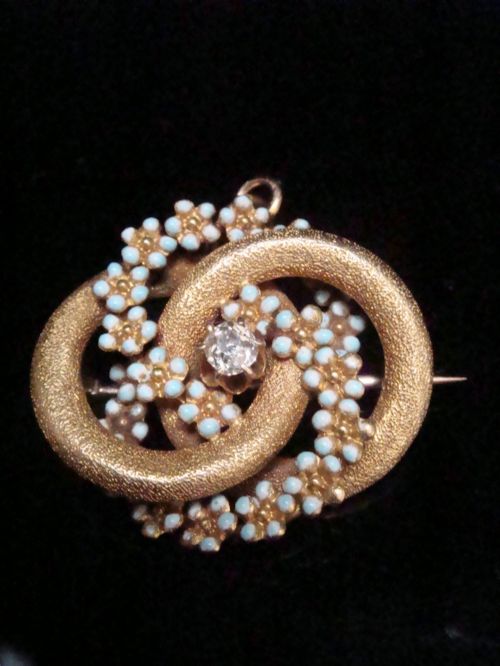
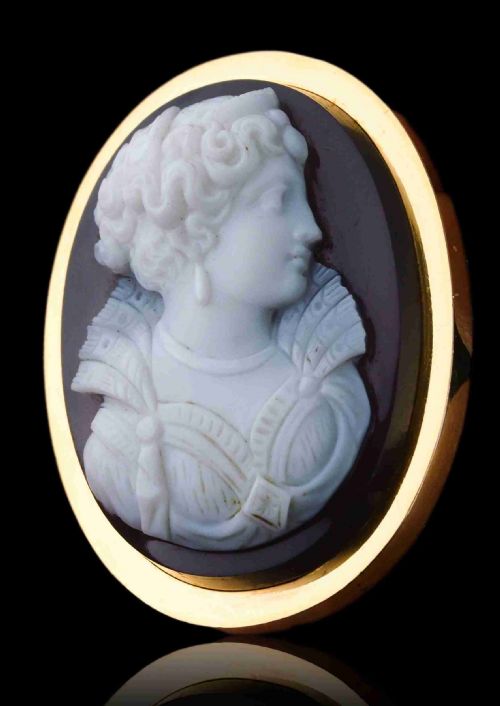
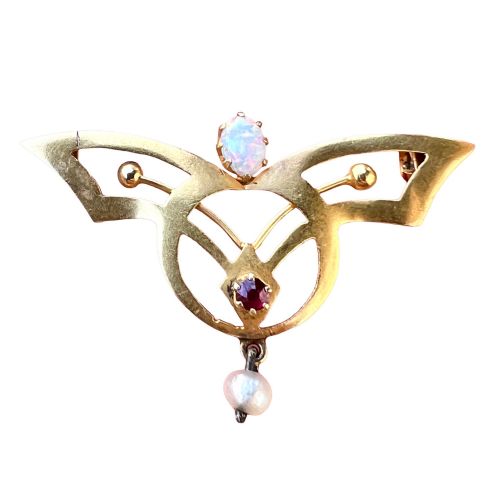
When you search for an 18ct gold victorian brooch, you encounter intricate items forged during the nineteenth century, most frequently taking the form of floral clusters, figurative cameos, and starburst pendants that double as pins.
The selection spans various decades, capturing stylistic shifts from mid-century romanticism through to late-Victorian and Edwardian iterations.
Many designs incorporate multifunctional loops, allowing a single ornament to transition between a lapel pin and a pendant.
Materials and Techniques
Goldsmiths utilised high-karat yellow gold alongside silver settings for diamonds, employing techniques such as cannetille wirework and plique-à-jour enamel to add depth and texture.
Gemstones including old-cut diamonds, garnets, pearls, and hardstone cameos were hand-set into ornate frames, reflecting the meticulous hand-labour of the period workshops.
Victorian jewellers occasionally incorporated tiny glass compartments for hair behind cameos, turning miniature portraits into intimate keepsakes.
Assessing Quality
Superior examples are distinguished by the crispness of hand-carved cameos, the symmetry of wirework, and the secure flush-setting of small pavé diamonds.
The integration of convertible mechanisms, where a brooch fitting folds neatly to accommodate a chain, indicates thoughtful fabrication by skilled artisans.
The 18ct Gold Victorian Brooch Glossary
- Cannetille
- A delicate metalwork technique using fine gold wires and tiny balls to create lace-like patterns. This style mimics the heavy embroidery popular in mid-nineteenth-century textiles.
- Hardstone
- A collective term for ornamental stones harder than turquoise, including agate, onyx, and malachite. These were frequently carved into relief profiles for cameos.
- Old Cut
- A precursor to the modern brilliant cut, characterised by a smaller table, higher crown, and open culet. These diamonds display a distinctive, softer candlelight scintillation.
- Plique-à-jour
- An enamelling technique where the enamel is applied without a backing, resembling miniature stained glass. It allows light to pass directly through the translucent colours.
18ct Gold Victorian Brooch: Frequently Asked Questions
How do I wear a convertible brooch?
Many period pieces feature a hidden loop or a detachable pin mechanism that lets you thread a chain through the reverse. This allows the ornament to function as both a lapel pin and a pendant.
Ensure the pin stem locks securely into its safety catch before wearing it on heavier fabrics to prevent loss.
How should I clean my antique jewellery?
Most gold and gemstone pieces respond well to gentle cleaning with warm water, mild soap, and a very soft brush. Avoid submerging pearls or fragile organic materials in liquid.
Professional ultrasonic cleaners should be avoided because they can dislodge old-cut stones or damage foil-backed gems.
Are these items marked with gold standards?
Nineteenth-century British pieces often carry hallmarks indicating the 18-carat gold standard, though imported items or older French pieces may display distinct regional assay stamps. Some genuine pieces test as 18ct gold without bearing a stamp due to wear or the removal of pin parts.
Testing with acid or electronic equipment confirms the precise metal purity.