


1894 Victorian Silver
When you search for 1894 victorian silver, you uncover a focused range of late nineteenth-century tableware, desk accessories, and personal items crafted during a single definitive year.
1894 Victorian Silver
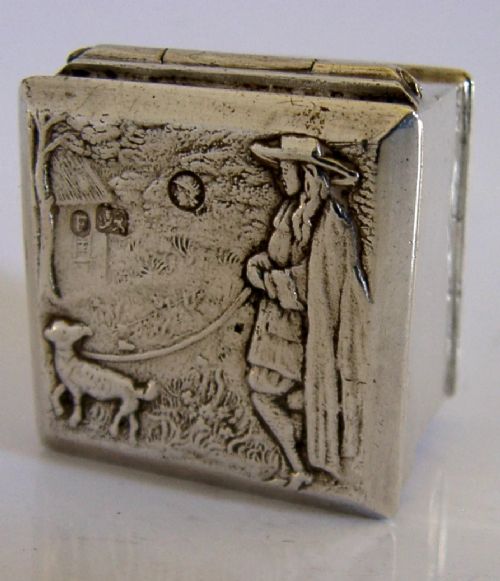
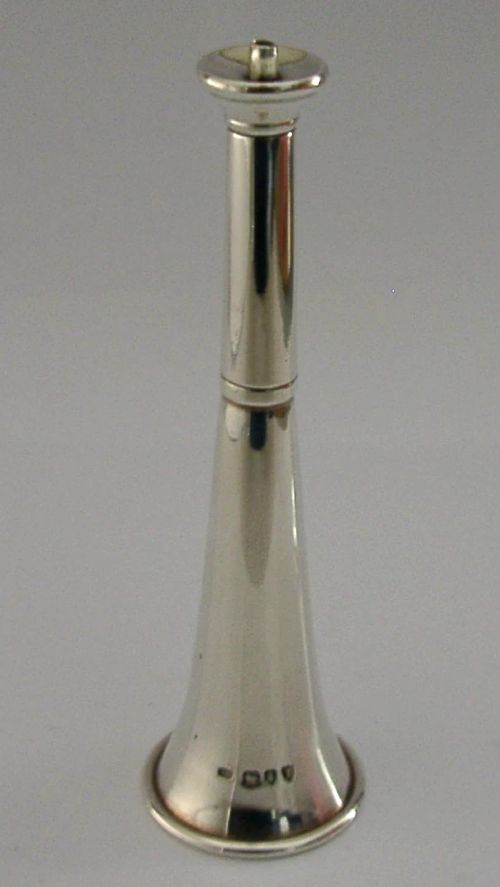
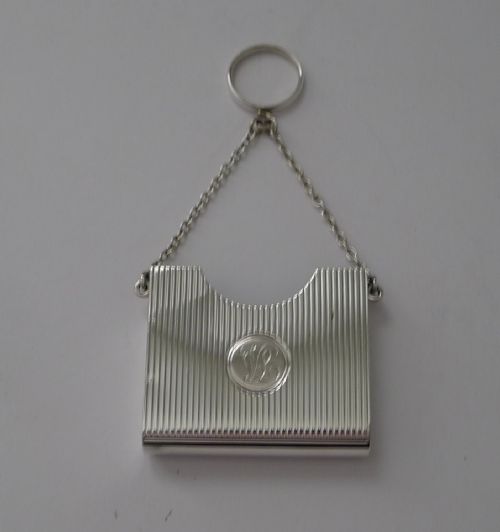
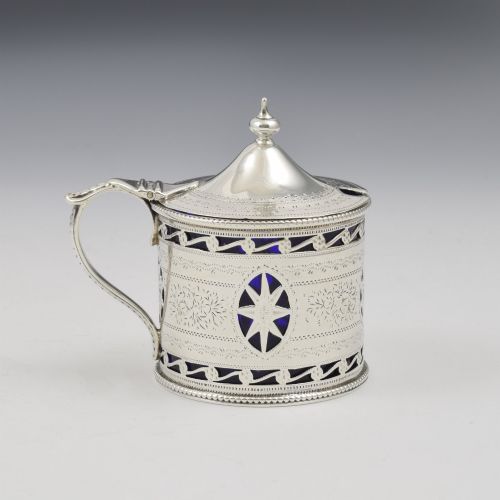
When exploring 1894 victorian silver, collectors encounter a diverse array of utilitarian and decorative objects that reflect the material culture of the late nineteenth century. The selection spans dining table components, such as cream jugs, mustard pots, and claret jugs, alongside personal accessories like card cases, scent bottles, and napkin rings. These items capture the domestic habits and social rituals of the period with striking clarity.
The objects most frequently met on this page combine sterling silver mounts or bodies with contrasting media like cut glass, crystal, and leather. Tableware and desk pieces dominate the current offerings, often bearing hallmarks from assay offices in London, Birmingham, and Sheffield. Buyers seeking domestic silver from this specific chronological marker will find both functional vessels and ornamental novelties.
How they were made
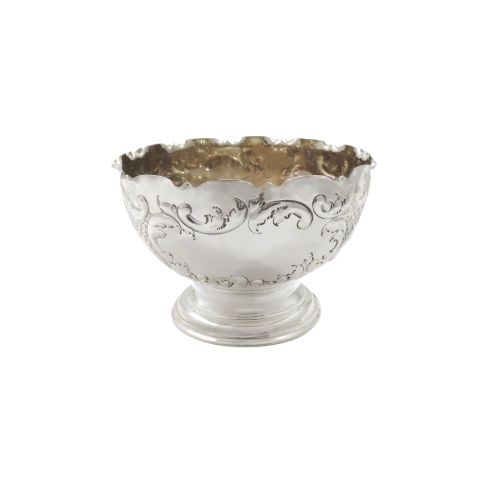
Silversmiths utilised traditional manufacturing techniques such as piercing, embossing, and hammering to shape solid sterling silver into elaborate forms. Many hollowware items, including bowls, tankards, and jugs, required skilled hand-raising and soldering of components before receiving detailed surface engraving. Assay office punches were then applied directly to the metal to certify its standard.
Glass elements found in scent bottles, inkwells, and claret jugs were typically mouth-blown and finished with hobnail cutting or smooth polishing. These glass bodies were combined with hinged silver collars and lids, requiring precise fitting between dissimilar materials. Additional textural contrast was often achieved by pairing the silver with velvet, silk, or leatherette linings and casings.
What varies in quality
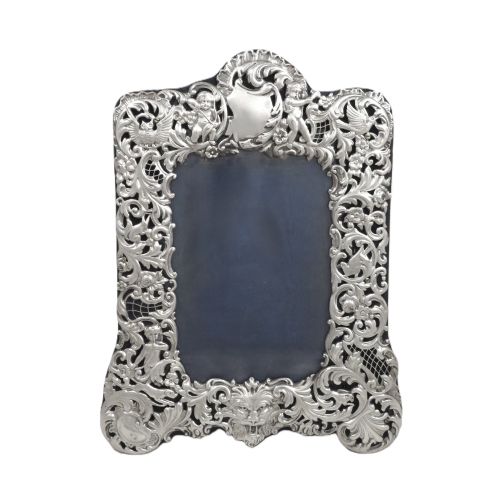
The standard of craftsmanship depends heavily upon the depth and crispness of the chased or embossed ornament. Pieces featuring finely rendered motifs, such as birds, cherubs, or botanical patterns, demonstrate superior silversmithing compared to softly cast or shallowly stamped alternatives. The weight and gauge of the sterling silver also dictate durability and tactile substance.
Makership plays a significant role in distinction, with pieces bearing the marks of prominent silversmiths commanding greater interest. The integrity of associated non-metal components, such as undamaged cut glass or intact original cases, preserves the overall completeness and historical standing of the object.
Sampson Mordan·Nathan and Hayes·John Round·William Comyns·Cornelius Saunders and Shepherd·Henry Matthews·Mappin and Webb·Adie and Lovekin·Charles Horner·Hilliard and Tomason·Colen Hewer Cheshire·Charles Penny Brown
The 1894 Victorian Silver Glossary
- Sterling silver
- A silver alloy containing 92.5 percent pure silver by mass and 7.5 percent other metals, usually copper. This standard composition provides the necessary hardness for domestic objects.
- Hallmark
- An official mark stamped onto precious metals by an assay office to indicate purity, origin city, and date. For these items, the date letter corresponds to the year 1894.
- Hollowware
- Tableware items such as bowls, jugs, cream pitchers, and tankards that are hollow in construction. They require expert metal shaping rather than flatware stamping.
- Chasing
- A metalworking technique where the silversmith depresses the front surface with punches to form a raised design without removing material. It creates rich surface texture on frames and boxes.
- Assay office
- An official body responsible for testing the purity of precious metal items and applying statutory hallmarks. Key locations active for this period include London, Birmingham, and Sheffield.
1894 Victorian Silver: Frequently Asked Questions
How do I identify a silver piece from 1894?
Examine the set of small stamped marks usually located near the rim, base, or underside of the object. These hallmarks include the lion passant for sterling silver, the town mark for the assay office, and a specific date letter corresponding to 1894.
Matching the shape of the shield and the specific font of the date letter against official assay office records confirms the exact year of manufacture. Maker marks nearby also point to the specific workshop responsible for the piece.
Were these items used daily or kept for display?
Most of these silver pieces served active, functional roles in late Victorian households, from serving cream at tea to holding matches or illuminating dining tables. Items like card cases and scent bottles were carried on the person during social calls.
Over time, many objects transitioned from active domestic utility into decorative display pieces or collector cabinets. Their robust sterling silver construction allowed them to endure decades of handling while retaining their structural integrity.
How should I clean my Victorian silver?
Maintenance requires gentle washing with warm water and mild soap, followed by thorough drying with a soft, non-abrasive cloth. Harsh chemical dips should be avoided because they strip away the desirable dark oxidation in recessed ornamental details.
For general upkeep, occasional polishing with a dedicated silver cloth preserves the natural lustre of the metal without wearing down delicate hand-engraved lines. Proper storage away from high humidity prevents rapid tarnishing.
What is the difference between sterling silver and silver plate?
Sterling silver consists of solid metal alloyed to a strict legal standard throughout its entire thickness, ensuring it can be polished indefinitely. Silver plate involves a thin layer of silver bonded to a base metal core, such as brass or copper.
Victorian pieces bearing 1894 hallmarks are overwhelmingly solid sterling silver rather than plated wares. This solid construction gives the objects a noticeable weight and ensures longevity across generations.