


17th Century Style Panel
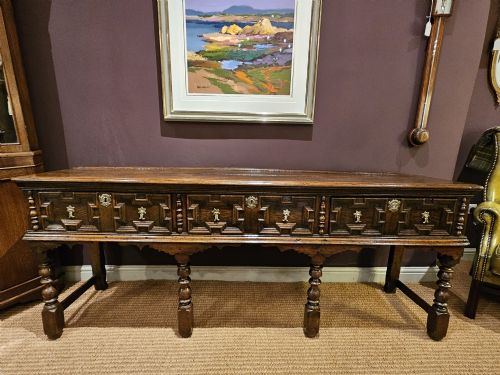
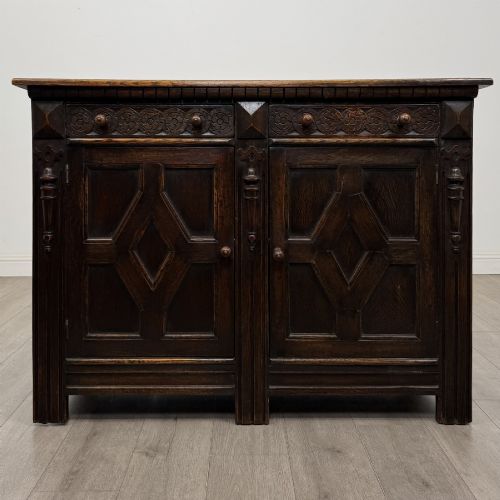
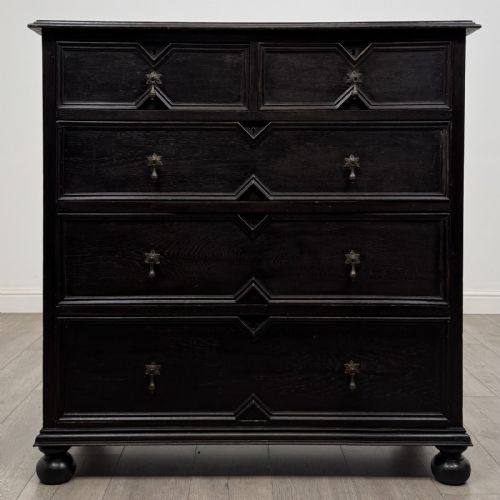
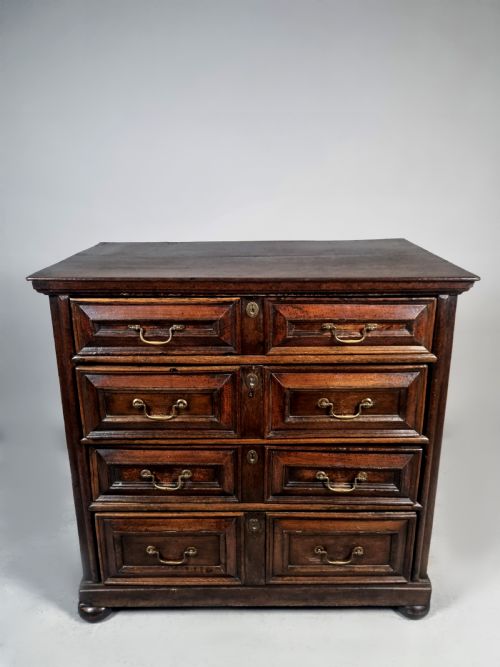
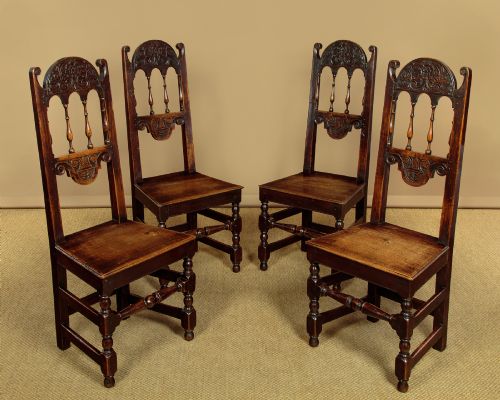
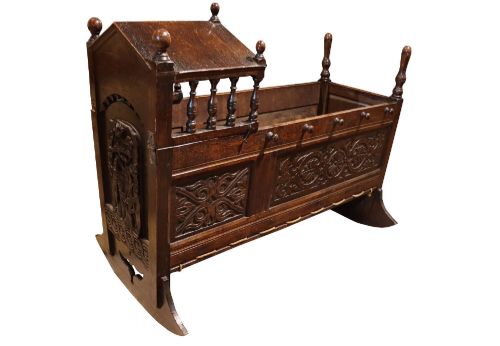
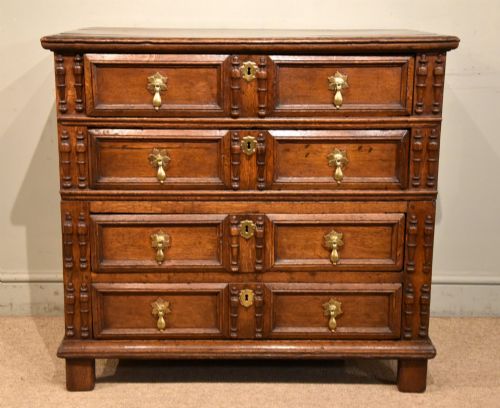
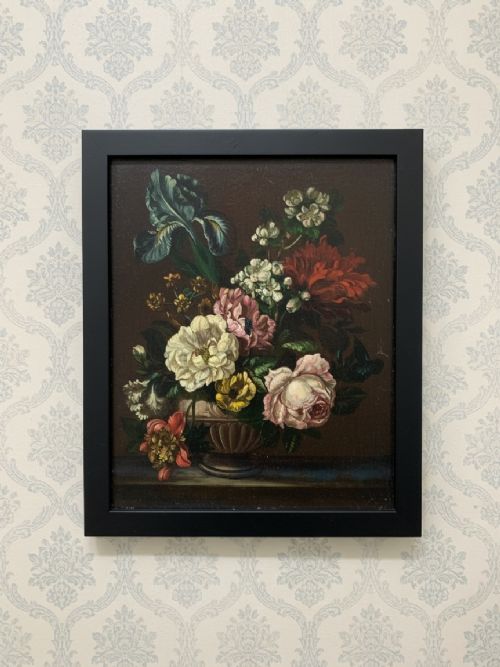
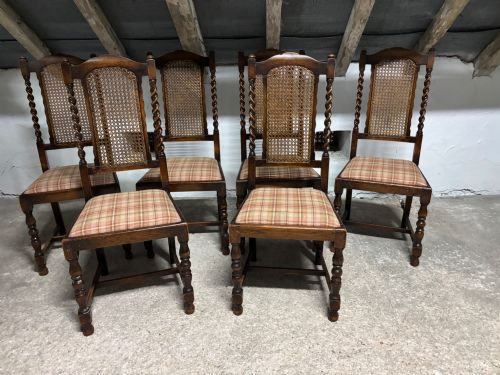
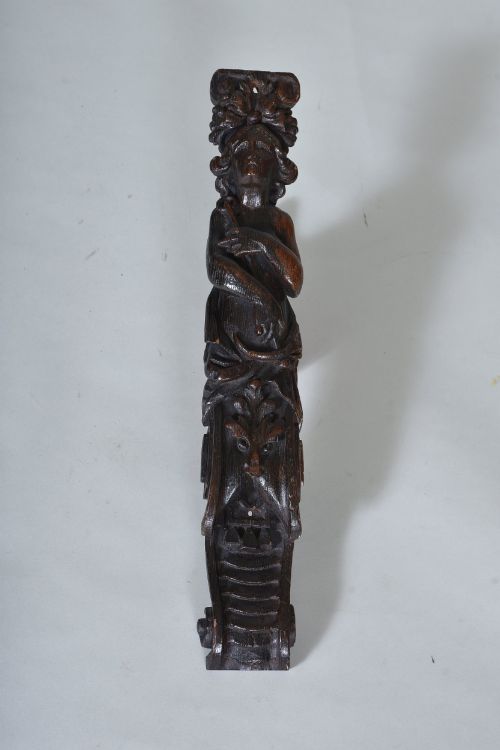
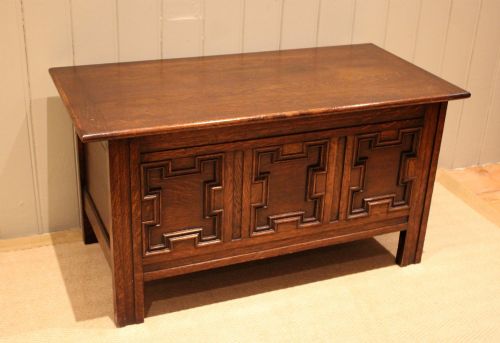
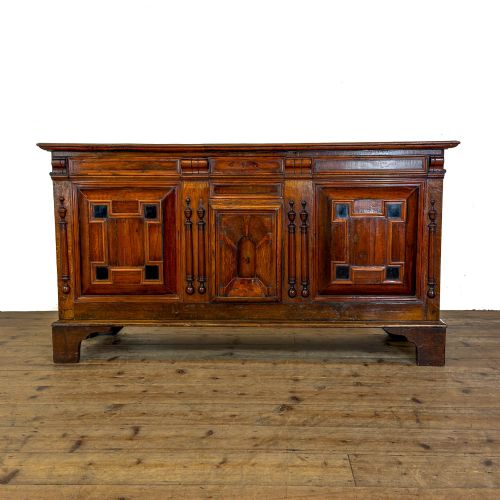
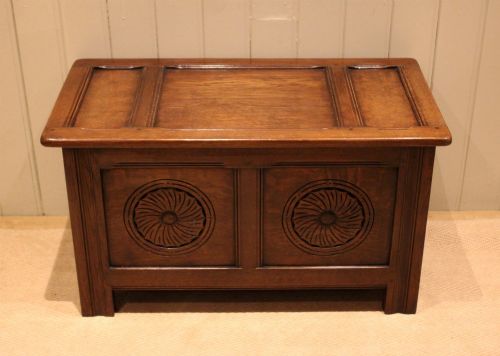
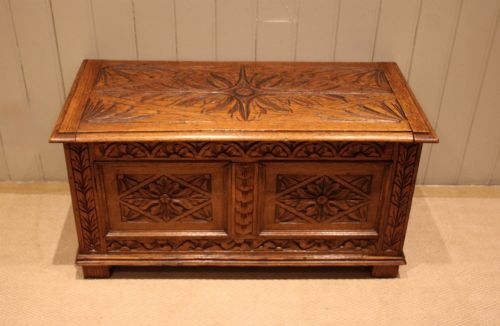
These pieces give you the 17th century style panel look, bringing heavy carved timber and framed oil paintings into a room.
17th Century Style Panel
A 17th century style panel typically manifests as carved architectural woodwork, furniture like coffers and wainscot chairs, or oil paintings on wooden supports. The items span actual seventeenth-century artefacts alongside later nineteenth- and early twentieth-century revivals created in the same spirit.
You will encounter solid oak furniture, such as carved chests and court cupboards, alongside portraiture and still-life oil paintings executed directly on panels. These objects range from sturdy domestic seating to decorative wall art and wall panels.
Materials and Construction
Carpenters and joiners relied primarily on oak, walnut, and fruitwood, shaping panels through mortise and tenon joinery and deep relief carving. Painters applied oil paint directly onto prepared wood panels, sometimes incorporating gilded bronze relief or white metal elements.
Surfaces often display ebonised wood details, natural wax polishes, and remnants of old paint. The construction methods prioritise structural heft and durability, whether applied to a heavy sideboard or a framed canvas alternative.
17th Century Style Panel Retail Price Guide 2026
Typical asking prices for 17th century style panel among the pieces listed under this phrase on Sellingantiques today, from the lower quarter to the upper quarter. They describe what is for sale here now, not the wider market.
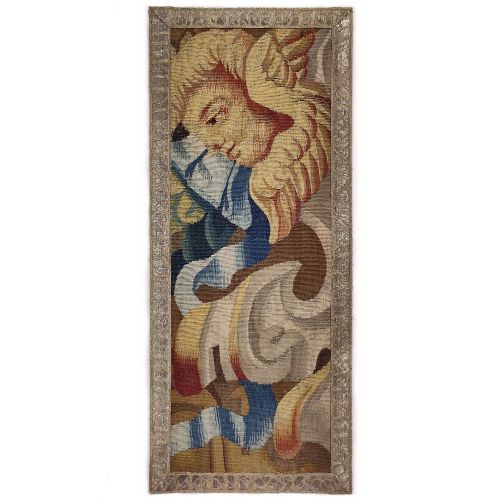
St. George occasionally pops up keeping watch from an old icon panel.
Distinguishing Quality
Depth and sharpness in the wood carving separate ordinary production from superior examples. Crisp chisel work on architectural mouldings and figural panels denotes a more skilled hand than shallow, machine-routed alternatives.
The choice of timber and the preservation of original surfaces dictate the tier of an item. Fine grain figures in oak and walnut, alongside well-preserved pigment on early oil paintings, elevate the standing of a piece.
The 17th Century Style Panel Glossary
- Wainscot chair
- A solid wooden armchair with a panelled back, common in the seventeenth century and frequently replicated in later revival periods. These seats often feature turned legs and carved crest rails.
- Coffer
- A heavy wooden storage chest constructed with panelled sides and a hinged lid. They frequently display carved geometric patterns or arcade motifs on the front panels.
- Oil on panel
- A painting executed on a wooden board rather than canvas. Artists during the Dutch Golden Age and earlier periods routinely utilised prepared wood panels for portraits and landscapes.
- Court cupboard
- A heavy oak storage unit divided into tiers, typically featuring enclosed cupboards and decorated with carved balusters or panels. They served as prominent display and storage furniture in wealthier homes.
- Jacobean style
- The English style of architecture and furnishings prevailing during the reign of James I, characterised by heavy proportions and rich carved ornamentation. This aesthetic heavily influences later nineteenth-century revival pieces.
17th Century Style Panel: Frequently Asked Questions
How do I care for antique oak furniture?
Antique oak benefits from occasional applications of natural beeswax to nourish the timber and maintain a soft sheen. Avoid placing these heavy wooden pieces near direct heat sources or in fluctuating humidity.
Regular dusting with a dry cloth keeps the deep carved crevices clean without damaging the historic finish or patination.
Are these pieces from the seventeenth century?
The selection includes both genuine seventeenth-century items and later revival pieces from the nineteenth and early twentieth centuries. Makers across the Victorian and Edwardian eras frequently reproduced these heavy styles.
Examining the joinery, timber shrinkage, and tool marks helps determine whether an object dates to the original period or a later revival.
Where were wood panels used?
Wood panels served as structural components for furniture like coffers, dressers, and court cupboards, as well as supports for oil paintings. Joiners fitted them into frames to allow for natural timber expansion.
In architecture and interior fittings, decorative panels lined walls or formed ornamental friezes within principal rooms.