

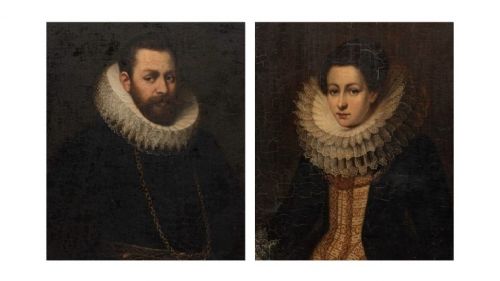


17th Century Lady Portrait
Selecting a 17th century lady portrait brings centuries of character, rich costume detail and masterly oil painting technique directly into a room.
17th Century Lady Portrait
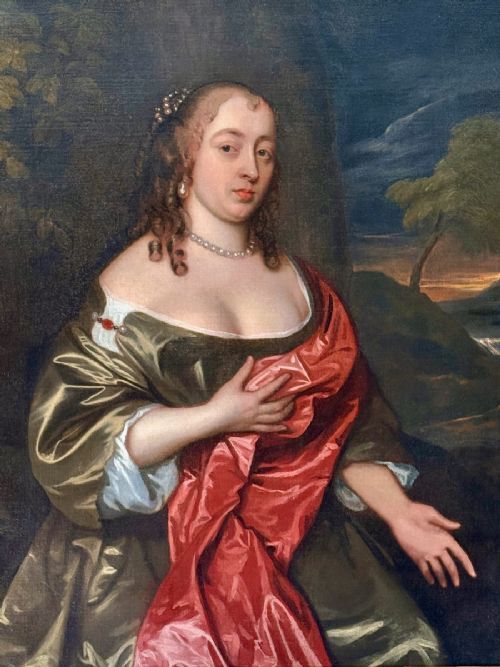
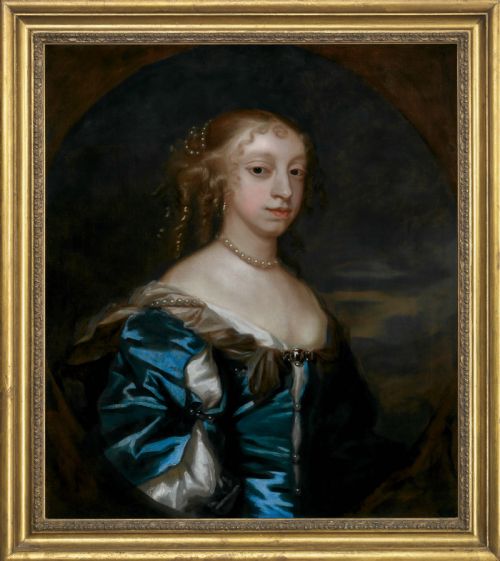
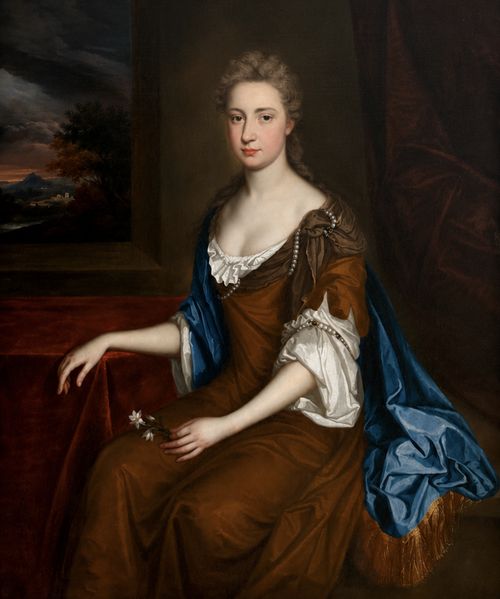
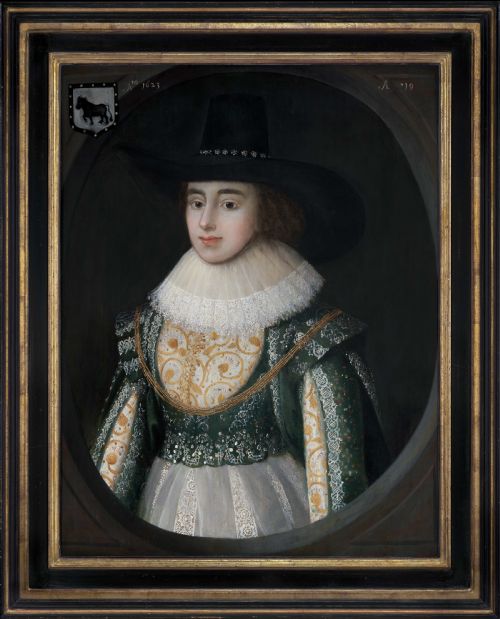
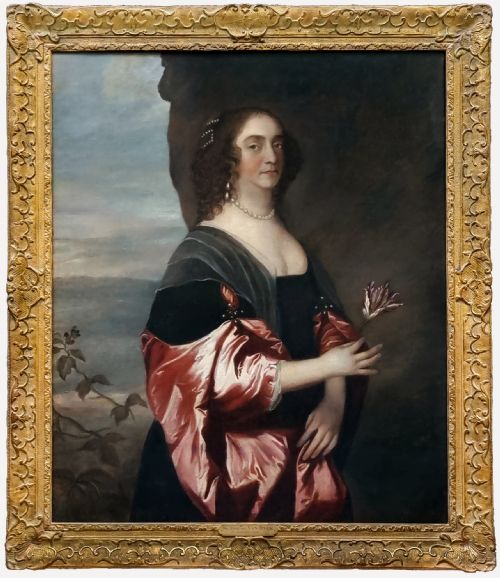
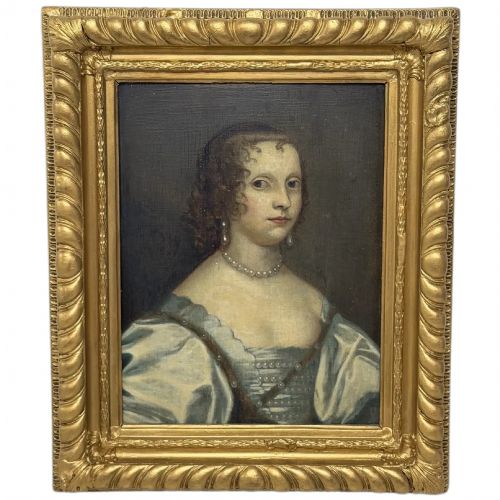
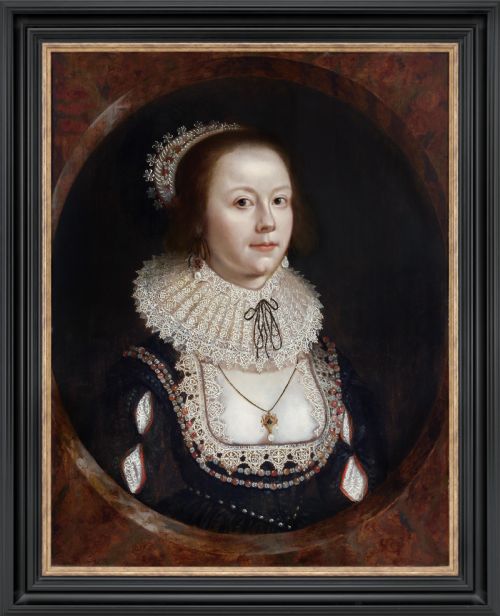
A 17th century lady portrait captures noblewomen, family members and aristocratic figures in oil paint, rendered through various regional approaches. These artworks survive from English, Dutch, French, German, Italian and Spanish traditions, reflecting the distinct portraiture conventions of each European school.
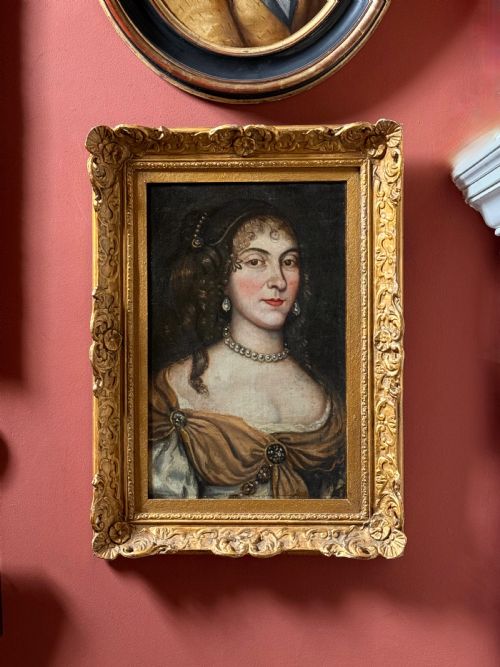
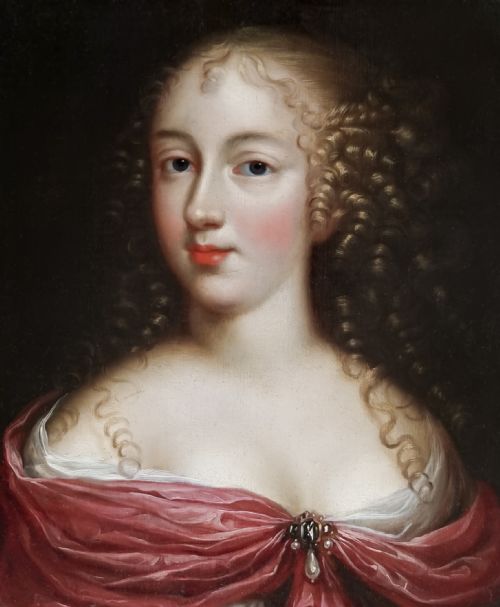
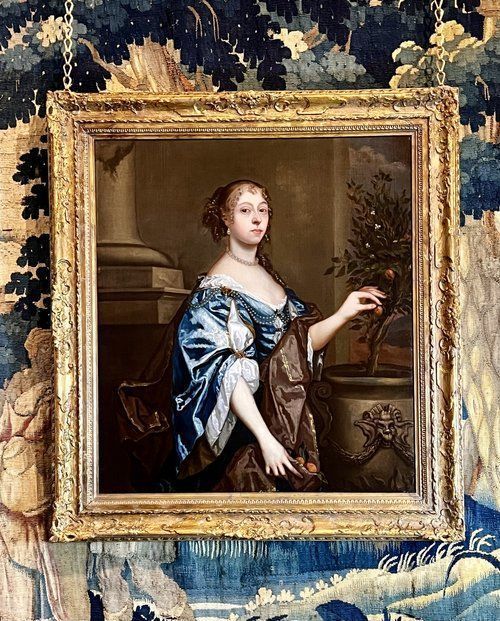
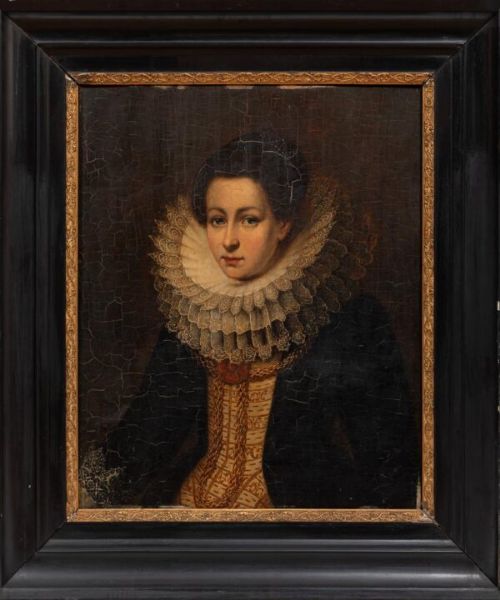
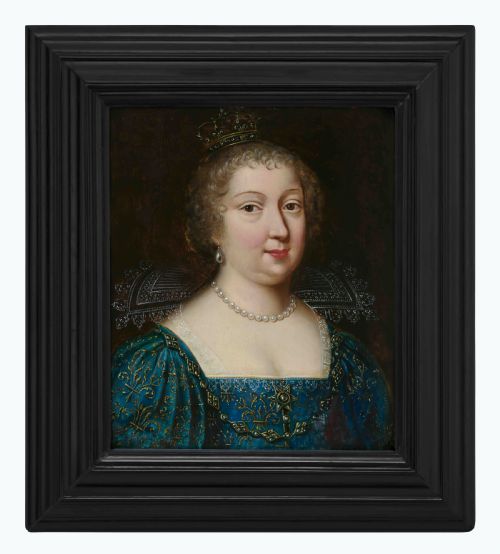
Most pieces encountered here date from the seventeen hundreds themselves, though nineteenth-century interpretations also appear alongside earlier periods. The subjects wear period attire such as ruff collars, satin gowns, pearls and elaborate lace, often accompanied by symbolic elements like landscapes, birds or fruit.
Compositions range from intimate panel paintings to large canvases created by major workshop circles or regional schools. Buyers encounter works attributed to prominent portraitists or produced within the sphere of court painters of the era.
How They Were Made
Artists painted primarily using oil on canvas or oil on wood panels, utilising oak support structures for earlier panel works. These oil paints allowed for deep saturation, subtle blending in flesh tones and meticulous rendering of heavy fabrics.
Giltwood and gilt wood frames frequently house these paintings, providing ornate borders that complement the baroque and jacobean aesthetic of the period. Artisans constructed these frames with carved wooden mouldings finished in gold leaf.
Techniques relied on layered glazes to build luminosity in silks, satins and jewels, while preparation layers of gesso provided a smooth ground for the pigments.
Listings feature works spanning the seventeenth, eighteenth, and nineteenth centuries, executed in oil on canvas and wood panel.
What Varies in Quality
Material survival and conservation history dictate the visual integrity of the canvas or panel, affecting the clarity of the original pigment layers and the stability of the wood support. Original period framing also elevates the historical cohesion of the piece.
The complexity of the sitter's costume and the inclusion of detailed elements such as hands, lace work or background landscapes indicate the ambition and standing of the original commission.
JOHN HAYLS·PIETER BORSSELER·Pierre Mignard·Henri and Charles Beaubrun·Cornelius Johnson·Sir Peter Lely·Sir Anthony Van Dyck·Michael Dahl·John Greenhill·Nicolaes Maes·Pieter Nason·Sir Godfrey Kneller·Mary Beale·Charles Jervas·Jacob Huysmans·Caspar Netscher·Paulus Moreelse
The 17th Century Lady Portrait Glossary
- Oil on Canvas
- A traditional painting medium where pigments mixed with drying oil are applied to a stretched canvas support. This combination allowed artists to work on a larger scale with flexible textures.
- Giltwood
- Wood carved and covered with a thin layer of gold leaf. This material defined the elaborate framing styles associated with baroque portraiture.
- Ruff Collar
- A prominent pleated starched collar worn around the neck during the late sixteenth and early seventeenth centuries. It indicates high social status and precise sartorial fashion of the period.
- Jacobean
- The style of art and architecture prevalent during the reign of James I, characterised by formal rigidity and rich ornamentation in English portraiture.
- Panel Painting
- A painting executed on a flat piece of wood, frequently oak during this era, providing a rigid and durable surface before canvas became dominant.
17th Century Lady Portrait: Frequently Asked Questions
How do I identify the sitter?
Inscriptions on the canvas, archival records or family crests often record the identity of the subject. Clues in the attire and accessories can also narrow down the historical context.
Comparison with documented portraits from the same workshop helps verify names associated with specific noble families of the era.
Where should I hang these portraits?
These works suit traditional study spaces, drawing rooms or hallways with stable environmental conditions. Direct sunlight and high humidity must be avoided to protect the canvas and oil pigments.
Pairing the painting with period furniture enhances the historical atmosphere of the interior space.
What do the costume details mean?
Pearls, lace, and specific gown colours denoted wealth, social standing, and political allegiance in seventeenth-century society. Elaborate sleeves and ruffs reflected the latest court fashions from European centres.
Items like exotic birds or fruit held symbolic meanings related to fertility, virtue, or global trade connections.
How do I distinguish school from master?
Paintings attributed to an artist's circle or studio often show competent execution by assistants following the master's established compositions. Works directly by the master display superior fluidity in facial modelling and individual expression.
Brushwork analysis reveals the confident touch characteristic of primary workshop leaders compared to more mechanical output.