



17th Century Engraving
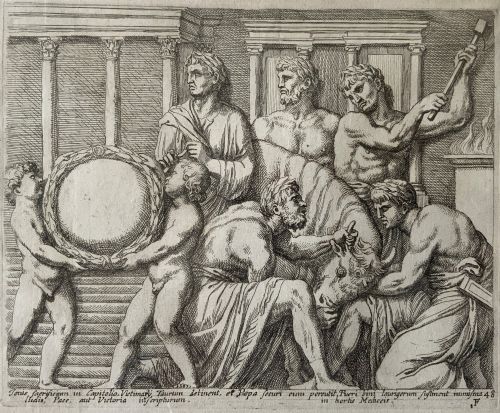
A 17th century engraving records the skill of early printmakers, offering buyers a genuine window into historical portraiture, classical antiquity, and cartography.
17th Century Engraving
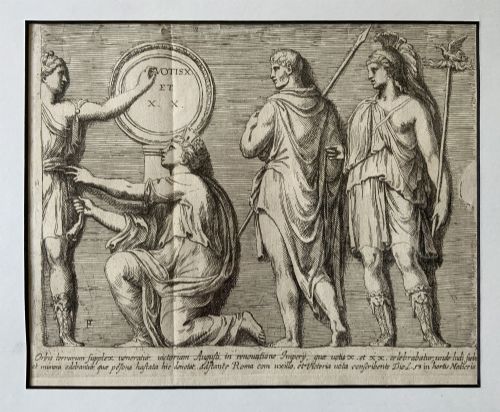
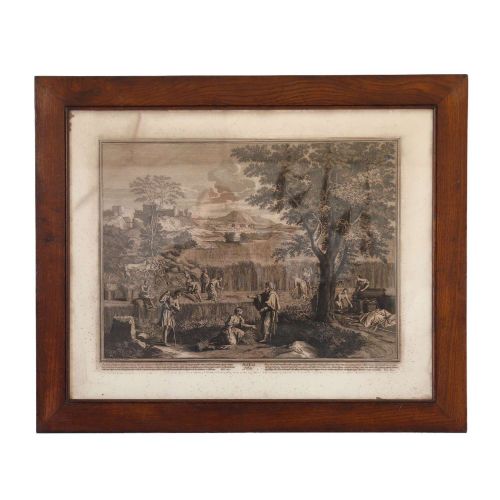
A 17th century engraving captures the intricate graphic arts of the period, spanning printed portraits, classical scenes, and detailed cartography. Buyers searching this phrase encounter framed prints, atlas maps, and book illustrations produced across European workshops.
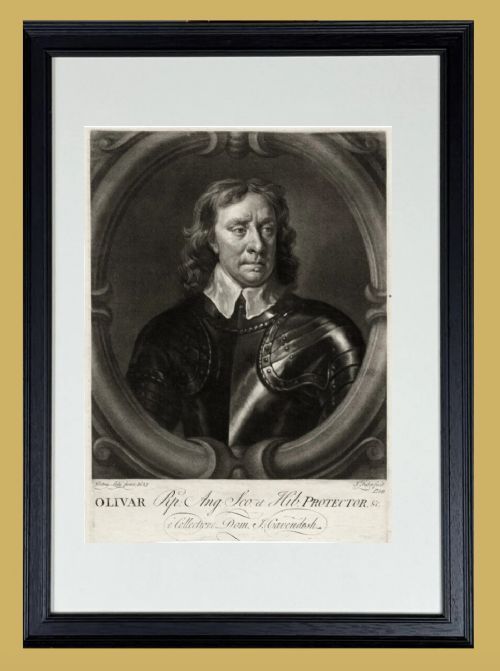
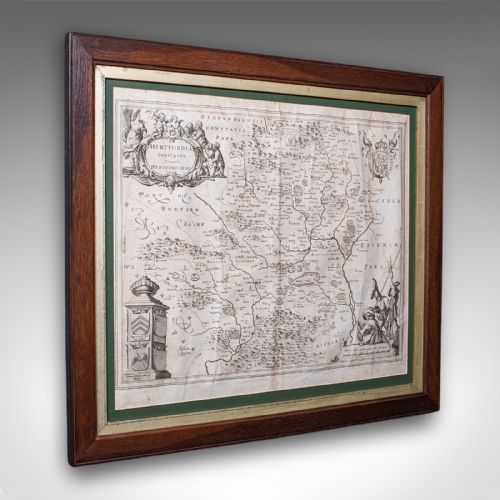
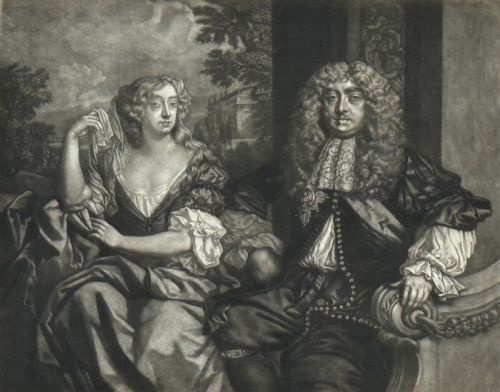
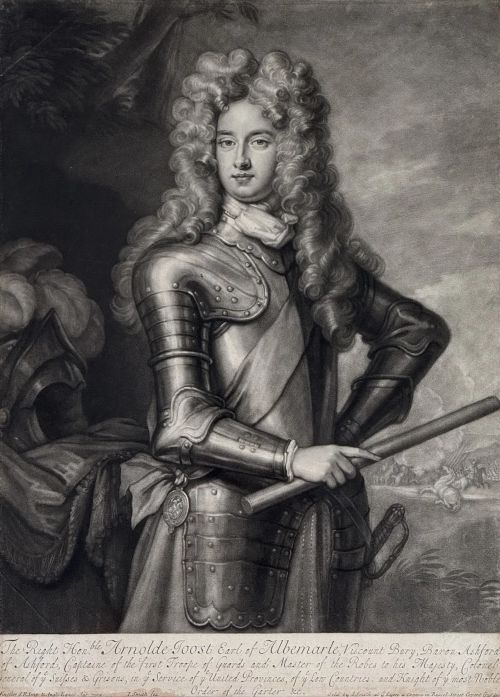
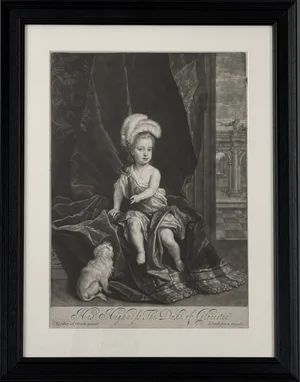
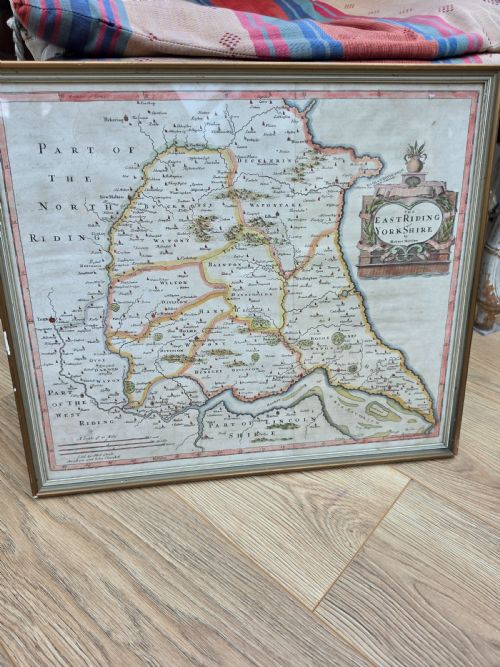
The selections on this page frequently include Dutch cartography, British county maps, and tonal mezzotint portraits after painters like Sir Peter Lely and Sir Godfrey Kneller. These pieces preserve the visual culture of the Carolean, William III, and Baroque eras on authentic paper substrates.
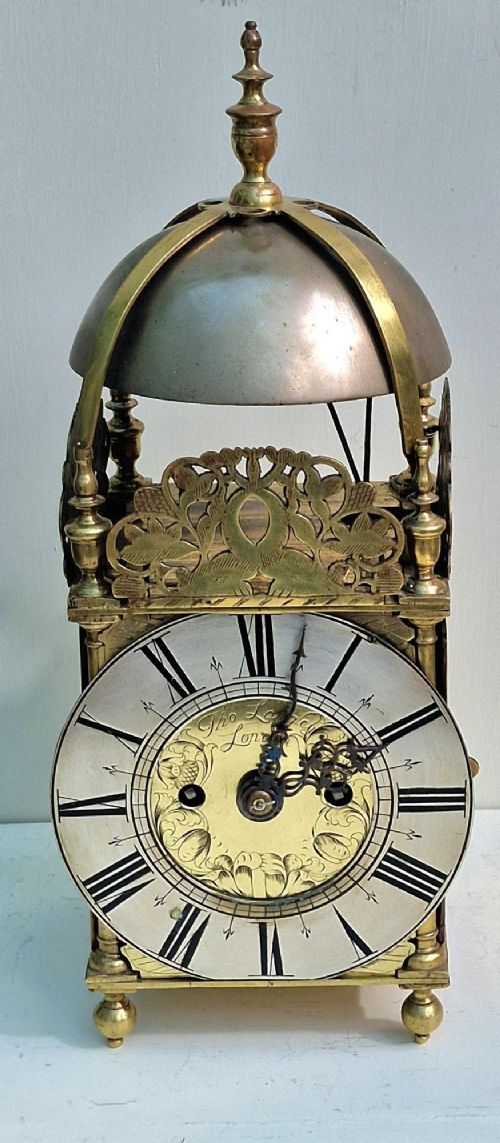
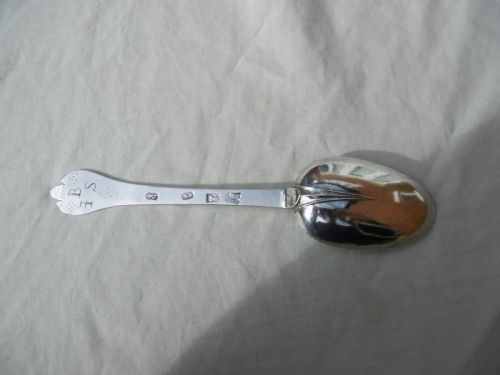
Beyond flat prints, the broader material record for the era incorporates engraved glassware, brass bowls, silver spoons, and clock dials. However, the core of the category remains works on paper that reflect the widespread dissemination of printed imagery during the seventeen-hundreds.
Materials and Print Techniques
Makers of a 17th century engraving relied on high-rag content paper and dark printing ink applied to metal plates. Artisans cut lines directly into copper using a sharp tool called a burin, or used chemical acids to bite the design into the metal in etching.
Mezzotint variations required a different method where the plate surface was roughened evenly to produce rich dark tones, then scraped and burnished back to create highlights and gradual shading. Hand-colouring was occasionally added afterwards using watercolour pigments.
Listings feature works by prominent cartographers alongside tonal mezzotint portraits published by London printsellers.
Factors That Determine Quality
The clarity of the impression dictates the primary tier of quality, separating crisp early pulls from worn later strikes where the delicate lines of the copper plate have degraded. Strong contrast, deep blacks, and legible fine details show the plate was in prime condition when printed.
Paper survival and margins also govern value, as trimmed sheets or heavy foxing detract from the visual integrity of the work. Contemporary framing and clear publisher attribution add distinct historical context to the surviving sheet.
John Smith·Jan Blaeu·John Speed·Johannes Janssonius·Robert Morden
The 17th Century Engraving Glossary
- Engraving
- A printmaking technique where lines are gouged directly into a copper plate with a burin. This process produces sharp, precise lines that hold up well under close inspection.
- Mezzotint
- A tonal printmaking method invented to achieve subtle graduations of light and shade without relying on line networks. The copper plate is roughened uniformly before scraping highlights into the surface.
- Etching
- A process where metal plates are coated with an acid-resistant ground and drawn through with a needle before being submerged in acid. The acid bites the exposed lines into the metal plate for printing.
- Cartography
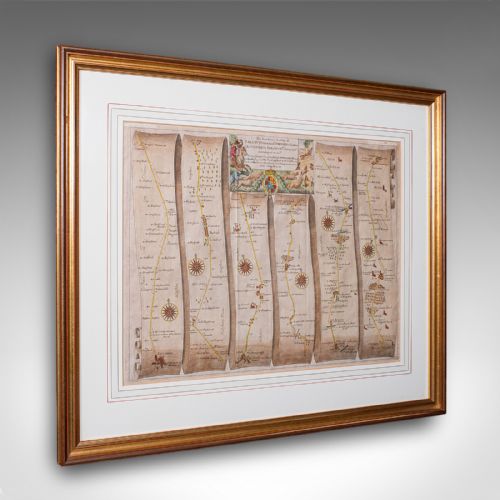
- The science and art of mapmaking, heavily represented in this category by regional county maps and Dutch atlas plates. These works often feature decorative cartouches and hand-coloured borders.
- State
- A stage in the development of a printed image determined by alterations made to the plate itself. Collectors track different states to date the progression of an edition.
17th Century Engraving: Frequently Asked Questions
How do I care for old paper?
Keep prints away from direct sunlight and high humidity to prevent fading and paper degradation. Framing should use acid-free materials with a spacer to ensure the paper does not touch the glass directly.
Environmental stability protects the delicate rag paper and ink lines from breaking down over time. Regular inspection helps catch any signs of moisture or insect activity early.
Are these prints original to the period?
Most pieces originate from the specific century indicated, produced from contemporary copper plates. Publishers often issued maps and portrait series in bound atlases or individual sheets during the era.
Examining the paper type, watermark, and ink characteristics helps verify the period of production. Later restrikes from worn plates generally show softer lines and different paper stocks.
Why are some maps coloured?
Colouring was frequently added by hand using water-based pigments either at the time of publication or later by collectors. Contemporary tinting enhances the decorative appeal of cartography without altering the underlying printed lines.
Pigment analysis can sometimes distinguish original workshop colouring from later embellishments added in subsequent centuries. Both variants offer distinct visual qualities for display.
How were these prints used originally?
Portraits and historical scenes were collected in bound volumes, framed for domestic display, or pasted into scrapbooks by literate households. Atlas maps served practical navigational or administrative purposes as well as scholarly study.
Their widespread circulation helped spread artistic styles and geographical knowledge across Europe. Surviving examples reflect this dual role as decorative objects and functional records.