



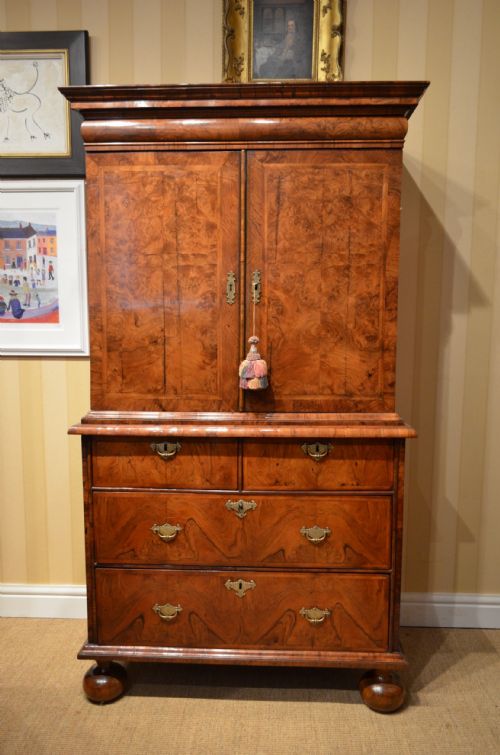
17th Century Cupboard Chest
These 17th century cupboard chest pieces combine utility and display, offering strong timber construction and intricate period detail for the discerning home.
17th Century Cupboard Chest
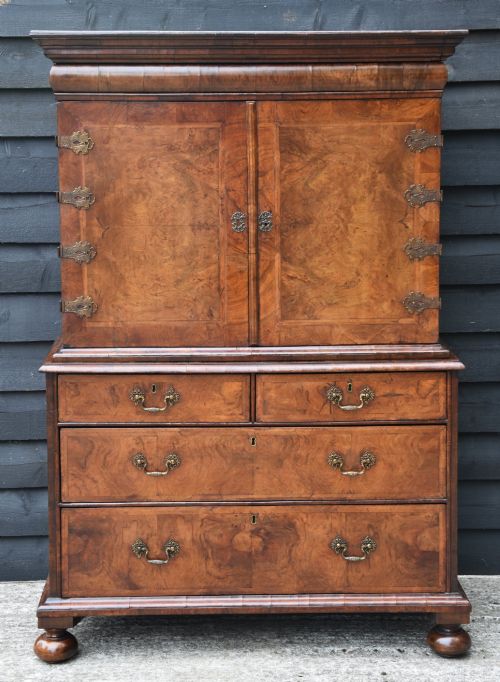
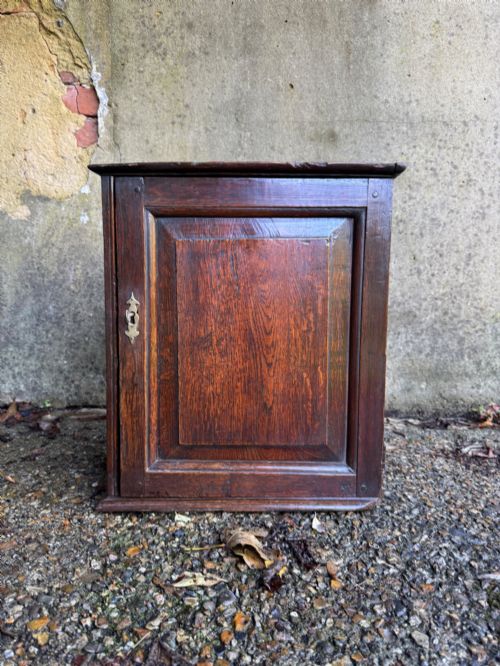
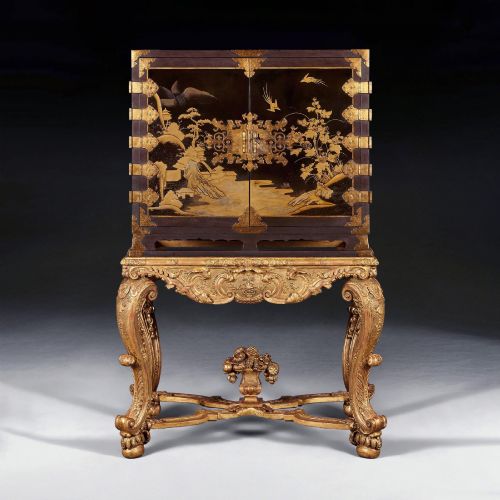
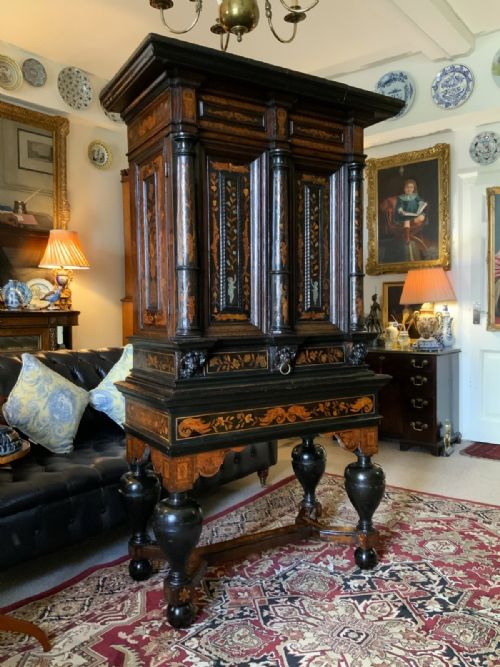
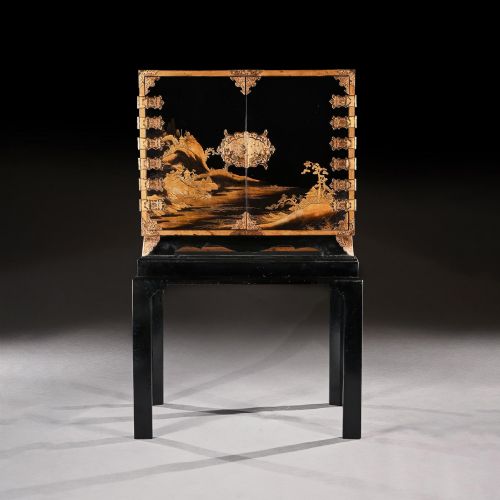
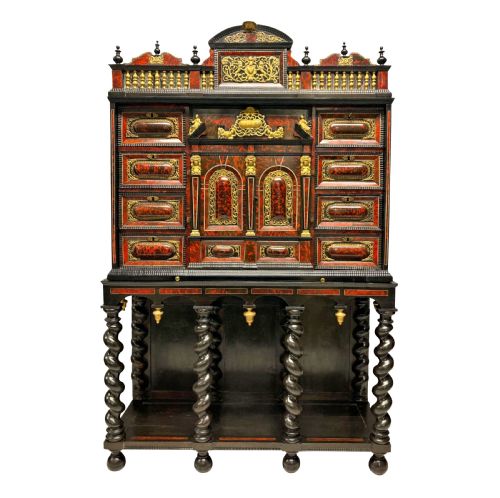
A 17th century cupboard chest bridges the divide between storage furniture and display pieces, taking forms such as cabinets on stands, court cupboards, and press cupboards. Buyers seeking this phrase encounter sturdy oak regional furniture alongside highly decorative walnut and marquetry cabinets mounted on elevated stands.
The material palette spans durable English oak and fruitwood to exotic imported veneers like kingwood, tortoiseshell, and burr walnut. These pieces originated across Britain, Spain, the Netherlands, Flanders, and Japan, reflecting diverse domestic storage needs and international trade.
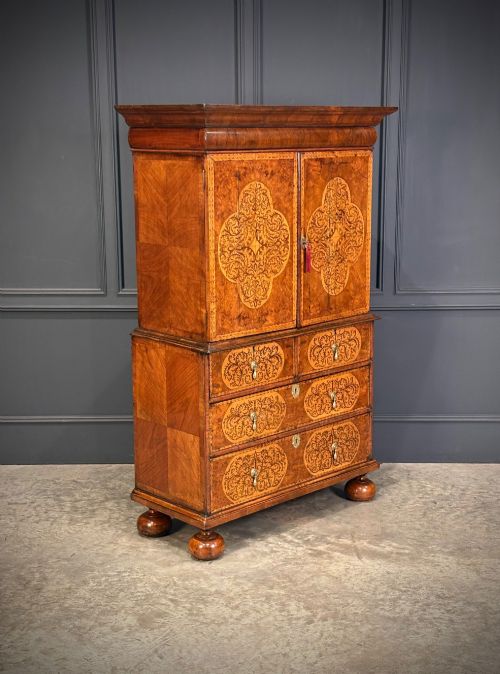
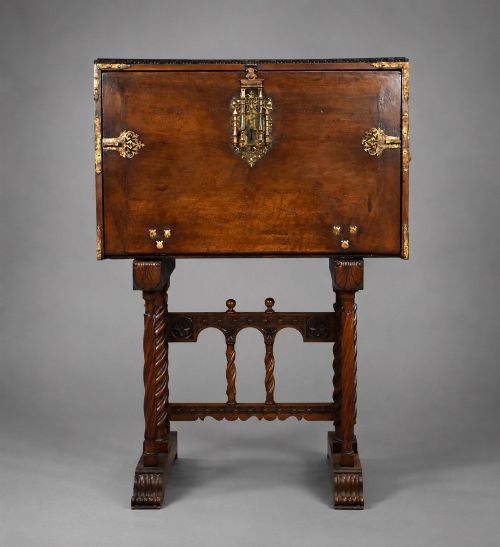
Regional variations shape the surviving examples, from the carved panels of Welsh and English oak court cupboards to the elaborate drop-front drawers of Spanish bargueño cabinets. William and Mary styles dominate the walnut items, bringing refined cross-banding and oyster veneers to the foreground.
Materials and Technique
Joiners and cabinet-makers built the structural frames using solid native timbers like oak, employing pegged mortise and tenon joints to secure heavy loads. Panels were left to float within grooved frames, accommodating natural wood movement through seasonal humidity changes.
Decorative surfaces relied on intricate veneer work, utilising oyster pieces cut from small branch wood, geometric marquetry, and seaweed patterns. Craftsmen enhanced these assemblies with applied mouldings, fruitwood decorations, and metal fittings in brass and iron.
The inventory spans the seventeenth and eighteenth centuries, incorporating William and Mary, Baroque, and Spanish styles.
Assessing Quality
The calibre of a piece rests on the precision of its timber selection and the integrity of its surface decoration. Superior examples display carefully matched veneers and crisp carving that retains its original sharpness rather than softening through repeated finishing.
Structural harmony between the upper cabinet and its base dictates the success of elevated forms, where proportion and period-appropriate stands remain crucial. Original hardware and minimal timber replacement elevate the standing of surviving items.
The 17th Century Cupboard Chest Glossary
- Bargueño
- A traditional Spanish chest or cabinet featuring a drop-front that opens to reveal a complex arrangement of small drawers and compartments.
- Court cupboard
- A heavy oak storage piece originating in the sixteenth and seventeenth centuries, typically featuring tiers for displaying plate.
- Oyster veneer
- Slices of wood cut transversely from small branches to produce circular or oval patterns resembling oyster shells.
- Marquetry
- The art of applying pieces of veneer to a structural structure to form decorative patterns and pictorial designs.
- Press cupboard
- A large enclosed storage furniture item designed for linen and garments, featuring upper and lower cupboard sections.
17th Century Cupboard Chest: Frequently Asked Questions
How were these cabinets used?
These pieces served multiple domestic functions, from storing valuable linens and household silver to securing private documents in locked compartments. Their elevated placement or imposing facades also allowed households to display wealth and status to visitors.
Smaller tabletop versions and portable bargueños kept precious writing materials and luxury items organised. Larger court and press cupboards anchored the main living spaces of seventeenth-century homes.
Where do I place one today?
A substantial oak cupboard sits well in a spacious hallway or dining room where its heavy timber presence grounds the interior. Walnut and marquetry cabinets on stands suit drawing rooms or studies as focal display surfaces.
Ensure the piece avoids direct heat sources and strong sunlight to protect delicate veneers and aged finishes. Adequate floor clearance lets these substantial proportions breathe within modern rooms.
How do I spot period alterations?
Examine the interior timber colour and construction marks to ensure the upper cabinet corresponds to its base stand. Stands were frequently replaced or updated during later centuries to match changing interior fashions.
Look closely at the drawer linings and backboards for consistency in tool marks and wood ageing. Original hardware fixings leave distinct shadow marks even if handles have been replaced.
What woods appear most often?
Oak forms the backbone of vernacular English and Welsh cupboards, prized for its strength and local availability. Walnut dominates the finer cabinet pieces, particularly under William and Mary influences.
Exotic additions like kingwood, burr amboyna, tortoiseshell, and fruitwood decorate high-status surfaces through marquetry and oyster veneering. Brass and iron provide functional and decorative hardware across all timber types.