
17th Century Artwork
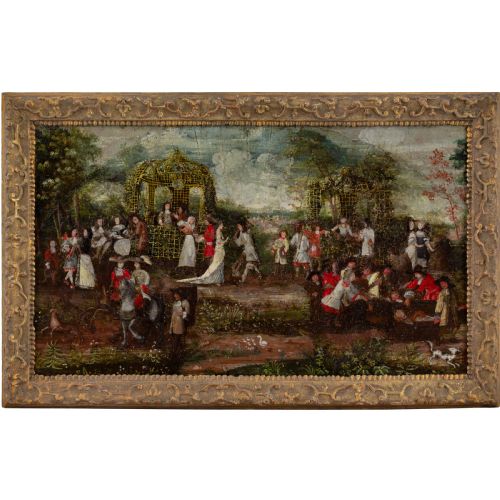
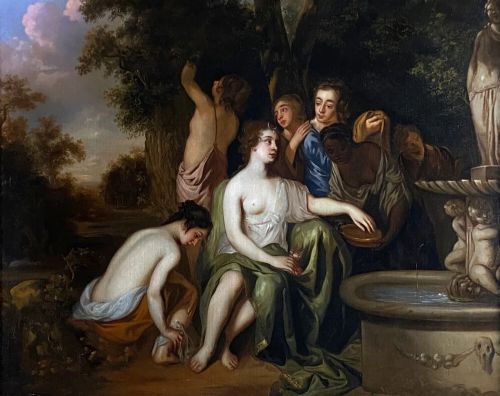
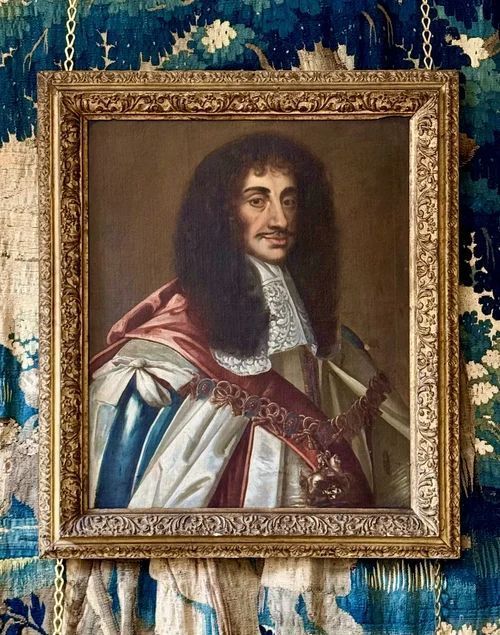
17th century artwork encompasses portraits, landscapes and classical scenes rendered in oil and print, offering a direct tangible link to the Baroque era.
17th Century Artwork
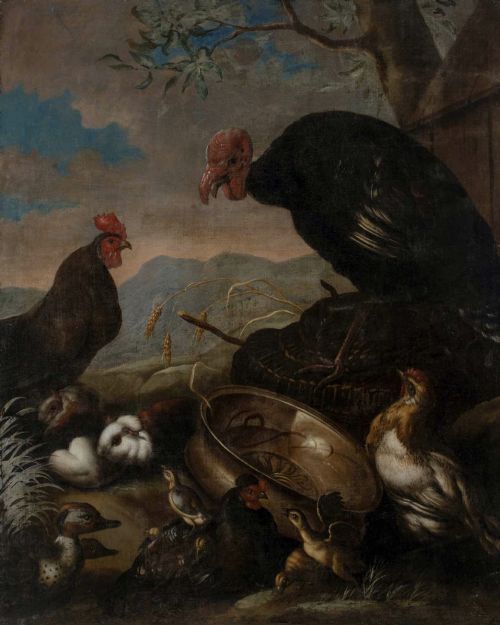
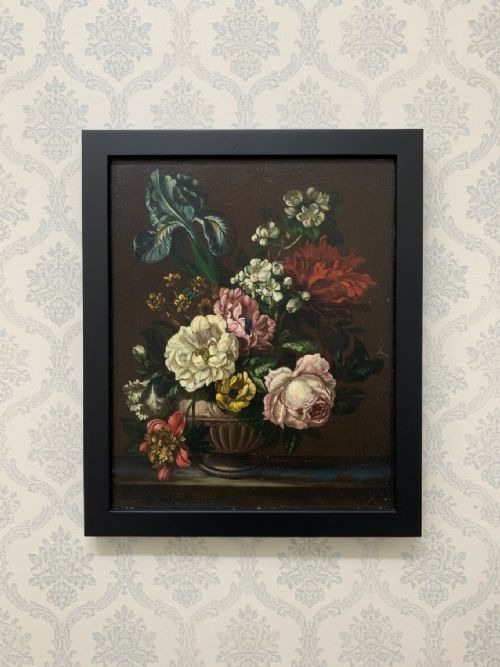
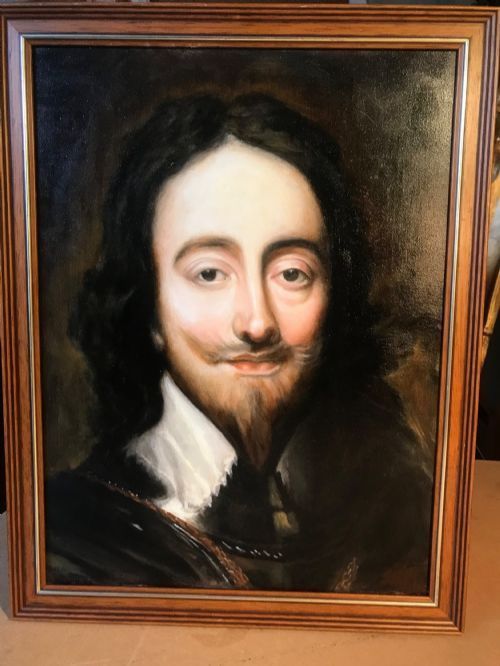
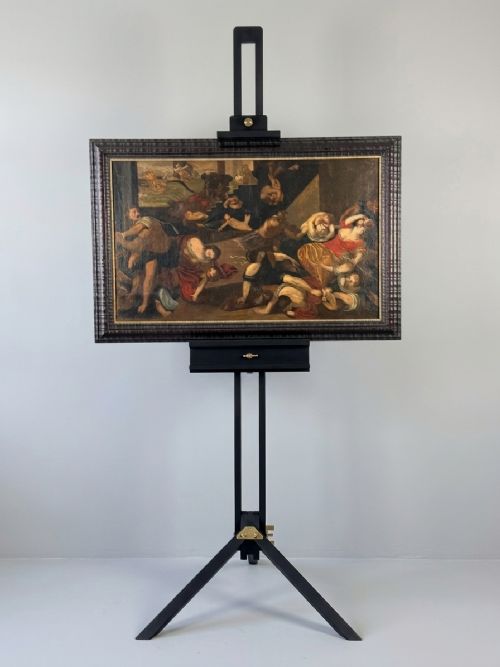
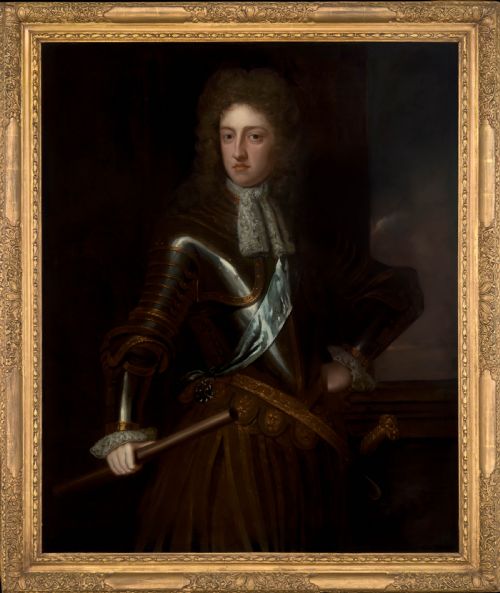
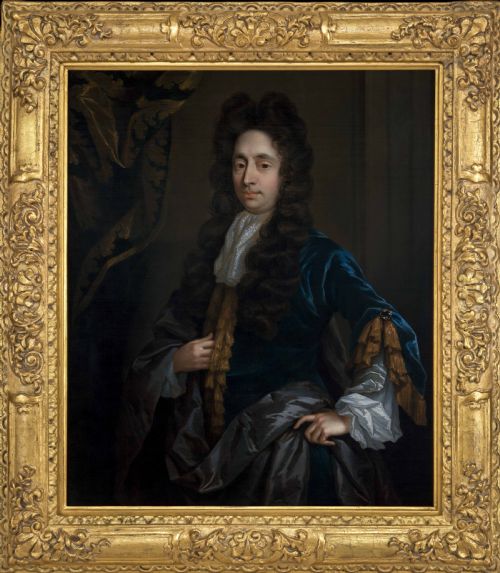
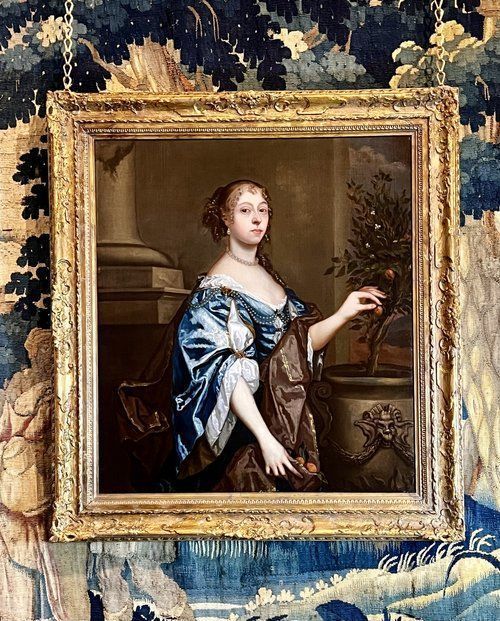
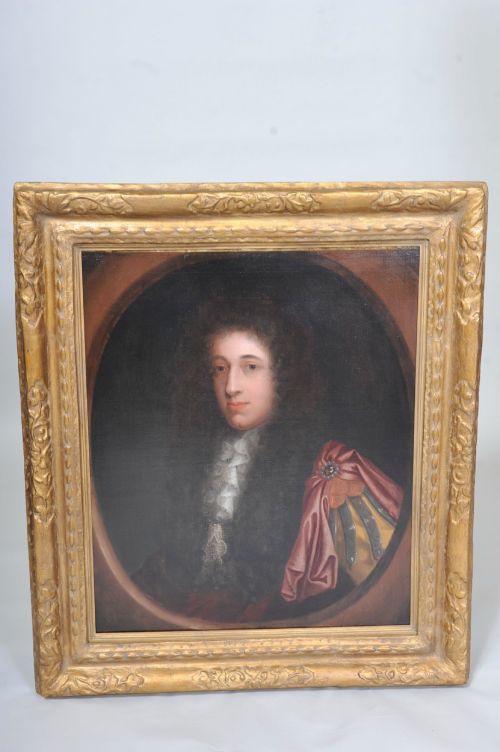
17th century artwork on this page primarily takes the form of oil paintings, portraits and prints executed during the Baroque period across English, Dutch, Flemish and Italian schools. Buyers encounter formal portraits of nobility, maritime scenes, landscapes and religious or classical compositions.
Pieces range from works by continental masters and their circles to examples produced by English and continental schools. These items reflect the shifting stylistic currents of the seventeenth century, from stiff Jacobean formality to fluid Baroque naturalism.
Materials and technique
Painters of this era typically applied oil paint onto stretched canvas or wooden panels, building rich tones through layered glazes. Canvas supports allowed for larger compositional scales, while panels provided a rigid ground favoured by early northern European masters.
Graphic works utilise printing techniques such as etching and mezzotint on paper to reproduce classical designs or portraits after prominent painters. Giltwood frames frequently accompany these pieces, providing period-appropriate presentation.
Pigments were sourced from minerals and organic materials, applied with varied brushwork that defined textures from lace and velvet to feathers and foliage.
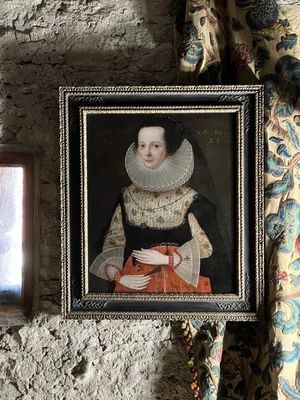
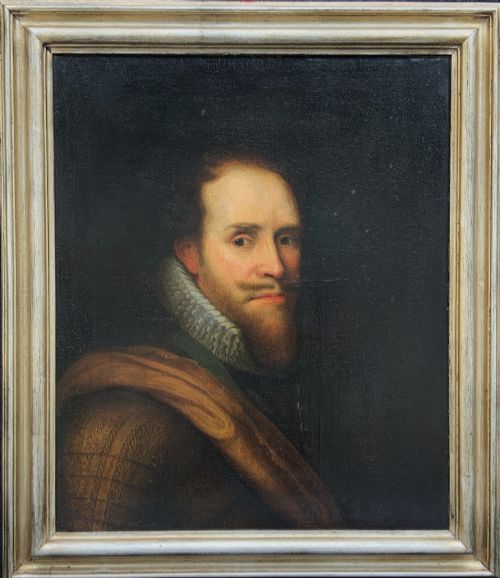
Several noble subjects gaze outward wearing lavish lace ruffs stiff enough to defy gravity itself.
Evaluating the pieces
Quality in these works rests upon the fidelity of the brushwork, the psychological depth of portrait sitters and the preservation of the original surface. Master paintings exhibit confident anatomical rendering and nuanced handling of light and shadow.
Works attributed to studio circles or regional schools show varying degrees of workshop participation and technical execution. The integration of the composition and the condition of the canvas or panel further distinguish exceptional examples from standard output.
Sir Peter Lely·Angelo Maria Crivelli·Sir Godfrey Kneller·Constantyn Netscher·Pieter Borseler·Mary Beale·François Perrier·Bonaventura Peeters·Robert Williams·John Michael Wright·John Smith·Johannes Lingelbach·Guillaume Courtois·Gaspar Peeter Verbruggen·David Teniers·Cornelius Johnson
The 17th Century Artwork Glossary
- Baroque
- A European artistic style originating in the early seventeenth century characterised by dramatic movement, deep shadow and grand scale. It replaced the stiffer conventions of the preceding era.
- Mezzotint
- A printmaking process of the intaglio family where the surface is roughened uniformly to produce tones of grey and black. It allowed for subtle gradations of light suited to portrait reproduction.
- Oil on panel
- A painting technique utilising wooden boards as a support rather than canvas. This method was widely used by early northern schools for stability and smooth texture.
- Circle of
- A designation indicating an artist worked in the studio or under the direct influence of a master. It denotes proximity to a prominent hand without direct attribution.
- Ruff
- A pleated starched collar worn by nobility and the upper classes during the late sixteenth and early seventeenth centuries. Its intricate folds serve as an indicator of period costume in portraits.
17th Century Artwork: Frequently Asked Questions
How do I identify a 17th century portrait?
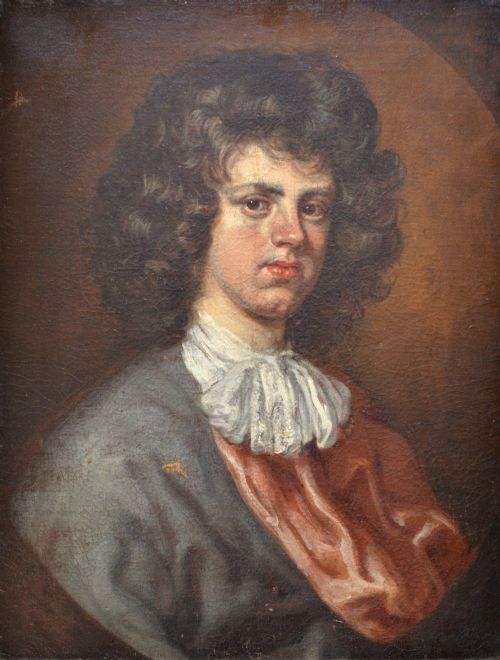
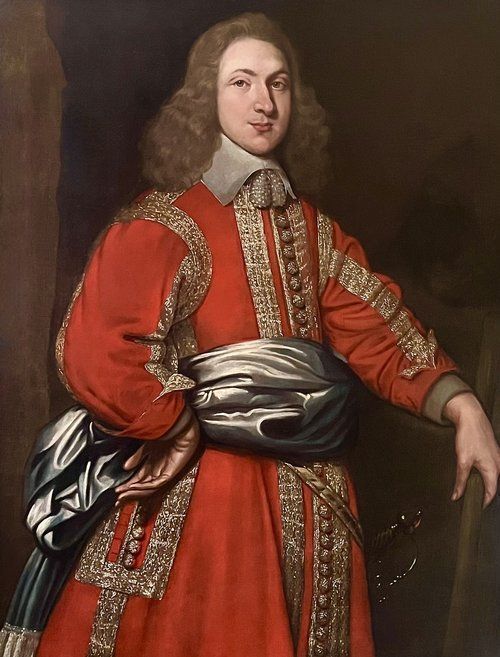
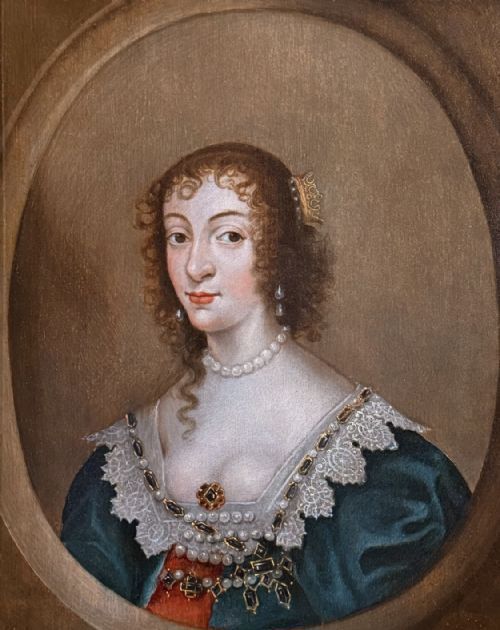
Portraits from this era are recognised by specific clothing styles such as lace ruffs, elaborate doublets and elaborate wigs or flowing hair. Artists utilised dramatic chiaroscuro lighting to isolate the sitter against dark backgrounds.
Signatures or dates are sometimes present, though many surviving works are attributed to specific schools or studio circles based on technique and costume.
What is the difference between canvas and panel paintings?
Panel paintings utilise prepared wooden boards which were common in early seventeenth-century northern European workshops. Canvas supports became increasingly dominant as compositions grew larger and transport easier.
Both supports require careful environmental controls to prevent warping in wood or slackening in canvas.
How should I care for antique oil paintings?
These works require stable indoor humidity and temperature to protect fragile wooden panels and aged oil paint. Direct sunlight should be avoided to prevent fading of pigments and degradation of the canvas.
Dusting should be performed gently with a soft dry brush by someone experienced in handling historic artwork.
What distinguishes studio work from a master piece?
Studio works were executed by assistants or followers within a prominent artist's workshop under general supervision. They exhibit competent technique but often lack the supreme psychological nuance found in primary works by the master.
Attributions such as circle of or school of help clarify this relationship in historical cataloguing.