69,619  PAGES BROWSED TODAY PAGES TODAY • 27 ANTIQUES UPLOADED TODAYNEW ARRIVALS
GIFTS
27 ITEMS ADDED TODAY
Sort Order
Items Per Page
Browse Categories
Sort order
Items per page
ID #SA663565
SOLD
Email Phone
Save
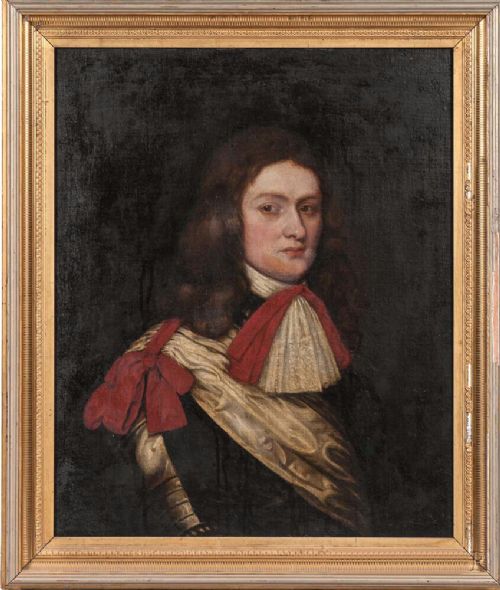
John Michael Wright, 1617 – 1694 Portrait of Colonel Archibald Campbell, 9th Earl of Argyll (1629-1685)
Sold by Artware Fineart
sold SA663565
Sorry, but this item has been sold.

Artware Fineart

Sellingantiques Verified Since Sep 2008
Browse dealers 243 items
Id #SA663565
PDF SHARE
SAVE

John Michael Wright, 1617 – 1694 Portrait of Colonel Archibald Campbell, 9th Earl of Argyll (1629-1685)

17th century
Sold 11 February 2020 · Artware Fineart
This “John Michael Wright, 1617 – 1694 Portrait of Colonel Archibald Campbell, 9th Earl of Argyll (1629-1685)” found a buyer.

It was listed by Artware Fineart. Sold pieces stay on Sellingantiques as a record of what has passed through, and the next one is rarely far away.

Description

John Michael Wright, 1617 – 1694

Portrait of Colonel Archibald Campbell, 9th Earl of Argyll (1629-1685)

oil on canvas

30 x 25in. (76 x 64 cm.)

Earl of Balcarres

Literature
Reproduced : In the frontispiece for the Earl's biography, "A Scots Earl in Covenanting Times", by John Wilcock and published in 1907.

Notes

The handwritten label states that the sitter was the husband of the countess of Balcarres (Lady Anna Mackenzie). A very similar if not identical portrait, attributed to an unknown artist, is listed as formerly in the collection of the Earl of Balcarres. With the label referencing the countess, it is possible that this portrait is one and the same.
Campbell, Archibald, ninth earl of Argyll (1629–1685), politician and clan leader, was born on 26 February 1629 at Newbattle Abbey, Edinburghshire, the son of Archibald Campbell, Lord Lorne and later eighth earl and marquess of Argyll (1605x7–1661), and his wife, Lady Margaret (1610–1678), daughter of William Douglas, earl of Morton (1582–1648). At the age of four he was, in accordance with Gaelic tradition, fostered with a kinsman, Sir Colin Campbell of Glenorchy, living mainly at Balloch, Perthshire. After his father had inherited the earldom in 1638 he was known by the courtesy title Lord Lorne, and he returned to his family at Inveraray Castle in 1639. He was sent to the University of Glasgow in 1642, but he did not graduate.

Being the son of the dominant figure in the covenanting regime which had seized power in Scotland through rebellion against Charles I, it was thought appropriate that when Lorne was sent abroad to continue his studies he, his friends, and followers should have the protection of letters of commendation from the Scottish parliament, and these were issued under the great seal in the king's name (January 1647). Lorne's travels in France and Italy lasted until late in 1649, and it was perhaps in this period that his royalist sympathies began to emerge. Some time after the execution of Charles I in January 1649 he wrote (presumably to someone accompanying the exiled Stuart court) expressing his dismay at Charles II's harsh opinions of Argyll. His father, he urged, was a loyal subject, and a well-wisher to the dynasty. But Lorne then proceeded to distance himself from his father and from events in Scotland by asserting that if his father was disloyal he would not support him. For two years he had heard so little from Scotland that he had seldom even heard of ‘the state of my parents health’ (Firth, Commonwealth, xlvii).

Lorne returned to Scotland in late 1649, and completion of his education was followed by marriage, on 13 May 1650, to Lady Mary, daughter of James Stuart, earl of Moray. He had been given a place in March on the committee of estates, which ruled Scotland in the name of the absentee Charles II, and after the king and covenanters reached agreement and Charles went to Scotland, Lorne was commissioned (6 August) by him to be captain of his foot life guard. As the king's guards were chosen for their dedication to the covenanting cause, Lorne's task was as much to supervise his movements and contacts with royalists as to protect him, and the story that Lorne refused to accept a commission from parliament and insisted on one from the king himself is dubious—parliament was not sitting at the time. How Lorne treated the king he was guarding depends on whether the much later account of a friend or an enemy is believed. The earl of Clarendon claimed Lorne ‘had so strict a care of him [the king] both night and day that he could not go any whither without his leave’ (Clarendon, Hist. rebellion, 5.149), and that he ‘had treated his majesty with that rudeness and barbarity, that he was much more odious to him than his father’ (E. Hyde, Life of Edward, Earl of Clarendon, 3 vols., 1827, 2.277). Gilbert Burnet said the opposite: L

Date of Manufacture

Artware Fineart has dated this piece to the 17th Century.

Physical Dimensions
Height
76cm (29.92")
Width
64cm (25.20")
Depth
2cm (0.79")
Reference Numbers
Sellingantiques Reference
SA663565
Dealers Internal Reference
3916
Description
John Michael Wright, 1617 – 1694

Portrait of Colonel Archibald Campbell, 9th Earl of Argyll (1629-1685)

oil on canvas

30 x 25in. (76 x 64 cm.)

Earl of Balcarres

Literature

“
Reproduced : In the frontispiece for the Earl's biography, "A Scots Earl in Covenanting Times", by John Wilcock and published in 1907.
Artware Fineart
fig 1. John Michael Wright, 1617 – 1694
Portrait of Colonel Archibald Campbell, 9th Earl of Argyll (1629-1685)
fig 1. John Michael Wright, 1617 – 1694 Portrait of Colonel Archibald Campbell, 9th Earl of Argyll (1629-1685)

Notes

The handwritten label states that the sitter was the husband of the countess of Balcarres (Lady Anna Mackenzie). A very similar if not identical portrait, attributed to an unknown artist, is listed as formerly in the collection of the Earl of Balcarres. With the label referencing the countess, it is possible that this portrait is one and the same.

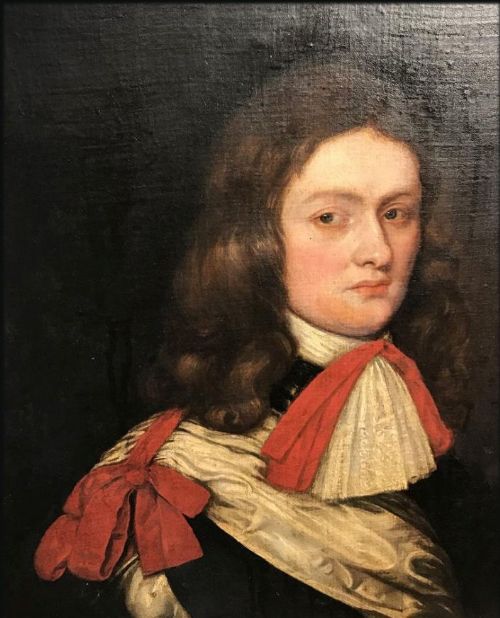
fig 2. John Michael Wright, 1617 – 1694
Portrait of Colonel Archibald Campbell, 9th Earl of Argyll (1629-1685)
fig 2. John Michael Wright, 1617 – 1694 Portrait of Colonel Archibald Campbell, 9th Earl of Argyll (1629-1685)

Campbell, Archibald, ninth earl of Argyll (1629–1685), politician and clan leader, was born on 26 February 1629 at Newbattle Abbey, Edinburghshire, the son of Archibald Campbell, Lord Lorne and later eighth earl and marquess of Argyll (1605x7–1661), and his wife, Lady Margaret (1610–1678), daughter of William Douglas, earl of Morton (1582–1648). At the age of four he was, in accordance with Gaelic tradition, fostered with a kinsman, Sir Colin Campbell of Glenorchy, living mainly at Balloch, Perthshire. After his father had inherited the earldom in 1638 he was known by the courtesy title Lord Lorne, and he returned to his family at Inveraray Castle in 1639. He was sent to the University of Glasgow in 1642, but he did not graduate.

Being the son of the dominant figure in the covenanting regime which had seized power in Scotland through rebellion against Charles I, it was thought appropriate that when Lorne was sent abroad to continue his studies he, his friends, and followers should have the protection of letters of commendation from the Scottish parliament, and these were issued under the great seal in the king's name (January 1647). Lorne's travels in France and Italy lasted until late in 1649, and it was perhaps in this period that his royalist sympathies began to emerge. Some time after the execution of Charles I in January 1649 he wrote (presumably to someone accompanying the exiled Stuart court) expressing his dismay at Charles II's harsh opinions of Argyll. His father, he urged, was a loyal subject, and a well-wisher to the dynasty. But Lorne then proceeded to distance himself from his father and from events in Scotland by asserting that if his father was disloyal he would not support him. For two years he had heard so little from Scotland that he had seldom even heard of ‘the state of my parents health’ (Firth, Commonwealth, xlvii).

Lorne returned to Scotland in late 1649, and completion of his education was followed by marriage, on 13 May 1650, to Lady Mary, daughter of James Stuart, earl of Moray. He had been given a place in March on the committee of estates, which ruled Scotland in the name of the absentee Charles II, and after the king and covenanters reached agreement and Charles went to Scotland, Lorne was commissioned (6 August) by him to be captain of his foot life guard. As the king's guards were chosen for their dedication to the covenanting cause, Lorne's task was as much to supervise his movements and contacts with royalists as to protect him, and the story that Lorne refused to accept a commission from parliament and insisted on one from the king himself is dubious—parliament was not sitting at the time. How Lorne treated the king he was guarding depends on whether the much later account of a friend or an enemy is believed. The earl of Clarendon claimed Lorne ‘had so strict a care of him [the king] both night and day that he could not go any whither without his leave’ (Clarendon, Hist. rebellion, 5.149), and that he ‘had treated his majesty with that rudeness and barbarity, that he was much more odious to him than his father’ (E. Hyde, Life of Edward, Earl of Clarendon, 3 vols., 1827, 2.277). Gilbert Burnet said the opposite: L

Date of Manufacture

Artware Fineart has dated this piece to the 17th Century.

Height
76cm (29.92")
Width
64cm (25.20")
Depth
2cm (0.79")
Reference Numbers
Sellingantiques Ref
SA663565
Dealers Internal Ref
3916
Artware Fineart
Sellingantiques verified Since Sep 2008
Dealer Profile

You can view the stock and full dealer information on the Artware Fineart Profile Page

PDF SHARE
SAVE
John Michael Wright, 1617 – 1694
Portrait of Colonel Archibald Campbell, 9th Earl of Argyll (1629-1685) SOLD6+ MONTHS AGO
1 / 3
Archive I John Michael Wright, 1617 – 1694
Portrait of Colonel Archibald Campbell, 9th Earl of Argyll (1629-1685) SOLD6+ MONTHS AGO

John Michael Wright, 1617 – 1694 Portrait of Colonel Archibald Campbell, 9th Earl of Argyll (1629-1685)

Archive II John Michael Wright, 1617 – 1694
Portrait of Colonel Archibald Campbell, 9th Earl of Argyll (1629-1685) View II
Archive III John Michael Wright, 1617 – 1694
Portrait of Colonel Archibald Campbell, 9th Earl of Argyll (1629-1685) View III
Enlarged Archival View
Telephone 07958 699 645
Location
18 La Gare
51 Surrey Row
London
SE1 0BZ
United Kingdom
Verified Since Sep 2008
Items For Sale 243
Items Sold 223
Artware Fineart
Verified Since Sep 2008
View Dealer Info
Location: 18 La Gare , 51 Surrey Row , London , SE1 0BZ , United Kingdom
Verified
Sep 2008
For Sale
243
Sold
223
John Michael Wright, 1617 – 1694
Portrait of Colonel Archibald Campbell, 9th Earl of Argyll (1629-1685)
John Michael Wright, 1617 – 1694 Portrait of Colonel Archibald Campbell, 9th Earl of Argyll (1629-1685)
Ref: SA663565
John Michael Wright, 1617 – 1694
Portrait of Colonel Archibald Campbell, 9th Earl of Argyll (1629-1685)
Detail View 1
Detail View 2
Archival Detail
Every single antique dealer on our platform is individually approved by our internal team. We verify their professional trade history, ethical standards, and photographic quality to ensure a secure, high-standard buying environment. Upon joining, every dealer agrees to a strict 9-point code of conduct. While issues can occasionally arise, our dealers typically resolve them swiftly and directly with the buyer. In fact, since our founding in 2002, Sellingantiques has only had to step in to help resolve an issue on roughly five occasions—a true testament to the quality of our dealers and their dedication to your happiness.
Our dealers are highly experienced in packing and shipping fragile, high-value antiques. Because you are in direct contact with the dealer, you will be able to easily go through all available shipping and insurance options together to ensure your item arrives safely.
Antiques are the ultimate green purchase. By choosing historical pieces over newly manufactured goods, you completely eliminate the carbon footprint of modern mass production while preserving exceptional, timeless craftsmanship.
Written by Sellingantiques from the dealer’s photographs and listing
  • Period17th century
  • SizeH 76 cm (30 in) x W 64 cm (25 in) x D 2 cm (1 in)
items
Add keywords to the filter
Price
£100
£250000
Era
Period
Style
Material
Origin
Stock Location
Recently Added
Online Payments
Categories