5,506  PAGES BROWSED TODAY PAGES TODAY • 0 ANTIQUES UPLOADED TODAYNEW ARRIVALS
GIFTS
LATEST STOCK
Sort Order
Items Per Page
Browse Categories
Sort order
Items per page
ID #SA599770
SOLD
Email Phone
Save
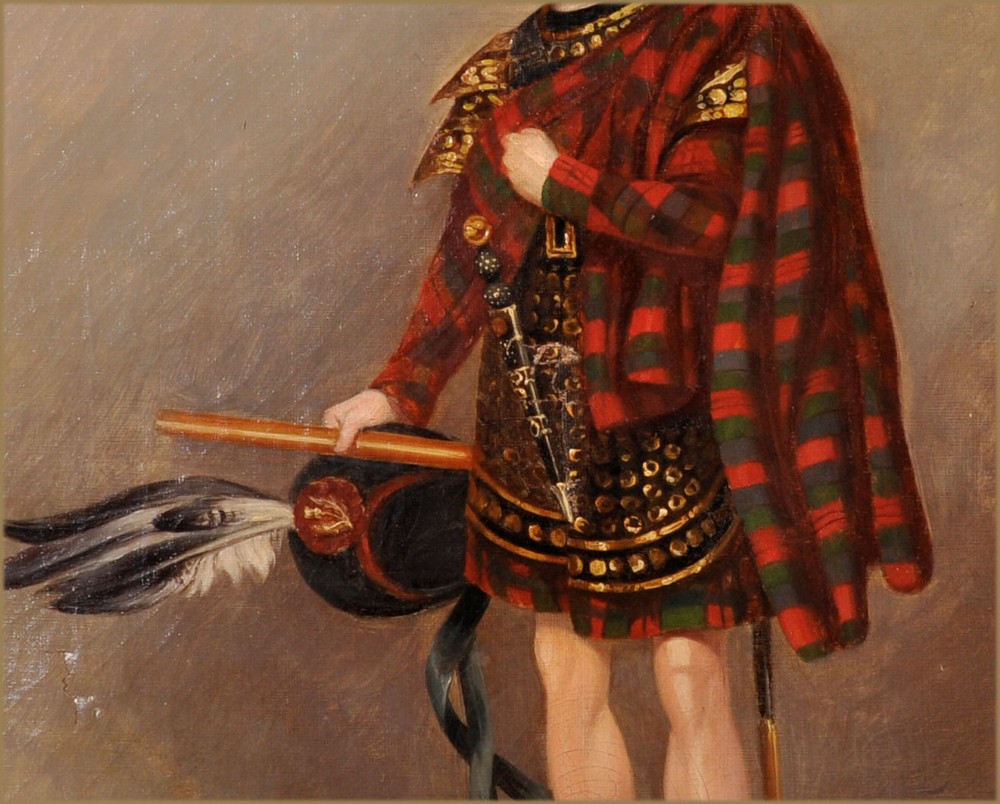
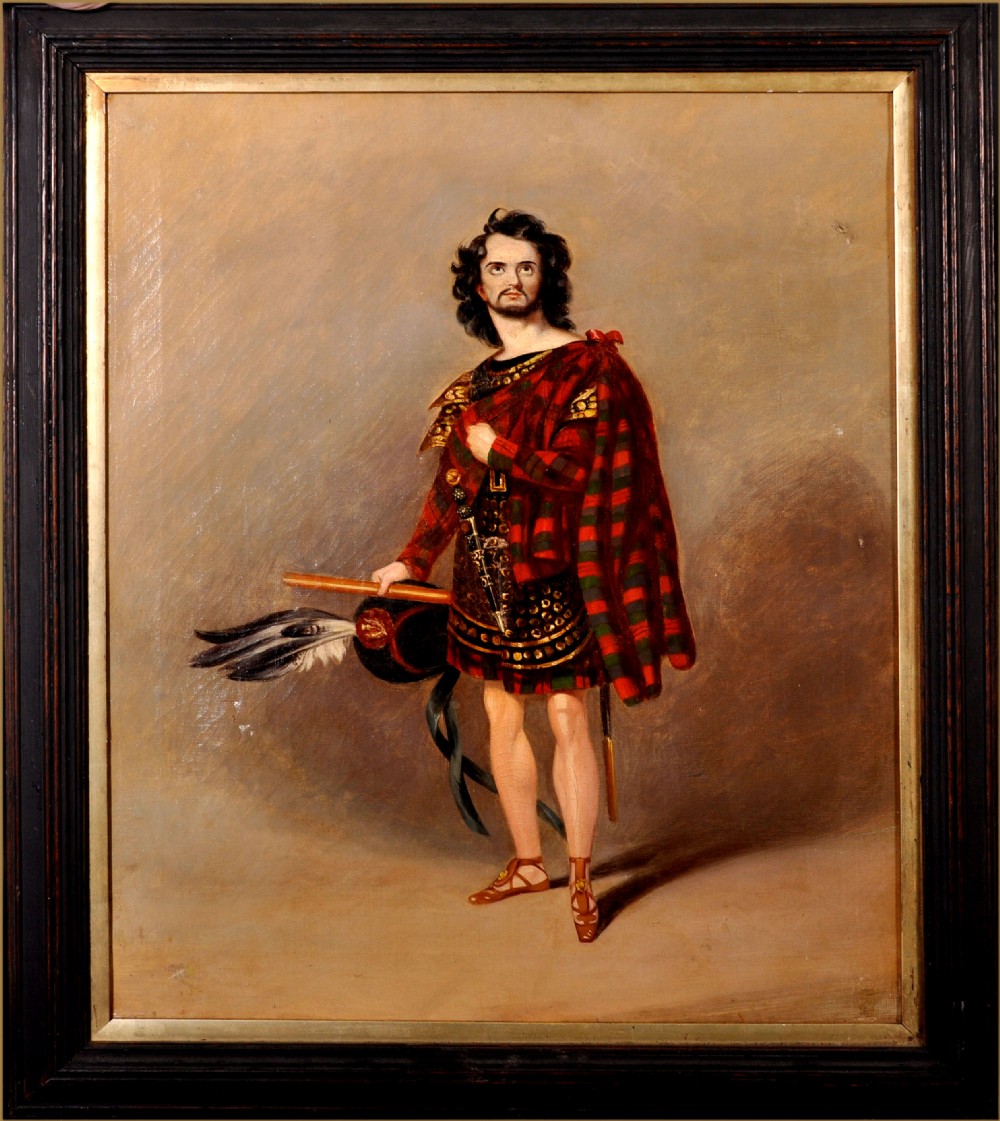
Thomas Charles Wageman, 1787-1863 Portrait of William Charles Macready, 1793–1873 , Actor and Theater Manager, as Macbeth
Sold by Artware Fineart
sold SA599770
Sorry, but this item has been sold.

Artware Fineart

Sellingantiques Verified Since Sep 2008
Browse dealers 243 items
Id #SA599770
PDF SHARE
SAVE

Thomas Charles Wageman, 1787-1863 Portrait of William Charles Macready, 1793–1873 , Actor and Theater Manager, as Macbeth

19th century
Sold 12 November 2020 · Artware Fineart
This “Thomas Charles Wageman, 1787-1863 Portrait of William Charles Macready, 1793–1873 , Actor and Theater Manager, as Macbeth ” found a buyer.

It was listed by Artware Fineart. Sold pieces stay on Sellingantiques as a record of what has passed through, and the next one is rarely far away.

Description

Thomas Charles Wageman, 1787-1863

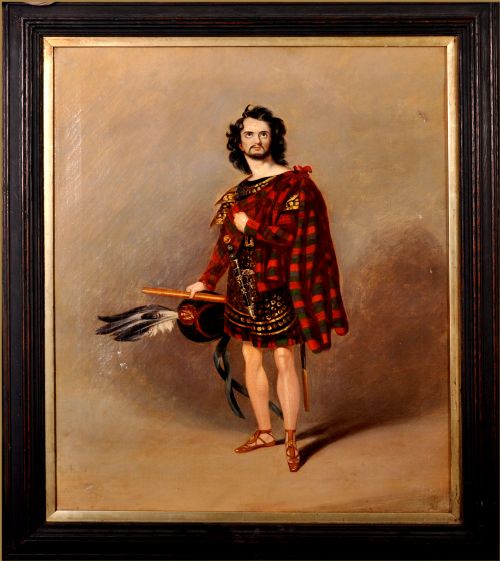
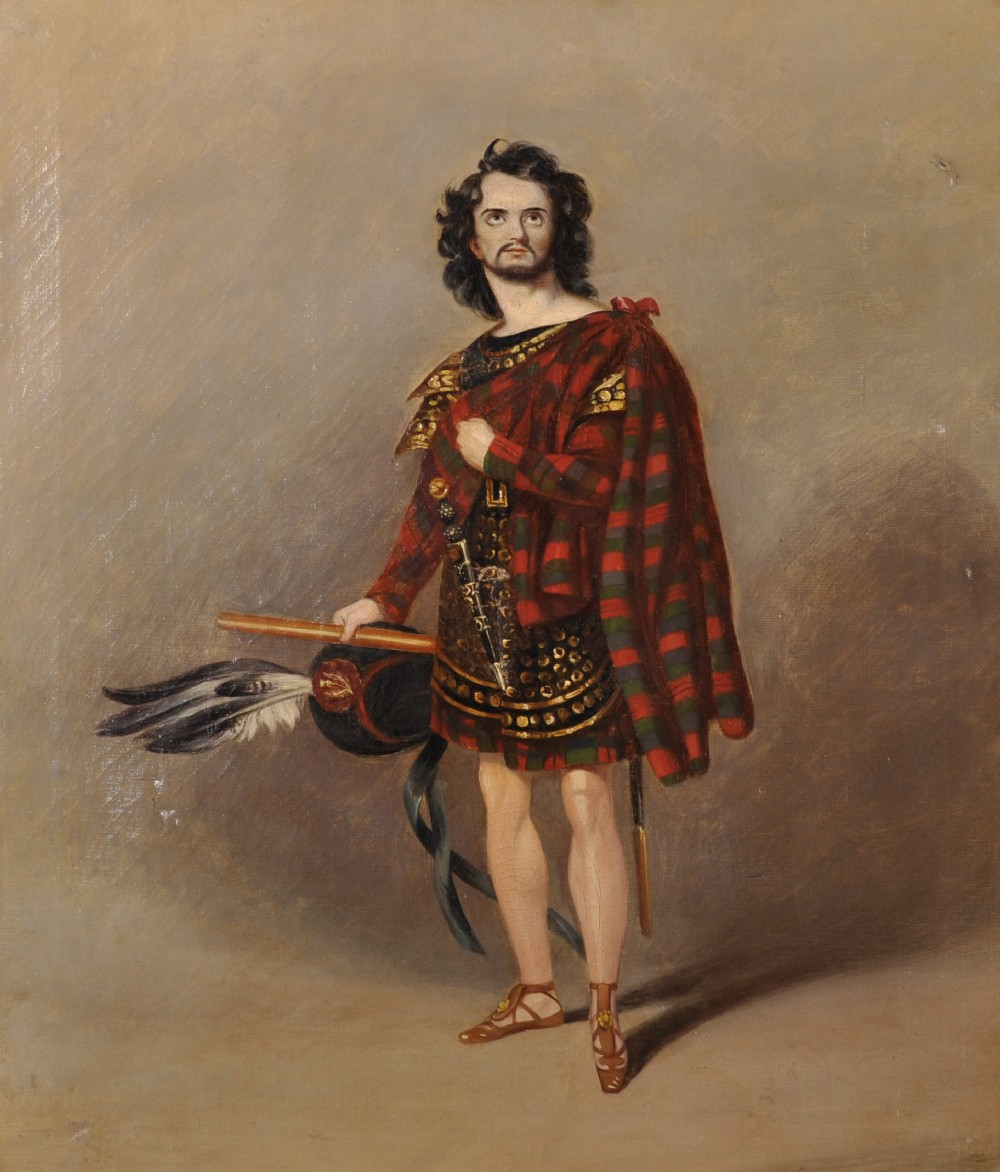
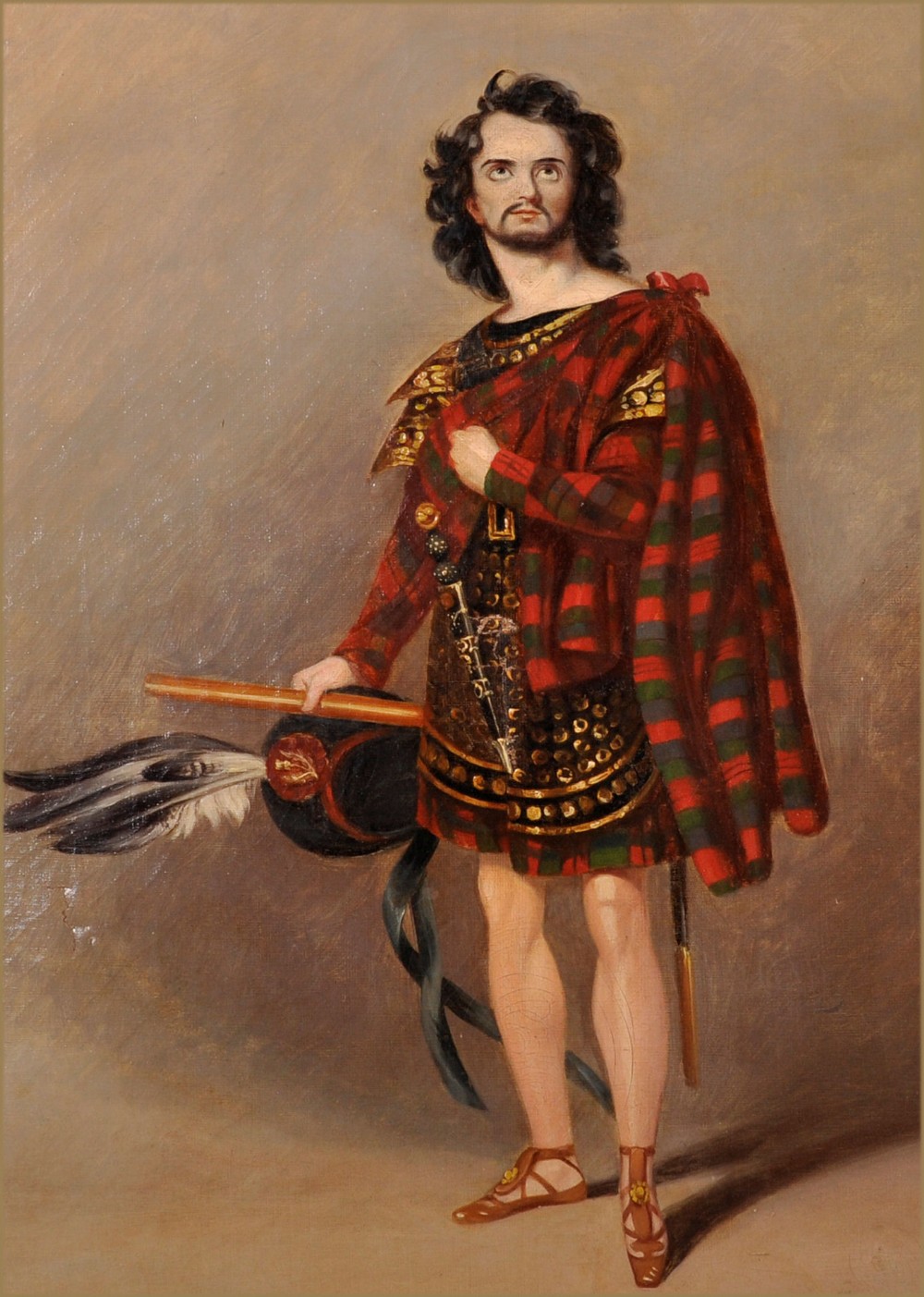
Portrait of William Charles Macready, 1793–1873 , actor and theater manager, As Macbeth

oil on canvas

61 x 51 cm. (24 x 20 in.)

Macready played 70 roles over his acting career, with the role of Macbeth being played on numerous occaisions, Macready made his début in 1820 as Macbeth, which was to become his favourite and most successful role. In 1849 the Astor Place Riot took place in front of what is today 21 Astor Place, then the site of the Astor Opera House. Also referred to as the Shakespeare Riots, this violent event was sparked by an intense rivalry between two well-known actors of the time, but was inflamed by brewing tensions between New York’s upper class and working class.
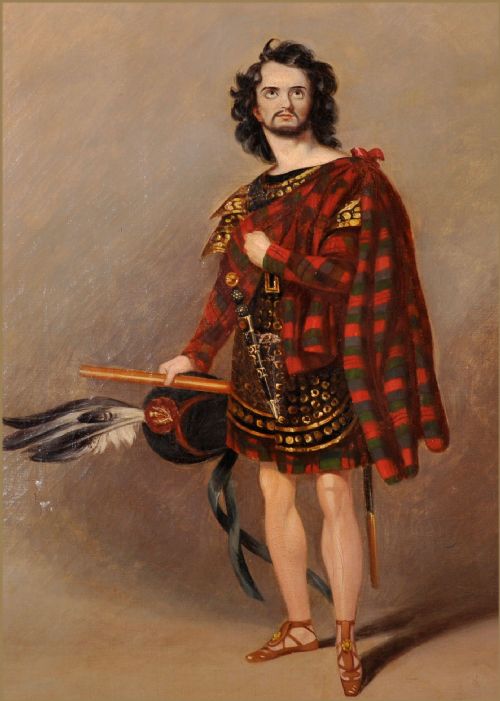
On May 7, 1849, three days before the Astor Place Riot, the well-known British actor William Charles Macready took the stage at the Astor Opera House for a production of Macbeth, with an audience consisting primarily of working-class New Yorkers. Hissing and jeers as well as an onslaught of rotten eggs, potatoes, lemons, apples and copper coins greeted the actor and stage company; the outrage escalated from there to one of the red plush chairs being thrown into the orchestra from the second tier. Macready left the theater part way through the production and out a back door. Outraged, he threatened to catch the next ship back to England. While such disturbances during theatrical performances were commonplace in New York (so much so that this incident was dismissed by The New York Herald), what ensued afterward was not.
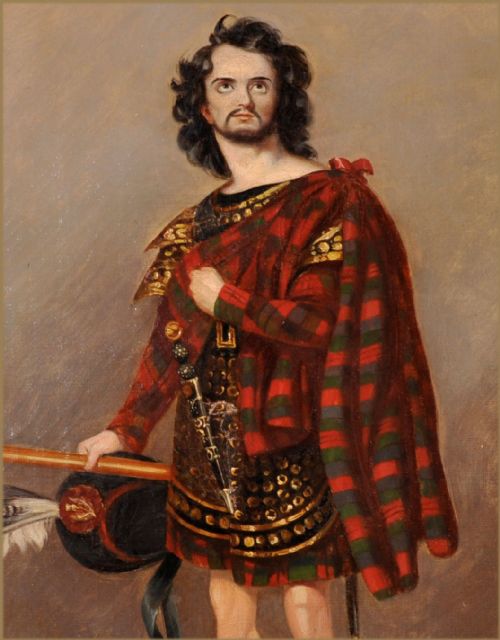
At the heart of this incident, and the riot to follow, were several factors. First was the rivalry between Macready and the American actor Edwin Forrest. While both were Shakespearean actors, their styles were quite different, and a feud between the two developed and escalated over the years. This conflict was eagerly followed by the press and the public alike (a 19th century version of The Real Housewives of sorts). In the popular imagination, this rivalry transcended acting and was reflective of the class divisions in urban America. Macready was identified with England and its aristocracy and thus embraced by the upper class of New York. Working-class native-born and Irish immigrant New Yorkers, usually at odds, found common ground in their appreciation of Edwin Forrest and disdain for the elite and Macready.
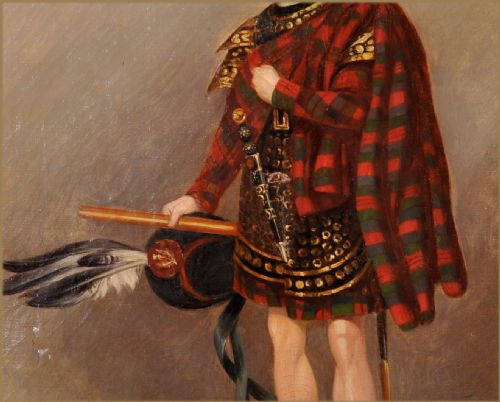
William Charles Macready as Macbeth

William Charles Macready as Macbeth

Edwin Forrest

Edwin Forrest

The two thoroughfares surrounding Astor Opera House — Broadway to the west and the Bowery to the east — also reflected this class division: the western one catering to the upper class, and the eastern one more recently catering to the working class or Boweryites. These avenues converged at Astor Place, and it was here that the exclusive Astor Opera House was constructed in 1847, intended for the well-heeled of New York. The Opera House required a dress code for its patrons, intended to discourage Boweryites from attending.
So while the Herald dismissed the event of May 7th, New York’s upper class did not. They took it as an affront by the working class which would not be tolerated. In a joint letter, some 47 of New York’s most prominent citizens, including Herman Melville and Washington Irving, wrote a letter to Macready urging him to return and perform Macbeth on May 10th with the promise of order and protection. Additionally, they had this letter published in the newspapers as further challenge to the Boweryites. Macready accepted the offer, and this group went to the newly elected Mayor Caleb S. Woodhull insisting on police presence for his upcoming performance at the Astor Opera House. The NYC police chief informed the Mayor that the City lacked the force to subdue a serious riot. Fearing chaos on only his second day in office, Mayor Woodhu

Date of Manufacture

Artware Fineart has dated this piece to the 19th Century.

Physical Dimensions
Height
61cm (24.02")
Width
51cm (20.08")
Depth
1.5cm (0.59")
Reference Numbers
Sellingantiques Reference
SA599770
Dealers Internal Reference
4036
Description
Thomas Charles Wageman, 1787-1863

Portrait of William Charles Macready, 1793–1873 , actor and theater manager, As Macbeth

oil on canvas

61 x 51 cm. (24 x 20 in.)

Macready played 70 roles over his acting career, with the role of Macbeth being played on numerous occaisions, Macready made his début in 1820 as Macbeth, which was to become his favourite and most successful role.

“
In 1849 the Astor Place Riot took place in front of what is today 21 Astor Place, then the site of the Astor Opera House.
Artware Fineart

Also referred to as the Shakespeare Riots, this violent event was sparked by an intense rivalry between two well-known actors of the time, but was inflamed by brewing tensions between New York’s upper class and working class.

fig 1. Thomas Charles Wageman, 1787-1863
Portrait of William Charles Macready, 1793–1873 , actor and theater manager, As Macbeth
fig 1. Thomas Charles Wageman, 1787-1863 Portrait of William Charles Macready, 1793–1873 , Actor and Theater Manager, as Macbeth

On May 7, 1849, three days before the Astor Place Riot, the well-known British actor William Charles Macready took the stage at the Astor Opera House for a production of Macbeth, with an audience consisting primarily of working-class New Yorkers. Hissing and jeers as well as an onslaught of rotten eggs, potatoes, lemons, apples and copper coins greeted the actor and stage company; the outrage escalated from there to one of the red plush chairs being thrown into the orchestra from the second tier. Macready left the theater part way through the production and out a back door. Outraged, he threatened to catch the next ship back to England. While such disturbances during theatrical performances were commonplace in New York (so much so that this incident was dismissed by The New York Herald), what ensued afterward was not.

fig 2. Thomas Charles Wageman, 1787-1863
Portrait of William Charles Macready, 1793–1873 , actor and theater manager, As Macbeth
fig 2. Thomas Charles Wageman, 1787-1863 Portrait of William Charles Macready, 1793–1873 , Actor and Theater Manager, as Macbeth

At the heart of this incident, and the riot to follow, were several factors. First was the rivalry between Macready and the American actor Edwin Forrest. While both were Shakespearean actors, their styles were quite different, and a feud between the two developed and escalated over the years. This conflict was eagerly followed by the press and the public alike (a 19th century version of The Real Housewives of sorts). In the popular imagination, this rivalry transcended acting and was reflective of the class divisions in urban America. Macready was identified with England and its aristocracy and thus embraced by the upper class of New York. Working-class native-born and Irish immigrant New Yorkers, usually at odds, found common ground in their appreciation of Edwin Forrest and disdain for the elite and Macready.

fig 3. Thomas Charles Wageman, 1787-1863
Portrait of William Charles Macready, 1793–1873 , actor and theater manager, As Macbeth
fig 3. Thomas Charles Wageman, 1787-1863 Portrait of William Charles Macready, 1793–1873 , Actor and Theater Manager, as Macbeth

William Charles Macready as Macbeth

William Charles Macready as Macbeth

Edwin Forrest

Edwin Forrest

The two thoroughfares surrounding Astor Opera House — Broadway to the west and the Bowery to the east — also reflected this class division: the western one catering to the upper class, and the eastern one more recently catering to the working class or Boweryites. These avenues converged at Astor Place, and it was here that the exclusive Astor Opera House was constructed in 1847, intended for the well-heeled of New York. The Opera House required a dress code for its patrons, intended to discourage Boweryites from attending.

fig 4. Thomas Charles Wageman, 1787-1863
Portrait of William Charles Macready, 1793–1873 , actor and theater manager, As Macbeth
fig 4. Thomas Charles Wageman, 1787-1863 Portrait of William Charles Macready, 1793–1873 , Actor and Theater Manager, as Macbeth

So while the Herald dismissed the event of May 7th, New York’s upper class did not. They took it as an affront by the working class which would not be tolerated. In a joint letter, some 47 of New York’s most prominent citizens, including Herman Melville and Washington Irving, wrote a letter to Macready urging him to return and perform Macbeth on May 10th with the promise of order and protection. Additionally, they had this letter published in the newspapers as further challenge to the Boweryites. Macready accepted the offer, and this group went to the newly elected Mayor Caleb S. Woodhull insisting on police presence for his upcoming performance at the Astor Opera House. The NYC police chief informed the Mayor that the City lacked the force to subdue a serious riot. Fearing chaos on only his second day in office, Mayor Woodhu

Date of Manufacture

Artware Fineart has dated this piece to the 19th Century.

Height
61cm (24.02")
Width
51cm (20.08")
Depth
1.5cm (0.59")
Reference Numbers
Sellingantiques Ref
SA599770
Dealers Internal Ref
4036
Artware Fineart
Sellingantiques verified Since Sep 2008
Dealer Profile

You can view the stock and full dealer information on the Artware Fineart Profile Page
PDF SHARE
SAVE
Thomas Charles Wageman, 1787-1863
Portrait of William Charles Macready, 1793–1873 , actor and theater manager, As Macbeth
SOLD6+ MONTHS AGO
1 / 6
Archive I Thomas Charles Wageman, 1787-1863
Portrait of William Charles Macready, 1793–1873 , actor and theater manager, As Macbeth
SOLD6+ MONTHS AGO

Thomas Charles Wageman, 1787-1863 Portrait of William Charles Macready, 1793–1873 , Actor and Theater Manager, as Macbeth
Archive II Thomas Charles Wageman, 1787-1863
Portrait of William Charles Macready, 1793–1873 , actor and theater manager, As Macbeth
 View II
Archive III Thomas Charles Wageman, 1787-1863
Portrait of William Charles Macready, 1793–1873 , actor and theater manager, As Macbeth
 View III
Archive IV Thomas Charles Wageman, 1787-1863
Portrait of William Charles Macready, 1793–1873 , actor and theater manager, As Macbeth
 View IV
Archive V Thomas Charles Wageman, 1787-1863
Portrait of William Charles Macready, 1793–1873 , actor and theater manager, As Macbeth
 View V
Archive VI Thomas Charles Wageman, 1787-1863
Portrait of William Charles Macready, 1793–1873 , actor and theater manager, As Macbeth
 View VI
Enlarged Archival View
Telephone 07958 699 645
Location
18 La Gare
51 Surrey Row
London
SE1 0BZ
United Kingdom
Verified Since Sep 2008
Items For Sale 243
Items Sold 223
Artware Fineart
Verified Since Sep 2008
View Dealer Info
Location: 18 La Gare , 51 Surrey Row , London , SE1 0BZ , United Kingdom
Verified
Sep 2008
For Sale
243
Sold
223
Thomas Charles Wageman, 1787-1863
Portrait of William Charles Macready, 1793–1873 , actor and theater manager, As Macbeth
Thomas Charles Wageman, 1787-1863 Portrait of William Charles Macready, 1793–1873 , actor and theater manager, As Macbeth
Ref: SA599770
Thomas Charles Wageman, 1787-1863
Portrait of William Charles Macready, 1793–1873 , actor and theater manager, As Macbeth
Detail View 1
Detail View 2
Detail View 3
Detail View 4
Detail View 5
Archival Detail
Every single antique dealer on our platform is individually approved by our internal team. We verify their professional trade history, ethical standards, and photographic quality to ensure a secure, high-standard buying environment. Upon joining, every dealer agrees to a strict 9-point code of conduct. While issues can occasionally arise, our dealers typically resolve them swiftly and directly with the buyer. In fact, since our founding in 2002, Sellingantiques has only had to step in to help resolve an issue on roughly five occasions—a true testament to the quality of our dealers and their dedication to your happiness.
Our dealers are highly experienced in packing and shipping fragile, high-value antiques. Because you are in direct contact with the dealer, you will be able to easily go through all available shipping and insurance options together to ensure your item arrives safely.
Antiques are the ultimate green purchase. By choosing historical pieces over newly manufactured goods, you completely eliminate the carbon footprint of modern mass production while preserving exceptional, timeless craftsmanship.
Written by Sellingantiques from the dealer’s photographs and listing
  • Period19th century
  • SizeH 61 cm (24 in) x W 51 cm (20 in) x D 1.5 cm (1 in)
items
Add keywords to the filter
Price
£100
£250000
Era
Period
Style
Material
Origin
Stock Location
Recently Added
Online Payments
Categories