5,506  PAGES BROWSED TODAY PAGES TODAY • 0 ANTIQUES UPLOADED TODAYNEW ARRIVALS
GIFTS
LATEST STOCK
Sort Order
Items Per Page
Browse Categories
Sort order
Items per page
ID #SA575180
SOLD
Email Phone
Save
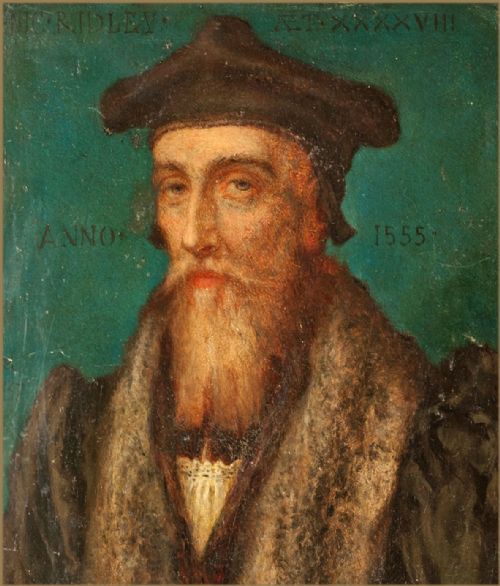
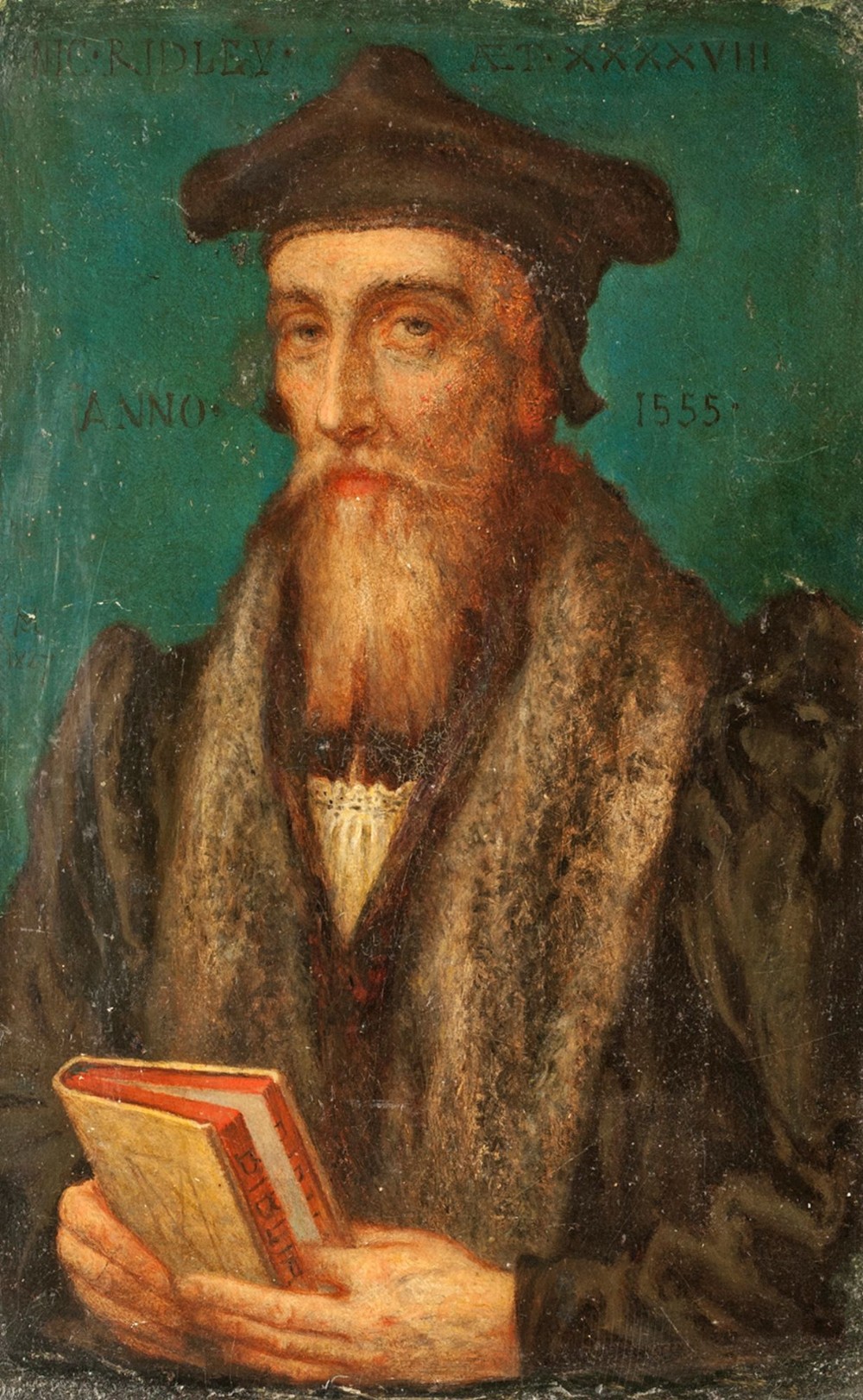
English School 19th, Century portrait of Nicholas Ridley, Bishop of London (1500-1555)
Sold by Artware Fineart
sold SA575180
Sorry, but this item has been sold.

Artware Fineart

Sellingantiques Verified Since Sep 2008
Browse dealers 243 items
Id #SA575180
PDF SHARE
SAVE

English School 19th, Century portrait of Nicholas Ridley, Bishop of London (1500-1555)

19th century
Sold 7 January 2019 · Artware Fineart
This “English School 19th, Century portrait of Nicholas Ridley, Bishop of London (1500-1555)” found a buyer.

It was listed by Artware Fineart. Sold pieces stay on Sellingantiques as a record of what has passed through, and the next one is rarely far away.

Description

English School 19th, Century

Portrait of Nicholas Ridley, Bishop of London (1500-1555)

oil on panel

33.50 x 22 cm (13.1/4 x 8.3/4 in.)

Ridley, Nicholas (c. 1502–1555), bishop of London and protestant martyr, was born only a short distance away from Hadrian's Wall, near Willimontswick, to a Northumberland gentry family whose members were prominent in the life of the church, both before and during the Reformation. His father was Christopher Ridley of Unthank Hall; his mother is said to have been Anne Blenkinsop. Cuthbert Tunstall, bishop of London and later bishop of Durham, was a relative.
Education and evangelical conversion

Much of Nicholas Ridley's early life and career were shaped by Cambridge University—'my loving mother and tender nurse' (Last farewell, 91–2)—and his father's brother Robert Ridley. Robert was Tunstall's secretary and a friend of Erasmus, but in his thinking (in keeping with the English style of humanism), classical and biblical studies were blended with medieval scholasticism. Terence professor in the faculty of arts in the first decade of the century, he was a considerable figure in the university and in the church at large, holding numerous livings in and near London and also a prebend in St Paul's. In some respects an ambivalent figure, he made strenuous efforts to combat heresy, but nevertheless encouraged the setting up of the university's first press. He was an important influence on Thomas Cranmer, and defrayed his nephew Nicholas'searly expenses at Cambridge. Until his death, most likely in 1536, Robert Ridleyprobably loomed large in Nicholas's life.
After attending school at Newcastle upon Tyne, about 1518, in his middle to late teens, the young Nicholas Ridley entered Pembroke College, which he found to be 'studious, well learned, and a great setter forth of Christ's Gospel'. At the end of his life he remembered how, within the walls of its orchard, he had learned by heart the greater part of the epistles of St Paul, as well as much of the rest of the New Testament (Last farewell, 92). His own zeal for learning was well rewarded. He received from the university every promotion that could be bestowed: including all of his degrees (BA, 1522; MA, 1525; BTh, 1537; DTh, 1541); a fellowship at Pembroke from 1524; a chaplaincy to the university in 1531; and a university professorship in Greek (from 1535 to 1537–8). Ultimately he became master of Pembroke (1540), a distinction he retained until his disgrace. He is also reported to have studied at Paris and Louvain.

With his many talents and superb connections, from the late 1530s Ridley began to receive ever more exalted attention from outside the university. In 1537 Archbishop Cranmer called him from Cambridge to be one of his chaplains, and also gave him his first cure, on 30 April 1538, by making him vicar of the 'worshipful and wealthy' parish of Herne in Kent (Last farewell, 92). As with Thomas Cranmer and Hugh Latimer, Ridley's re-evaluation of Christian doctrine proceeded gradually. Initially the reformers stressed the great Pauline aspiration of 'preaching Christ', and they strove to disseminate the word of God through sermons and the printing press with the aim of bringing about a deep spiritual renewal throughout society. The distracting practices that the reformers felt had grown up in the Roman church in the post-apostolic centuries had to be identified and removed through self-referencing new interpretations of scripture, against which all doctrine and practices had to be judged. Much of the received wisdom of the Catholic church (including the sacraments) had to be re-examined, and where necessary cast aside. At this early period Ridley's views concerning the eucharist were conventional (by his own later admission), though his sermons had been strongly evangelical for some time. At Herne he encouraged the s

Date of Manufacture

Artware Fineart has dated this piece to the 19th Century.

Physical Dimensions
Height
34cm (13.39")
Width
22cm (8.66")
Depth
0.5cm (0.20")
Reference Numbers
Sellingantiques Reference
SA575180
Dealers Internal Reference
4010
Description
English School 19th, Century

Portrait of Nicholas Ridley, Bishop of London (1500-1555)

oil on panel

33.50 x 22 cm (13.1/4 x 8.3/4 in.)

Ridley, Nicholas (c. 1502–1555), bishop of London and protestant martyr, was born only a short distance away from Hadrian's Wall, near Willimontswick, to a Northumberland gentry family whose members were prominent in the life of the church, both before and during the Reformation. His father was Christopher Ridley of Unthank Hall; his mother is said to have been Anne Blenkinsop. Cuthbert Tunstall, bishop of London and later bishop of Durham, was a relative.

fig 1. English School 19th, Century
Portrait of Nicholas Ridley, Bishop of London (1500-1555)
fig 1. English School 19th, Century portrait of Nicholas Ridley, Bishop of London (1500-1555)

Education and evangelical conversion

“
Much of Nicholas Ridley's early life and career were shaped by Cambridge University—'my loving mother and tender nurse' (Last farewell, 91–2)—and his father's brother Robert Ridley.
Artware Fineart

Robert was Tunstall's secretary and a friend of Erasmus, but in his thinking (in keeping with the English style of humanism), classical and biblical studies were blended with medieval scholasticism. Terence professor in the faculty of arts in the first decade of the century, he was a considerable figure in the university and in the church at large, holding numerous livings in and near London and also a prebend in St Paul's. In some respects an ambivalent figure, he made strenuous efforts to combat heresy, but nevertheless encouraged the setting up of the university's first press. He was an important influence on Thomas Cranmer, and defrayed his nephew Nicholas'searly expenses at Cambridge. Until his death, most likely in 1536, Robert Ridleyprobably loomed large in Nicholas's life.

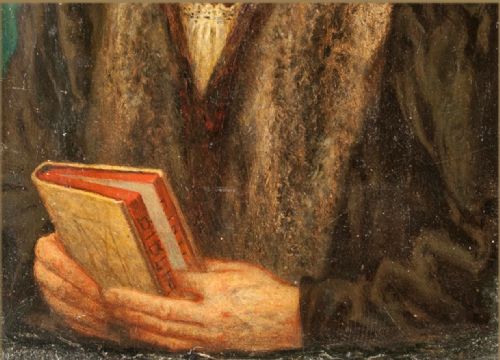
fig 2. English School 19th, Century
Portrait of Nicholas Ridley, Bishop of London (1500-1555)
fig 2. English School 19th, Century portrait of Nicholas Ridley, Bishop of London (1500-1555)

After attending school at Newcastle upon Tyne, about 1518, in his middle to late teens, the young Nicholas Ridley entered Pembroke College, which he found to be 'studious, well learned, and a great setter forth of Christ's Gospel'. At the end of his life he remembered how, within the walls of its orchard, he had learned by heart the greater part of the epistles of St Paul, as well as much of the rest of the New Testament (Last farewell, 92). His own zeal for learning was well rewarded. He received from the university every promotion that could be bestowed: including all of his degrees (BA, 1522; MA, 1525; BTh, 1537; DTh, 1541); a fellowship at Pembroke from 1524; a chaplaincy to the university in 1531; and a university professorship in Greek (from 1535 to 1537–8). Ultimately he became master of Pembroke (1540), a distinction he retained until his disgrace. He is also reported to have studied at Paris and Louvain.

With his many talents and superb connections, from the late 1530s Ridley began to receive ever more exalted attention from outside the university. In 1537 Archbishop Cranmer called him from Cambridge to be one of his chaplains, and also gave him his first cure, on 30 April 1538, by making him vicar of the 'worshipful and wealthy' parish of Herne in Kent (Last farewell, 92). As with Thomas Cranmer and Hugh Latimer, Ridley's re-evaluation of Christian doctrine proceeded gradually. Initially the reformers stressed the great Pauline aspiration of 'preaching Christ', and they strove to disseminate the word of God through sermons and the printing press with the aim of bringing about a deep spiritual renewal throughout society. The distracting practices that the reformers felt had grown up in the Roman church in the post-apostolic centuries had to be identified and removed through self-referencing new interpretations of scripture, against which all doctrine and practices had to be judged. Much of the received wisdom of the Catholic church (including the sacraments) had to be re-examined, and where necessary cast aside. At this early period Ridley's views concerning the eucharist were conventional (by his own later admission), though his sermons had been strongly evangelical for some time. At Herne he encouraged the s

Date of Manufacture

Artware Fineart has dated this piece to the 19th Century.

Height
34cm (13.39")
Width
22cm (8.66")
Depth
0.5cm (0.20")
Reference Numbers
Sellingantiques Ref
SA575180
Dealers Internal Ref
4010
Artware Fineart
Sellingantiques verified Since Sep 2008
Dealer Profile

You can view the stock and full dealer information on the Artware Fineart Profile Page
PDF SHARE
SAVE
English School 19th, Century
Portrait of Nicholas Ridley, Bishop of London (1500-1555) SOLD6+ MONTHS AGO
1 / 3
Archive I English School 19th, Century
Portrait of Nicholas Ridley, Bishop of London (1500-1555) SOLD6+ MONTHS AGO
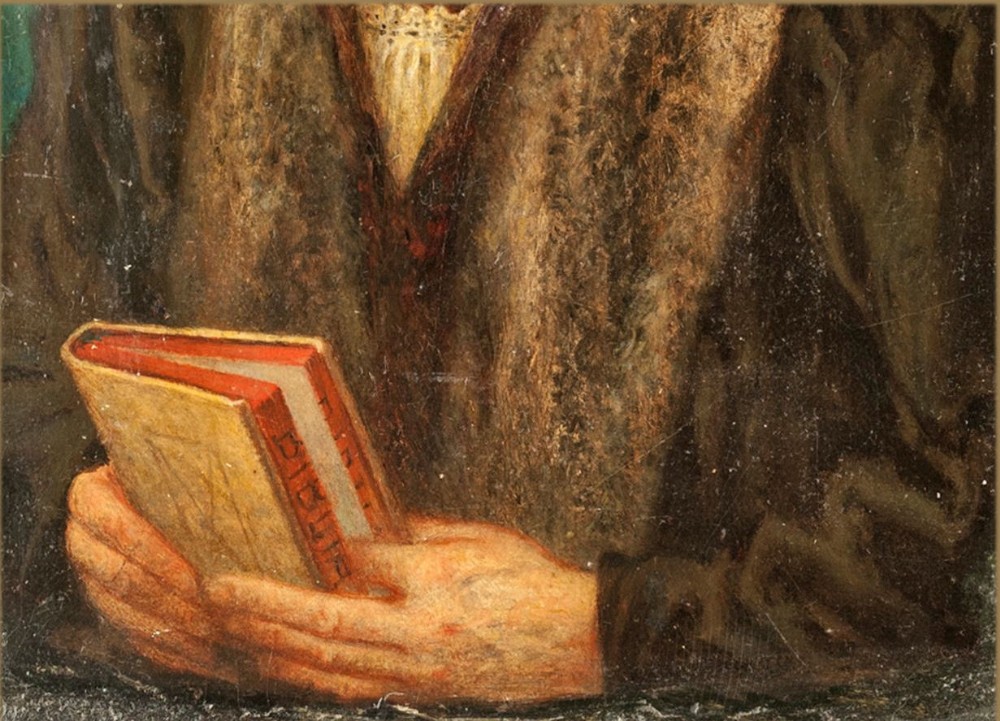
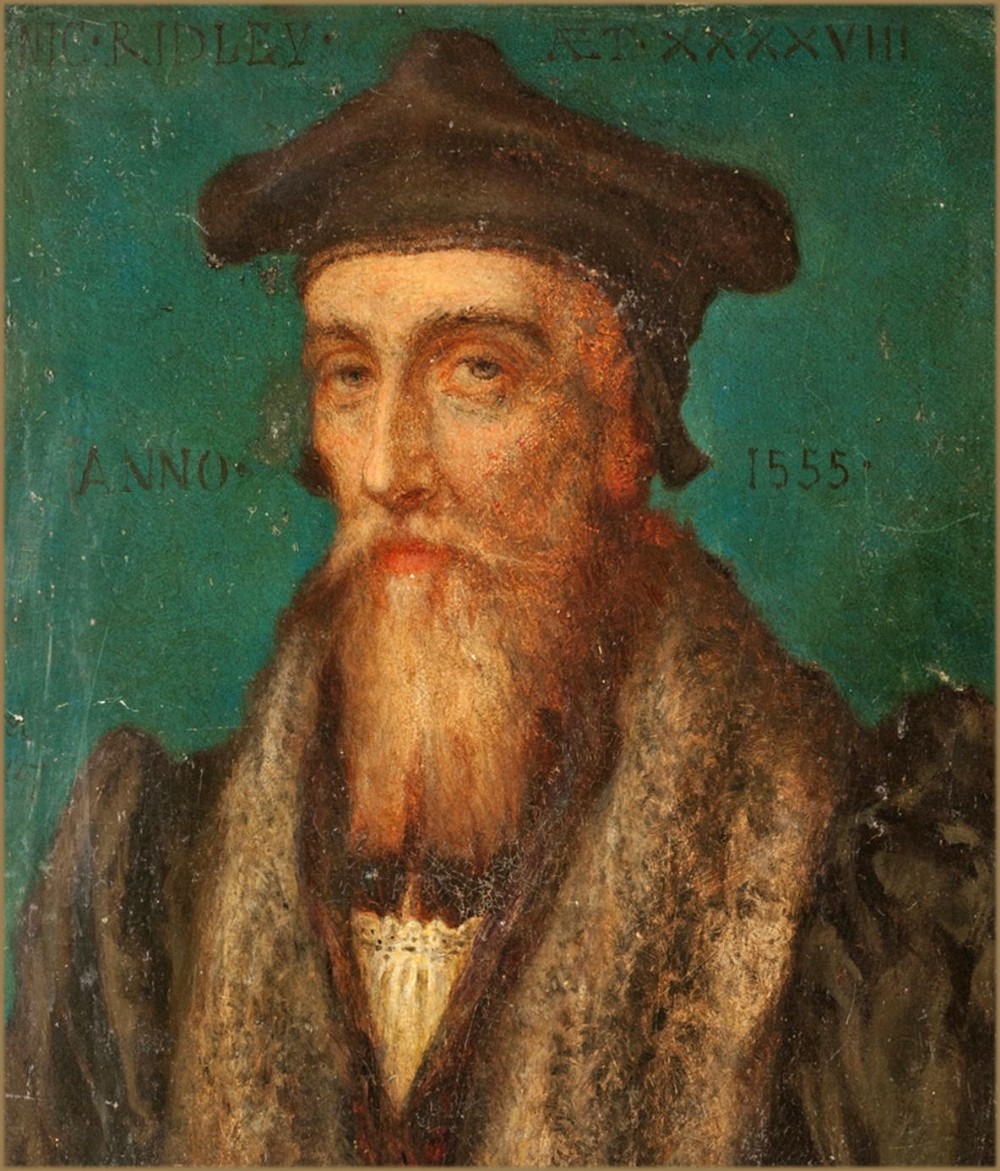
English School 19th, Century portrait of Nicholas Ridley, Bishop of London (1500-1555)

Archive II English School 19th, Century
Portrait of Nicholas Ridley, Bishop of London (1500-1555) View II
Archive III English School 19th, Century
Portrait of Nicholas Ridley, Bishop of London (1500-1555) View III
Enlarged Archival View
Telephone 07958 699 645
Location
18 La Gare
51 Surrey Row
London
SE1 0BZ
United Kingdom
Verified Since Sep 2008
Items For Sale 243
Items Sold 223
Artware Fineart
Verified Since Sep 2008
View Dealer Info
Location: 18 La Gare , 51 Surrey Row , London , SE1 0BZ , United Kingdom
Verified
Sep 2008
For Sale
243
Sold
223
English School 19th, Century
Portrait of Nicholas Ridley, Bishop of London (1500-1555)
English School 19th, Century Portrait of Nicholas Ridley, Bishop of London (1500-1555)
Ref: SA575180
English School 19th, Century
Portrait of Nicholas Ridley, Bishop of London (1500-1555)
Detail View 1
Detail View 2
Archival Detail
Every single antique dealer on our platform is individually approved by our internal team. We verify their professional trade history, ethical standards, and photographic quality to ensure a secure, high-standard buying environment. Upon joining, every dealer agrees to a strict 9-point code of conduct. While issues can occasionally arise, our dealers typically resolve them swiftly and directly with the buyer. In fact, since our founding in 2002, Sellingantiques has only had to step in to help resolve an issue on roughly five occasions—a true testament to the quality of our dealers and their dedication to your happiness.
Our dealers are highly experienced in packing and shipping fragile, high-value antiques. Because you are in direct contact with the dealer, you will be able to easily go through all available shipping and insurance options together to ensure your item arrives safely.
Antiques are the ultimate green purchase. By choosing historical pieces over newly manufactured goods, you completely eliminate the carbon footprint of modern mass production while preserving exceptional, timeless craftsmanship.
Written by Sellingantiques from the dealer’s photographs and listing
  • Period19th century
  • SizeH 34 cm (13 in) x W 22 cm (9 in) x D 0.5 cm (0 in)
items
Add keywords to the filter
Price
£100
£250000
Era
Period
Style
Material
Origin
Stock Location
Recently Added
Online Payments
Categories