It was listed by Artware Fineart. Sold pieces stay on Sellingantiques as a record of what has passed through, and the next one is rarely far away.
Artware Fineart has dated this piece to the 19th Century.
40 x 50 in. (102 x 128 cm.)
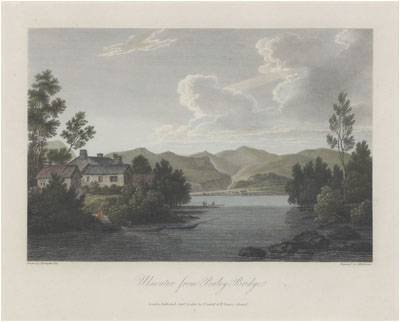
Engraved : Samuel Middiman, Britannia Depicta, Part V, Cumberland, published 15 September 1815, T. Cadell & W. Davies, Strand, London, 15 September 1815.
The village is built around a 16th century stone bridge which crosses the river Eamont and was once a very important market town for the region. In modern times the village is a major tourist attraction and is the main camping region for this part of the lakes in easy reach of Keswick and Ambleside.
Pleasure ferries operate on the lake at regular times in the summer months where you can experience the feel of old day steamers.
The water is home to some good shoals of fish including trout and the very rare vendace along with several other coarse fish species.
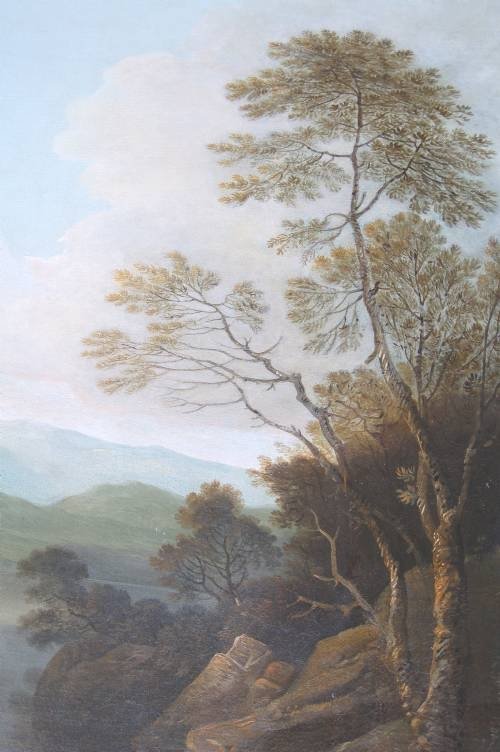
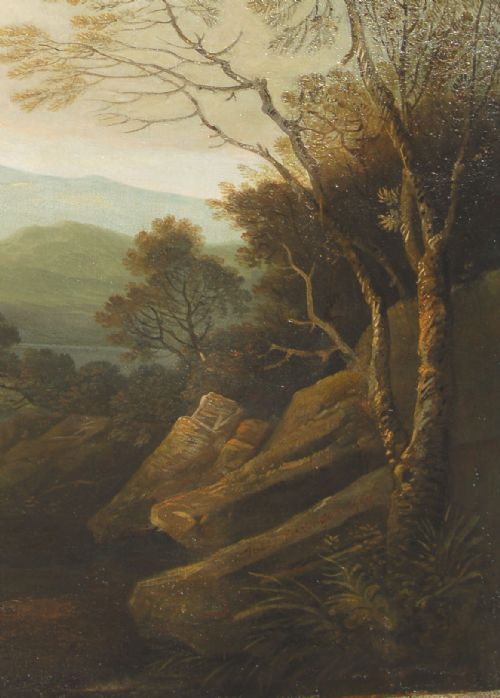
To the north of the village is Dunmallard Hill where the remains of an iron-age fort can be found and stunning views over the lake and village can be seen from. Pooley Bridge can be found next to the River Eamont at the northern end of Lake Ullswater as it flows onto Penrith. The name Pooley Bridge derives from a large pool in the River Eamont, just before it flows out of Ullswater which gives the name Pooley. Then in the 16th Century, a bridge was built across the river, hence Pooley Bridge. The pool has now disappeared ,but the bridge can still be seen.
Pooley Bridge used to be a small fishing and farming community. The area still has a supply of Trout, Salmon and a freshwater Herring called the Schelly to be found. Boats can be found moored here and the Ullswater Steamers also depart from here offering trips along the 7 mile lake to Howtown and Glenridding at the southern end of the lake.
Within the village there are two main streets with delightful old stone houses. From the bridge there are some excellent views to be seen with the lake in front of you as it stretches out with wooded fells on its shores which rise up to the higher hills in the Lakes.
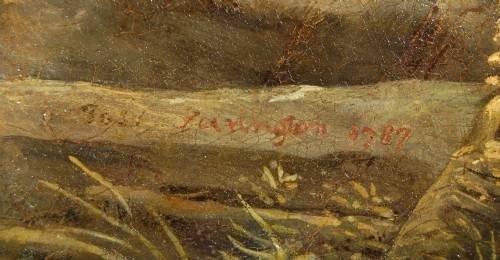
Farington was an English landscape painter and topographical draughtsman and is chiefly remembered for his detailed diaries, which provide an invaluable insight into the London art world of the late eighteenth and early nineteenth centuries. Farington was born in 1741, and died in 1821. He was influential in attracting tourists to the English Lake District in the early nineteenth century, as one of the group of artists which descended on the area at the time in search of the picturesque. His views of the Lakes were engraved and published in book form in 1789 and 1816. Farington was part of a group of Romantic artists and writers whose portrayal of the wild and rugged landscape transformed public opinion towards the area.
Artware Fineart has dated this piece to the 19th Century.
You can view the stock and full dealer information on the Artware Fineart Profile Page
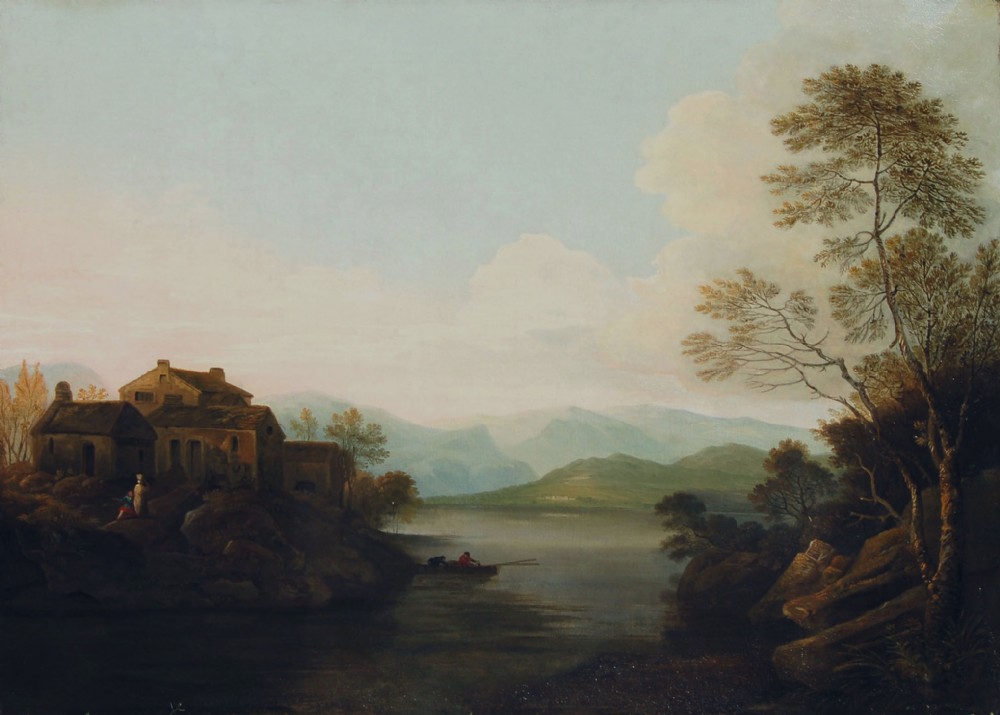
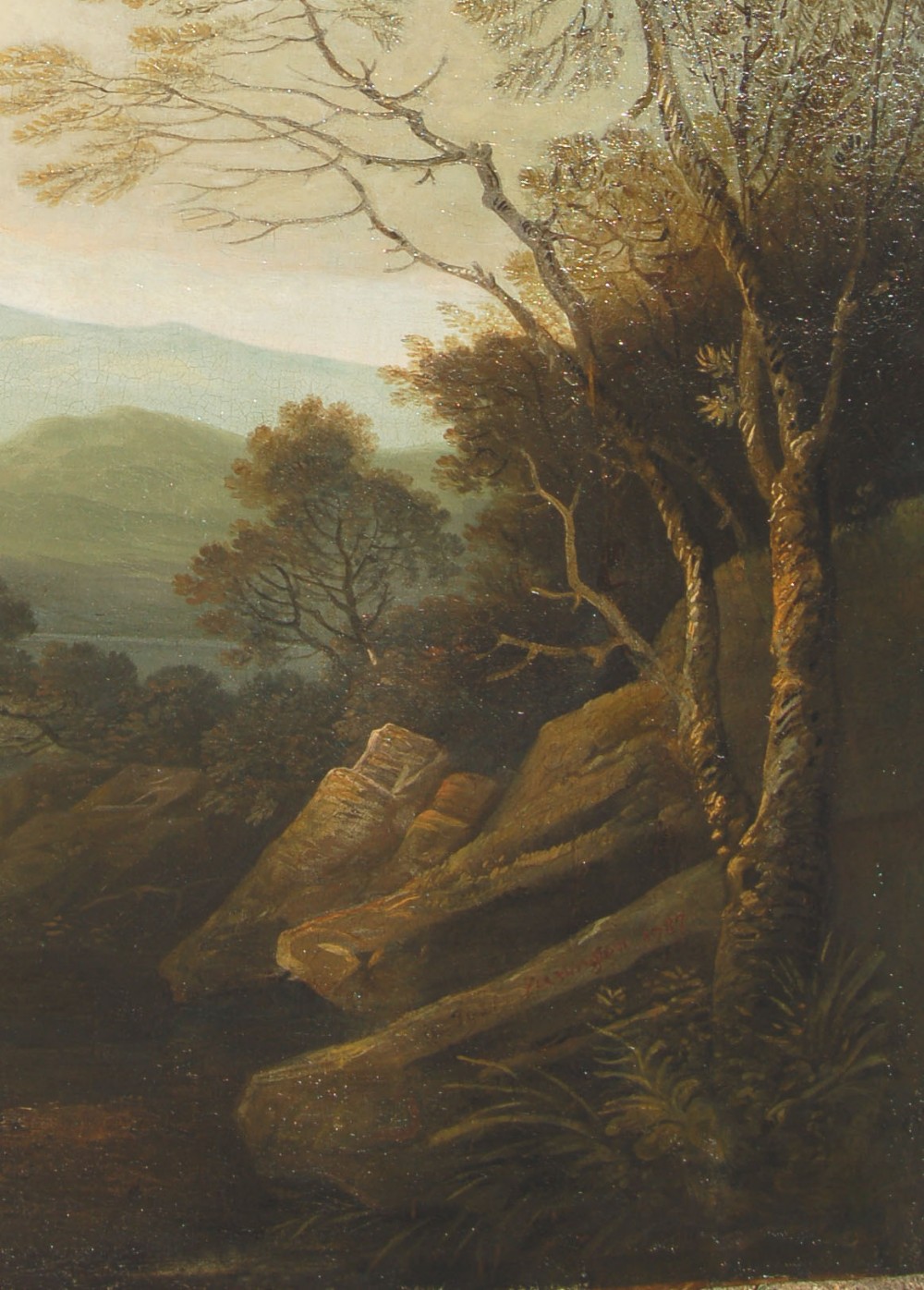
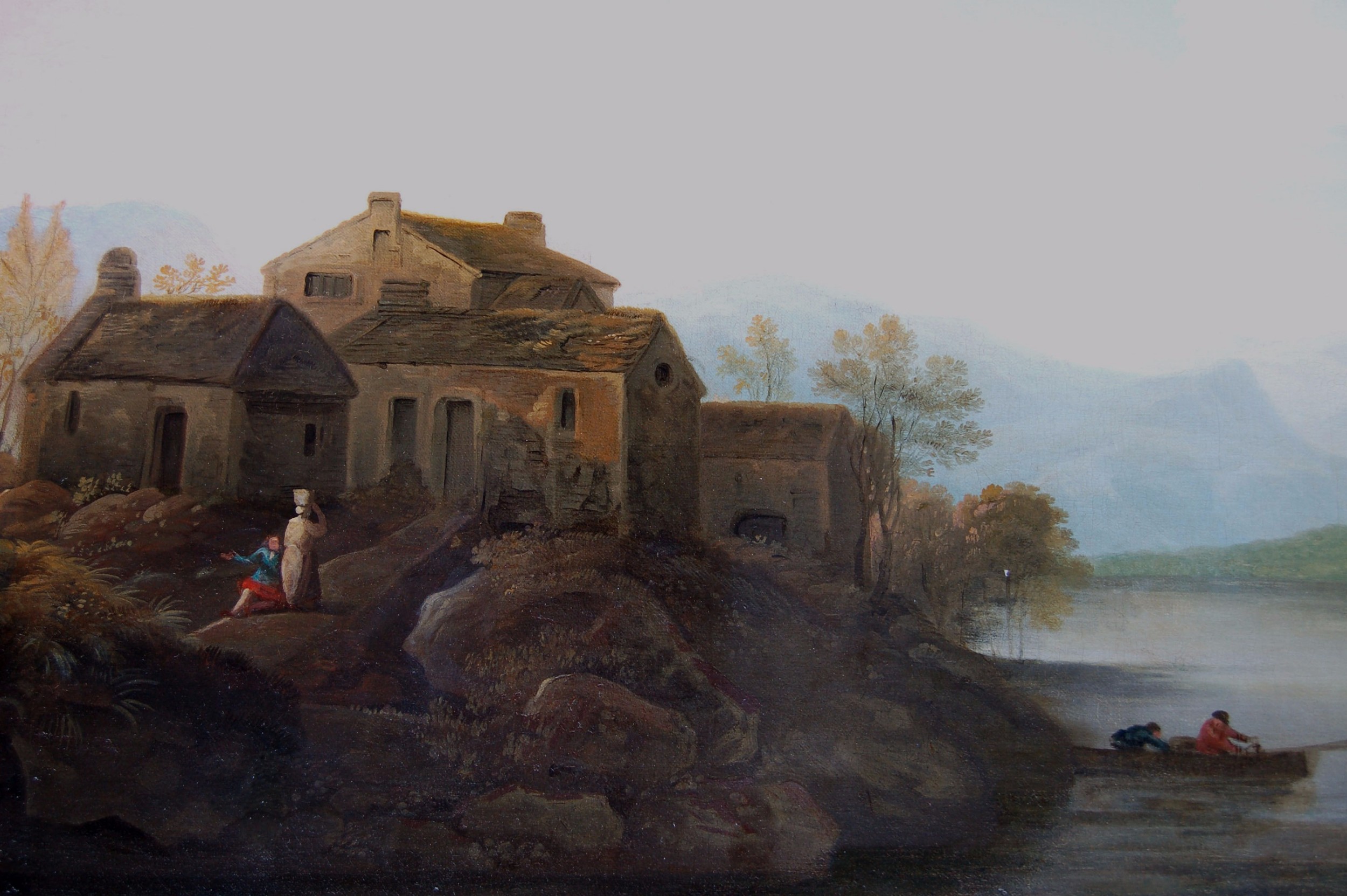
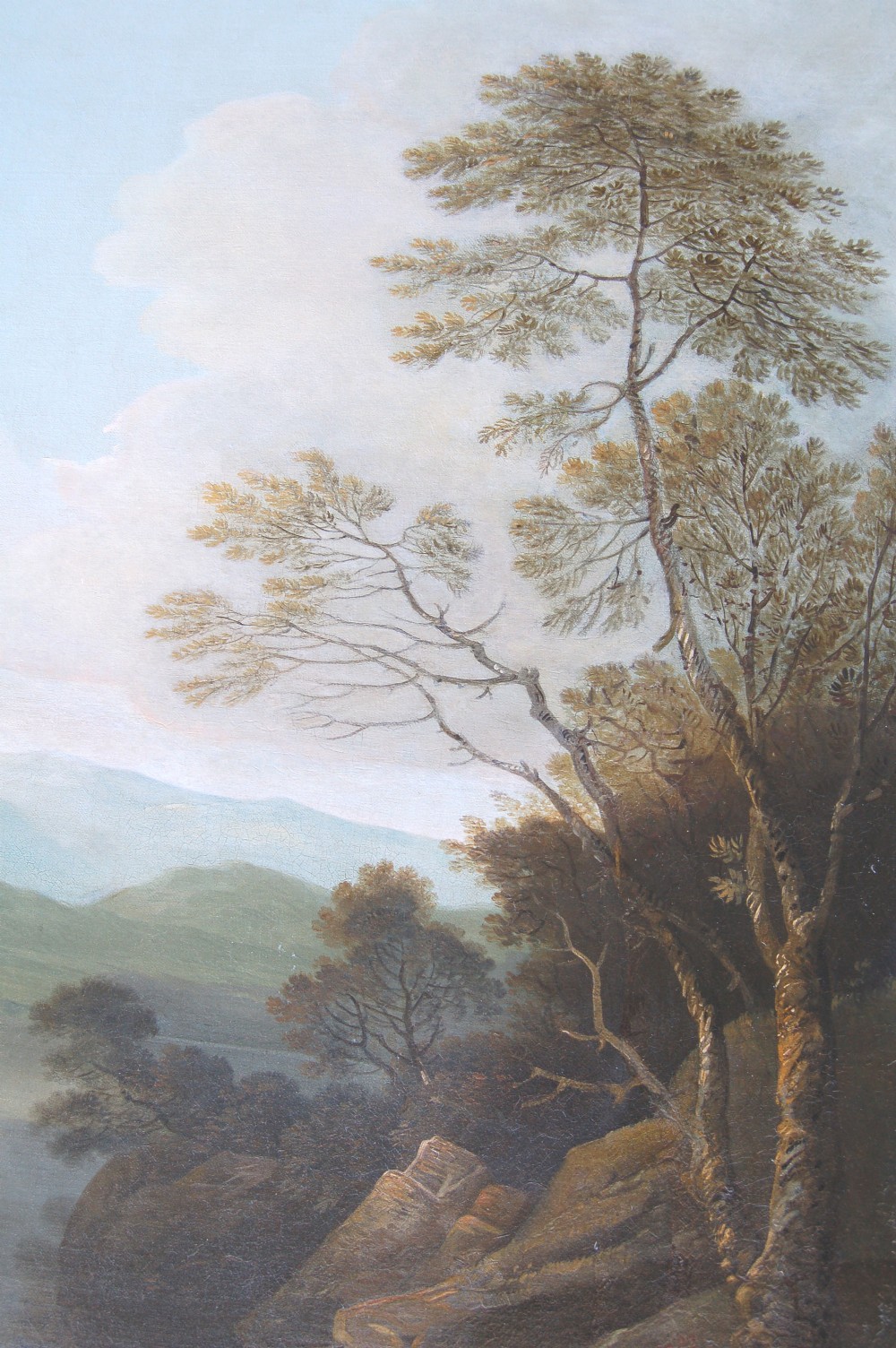
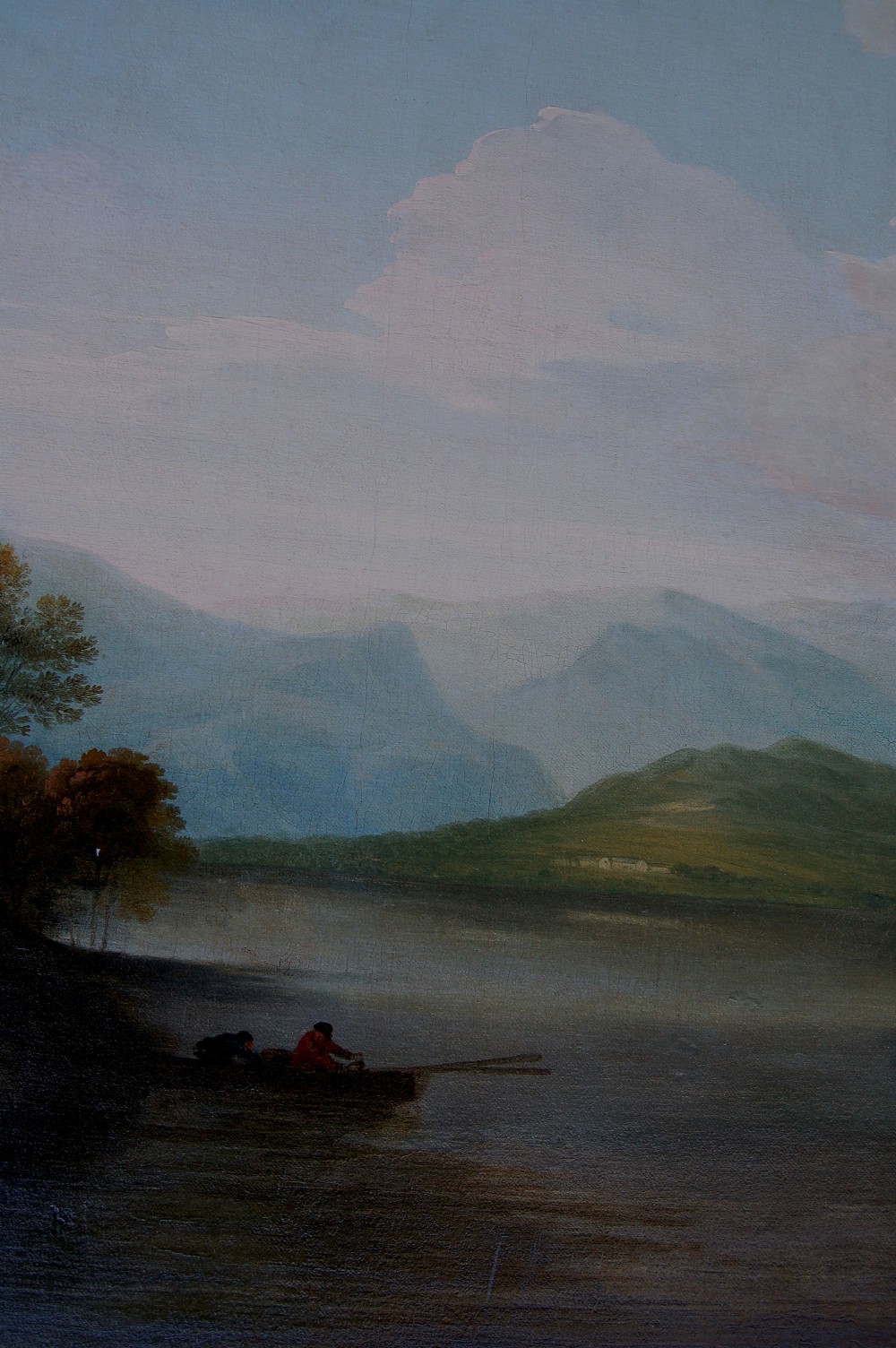
Joseph Farington , Ra, 1741-1821 Ullswater from Pooley Bridge Looking on to Helvellyn in the Distance