9,497  PAGES BROWSED TODAY PAGES TODAY • 52 ANTIQUES UPLOADED TODAYNEW ARRIVALS
GIFTS
52 ITEMS ADDED TODAY
Sort Order
Items Per Page
Browse Categories
Sort order
Items per page
ID #SA398437
SOLD
Email Phone
Save
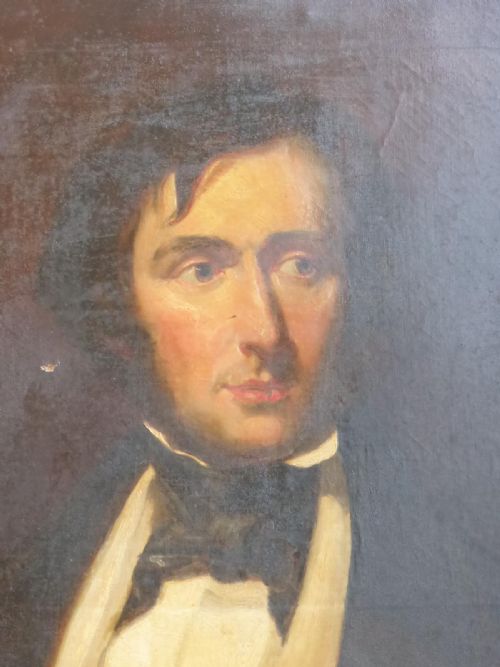
Simon Jacques Rochard, 1798 - 1857 Portrait of George Rennie 1791–1866
Sold by Artware Fineart
sold SA398437
Sorry, but this item has been sold.

Artware Fineart

Sellingantiques Verified Since Sep 2008
Browse dealers 243 items
Id #SA398437
PDF SHARE
SAVE

Simon Jacques Rochard, 1798 - 1857 Portrait of George Rennie 1791–1866

19th century
Sold 2 June 2017 · Artware Fineart
This “Simon Jacques Rochard, 1798 - 1857 Portrait of George Rennie 1791–1866” found a buyer.

It was listed by Artware Fineart. Sold pieces stay on Sellingantiques as a record of what has passed through, and the next one is rarely far away.

Description

Simon Jacques Rochard, 1798 - 1857

Portrait of George Rennie 1791–1866

oil on canvas

92 x 71 cm. (36 x 28 in.)

Rennie, George (1791–1866), mechanical and civil engineer, was born in the parish of Christ Church, Southwark, London, on 3 December 1791, the eldest son of John Rennie (1761–1821) and his wife, Martha Ann, daughter of E. Mackintosh. He was the brother of Sir John Rennie. Educated first by Dr Greenlaw at a school in Isleworth, he then went to St Paul's School. In 1807 his father sent him to Edinburgh University, where he lodged with John Playfair, the professor of natural philosophy, and studied mathematics, natural sciences, and classics.

In 1811 Rennie entered his father's office, where many great works were in progress. He travelled extensively in Europe, particularly Italy, familiarizing himself with continental engineering and architecture. In 1818, on the recommendation of Joseph Banks and James Watt, he was appointed inspector of machinery and clerk of the irons (that is, dies) at the Royal Mint, which post he held for nearly eight years. Well before his father's death in 1821, he was assisting him in bridge design. Rennie wrote a diary of progress on Waterloo Bridge, appears to have made the theoretical calculations for the iron arches of Southwark Bridge, and claimed to have made the original design for London Bridge in 1820. His government appointment precluded him from acting as engineer to London Bridge (built in 1823–31), however, so that honour and a knighthood went to his brother John, although George wrote the description of the bridge for Cooke's Views of the Old and New London Bridges (1833). During the 1820s he designed the bridge over the Serpentine in Hyde Park and materially improved Thomas Harrison's design for Grosvenor Bridge over the Dee in Chester. He designed the stone replacement for Thomas Wilson's iron bridge at Staines (1829–32). Other civil engineering schemes reported on included a proposal for Collier's Dock in the Isle of Dogs (1824), Denver sluice (1829), and Sunderland docks (1832). Rennie married, in 1828, Margaret Anne, daughter of Sir John Jackson, bt, MP; they had two sons and one daughter.

Rennie later had considerable practice as a railway engineer, and made plans for lines to connect Birmingham and Liverpool, the Vale of Clwyd line, the railway from Mons to Manège, and the Namur and Liège Railway, of which he was appointed chief engineer in 1846. He was consulted about the Liverpool and Manchester Railway following the parliamentary failure of the first bill, and organized a new survey, giving evidence in favour of the successful scheme in 1826. Although generally associated with his younger brother Sir John, he was personally responsible for early proposals for the Midland Counties Railway (1833–6) and Central Kent Railway (1837).

Rennie's genius was chiefly mechanical. He superintended the manufacturing business of the family firm in Holland Street, Southwark, known at first as Rennie Brothers. After his brother Sir John retired from this side of the business about 1850 and George's sons, John Keith and George Banks Rennie, joined him, the firm became George Rennie & Sons and the factory was called the Albion ironworks. During its heyday a great variety of machinery was turned out, including the first biscuit-making machinery, corn and chocolate mills for Deptford victualling yard, and similar machines for the Royal William victualling yard, Plymouth. The firm also made the second tunnelling shield for Marc Isambard Brunel's Thames Tunnel (1835). Many orders for foreign governments were executed, including enormous iron dock gates for Sevastopol.

Rennie Brothers were also employed by the Admiralty in making engines for the Royal Navy, work which dovetailed with the establishment of the shipbuilding yard of J. & G. Rennie at Norman Road, Greenwi

Date of Manufacture

Artware Fineart has dated this piece to the 1800s.

Reference Numbers
Sellingantiques Reference
SA398437
Dealers Internal Reference
3745
Description
Simon Jacques Rochard, 1798 - 1857

Portrait of George Rennie 1791–1866

oil on canvas

92 x 71 cm. (36 x 28 in.)

Rennie, George (1791–1866), mechanical and civil engineer, was born in the parish of Christ Church, Southwark, London, on 3 December 1791, the eldest son of John Rennie (1761–1821) and his wife, Martha Ann, daughter of E. Mackintosh. He was the brother of Sir John Rennie. Educated first by Dr Greenlaw at a school in Isleworth, he then went to St Paul's School.
“
In 1807 his father sent him to Edinburgh University, where he lodged with John Playfair, the professor of natural philosophy, and studied mathematics, natural sciences, and classics.
Artware Fineart
fig 1. Simon Jacques Rochard, 1798 - 1857
Portrait of George Rennie 1791–1866
fig 1. Simon Jacques Rochard, 1798 - 1857 Portrait of George Rennie 1791–1866

In 1811 Rennie entered his father's office, where many great works were in progress. He travelled extensively in Europe, particularly Italy, familiarizing himself with continental engineering and architecture. In 1818, on the recommendation of Joseph Banks and James Watt, he was appointed inspector of machinery and clerk of the irons (that is, dies) at the Royal Mint, which post he held for nearly eight years. Well before his father's death in 1821, he was assisting him in bridge design. Rennie wrote a diary of progress on Waterloo Bridge, appears to have made the theoretical calculations for the iron arches of Southwark Bridge, and claimed to have made the original design for London Bridge in 1820. His government appointment precluded him from acting as engineer to London Bridge (built in 1823–31), however, so that honour and a knighthood went to his brother John, although George wrote the description of the bridge for Cooke's Views of the Old and New London Bridges (1833). During the 1820s he designed the bridge over the Serpentine in Hyde Park and materially improved Thomas Harrison's design for Grosvenor Bridge over the Dee in Chester. He designed the stone replacement for Thomas Wilson's iron bridge at Staines (1829–32). Other civil engineering schemes reported on included a proposal for Collier's Dock in the Isle of Dogs (1824), Denver sluice (1829), and Sunderland docks (1832). Rennie married, in 1828, Margaret Anne, daughter of Sir John Jackson, bt, MP; they had two sons and one daughter.
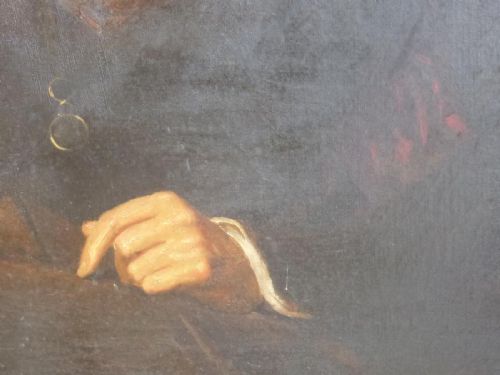
fig 2. Simon Jacques Rochard, 1798 - 1857
Portrait of George Rennie 1791–1866
fig 2. Simon Jacques Rochard, 1798 - 1857 Portrait of George Rennie 1791–1866

Rennie later had considerable practice as a railway engineer, and made plans for lines to connect Birmingham and Liverpool, the Vale of Clwyd line, the railway from Mons to Manège, and the Namur and Liège Railway, of which he was appointed chief engineer in 1846. He was consulted about the Liverpool and Manchester Railway following the parliamentary failure of the first bill, and organized a new survey, giving evidence in favour of the successful scheme in 1826. Although generally associated with his younger brother Sir John, he was personally responsible for early proposals for the Midland Counties Railway (1833–6) and Central Kent Railway (1837).
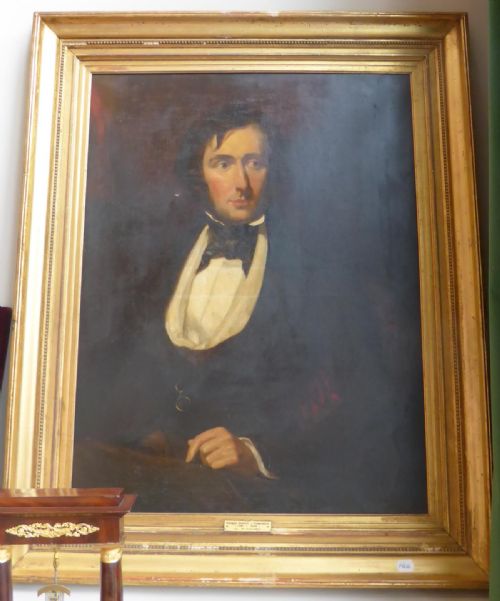
fig 3. Simon Jacques Rochard, 1798 - 1857
Portrait of George Rennie 1791–1866
fig 3. Simon Jacques Rochard, 1798 - 1857 Portrait of George Rennie 1791–1866

Rennie's genius was chiefly mechanical. He superintended the manufacturing business of the family firm in Holland Street, Southwark, known at first as Rennie Brothers. After his brother Sir John retired from this side of the business about 1850 and George's sons, John Keith and George Banks Rennie, joined him, the firm became George Rennie & Sons and the factory was called the Albion ironworks. During its heyday a great variety of machinery was turned out, including the first biscuit-making machinery, corn and chocolate mills for Deptford victualling yard, and similar machines for the Royal William victualling yard, Plymouth. The firm also made the second tunnelling shield for Marc Isambard Brunel's Thames Tunnel (1835). Many orders for foreign governments were executed, including enormous iron dock gates for Sevastopol.
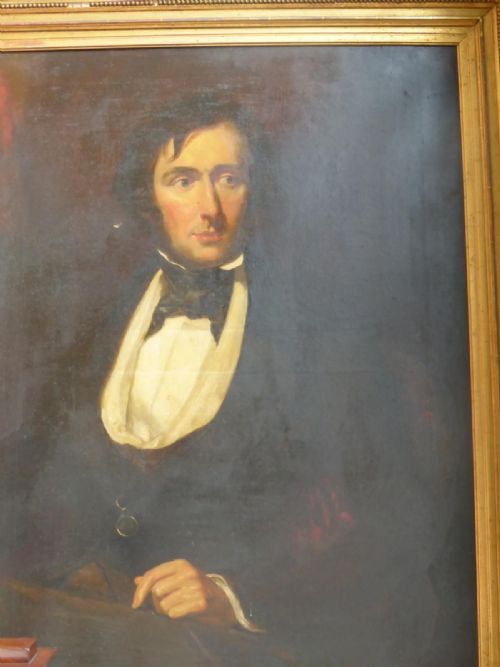
fig 4. Simon Jacques Rochard, 1798 - 1857
Portrait of George Rennie 1791–1866
fig 4. Simon Jacques Rochard, 1798 - 1857 Portrait of George Rennie 1791–1866

Rennie Brothers were also employed by the Admiralty in making engines for the Royal Navy, work which dovetailed with the establishment of the shipbuilding yard of J. & G. Rennie at Norman Road, Greenwi

Date of Manufacture

Artware Fineart has dated this piece to the 1800s.

Reference Numbers
Sellingantiques Ref
SA398437
Dealers Internal Ref
3745
Artware Fineart
Sellingantiques verified Since Sep 2008
Dealer Profile

You can view the stock and full dealer information on the Artware Fineart Profile Page

PDF SHARE
SAVE
Simon Jacques Rochard, 1798 - 1857
Portrait of George Rennie 1791–1866 SOLD6+ MONTHS AGO
1 / 6
Archive I Simon Jacques Rochard, 1798 - 1857
Portrait of George Rennie 1791–1866 SOLD6+ MONTHS AGO
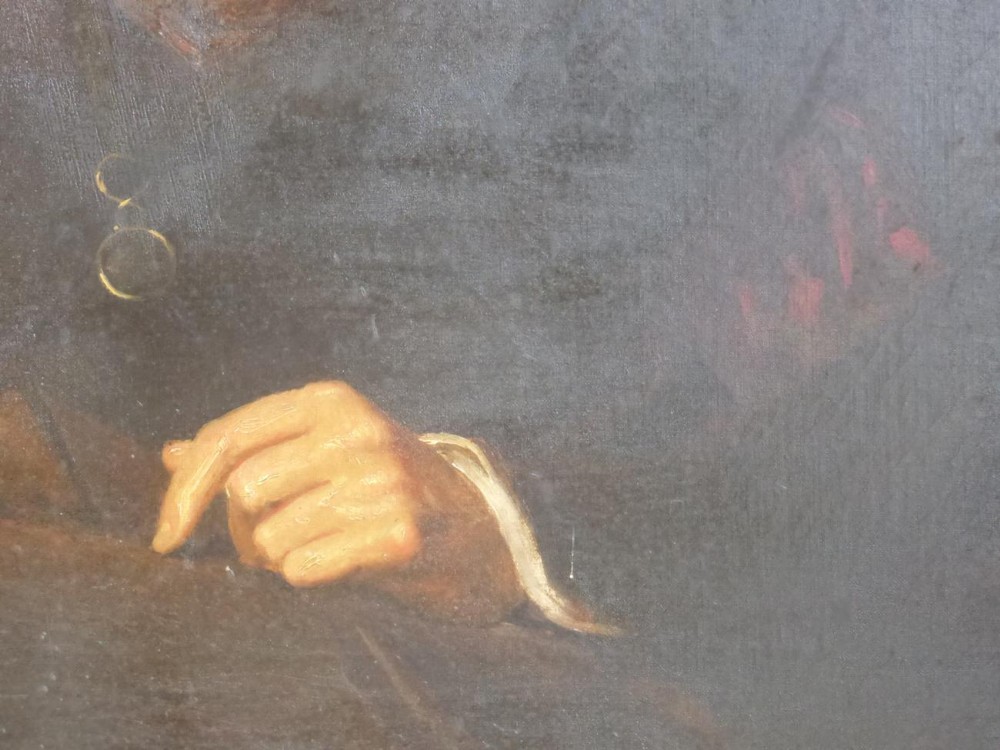
Simon Jacques Rochard, 1798 - 1857 Portrait of George Rennie 1791–1866
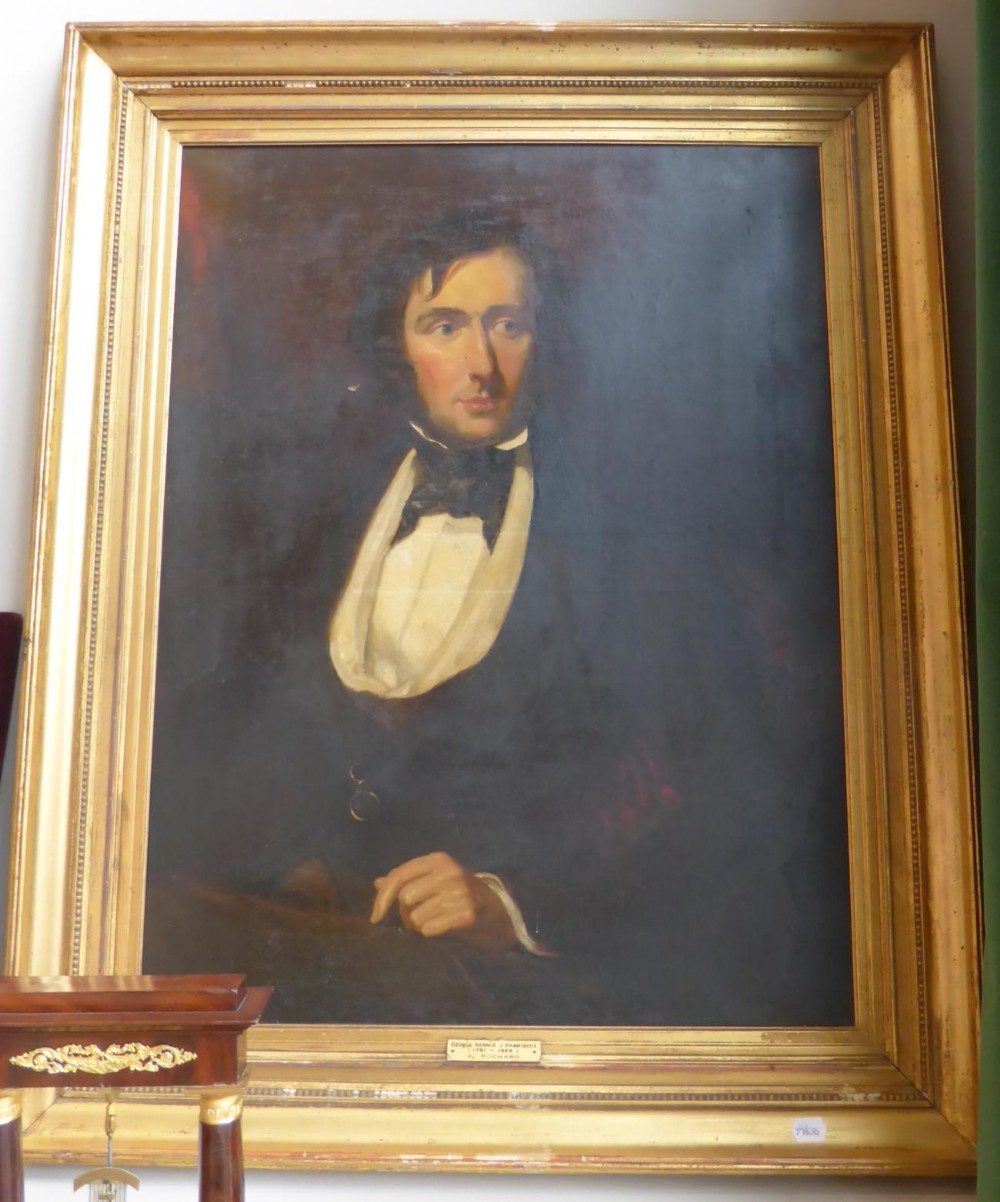
Archive II Simon Jacques Rochard, 1798 - 1857
Portrait of George Rennie 1791–1866 View II
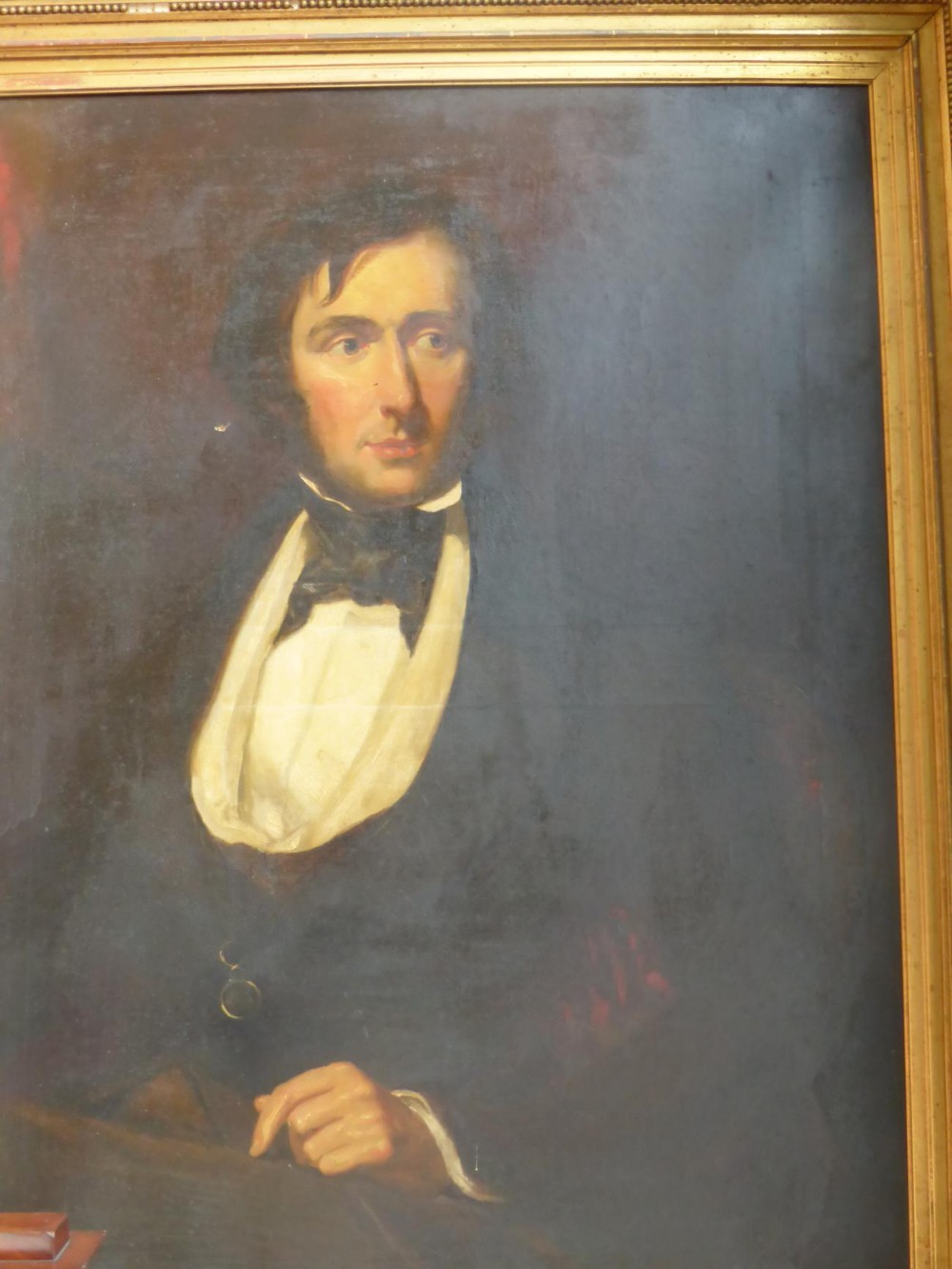
Archive III Simon Jacques Rochard, 1798 - 1857
Portrait of George Rennie 1791–1866 View III
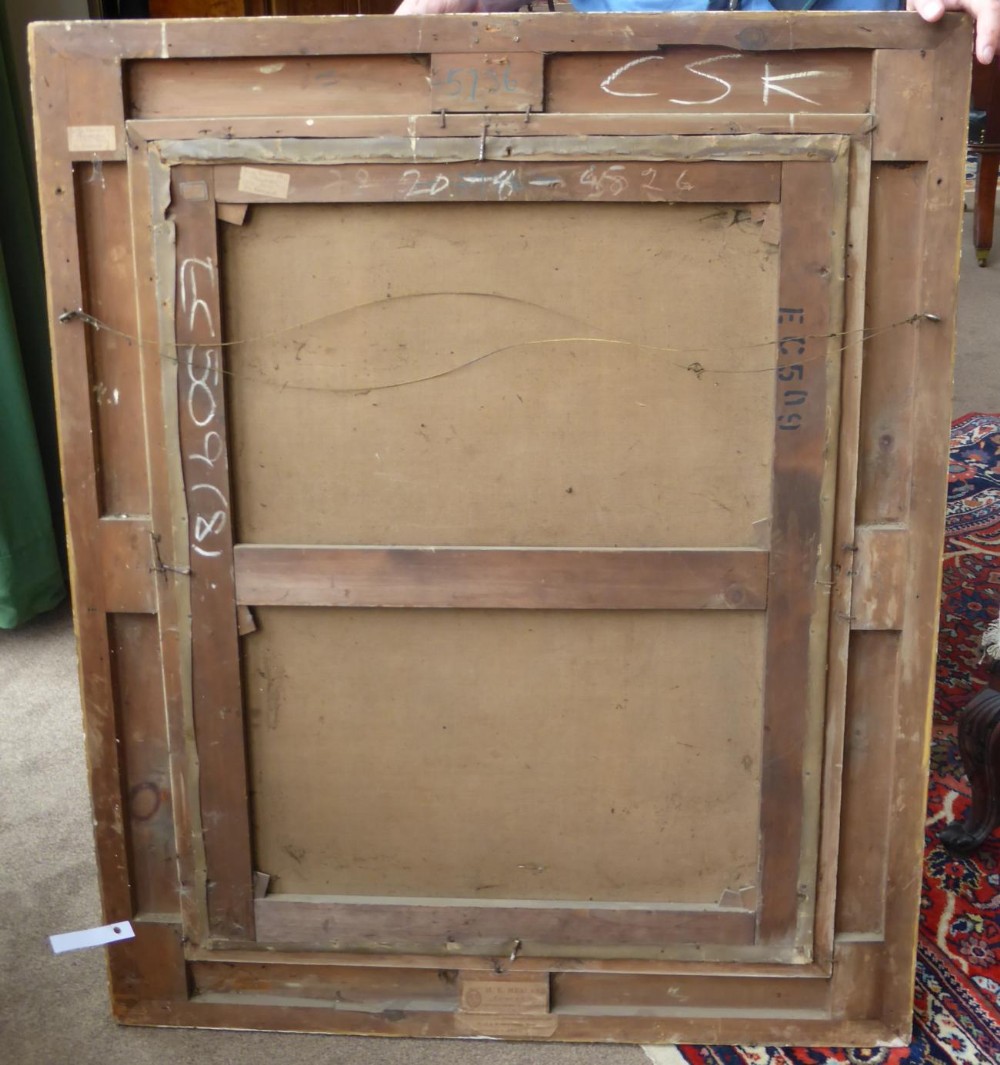
Archive IV Simon Jacques Rochard, 1798 - 1857
Portrait of George Rennie 1791–1866 View IV
Archive V Simon Jacques Rochard, 1798 - 1857
Portrait of George Rennie 1791–1866 View V
Archive VI Simon Jacques Rochard, 1798 - 1857
Portrait of George Rennie 1791–1866 View VI
Enlarged Archival View
Telephone 07958 699 645
Location
18 La Gare
51 Surrey Row
London
SE1 0BZ
United Kingdom
Verified Since Sep 2008
Items For Sale 243
Items Sold 223
Artware Fineart
Verified Since Sep 2008
View Dealer Info
Location: 18 La Gare , 51 Surrey Row , London , SE1 0BZ , United Kingdom
Verified
Sep 2008
For Sale
243
Sold
223
Simon Jacques Rochard, 1798 - 1857
Portrait of George Rennie 1791–1866
Simon Jacques Rochard, 1798 - 1857 Portrait of George Rennie 1791–1866
Ref: SA398437
Simon Jacques Rochard, 1798 - 1857
Portrait of George Rennie 1791–1866
Detail View 1
Detail View 2
Detail View 3
Detail View 4
Detail View 5
Archival Detail
Every single antique dealer on our platform is individually approved by our internal team. We verify their professional trade history, ethical standards, and photographic quality to ensure a secure, high-standard buying environment. Upon joining, every dealer agrees to a strict 9-point code of conduct. While issues can occasionally arise, our dealers typically resolve them swiftly and directly with the buyer. In fact, since our founding in 2002, Sellingantiques has only had to step in to help resolve an issue on roughly five occasions—a true testament to the quality of our dealers and their dedication to your happiness.
Our dealers are highly experienced in packing and shipping fragile, high-value antiques. Because you are in direct contact with the dealer, you will be able to easily go through all available shipping and insurance options together to ensure your item arrives safely.
Antiques are the ultimate green purchase. By choosing historical pieces over newly manufactured goods, you completely eliminate the carbon footprint of modern mass production while preserving exceptional, timeless craftsmanship.
Written by Sellingantiques from the dealer’s photographs and listing
  • Period19th century
items
Add keywords to the filter
Price
£100
£250000
Era
Period
Style
Material
Origin
Stock Location
Recently Added
Online Payments
Categories