9,497  PAGES BROWSED TODAY PAGES TODAY • 52 ANTIQUES UPLOADED TODAYNEW ARRIVALS
GIFTS
52 ITEMS ADDED TODAY
Sort Order
Items Per Page
Browse Categories
Sort order
Items per page
ID #SA398428
SOLD
Email Phone
Save
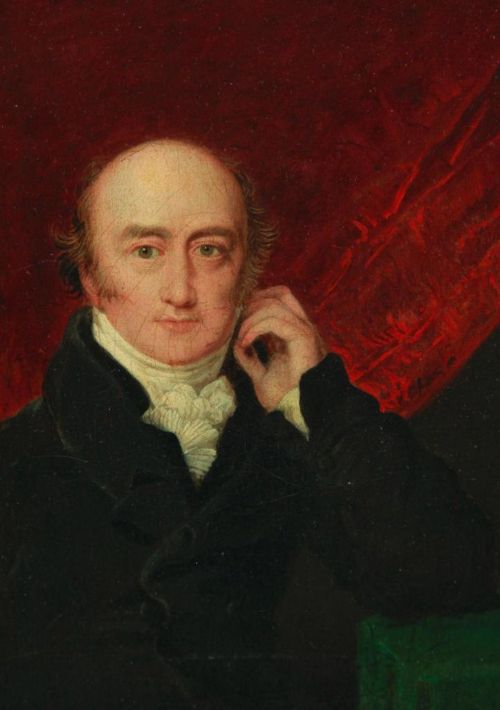
After Thomas Lawrence, Pra, 1769 - 1830 Portrait of the Right Honourable George Canning (1770–1827), Mp
Sold by Artware Fineart
sold SA398428
Sorry, but this item has been sold.

Artware Fineart

Sellingantiques Verified Since Sep 2008
Browse dealers 243 items
Id #SA398428
PDF SHARE
SAVE

After Thomas Lawrence, Pra, 1769 - 1830 Portrait of the Right Honourable George Canning (1770–1827), Mp

19th century
Sold 1 January 1900 · Artware Fineart
This “After Thomas Lawrence, Pra, 1769 - 1830 Portrait of the Right Honourable George Canning (1770–1827), Mp” found a buyer.

It was listed by Artware Fineart. Sold pieces stay on Sellingantiques as a record of what has passed through, and the next one is rarely far away.

Description

After Thomas Lawrence, PRA, 1769 - 1830

Portrait of The Right Honourable George Canning (1770–1827), MP

oil on canvas

12 x 10 in. (31 x 26 cm.)

Literature

Mezzotint, Charles Turner, 1827

Notes

George Canning, (1770–1827), prime minister and parodist, was born in Marylebone, Middlesex, on 11 April 1770, the son of George Canning (1736–1771) and his wife, Mary Ann Costello (1747?–1827). His parents were both Irish; he described himself as ‘an Irishman born in London’ (Temperley, Life, 16) and identified himself with the Irish demand for Catholic emancipation, but he visited Ireland only once, in 1824. His father was the eldest son of Stratford Canning (1703–1775), a cantankerous protestant gentleman with a modest estate at Garvagh in co. Londonderry and a house in Dublin. George senior took his BA at Trinity College, Dublin, in 1754, but was sent by his father to London in 1757 to prevent him making an unacceptable marriage. There, on an allowance of £150 p.a., he read for the bar and was called at the Middle Temple in 1764. But ‘it would appear that [he] was a lover of literature and pleasure, and excessively averse to the dull study of the profession to which his life was doomed to be devoted’ (Rede, 8 n.). His circle included journalists, actors, and politicians, and he was a friend and supporter of Wilkes. He published at least one political pamphlet and some verses, including a translation (1766) of five books of Polignac's Anti-Lucretius, which he dedicated to Queen Charlotte as ‘a poem, calculated to promote the cause of religion, and virtue, by overturning the pillars of immorality, and atheism’. He ran up large debts, which his father paid off in return for his renouncing his right to inherit the family estates. His wife, whom he married in Marylebone parish church on 21 May 1768, was beautiful, spirited, and on her mother's side from a good family—her guardian and maternal grandfather was Colonel Guydickens of Wigmore Street, formerly known as Guy Dickens, who had been British envoy in Berlin (1740–41), Stockholm (1742–8), and St Petersburg (1749–55), and whose son Gustavus was a gentleman usher in the queen's household—but she had no money of her own.
Childhood and education

George was the second of their three children and the only one to reach adulthood. On the boy's first birthday George senior died. Stratford's allowance to his son lapsed, and he would allow Mary Ann only £40 p.a., which was given for the children and on condition that she stayed in England. Her resources were so inadequate that she decided to try to make a living as an actress. Garrick, perhaps at the request of the queen, gave her a chance at Drury Lane in November 1773, but she did not succeed there. She then turned to provincial theatres, where she had better luck. By becoming an actress she excluded herself from respectable society, and she soon made matters worse by becoming the mistress of the dissolute actor Samuel Reddish. The couple had five children and she called herself Mrs Reddish. Canning's early years were spent touring provincial theatres with his mother and Reddish, and he later reminisced about a humble school at which he had within a month ‘got through … by far the greater part of a gingerbread alphabet’ (The Microcosm, 1, 1786, 434).
In 1778, however, the Canning family came dramatically to the boy's rescue. They provided money to pay for his maintenance and education, and his uncle Stratford, well established as a merchant banker in the City, became his guardian and took him into his home in Clement's Lane. He was sent to his first respectable school, Hyde Abbey, Winchester, in 1778 and to Eton College in 1782. On the death of his paternal grandmother in 1786 he ‘came into possession of the fortune left me by my grandfather, about 400l. per annum’ (Raven, 51). His uncle, the younger Stratford, died

Date of Manufacture

Artware Fineart has dated this piece to the 19th Century.

Reference Numbers
Sellingantiques Reference
SA398428
Dealers Internal Reference
3762
Description
After Thomas Lawrence, PRA, 1769 - 1830

Portrait of The Right Honourable George Canning (1770–1827), MP

oil on canvas

12 x 10 in. (31 x 26 cm.)

Literature

Mezzotint, Charles Turner, 1827

Notes

“
George Canning, (1770–1827), prime minister and parodist, was born in Marylebone, Middlesex, on 11 April 1770, the son of George Canning (1736–1771) and his wife, Mary Ann Costello (1747?–1827).
Artware Fineart

His parents were both Irish; he described himself as ‘an Irishman born in London’ (Temperley, Life, 16) and identified himself with the Irish demand for Catholic emancipation, but he visited Ireland only once, in 1824. His father was the eldest son of Stratford Canning (1703–1775), a cantankerous protestant gentleman with a modest estate at Garvagh in co. Londonderry and a house in Dublin. George senior took his BA at Trinity College, Dublin, in 1754, but was sent by his father to London in 1757 to prevent him making an unacceptable marriage. There, on an allowance of £150 p.a., he read for the bar and was called at the Middle Temple in 1764. But ‘it would appear that [he] was a lover of literature and pleasure, and excessively averse to the dull study of the profession to which his life was doomed to be devoted’ (Rede, 8 n.). His circle included journalists, actors, and politicians, and he was a friend and supporter of Wilkes. He published at least one political pamphlet and some verses, including a translation (1766) of five books of Polignac's Anti-Lucretius, which he dedicated to Queen Charlotte as ‘a poem, calculated to promote the cause of religion, and virtue, by overturning the pillars of immorality, and atheism’. He ran up large debts, which his father paid off in return for his renouncing his right to inherit the family estates. His wife, whom he married in Marylebone parish church on 21 May 1768, was beautiful, spirited, and on her mother's side from a good family—her guardian and maternal grandfather was Colonel Guydickens of Wigmore Street, formerly known as Guy Dickens, who had been British envoy in Berlin (1740–41), Stockholm (1742–8), and St Petersburg (1749–55), and whose son Gustavus was a gentleman usher in the queen's household—but she had no money of her own.

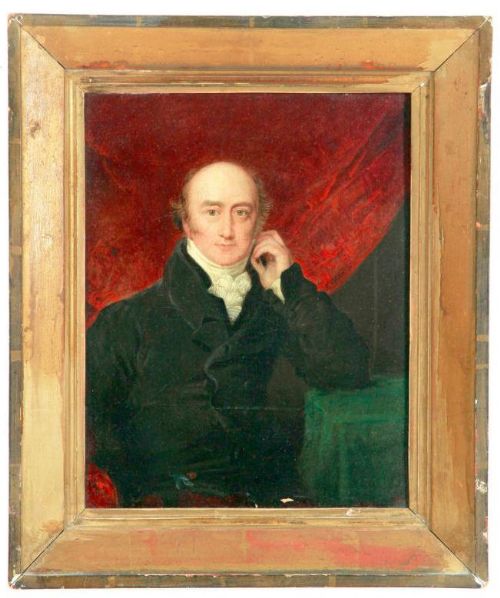
fig 1. After Thomas Lawrence, PRA, 1769 - 1830
Portrait of The Right Honourable George Canning (1770–1827), MP
fig 1. After Thomas Lawrence, Pra, 1769 - 1830 Portrait of the Right Honourable George Canning (1770–1827), Mp

Childhood and education

George was the second of their three children and the only one to reach adulthood. On the boy's first birthday George senior died. Stratford's allowance to his son lapsed, and he would allow Mary Ann only £40 p.a., which was given for the children and on condition that she stayed in England. Her resources were so inadequate that she decided to try to make a living as an actress. Garrick, perhaps at the request of the queen, gave her a chance at Drury Lane in November 1773, but she did not succeed there. She then turned to provincial theatres, where she had better luck. By becoming an actress she excluded herself from respectable society, and she soon made matters worse by becoming the mistress of the dissolute actor Samuel Reddish. The couple had five children and she called herself Mrs Reddish. Canning's early years were spent touring provincial theatres with his mother and Reddish, and he later reminisced about a humble school at which he had within a month ‘got through … by far the greater part of a gingerbread alphabet’ (The Microcosm, 1, 1786, 434).

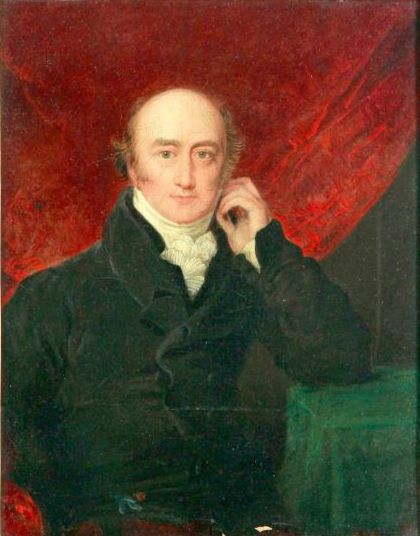
fig 2. After Thomas Lawrence, PRA, 1769 - 1830
Portrait of The Right Honourable George Canning (1770–1827), MP
fig 2. After Thomas Lawrence, Pra, 1769 - 1830 Portrait of the Right Honourable George Canning (1770–1827), Mp

In 1778, however, the Canning family came dramatically to the boy's rescue. They provided money to pay for his maintenance and education, and his uncle Stratford, well established as a merchant banker in the City, became his guardian and took him into his home in Clement's Lane. He was sent to his first respectable school, Hyde Abbey, Winchester, in 1778 and to Eton College in 1782. On the death of his paternal grandmother in 1786 he ‘came into possession of the fortune left me by my grandfather, about 400l. per annum’ (Raven, 51). His uncle, the younger Stratford, died

Date of Manufacture

Artware Fineart has dated this piece to the 19th Century.

Reference Numbers
Sellingantiques Ref
SA398428
Dealers Internal Ref
3762
Artware Fineart
Sellingantiques verified Since Sep 2008
Dealer Profile

You can view the stock and full dealer information on the Artware Fineart Profile Page
PDF SHARE
SAVE
After Thomas Lawrence, PRA, 1769 - 1830
Portrait of The Right Honourable George Canning (1770–1827), MP SOLD6+ MONTHS AGO
1 / 4
Archive I After Thomas Lawrence, PRA, 1769 - 1830
Portrait of The Right Honourable George Canning (1770–1827), MP SOLD6+ MONTHS AGO

After Thomas Lawrence, Pra, 1769 - 1830 Portrait of the Right Honourable George Canning (1770–1827), Mp
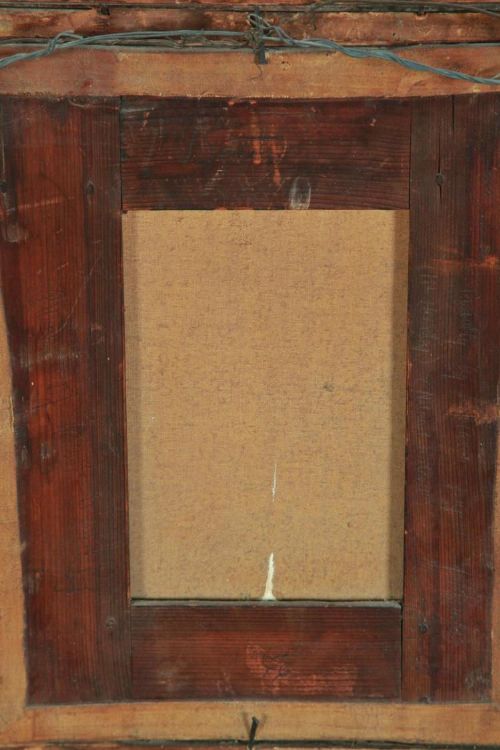
Archive II After Thomas Lawrence, PRA, 1769 - 1830
Portrait of The Right Honourable George Canning (1770–1827), MP View II
Archive III After Thomas Lawrence, PRA, 1769 - 1830
Portrait of The Right Honourable George Canning (1770–1827), MP View III
Archive IV After Thomas Lawrence, PRA, 1769 - 1830
Portrait of The Right Honourable George Canning (1770–1827), MP View IV
Enlarged Archival View
Telephone 07958 699 645
Location
18 La Gare
51 Surrey Row
London
SE1 0BZ
United Kingdom
Verified Since Sep 2008
Items For Sale 243
Items Sold 223
Artware Fineart
Verified Since Sep 2008
View Dealer Info
Location: 18 La Gare , 51 Surrey Row , London , SE1 0BZ , United Kingdom
Verified
Sep 2008
For Sale
243
Sold
223
After Thomas Lawrence, PRA, 1769 - 1830
Portrait of The Right Honourable George Canning (1770–1827), MP
After Thomas Lawrence, PRA, 1769 - 1830 Portrait of The Right Honourable George Canning (1770–1827), MP
Ref: SA398428
After Thomas Lawrence, PRA, 1769 - 1830
Portrait of The Right Honourable George Canning (1770–1827), MP
Detail View 1
Detail View 2
Detail View 3
Archival Detail
Every single antique dealer on our platform is individually approved by our internal team. We verify their professional trade history, ethical standards, and photographic quality to ensure a secure, high-standard buying environment. Upon joining, every dealer agrees to a strict 9-point code of conduct. While issues can occasionally arise, our dealers typically resolve them swiftly and directly with the buyer. In fact, since our founding in 2002, Sellingantiques has only had to step in to help resolve an issue on roughly five occasions—a true testament to the quality of our dealers and their dedication to your happiness.
Our dealers are highly experienced in packing and shipping fragile, high-value antiques. Because you are in direct contact with the dealer, you will be able to easily go through all available shipping and insurance options together to ensure your item arrives safely.
Antiques are the ultimate green purchase. By choosing historical pieces over newly manufactured goods, you completely eliminate the carbon footprint of modern mass production while preserving exceptional, timeless craftsmanship.
Written by Sellingantiques from the dealer’s photographs and listing
  • Period19th century
items
Add keywords to the filter
Price
£100
£250000
Era
Period
Style
Material
Origin
Stock Location
Recently Added
Online Payments
Categories