11,840  PAGES BROWSED TODAY PAGES TODAY • 55 ANTIQUES UPLOADED TODAYNEW ARRIVALS
GIFTS
55 ITEMS ADDED TODAY
Sort Order
Items Per Page
Browse Categories
Sort order
Items per page
ID #SA398389
SOLD
Email Phone
Save
Attributed Thomas Shotter Boys, 1803–1874 Cathedral of Notre Dame, Rouen from the River Seine
Sold by Artware Fineart
sold SA398389
Sorry, but this item has been sold.

Artware Fineart

Sellingantiques Verified Since Sep 2008
Browse dealers 243 items
Id #SA398389
PDF SHARE
SAVE

Attributed Thomas Shotter Boys, 1803–1874 Cathedral of Notre Dame, Rouen from the River Seine

19th century
Sold 12 November 2020 · Artware Fineart
This “Attributed Thomas Shotter Boys, 1803–1874 Cathedral of Notre Dame, Rouen from the River Seine” found a buyer.

It was listed by Artware Fineart. Sold pieces stay on Sellingantiques as a record of what has passed through, and the next one is rarely far away.

Description

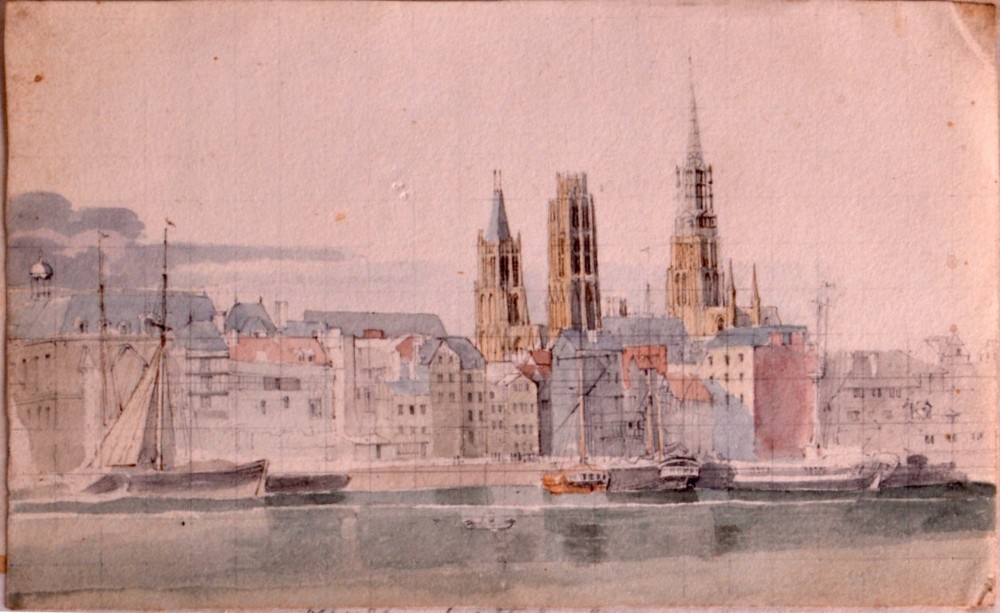
Attributed Thomas Shotter Boys, 1803–1874

Cathedral of Notre Dame, Rouen from the River Seine

pencil and watercolour

6 x 4 in (15.24 x 10.16cm.)

page from a sketch book, squared up for transfer

Notes

Rouen is a city on the River Seine in the north of France. It is the capital of the region of Upper Normandy and the historic capital city of Normandy. One of the largest and most prosperous cities of medieval Europe, it was the seat of the Exchequer of Normandy in the Middle Ages. It was one of the capitals of the Anglo-Norman dynasties, which ruled both England and large parts of modern France from the 11th to the 15th centuries. It was here that Joan of Arc was executed in 1431. People from Rouen are called Rouennais.
Unknown to Julius Caesar, Rouen was founded by the Gaulish tribe of the Veliocasses, who controlled a large area in the lower Seine valley, which retains a trace of their name as the Vexin. They called it Ratumacos; the Romans called it Rotomagus. Roman Rotomagus was the second city of Gallia Lugdunensis after Lugdunum (Lyon) itself. Under the reorganization of the empire by Diocletian, Rouen became the chief city of the divided province of Gallia Lugdunensis II and reached the apogee of its Roman development, with an amphitheatre and thermae of which the foundations remain. In the 5th century, it became the seat of a bishopric and later a capital of Merovingian Neustria.
From their first incursion into the lower valley of the Seine in 841, the Vikings overran Rouen until some of them finally settled and founded a colony led by Rollo (Hrolfr), who was nominated count of Rouen by the king of the Franks in 911. In the 10th century Rouen became the capital of the Duchy of Normandy and residence of the dukes, until William the Conqueror established his castle at Caen. In the early 12th century the city's population reached the size of 30,000. In 1150, Rouen received its founding charter, which permitted self-government. During the 12th century, Rouen was probably the site of a Jewish yeshiva. At that time, about 6,000 Jews lived in the town, comprising about 20% of the total population. In addition, there were a large number of Jews scattered about another 100 communities in Normandy. The well-preserved remains of a medieval Jewish building, that could be a yeshiva, were discovered in the 1970s under the Rouen Law Courts.

In 1200, a fire destroyed part of the old Romanesque cathedral, leaving St Romain's tower, the side porches of the front, and part of the nave. New work on the present Gothic cathedral of Rouen was begun, in the nave, transept, choir, and the lowest section of the lantern tower. On 24 June 1204, Philip II Augustus of France entered Rouen and annexed Normandy to the French Kingdom. The fall of Rouen meant the end of Normandy's sovereign status. He demolished the Norman castle and replaced it with his own, the Château Bouvreuil, built on the site of the Gallo-Roman amphitheatre. A textile industry developed based on wool imported from England, for which the northern County of Flanders and Duchy of Brabant were constantly fierce but worthy competitors, and finding its market in the Champagne fairs. Rouen also depended for its prosperity on the river traffic of the Seine, on which it enjoyed a monopoly that reached as far upstream as Paris. Wine and wheat were exported to England, with tin and wool received in return.

In the 14th century urban strife threatened the city: in 1291, the mayor was assassinated and noble residences in the city were pillaged. Philip IV reimposed order and suppressed the city's charter and the lucrative monopoly on river traffic, but he was quite willing to allow the Rouennais to repurchase their former liberties in 1294. In 1306, he decided to expel the Jewish community of Rouen, which then numbered some five or six thousand in the city of 40,000 pe

Date of Manufacture

Artware Fineart has dated this piece to the 1800s.

Reference Numbers
Sellingantiques Reference
SA398389
Dealers Internal Reference
3782
Description
Attributed Thomas Shotter Boys, 1803–1874

Cathedral of Notre Dame, Rouen from the River Seine

pencil and watercolour

6 x 4 in (15.24 x 10.16cm.)

page from a sketch book, squared up for transfer

Notes

Rouen is a city on the River Seine in the north of France. It is the capital of the region of Upper Normandy and the historic capital city of Normandy.

“
One of the largest and most prosperous cities of medieval Europe, it was the seat of the Exchequer of Normandy in the Middle Ages.
Artware Fineart

It was one of the capitals of the Anglo-Norman dynasties, which ruled both England and large parts of modern France from the 11th to the 15th centuries. It was here that Joan of Arc was executed in 1431. People from Rouen are called Rouennais.

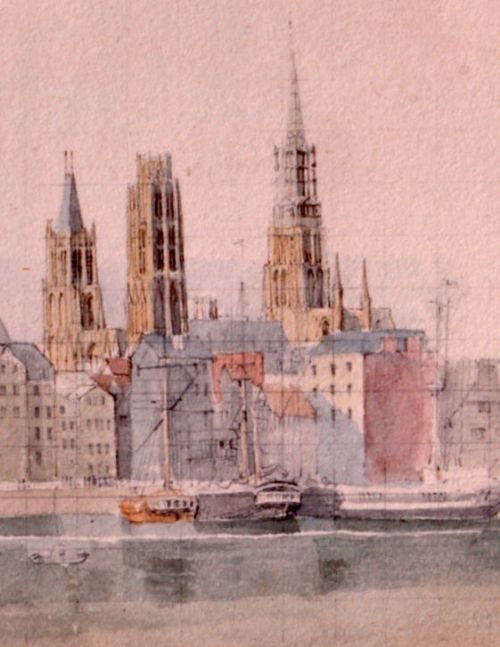
fig 1. Attributed Thomas Shotter Boys, 1803–1874
Cathedral of Notre Dame, Rouen from the River Seine
fig 1. Attributed Thomas Shotter Boys, 1803–1874 Cathedral of Notre Dame, Rouen from the River Seine

Unknown to Julius Caesar, Rouen was founded by the Gaulish tribe of the Veliocasses, who controlled a large area in the lower Seine valley, which retains a trace of their name as the Vexin. They called it Ratumacos; the Romans called it Rotomagus. Roman Rotomagus was the second city of Gallia Lugdunensis after Lugdunum (Lyon) itself. Under the reorganization of the empire by Diocletian, Rouen became the chief city of the divided province of Gallia Lugdunensis II and reached the apogee of its Roman development, with an amphitheatre and thermae of which the foundations remain. In the 5th century, it became the seat of a bishopric and later a capital of Merovingian Neustria.

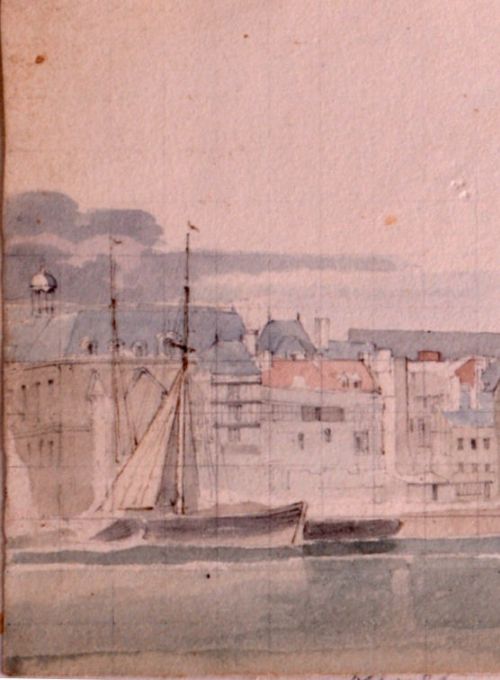
fig 2. Attributed Thomas Shotter Boys, 1803–1874
Cathedral of Notre Dame, Rouen from the River Seine
fig 2. Attributed Thomas Shotter Boys, 1803–1874 Cathedral of Notre Dame, Rouen from the River Seine

From their first incursion into the lower valley of the Seine in 841, the Vikings overran Rouen until some of them finally settled and founded a colony led by Rollo (Hrolfr), who was nominated count of Rouen by the king of the Franks in 911. In the 10th century Rouen became the capital of the Duchy of Normandy and residence of the dukes, until William the Conqueror established his castle at Caen. In the early 12th century the city's population reached the size of 30,000. In 1150, Rouen received its founding charter, which permitted self-government. During the 12th century, Rouen was probably the site of a Jewish yeshiva. At that time, about 6,000 Jews lived in the town, comprising about 20% of the total population. In addition, there were a large number of Jews scattered about another 100 communities in Normandy. The well-preserved remains of a medieval Jewish building, that could be a yeshiva, were discovered in the 1970s under the Rouen Law Courts.

In 1200, a fire destroyed part of the old Romanesque cathedral, leaving St Romain's tower, the side porches of the front, and part of the nave. New work on the present Gothic cathedral of Rouen was begun, in the nave, transept, choir, and the lowest section of the lantern tower. On 24 June 1204, Philip II Augustus of France entered Rouen and annexed Normandy to the French Kingdom. The fall of Rouen meant the end of Normandy's sovereign status. He demolished the Norman castle and replaced it with his own, the Château Bouvreuil, built on the site of the Gallo-Roman amphitheatre. A textile industry developed based on wool imported from England, for which the northern County of Flanders and Duchy of Brabant were constantly fierce but worthy competitors, and finding its market in the Champagne fairs. Rouen also depended for its prosperity on the river traffic of the Seine, on which it enjoyed a monopoly that reached as far upstream as Paris. Wine and wheat were exported to England, with tin and wool received in return.

In the 14th century urban strife threatened the city: in 1291, the mayor was assassinated and noble residences in the city were pillaged. Philip IV reimposed order and suppressed the city's charter and the lucrative monopoly on river traffic, but he was quite willing to allow the Rouennais to repurchase their former liberties in 1294. In 1306, he decided to expel the Jewish community of Rouen, which then numbered some five or six thousand in the city of 40,000 pe

Date of Manufacture

Artware Fineart has dated this piece to the 1800s.

Reference Numbers
Sellingantiques Ref
SA398389
Dealers Internal Ref
3782
Artware Fineart
Sellingantiques verified Since Sep 2008
Dealer Profile

You can view the stock and full dealer information on the Artware Fineart Profile Page
PDF SHARE
SAVE
Attributed Thomas Shotter Boys, 1803–1874
Cathedral of Notre Dame, Rouen from the River Seine SOLD6+ MONTHS AGO
1 / 3
Archive I Attributed Thomas Shotter Boys, 1803–1874
Cathedral of Notre Dame, Rouen from the River Seine SOLD6+ MONTHS AGO

Attributed Thomas Shotter Boys, 1803–1874 Cathedral of Notre Dame, Rouen from the River Seine

Archive II Attributed Thomas Shotter Boys, 1803–1874
Cathedral of Notre Dame, Rouen from the River Seine View II
Archive III Attributed Thomas Shotter Boys, 1803–1874
Cathedral of Notre Dame, Rouen from the River Seine View III
Enlarged Archival View
Telephone 07958 699 645
Location
18 La Gare
51 Surrey Row
London
SE1 0BZ
United Kingdom
Verified Since Sep 2008
Items For Sale 243
Items Sold 223
Artware Fineart
Verified Since Sep 2008
View Dealer Info
Location: 18 La Gare , 51 Surrey Row , London , SE1 0BZ , United Kingdom
Verified
Sep 2008
For Sale
243
Sold
223
Attributed Thomas Shotter Boys, 1803–1874
Cathedral of Notre Dame, Rouen from the River Seine
Attributed Thomas Shotter Boys, 1803–1874 Cathedral of Notre Dame, Rouen from the River Seine
Ref: SA398389
Attributed Thomas Shotter Boys, 1803–1874
Cathedral of Notre Dame, Rouen from the River Seine
Detail View 1
Detail View 2
Archival Detail
Every single antique dealer on our platform is individually approved by our internal team. We verify their professional trade history, ethical standards, and photographic quality to ensure a secure, high-standard buying environment. Upon joining, every dealer agrees to a strict 9-point code of conduct. While issues can occasionally arise, our dealers typically resolve them swiftly and directly with the buyer. In fact, since our founding in 2002, Sellingantiques has only had to step in to help resolve an issue on roughly five occasions—a true testament to the quality of our dealers and their dedication to your happiness.
Our dealers are highly experienced in packing and shipping fragile, high-value antiques. Because you are in direct contact with the dealer, you will be able to easily go through all available shipping and insurance options together to ensure your item arrives safely.
Antiques are the ultimate green purchase. By choosing historical pieces over newly manufactured goods, you completely eliminate the carbon footprint of modern mass production while preserving exceptional, timeless craftsmanship.
Written by Sellingantiques from the dealer’s photographs and listing
  • Period19th century
items
Add keywords to the filter
Price
£100
£250000
Era
Period
Style
Material
Origin
Stock Location
Recently Added
Online Payments
Categories