2,350  PAGES BROWSED TODAY PAGES TODAY • 0 ANTIQUES UPLOADED TODAYNEW ARRIVALS
GIFTS
LATEST STOCK
Sort Order
Items Per Page
Browse Categories
Sort order
Items per page
ID #SA398345
SOLD
Email Phone
Save
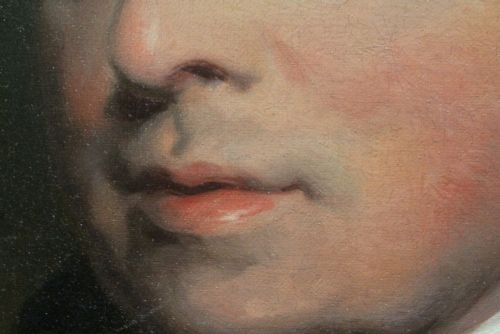
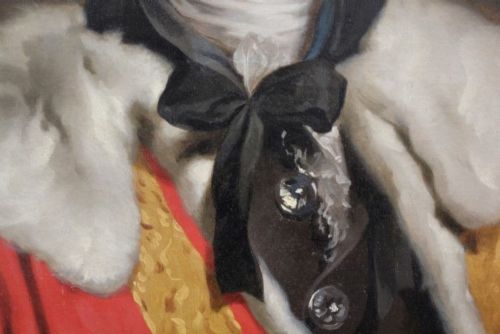
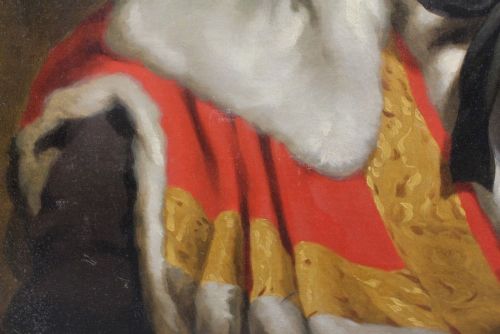
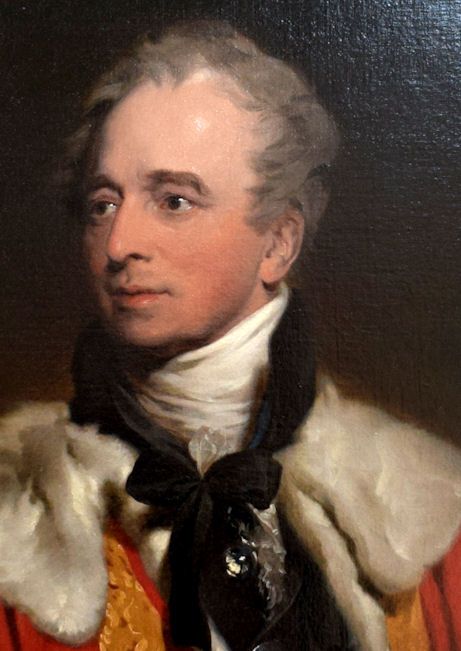
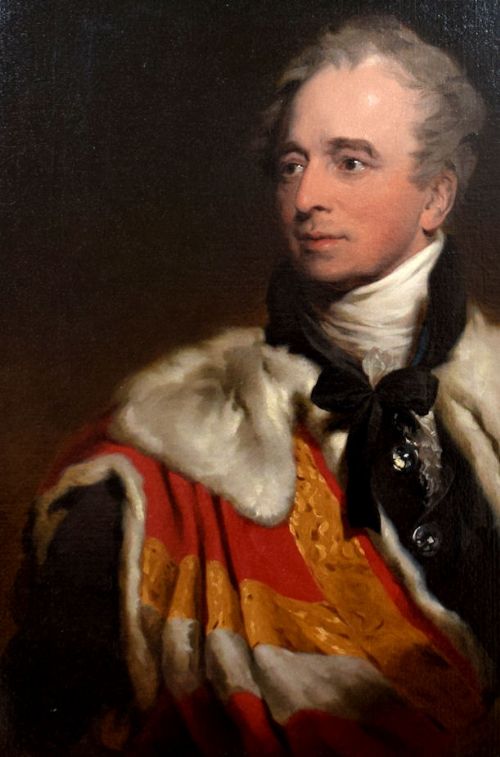
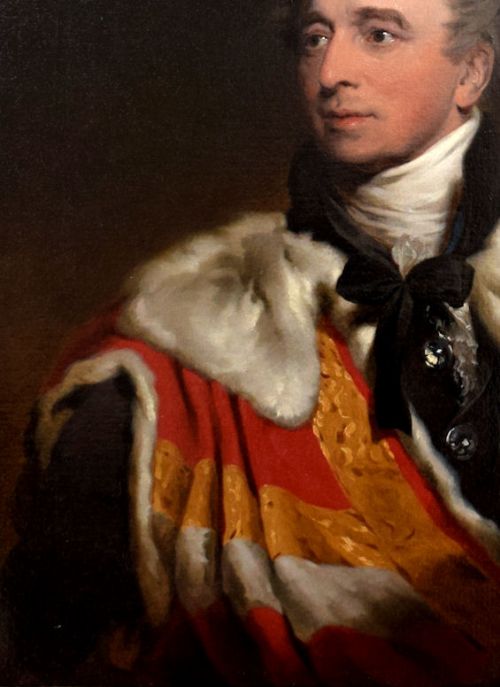
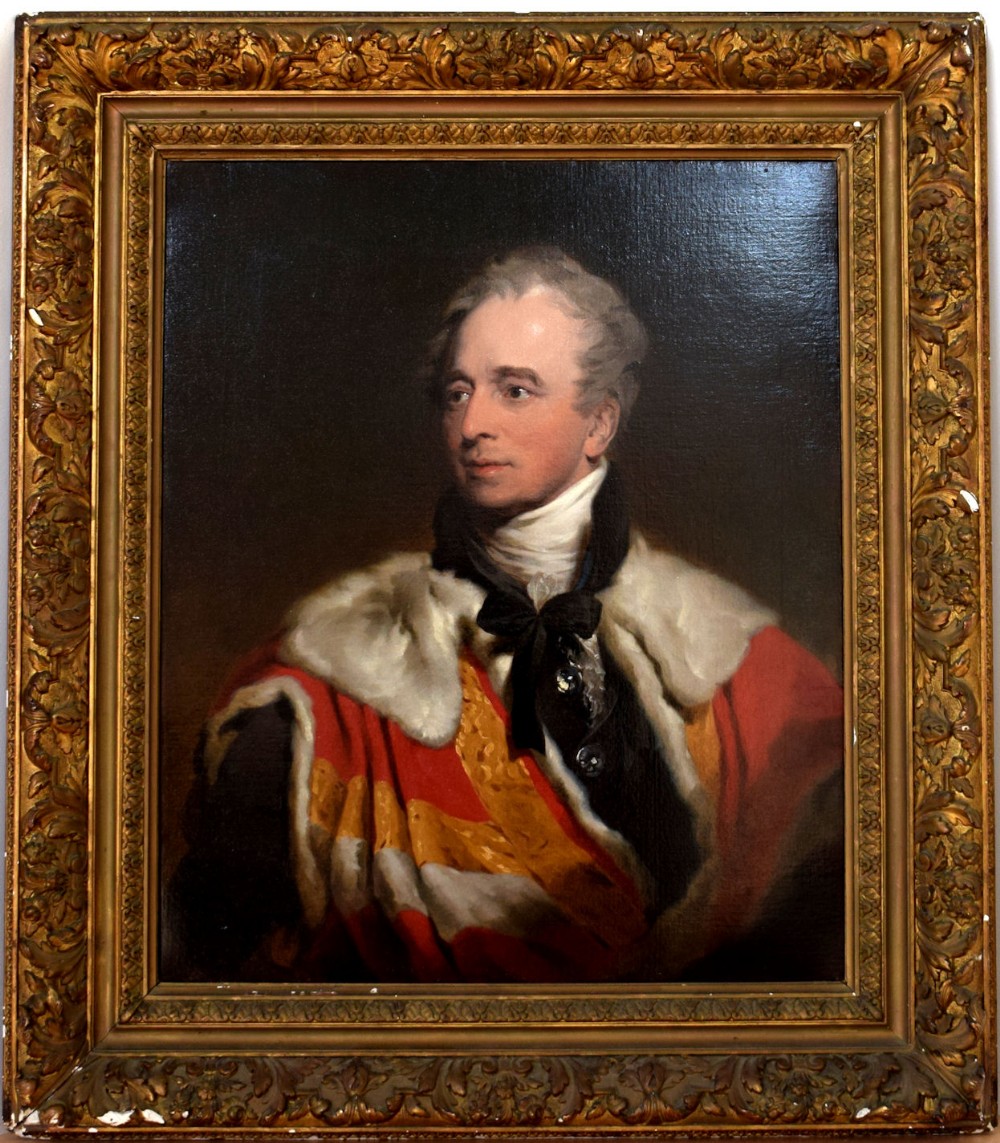
Sir Thomas Lawrence, Pra, Fsra, 1750-1820 Charles Abbot, 1st Baron Colchester Pc, Frs 1757 – 1829
Sold by Artware Fineart
sold SA398345
Sorry, but this item has been sold.

Artware Fineart

Sellingantiques Verified Since Sep 2008
Browse dealers 243 items
Id #SA398345
PDF SHARE
SAVE

Sir Thomas Lawrence, Pra, Fsra, 1750-1820 Charles Abbot, 1st Baron Colchester Pc, Frs 1757 – 1829

19th century
Sold 24 July 2017 · Artware Fineart
This “Sir Thomas Lawrence, Pra, Fsra, 1750-1820 Charles Abbot, 1st Baron Colchester Pc, Frs 1757 – 1829” found a buyer.

It was listed by Artware Fineart. Sold pieces stay on Sellingantiques as a record of what has passed through, and the next one is rarely far away.

Description

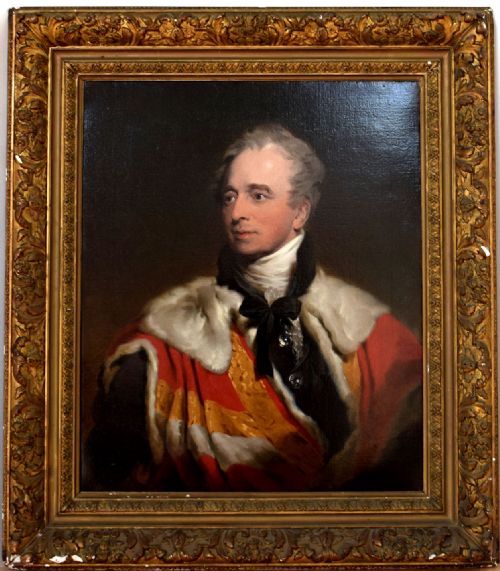
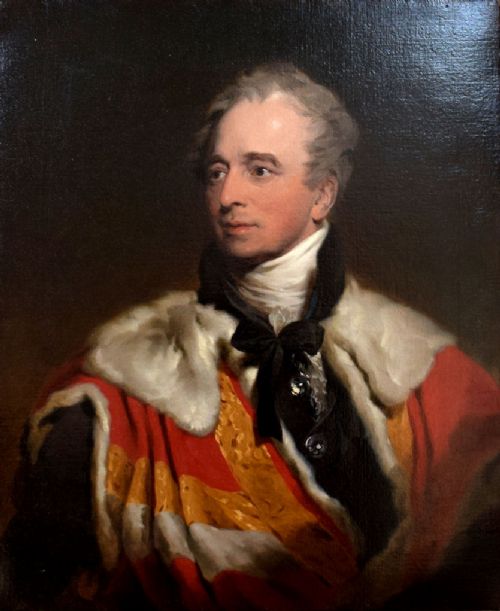
Sir Thomas Lawrence, PRA, FSRA, 1750-1820

Charles Abbot, 1st Baron Colchester PC, FRS 1757 – 1829

9th November 1825

oil on canvas

62 x 75 cm. (30 x 25in.)

There is an identical portrait of the same sitter By Sir Thomas Lawrece, PRA in the Parlimentary Art Collection at Westminster, Accession number: WOA 2725 and given by Lord Colechester in 1825, this portrait is catalogued as after the original, but it is likely that it is a studio version.

Abbot, Charles, first Baron Colchester (1757–1829), speaker of the House of Commons, was born on 14 October 1757 at Abingdon, Berkshire, the son of the Revd John Abbot (d. 1760), a fellow of Balliol College, Oxford, and rector of All Saints, Colchester, and his wife, Sarah, the daughter of Jonathan Farr, a citizen and draper of London. He was educated at Westminster School from 1763 and at Christ Church, Oxford, from 1776, winning the college prize for Latin verse in his first year and the chancellor's prize the year after. In 1778–9 he studied civil law in Geneva and obtained a doctorate, which was complemented by bachelor's and doctoral degrees in English civil law in 1783 and 1793. Elected Vinerian scholar by the University of Oxford in 1781, he was promoted to a residential fellowship in 1786. After being called to the bar from the Middle Temple in 1783 and joining the Oxford and Chester circuits, he surrendered his fellowship in 1792 to practise in the equity courts.
Although Abbot earned some £1500 per annum as a barrister, he found the work uncongenial. He had aimed at a mastership in chancery, but upon his elder brother's death in 1794 he opted instead to succeed him in the relatively undemanding office of clerk of the rules in king's bench, worth £2700 a year. Some contemporaries sneered at his decision to serve personally as clerk rather than through a deputy. This office, noted Sylvester Douglas, was ‘scarcely compatible with the description of a gentleman’ (NL Scot., Glenbervie MSS, diary, 7, fols. 26–31). But the lighter workload and financial security gave Abbot the opportunity to pursue his twin passions for the preservation of historical records and the promotion of administrative reform. In 1795 he published two treatises, The Practice of the Chester Circuit and Rules and Orders on the Plea Side of King's Bench. On 29 December 1796 he married Elizabeth (1760/61–1847), the daughter of Sir Philip Gibbes, first baronet, of Spring Head, Barbados, and his wife, Agnes Osborne. They had two sons.
Abbot sought entry into the Commons in 1790 and was involved in a double return, which was determined against him. His electoral patron was a former schoolfellow, the fifth duke of Leeds, who brought him in for Helston, Cornwall, at the next vacancy in June 1795. Abbot soon made it clear that he intended to pursue an independent political line, giving conspicuous support to the government's repressive legislation of 1795, notwithstanding his patron's opposition and a hostile petition from his constituents. Abbot's speech in favour of the Seditious Meetings Bill on 3 December earned the approbation of both king and prime minister. He also demonstrated a keen interest in the business of legislation, gaining the approval of the speaker, Henry Addington, who became one of his staunchest supporters. On 14 March 1796 Abbot proposed an inquiry into the manner of dealing with expiring laws. He chaired the subsequent committee and delivered the report in June which thereby established a rational system of annual tables so that no time-limited act should expire unnoticed. From 2 November he presided over a committee to regulate the promulgation of the statutes. His report delivered the following year saved £14,000 and enabled government offices and law courts to function more efficiently.

At the general election of 1796 Abbot retained Helston, having rejected offers to s

Date of Manufacture

Artware Fineart has dated this piece to the 1800s.

Physical Dimensions
Height
75cm (29.53")
Width
62cm (24.41")
Depth
2cm (0.79")
Reference Numbers
Sellingantiques Reference
SA398345
Dealers Internal Reference
3836
Description
Sir Thomas Lawrence, PRA, FSRA, 1750-1820

Charles Abbot, 1st Baron Colchester PC, FRS 1757 – 1829

9th November 1825

oil on canvas

62 x 75 cm. (30 x 25in.)

There is an identical portrait of the same sitter By Sir Thomas Lawrece, PRA in the Parlimentary Art Collection at Westminster, Accession number: WOA 2725 and given by Lord Colechester in 1825, this portrait is catalogued as after the original, but it is likely that it is a studio version.

“
Abbot, Charles, first Baron Colchester (1757–1829), speaker of the House of Commons, was born on 14 October 1757 at Abingdon, Berkshire, the son of the Revd John Abbot (d.
Artware Fineart

1760), a fellow of Balliol College, Oxford, and rector of All Saints, Colchester, and his wife, Sarah, the daughter of Jonathan Farr, a citizen and draper of London. He was educated at Westminster School from 1763 and at Christ Church, Oxford, from 1776, winning the college prize for Latin verse in his first year and the chancellor's prize the year after. In 1778–9 he studied civil law in Geneva and obtained a doctorate, which was complemented by bachelor's and doctoral degrees in English civil law in 1783 and 1793. Elected Vinerian scholar by the University of Oxford in 1781, he was promoted to a residential fellowship in 1786. After being called to the bar from the Middle Temple in 1783 and joining the Oxford and Chester circuits, he surrendered his fellowship in 1792 to practise in the equity courts.

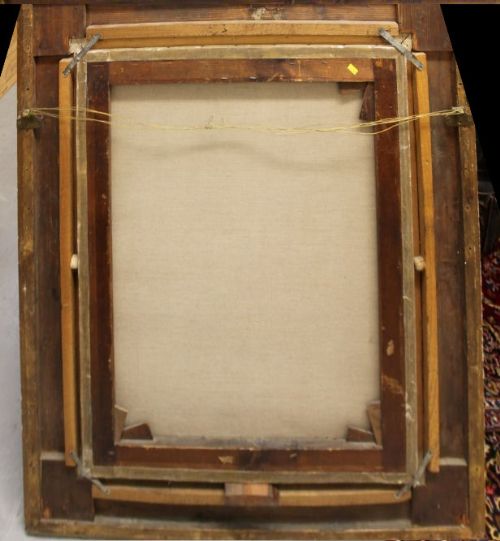
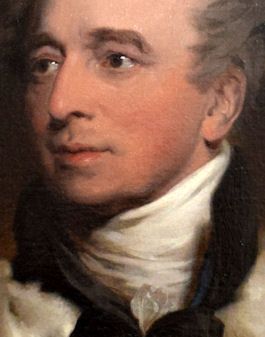
fig 1. Sir Thomas Lawrence, PRA, FSRA, 1750-1820
Charles Abbot, 1st Baron Colchester PC, FRS 1757 – 1829
fig 1. Sir Thomas Lawrence, Pra, Fsra, 1750-1820 Charles Abbot, 1st Baron Colchester Pc, Frs 1757 – 1829

Although Abbot earned some £1500 per annum as a barrister, he found the work uncongenial. He had aimed at a mastership in chancery, but upon his elder brother's death in 1794 he opted instead to succeed him in the relatively undemanding office of clerk of the rules in king's bench, worth £2700 a year. Some contemporaries sneered at his decision to serve personally as clerk rather than through a deputy. This office, noted Sylvester Douglas, was ‘scarcely compatible with the description of a gentleman’ (NL Scot., Glenbervie MSS, diary, 7, fols. 26–31). But the lighter workload and financial security gave Abbot the opportunity to pursue his twin passions for the preservation of historical records and the promotion of administrative reform. In 1795 he published two treatises, The Practice of the Chester Circuit and Rules and Orders on the Plea Side of King's Bench. On 29 December 1796 he married Elizabeth (1760/61–1847), the daughter of Sir Philip Gibbes, first baronet, of Spring Head, Barbados, and his wife, Agnes Osborne. They had two sons.

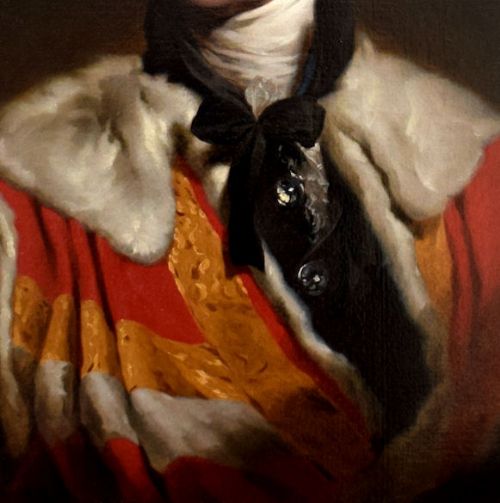
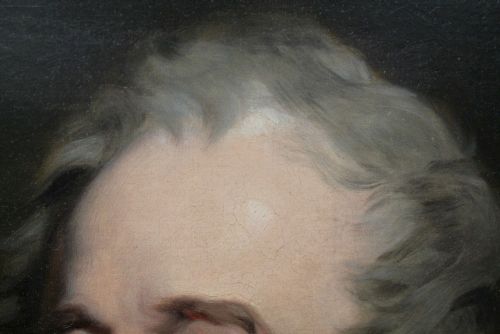
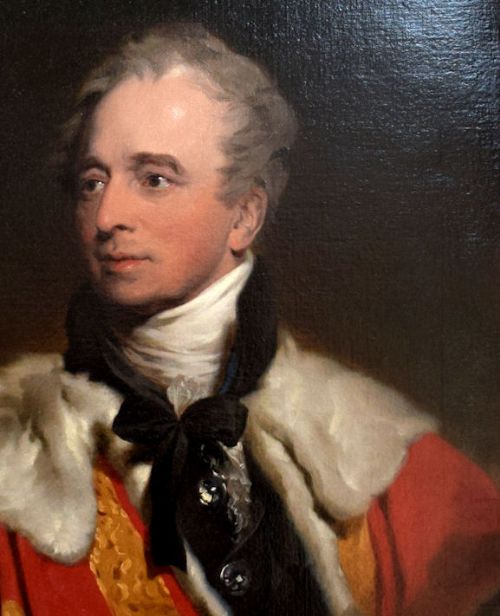
fig 2. Sir Thomas Lawrence, PRA, FSRA, 1750-1820
Charles Abbot, 1st Baron Colchester PC, FRS 1757 – 1829
fig 2. Sir Thomas Lawrence, Pra, Fsra, 1750-1820 Charles Abbot, 1st Baron Colchester Pc, Frs 1757 – 1829

Abbot sought entry into the Commons in 1790 and was involved in a double return, which was determined against him. His electoral patron was a former schoolfellow, the fifth duke of Leeds, who brought him in for Helston, Cornwall, at the next vacancy in June 1795. Abbot soon made it clear that he intended to pursue an independent political line, giving conspicuous support to the government's repressive legislation of 1795, notwithstanding his patron's opposition and a hostile petition from his constituents. Abbot's speech in favour of the Seditious Meetings Bill on 3 December earned the approbation of both king and prime minister. He also demonstrated a keen interest in the business of legislation, gaining the approval of the speaker, Henry Addington, who became one of his staunchest supporters. On 14 March 1796 Abbot proposed an inquiry into the manner of dealing with expiring laws. He chaired the subsequent committee and delivered the report in June which thereby established a rational system of annual tables so that no time-limited act should expire unnoticed. From 2 November he presided over a committee to regulate the promulgation of the statutes. His report delivered the following year saved £14,000 and enabled government offices and law courts to function more efficiently.

At the general election of 1796 Abbot retained Helston, having rejected offers to s

Date of Manufacture

Artware Fineart has dated this piece to the 1800s.

Height
75cm (29.53")
Width
62cm (24.41")
Depth
2cm (0.79")
Reference Numbers
Sellingantiques Ref
SA398345
Dealers Internal Ref
3836
Artware Fineart
Sellingantiques verified Since Sep 2008
Dealer Profile

You can view the stock and full dealer information on the Artware Fineart Profile Page
PDF SHARE
SAVE
Sir Thomas Lawrence, PRA, FSRA, 1750-1820
Charles Abbot, 1st Baron Colchester PC, FRS 1757 – 1829 SOLD6+ MONTHS AGO
1 / 13
Archive I Sir Thomas Lawrence, PRA, FSRA, 1750-1820
Charles Abbot, 1st Baron Colchester PC, FRS 1757 – 1829 SOLD6+ MONTHS AGO

Sir Thomas Lawrence, Pra, Fsra, 1750-1820 Charles Abbot, 1st Baron Colchester Pc, Frs 1757 – 1829
Archive II Sir Thomas Lawrence, PRA, FSRA, 1750-1820
Charles Abbot, 1st Baron Colchester PC, FRS 1757 – 1829 View II
Archive III Sir Thomas Lawrence, PRA, FSRA, 1750-1820
Charles Abbot, 1st Baron Colchester PC, FRS 1757 – 1829 View III
Archive IV Sir Thomas Lawrence, PRA, FSRA, 1750-1820
Charles Abbot, 1st Baron Colchester PC, FRS 1757 – 1829 View IV
Archive V Sir Thomas Lawrence, PRA, FSRA, 1750-1820
Charles Abbot, 1st Baron Colchester PC, FRS 1757 – 1829 View V
Archive VI Sir Thomas Lawrence, PRA, FSRA, 1750-1820
Charles Abbot, 1st Baron Colchester PC, FRS 1757 – 1829 View VI
Archive VII Sir Thomas Lawrence, PRA, FSRA, 1750-1820
Charles Abbot, 1st Baron Colchester PC, FRS 1757 – 1829 View VII
Archive VIII Sir Thomas Lawrence, PRA, FSRA, 1750-1820
Charles Abbot, 1st Baron Colchester PC, FRS 1757 – 1829 View VIII
Archive IX Sir Thomas Lawrence, PRA, FSRA, 1750-1820
Charles Abbot, 1st Baron Colchester PC, FRS 1757 – 1829 View IX
Archive X Sir Thomas Lawrence, PRA, FSRA, 1750-1820
Charles Abbot, 1st Baron Colchester PC, FRS 1757 – 1829 View X
Archive XI Sir Thomas Lawrence, PRA, FSRA, 1750-1820
Charles Abbot, 1st Baron Colchester PC, FRS 1757 – 1829 View XI
Archive XII Sir Thomas Lawrence, PRA, FSRA, 1750-1820
Charles Abbot, 1st Baron Colchester PC, FRS 1757 – 1829 View XII
Archive XIII Sir Thomas Lawrence, PRA, FSRA, 1750-1820
Charles Abbot, 1st Baron Colchester PC, FRS 1757 – 1829 View XIII
Enlarged Archival View
Telephone 07958 699 645
Location
18 La Gare
51 Surrey Row
London
SE1 0BZ
United Kingdom
Verified Since Sep 2008
Items For Sale 243
Items Sold 223
Artware Fineart
Verified Since Sep 2008
View Dealer Info
Location: 18 La Gare , 51 Surrey Row , London , SE1 0BZ , United Kingdom
Verified
Sep 2008
For Sale
243
Sold
223
Sir Thomas Lawrence, PRA, FSRA, 1750-1820
Charles Abbot, 1st Baron Colchester PC, FRS 1757 – 1829
Sir Thomas Lawrence, PRA, FSRA, 1750-1820 Charles Abbot, 1st Baron Colchester PC, FRS 1757 – 1829
Ref: SA398345
Sir Thomas Lawrence, PRA, FSRA, 1750-1820
Charles Abbot, 1st Baron Colchester PC, FRS 1757 – 1829
Detail View 1
Detail View 2
Detail View 3
Detail View 4
Detail View 5
Detail View 6
Detail View 7
Detail View 8
Detail View 9
Detail View 10
Detail View 11
Detail View 12
Archival Detail
Every single antique dealer on our platform is individually approved by our internal team. We verify their professional trade history, ethical standards, and photographic quality to ensure a secure, high-standard buying environment. Upon joining, every dealer agrees to a strict 9-point code of conduct. While issues can occasionally arise, our dealers typically resolve them swiftly and directly with the buyer. In fact, since our founding in 2002, Sellingantiques has only had to step in to help resolve an issue on roughly five occasions—a true testament to the quality of our dealers and their dedication to your happiness.
Our dealers are highly experienced in packing and shipping fragile, high-value antiques. Because you are in direct contact with the dealer, you will be able to easily go through all available shipping and insurance options together to ensure your item arrives safely.
Antiques are the ultimate green purchase. By choosing historical pieces over newly manufactured goods, you completely eliminate the carbon footprint of modern mass production while preserving exceptional, timeless craftsmanship.
Written by Sellingantiques from the dealer’s photographs and listing
  • Period19th century
  • SizeH 75 cm (30 in) x W 62 cm (24 in) x D 2 cm (1 in)
items
Add keywords to the filter
Price
£100
£250000
Era
Period
Style
Material
Origin
Stock Location
Recently Added
Online Payments
Categories