2,408  PAGES BROWSED TODAY PAGES TODAY • 0 ANTIQUES UPLOADED TODAYNEW ARRIVALS
GIFTS
LATEST STOCK
Sort Order
Items Per Page
Browse Categories
Sort order
Items per page
ID #SA398200
SOLD
Email Phone
Save
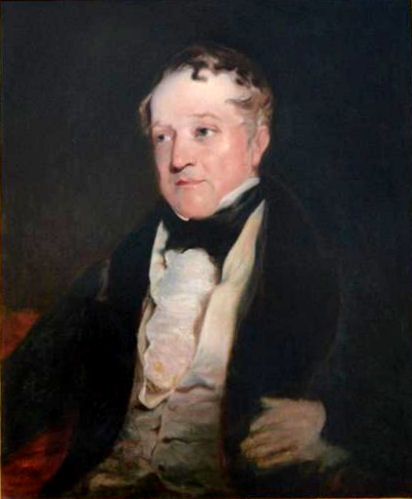
Richard Rothwell, 1800-1868 The Rt Hon William Huskisson, Mp 1770-1830
Sold by Artware Fineart
sold SA398200
Sorry, but this item has been sold.

Artware Fineart

Sellingantiques Verified Since Sep 2008
Browse dealers 243 items
Id #SA398200
PDF SHARE
SAVE

Richard Rothwell, 1800-1868 The Rt Hon William Huskisson, Mp 1770-1830

19th century
Sold 3 October 2016 · Artware Fineart
This “Richard Rothwell, 1800-1868 The Rt Hon William Huskisson, Mp 1770-1830” found a buyer.

It was listed by Artware Fineart. Sold pieces stay on Sellingantiques as a record of what has passed through, and the next one is rarely far away.

Description

Richard Rothwell, 1800-1868

The Rt Hon William Huskisson, MP 1770-1830

oil on canvas

30 x 25 in. (76 x 64 cm.)

Provenance : Lord Egremont

There are 3 known portraits by Rothwell of William Huskisson, one is in the National Portrait Gallery, London, the other is in the Parliamentary Works of Art Collection, Westminster and the third is this newly discovered portrait. This portrait is partially unfinished and is likely to be the portrait mentioned in the National Portrait Galleries archives as being commissioned for Lord Egremont but it remained unfinished. The artist Richard Rothwell wrote that the first version of this portrait 'was so successful a likeness that it gave much pleasure to the friends of the lamented statesman'.

William Huskisson, (1770–1830), politician, was born on 11 March 1770 at Birtsmorton Court, Worcestershire, the eldest of four sons of William Huskisson (1743–1790), gentleman, and his first wife, Elizabeth (c.1743–1774), who was daughter of John Rotton of Oxley, Staffordshire, and his wife, Jane. Thomas Huskisson (1784–1844) was his half-brother. As a young boy Huskisson was sent away to school, in turn to Brewood, in Staffordshire; Albrighton, in Shropshire; and Appleby, in Leicestershire. Following his father's second marriage he was sent in 1783, with his brother Richard, to be educated by their mother's uncle, Richard Gem, who had settled as a doctor in Paris in 1762. Under his guidance Huskisson received an unorthodox education which would later mark him out from his political colleagues. For Gem's friends included the freethinking Baron d'Holbach and other philosophers, as well as Franklin and Jefferson. In the light of subsequent ultra-tory charges that he had been a Jacobin, Huskisson prudently claimed that his ideas had been formed in England. But it is difficult to believe that he was untouched by the intellectual currents of late Enlightenment France. He witnessed the fall of the Bastille, was an early critic of Burke's ‘strange romantic doctrines’ (Melville, 9), and was befriended by the radical poet William Hayley. He made his first public mark as a member of the liberal Société de 1789, contributing in August 1790 a strong criticism of the new French paper currency. The leading light in this club was Condorcet, at whose home Talleyrand claimed Huskisson learned his system of public economy, while it was less credibly rumoured that Madame Condorcet taught him the arts of love. Huskisson's political outlook, albeit subsequently modulated by other influences, retained much in common with that of the French school of political economy of Turgot, Say, and the Idéologues. More importantly for his immediate political career, in late 1790 Huskisson became private secretary to the British ambassador, Earl Gower, sharing intimately in the événements of the early revolution before returning to London in September 1792, after Britain severed diplomatic relations with France.

Under the patronage of Gower, Huskisson was introduced to Pitt and Dundas. His grasp of French as well as his administrative promise led to his appointment as superintendent of the aliens office in January 1793, overseeing arrangements for the influx of French émigrés and helping to set up Britain's modern secret service. In July 1794 Huskisson moved with Dundas and Nepean to the War Office, where he became chief clerk. He had impressed his seniors so much that when Nepean subsequently moved to the Admiralty he was able to lay claim to his post as under-secretary in March 1795, a remarkable promotion for a 24-year-old recommended by talent rather than by pedigree. In 1796, through Gower's friend the earl of Carlisle, Huskisson was elected to parliament for Morpeth. It was also at Gower's Wimbledon home that Huskisson first met Canning, forming a strong personal attachment that became the lodestar of his late

Date of Manufacture

Artware Fineart has dated this piece to the 1800s.

Reference Numbers
Sellingantiques Reference
SA398200
Dealers Internal Reference
3867
Description
Richard Rothwell, 1800-1868

The Rt Hon William Huskisson, MP 1770-1830

oil on canvas

30 x 25 in. (76 x 64 cm.)

Provenance : Lord Egremont

There are 3 known portraits by Rothwell of William Huskisson, one is in the National Portrait Gallery, London, the other is in the Parliamentary Works of Art Collection, Westminster and the third is this newly discovered portrait.

“
This portrait is partially unfinished and is likely to be the portrait mentioned in the National Portrait Galleries archives as being commissioned for Lord Egremont but it remained unfinished.
Artware Fineart

The artist Richard Rothwell wrote that the first version of this portrait 'was so successful a likeness that it gave much pleasure to the friends of the lamented statesman'.

fig 1. Richard Rothwell, 1800-1868
The Rt Hon William Huskisson, MP 1770-1830
fig 1. Richard Rothwell, 1800-1868 The Rt Hon William Huskisson, Mp 1770-1830

William Huskisson, (1770–1830), politician, was born on 11 March 1770 at Birtsmorton Court, Worcestershire, the eldest of four sons of William Huskisson (1743–1790), gentleman, and his first wife, Elizabeth (c.1743–1774), who was daughter of John Rotton of Oxley, Staffordshire, and his wife, Jane. Thomas Huskisson (1784–1844) was his half-brother. As a young boy Huskisson was sent away to school, in turn to Brewood, in Staffordshire; Albrighton, in Shropshire; and Appleby, in Leicestershire. Following his father's second marriage he was sent in 1783, with his brother Richard, to be educated by their mother's uncle, Richard Gem, who had settled as a doctor in Paris in 1762. Under his guidance Huskisson received an unorthodox education which would later mark him out from his political colleagues. For Gem's friends included the freethinking Baron d'Holbach and other philosophers, as well as Franklin and Jefferson. In the light of subsequent ultra-tory charges that he had been a Jacobin, Huskisson prudently claimed that his ideas had been formed in England. But it is difficult to believe that he was untouched by the intellectual currents of late Enlightenment France. He witnessed the fall of the Bastille, was an early critic of Burke's ‘strange romantic doctrines’ (Melville, 9), and was befriended by the radical poet William Hayley. He made his first public mark as a member of the liberal Société de 1789, contributing in August 1790 a strong criticism of the new French paper currency. The leading light in this club was Condorcet, at whose home Talleyrand claimed Huskisson learned his system of public economy, while it was less credibly rumoured that Madame Condorcet taught him the arts of love. Huskisson's political outlook, albeit subsequently modulated by other influences, retained much in common with that of the French school of political economy of Turgot, Say, and the Idéologues. More importantly for his immediate political career, in late 1790 Huskisson became private secretary to the British ambassador, Earl Gower, sharing intimately in the événements of the early revolution before returning to London in September 1792, after Britain severed diplomatic relations with France.

Under the patronage of Gower, Huskisson was introduced to Pitt and Dundas. His grasp of French as well as his administrative promise led to his appointment as superintendent of the aliens office in January 1793, overseeing arrangements for the influx of French émigrés and helping to set up Britain's modern secret service. In July 1794 Huskisson moved with Dundas and Nepean to the War Office, where he became chief clerk. He had impressed his seniors so much that when Nepean subsequently moved to the Admiralty he was able to lay claim to his post as under-secretary in March 1795, a remarkable promotion for a 24-year-old recommended by talent rather than by pedigree. In 1796, through Gower's friend the earl of Carlisle, Huskisson was elected to parliament for Morpeth. It was also at Gower's Wimbledon home that Huskisson first met Canning, forming a strong personal attachment that became the lodestar of his late

Date of Manufacture

Artware Fineart has dated this piece to the 1800s.

Reference Numbers
Sellingantiques Ref
SA398200
Dealers Internal Ref
3867
Artware Fineart
Sellingantiques verified Since Sep 2008
Dealer Profile

You can view the stock and full dealer information on the Artware Fineart Profile Page
PDF SHARE
SAVE
Richard Rothwell, 1800-1868
The Rt Hon William Huskisson, MP 1770-1830 SOLD6+ MONTHS AGO
1 / 2
Archive I Richard Rothwell, 1800-1868
The Rt Hon William Huskisson, MP 1770-1830 SOLD6+ MONTHS AGO

Richard Rothwell, 1800-1868 The Rt Hon William Huskisson, Mp 1770-1830

Archive II Richard Rothwell, 1800-1868
The Rt Hon William Huskisson, MP 1770-1830 View II
Enlarged Archival View
Telephone 07958 699 645
Location
18 La Gare
51 Surrey Row
London
SE1 0BZ
United Kingdom
Verified Since Sep 2008
Items For Sale 243
Items Sold 223
Artware Fineart
Verified Since Sep 2008
View Dealer Info
Location: 18 La Gare , 51 Surrey Row , London , SE1 0BZ , United Kingdom
Verified
Sep 2008
For Sale
243
Sold
223
Richard Rothwell, 1800-1868
The Rt Hon William Huskisson, MP 1770-1830
Richard Rothwell, 1800-1868 The Rt Hon William Huskisson, MP 1770-1830
Ref: SA398200
Richard Rothwell, 1800-1868
The Rt Hon William Huskisson, MP 1770-1830
Detail View 1
Archival Detail
Every single antique dealer on our platform is individually approved by our internal team. We verify their professional trade history, ethical standards, and photographic quality to ensure a secure, high-standard buying environment. Upon joining, every dealer agrees to a strict 9-point code of conduct. While issues can occasionally arise, our dealers typically resolve them swiftly and directly with the buyer. In fact, since our founding in 2002, Sellingantiques has only had to step in to help resolve an issue on roughly five occasions—a true testament to the quality of our dealers and their dedication to your happiness.
Our dealers are highly experienced in packing and shipping fragile, high-value antiques. Because you are in direct contact with the dealer, you will be able to easily go through all available shipping and insurance options together to ensure your item arrives safely.
Antiques are the ultimate green purchase. By choosing historical pieces over newly manufactured goods, you completely eliminate the carbon footprint of modern mass production while preserving exceptional, timeless craftsmanship.
Written by Sellingantiques from the dealer’s photographs and listing
  • Period19th century
items
Add keywords to the filter
Price
£100
£250000
Era
Period
Style
Material
Origin
Stock Location
Recently Added
Online Payments
Categories