


A 2026 Guide by Sellingantiques
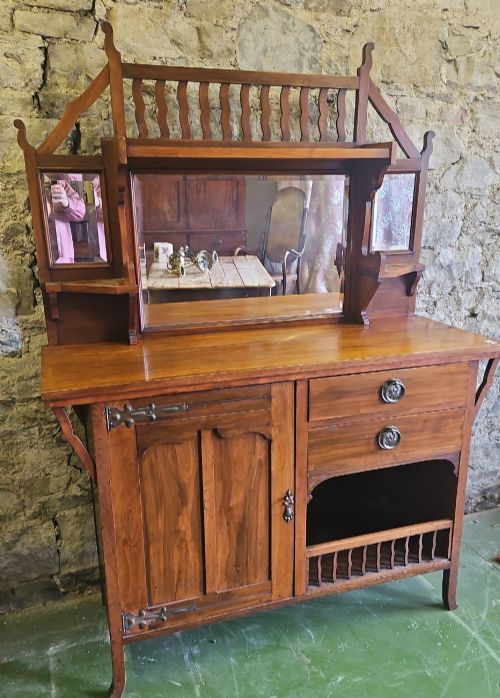
Antique Walnut French Buffet Sideboard Server, 1880
Priced at £525 from The Antique Shop
They evolved in the late eighteenth century as dining habits shifted away from eating in the main hall.
Before antique servers appeared, households simply used plain side tables.
Look at how the form stretched out. Georgian examples started quite compact, fitting neatly into alcoves.
By the Regency period, they dominated the dining room wall, gaining robust pillars and heavier decorative carvings.
Thomas Sheraton published influential server designs in his drawing books during the 1790s.
Look for Gillows of Lancaster stamps. They produced hundreds of standard models during the nineteenth century.
Provincial cabinetmakers often copied pattern books rather than inventing new shapes for the local gentry.
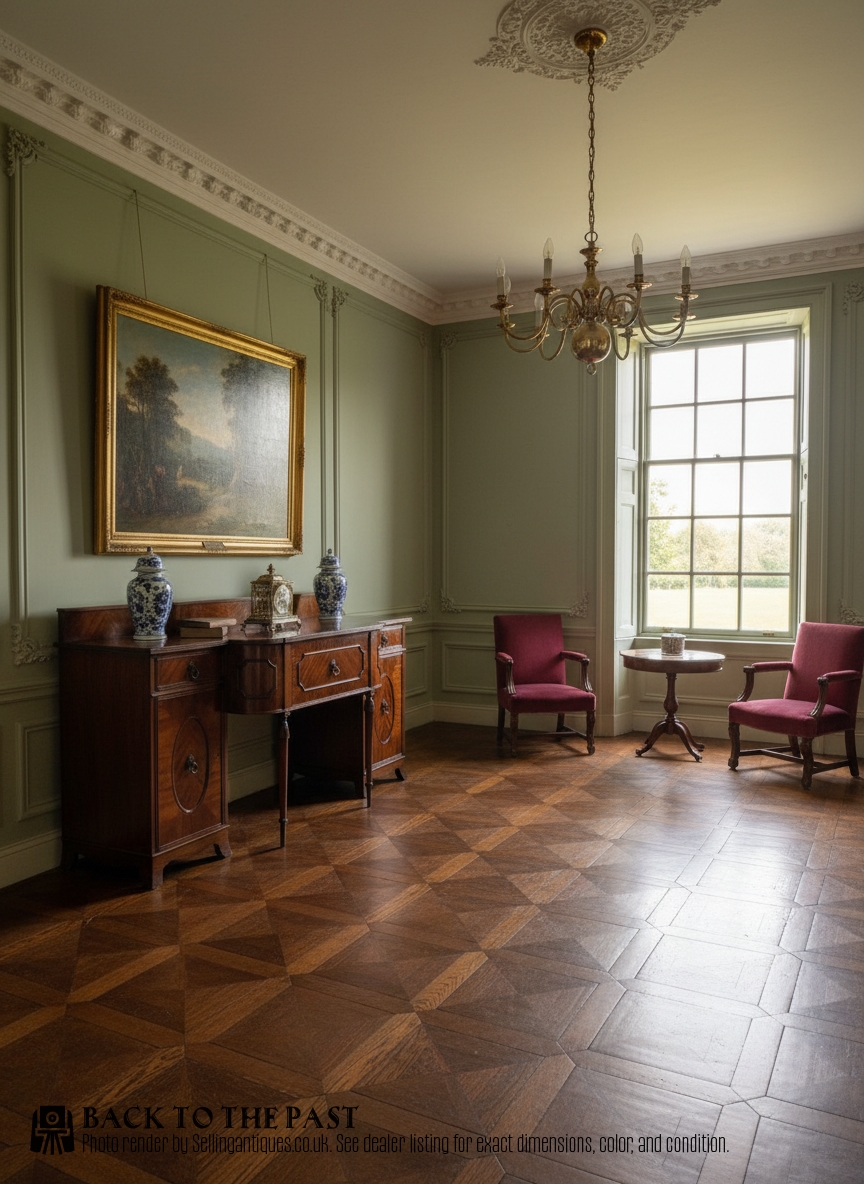
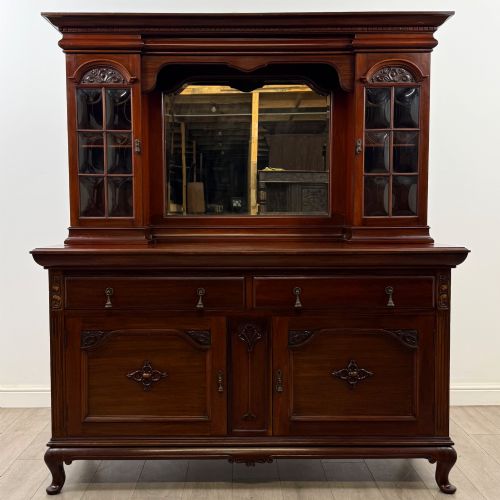
Outstanding Quality Antique Edwardian Mahogany Sideboard by Goodall of Manchester
, 1900
Priced at £4,750 from London City Antiques
The 2026 retail price guide for Antique Servers is drawn from a proprietary archive of over 1.1 million retail prices indexed by Sellingantiques since 2003. This guide relies exclusively on their own internal data; no external sources or auction records are used.
Analysing nearly 25 years of UK antique market history alongside current retail values, the data indicates that typical UK retail prices for Antique Servers range between £400 and £3,000. Entry-level prices generally fall under £400 and premium examples upwards of £3,000.
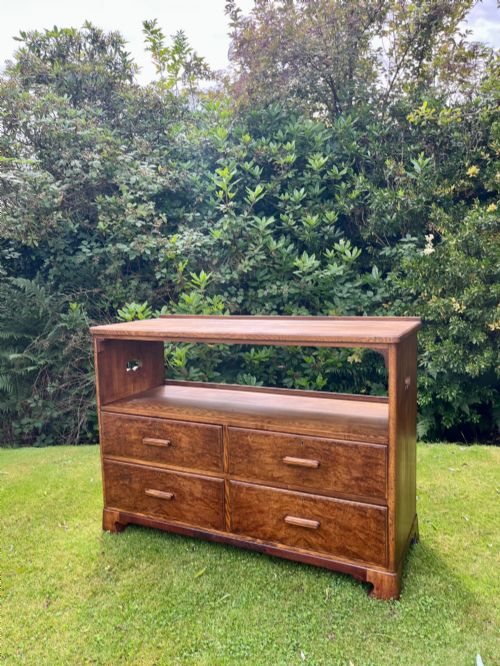
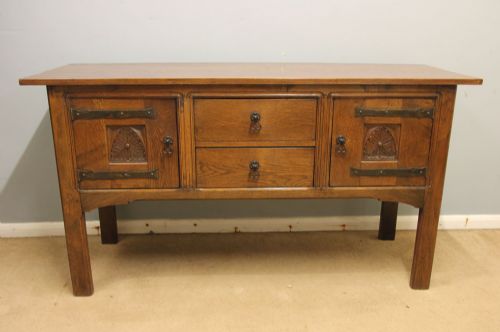
A shallow central drawer positioned between two deeper side compartments.
Gallery backs stop serving plates slipping off the rear edge and damaging the dining room wallpaper.
Notice the tapered legs. They help lighten the visual weight of a substantial block of furniture.
Early makers used tight hand-cut dovetails on every single drawer corner.
Look at the veneer application. Symmetrical crotch mahogany patterns require careful matching and great skill to lay flat.
Mechanised preparation of timber. Circular saws eventually made thick carcase planks faster to cut.
"Deliberate display stages for showing off family silver between formal meals."
"Notice the hidden pull-out slides. Some designs integrate these for extra resting space during large dinners."
Based on almost 25 years of Sellingantiques UK antique market data, Antique Servers appeared 3972 times (out of 1,100,000 antiques) which gives it a rarity score of 45/100.
This score measures scarcity within the Sellingantiques archive only and is not a survey of the entire antiques market, so these statistics may not be indicative of the general availability of Antique Servers elsewhere.
Pull the drawer out and check the wooden runners underneath. They often get dry and grind against the carcase rails.
Rub a plain wax candle along both friction surfaces. This simple lubrication usually gets them gliding smoothly again.
The deep drawer on a server often held wine bottles. Most have timber partitions to stop glass clinking together when the drawer moves.
Some early ones retain a lead lining. This allowed the butler to pack ice around the wine before serving.
Gently check how the gallery attaches to the main top. Many slot into small holes using wooden dowels, while others are held by brass brackets at the rear.
If it uses wooden dowels, old animal glue tends to dry out and fracture over time. You might need to clean the socket out before reapplying a fresh adhesive.
Never force the timber to move. Thin mahogany upstands snap easily if you bend them backwards.
Those original brass castors seize up when dust and floor wax pack tightly into the housing. A drop of light machine oil can sometimes free the central pin.
Usually it is safer to lift the piece rather than dragging it. Forcing a loaded carcase across a room on stuck wheels puts heavy strain on the leg joints.
Please note: This Antique Servers guide and its associated pricing data are provided for general informational purposes only. It does not constitute formal financial, investment, or appraisal advice and should not be relied upon as the sole basis for any commercial activity, purchasing, or sales decisions. Sellingantiques.co.uk accepts no liability for any actions taken in reliance on this information. Always consult with a qualified professional or independent appraiser.

