
There are no results to show on this page for that combination of filters:
Antique Satinwood Sideboards in Scotland
A 2026 Guide by Sellingantiques
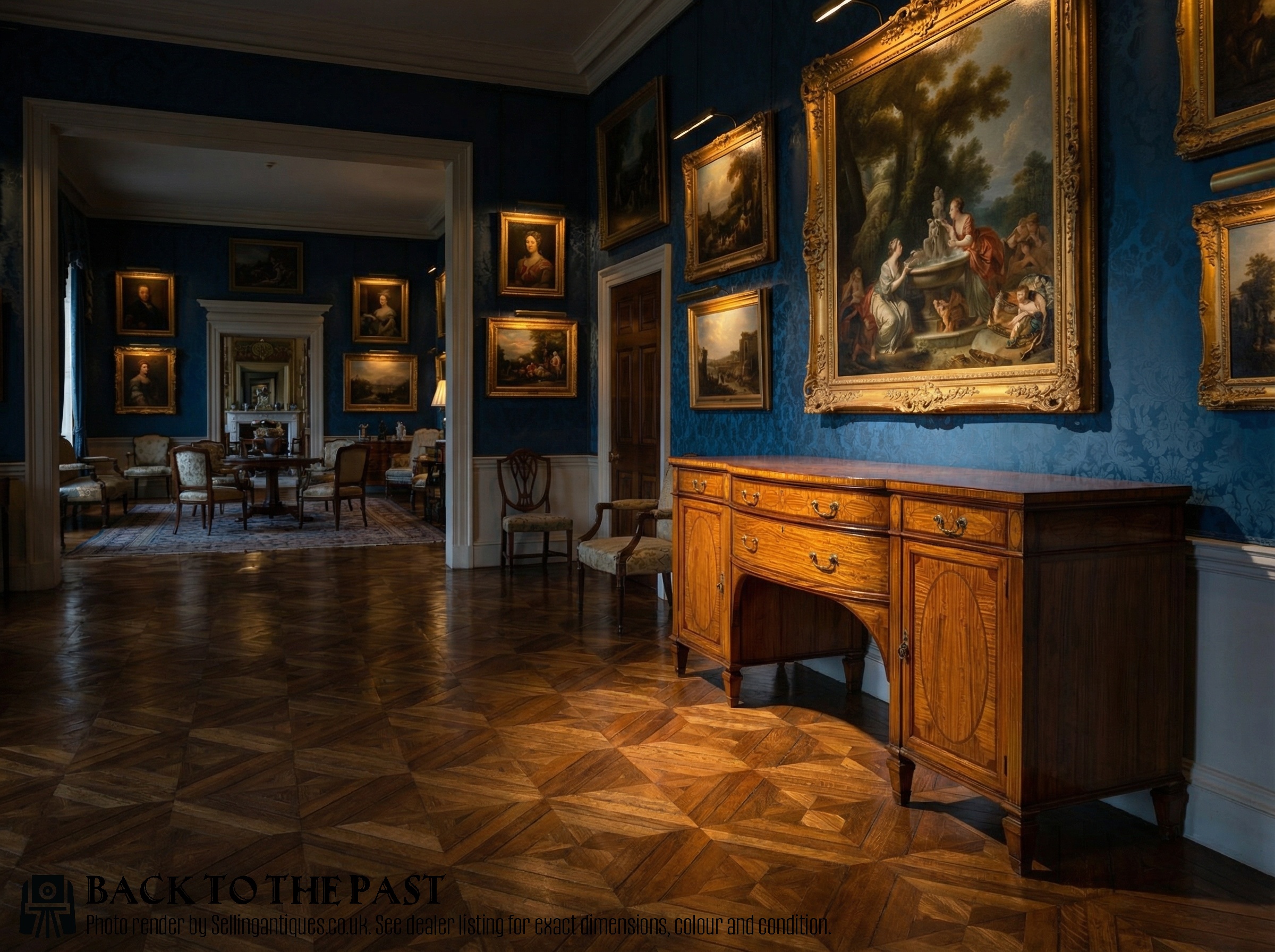
Edwardian Satinwood Sideboard, Edwardian
Priced at £1,650 from Michael Youll Antiques
Late Georgian dining habits required dedicated serving furniture. These sideboards emerged to hold cutlery and wine out of the way.
Satinwood gained ground after the mahogany boom. The lighter timber suited the delicate neoclassical interiors fashionable in the late eighteenth century.
Look at the scale of antique satinwood sideboards. They reflect a period when dining rooms grew larger and entertaining became formal.
Cellaret drawers are a common inclusion. Dining took hours, so keeping bottles close saved servants walking back to the cellar.
Demand dropped by the Regency period. Rosewood and darker woods took over the dining room aesthetic.
Thomas Sheraton published designs for these forms. His drawings popularised the delicate, pale timber look across London.
Gillows of Lancaster produced satinwood dining furniture. Their stamp occasionally turns up on a drawer edge.
Regional cabinetmakers copied the London pattern books. A piece without a stamp is standard, as few eighteenth-century workshops labelled their output.
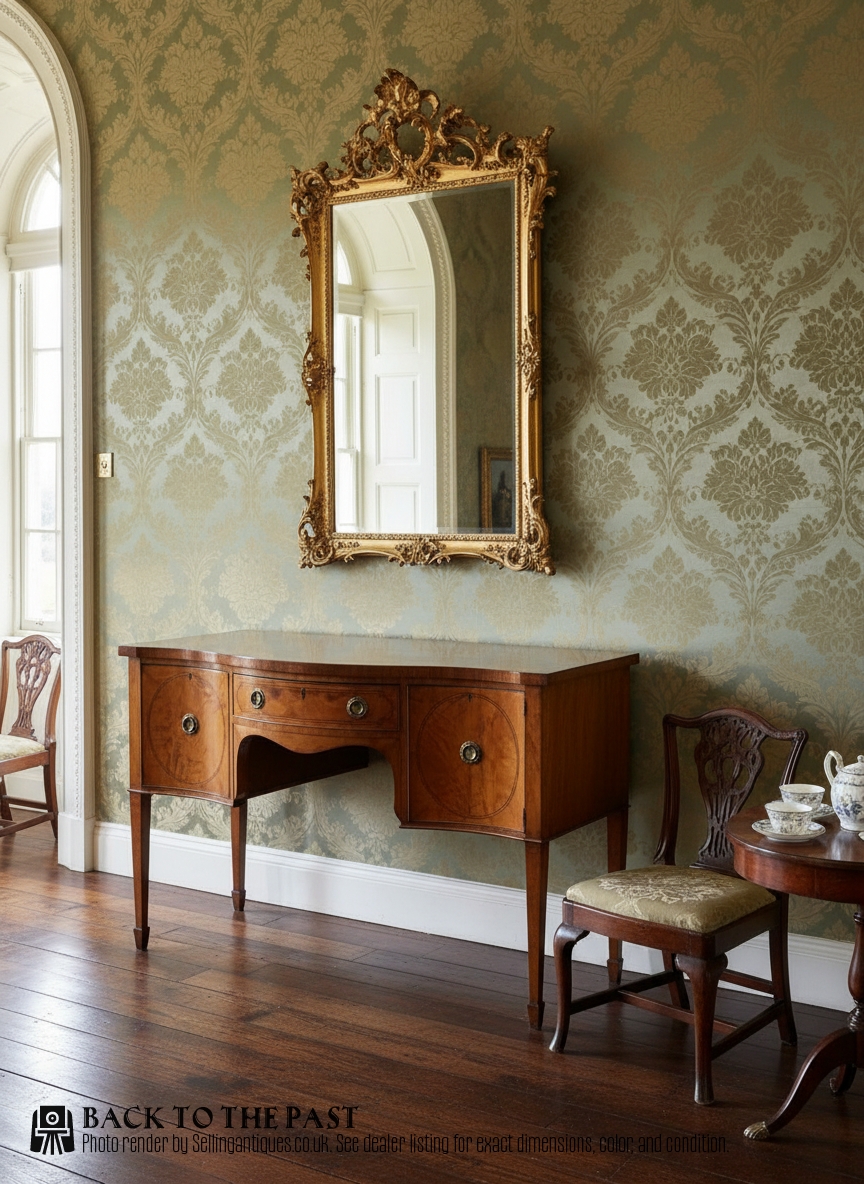
Fine Quality Antique Victorian Satinwood Serpentine Shaped Sideboard, 1880
Priced at £2,650 from London City Antiques
The 2026 retail price guide for Antique Satinwood Sideboards is drawn from a proprietary archive of over 1.1 million retail prices indexed by Sellingantiques since 2003. This guide relies exclusively on their own internal data; no external sources or auction records are used.
Analysing nearly 25 years of UK antique market history alongside current retail values, the data indicates that typical UK retail prices for Antique Satinwood Sideboards range between £1,300 and £10,600. Entry-level prices generally fall under £1,300 and premium examples upwards of £10,600.
Serpentine or bow fronts. The sweeping shape catches the light and shows off the golden veneer.
Tapered square legs appear on almost all Georgian examples. Spade feet often finish them off.
Central napery drawers held table linens. Flanking these, you find deep cupboards or lead-lined wine compartments.
Veneering was essential. Cabinetmakers laid thin sheets of highly figured satinwood over stable pine carcases using animal glue.
Hand-cut dovetails secure the drawer linings. The pins are much finer on late eighteenth-century work than earlier pieces.
Inspect the back. Rough-sawn boards show the hand tools used before mechanised mills took over.
"The wood smells faintly of coconut when freshly cut. This natural scent sometimes lingers inside enclosed, undisturbed drawers."
"Pot cupboards were sometimes built into the ends. Diners could use a chamber pot without leaving the room during long meals."
"They were status symbols. The expense of the imported timber told guests they were dining well."
Based on almost 25 years of Sellingantiques UK antique market data, Antique Satinwood Sideboards appeared 345 times (out of 1,100,000 antiques) which gives it a rarity score of 93/100.
This score measures scarcity within the Sellingantiques archive only and is not a survey of the entire antiques market, so these statistics may not be indicative of the general availability of Antique Satinwood Sideboards elsewhere.
Take them off if you can. It stops metal polish getting trapped in the wood grain.
Use a mild brass cleaner and a soft cloth. Avoid rubbing too hard, as Georgian fittings often have thin surface finishes.
Sudden temperature shifts are the main problem. Central heating dries the air, which shrinks the underlying pine.
When the secondary wood moves, the old hide glue can fail. The thin veneer layer might then crack or bubble.
Keep it away from direct heat sources. A room humidifier helps maintain stability during winter.
Wooden runners wear down over a century of use. The drawer drops slightly and rubs against the frame below.
Rubbing a candle stub along the runners helps. If the wear is deep, a restorer can glue a thin oak strip to build the edge back up.
That is a cellaret. The lead lining stopped melting ice from soaking the timber.
Servants packed it with ice to chill wine. The metal prevented leaks.
Please note: This Antique Satinwood Sideboards guide and its associated pricing data are provided for general informational purposes only. It does not constitute formal financial, investment, or appraisal advice and should not be relied upon as the sole basis for any commercial activity, purchasing, or sales decisions. Sellingantiques.co.uk accepts no liability for any actions taken in reliance on this information. Always consult with a qualified professional or independent appraiser.
