

A 2026 Guide by Sellingantiques
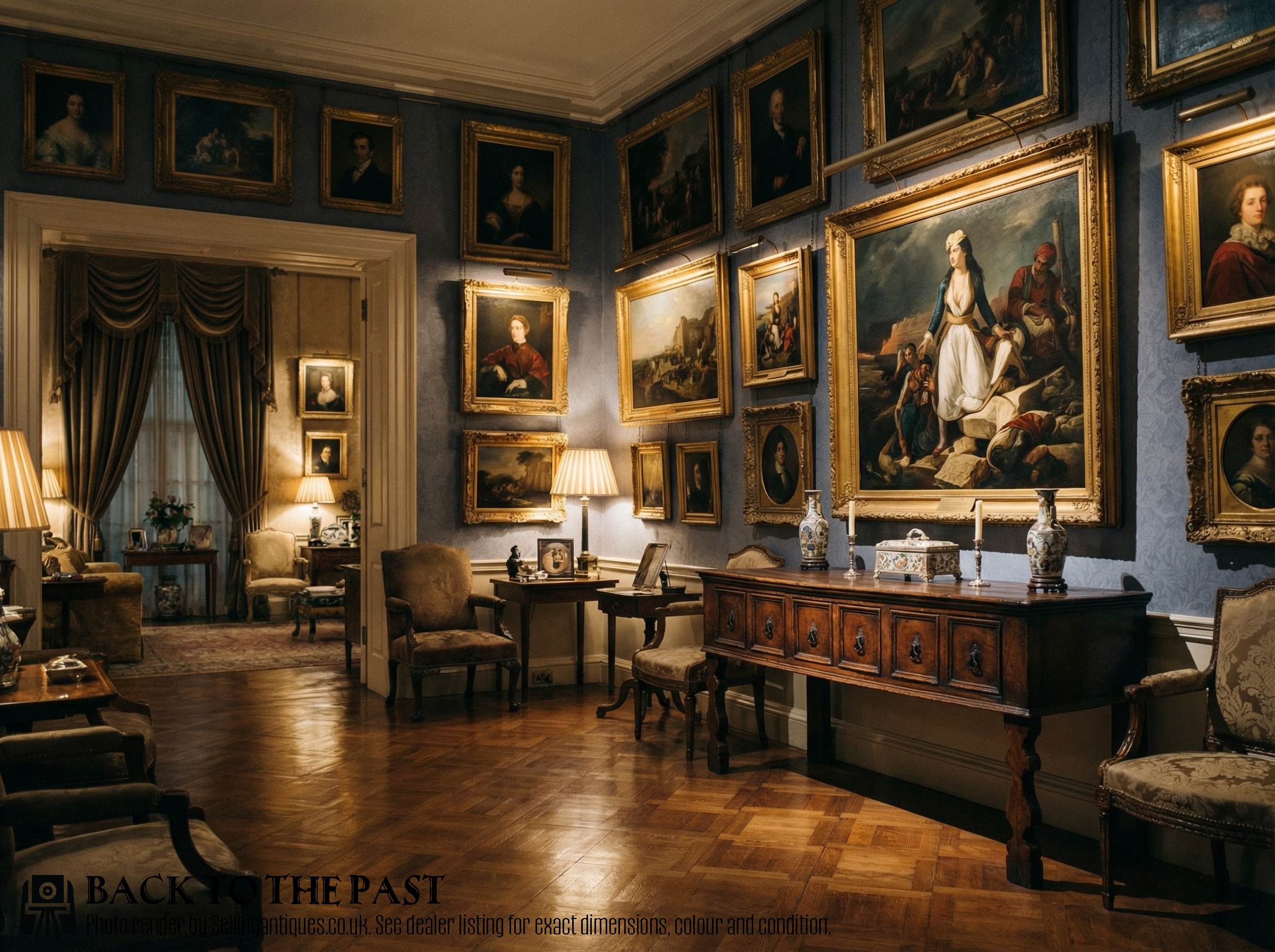
17th Century Oak Dresser Base, 17th Century
Priced at £3,800 from Hesketh Antiques
Look at the evolution of eating habits. Earlier houses relied on simple flat boards laid over trestles.
The need for dedicated serving spaces drove the development of the first antique oak sideboards during the seventeenth century.
You'll notice Georgian examples becoming visually lighter as wealthy tastes shifted towards imported mahogany.
A massive resurgence occurred during the Victorian Gothic revival. Heavy medieval carving returned to fashion.
Provincial workshops produced most antique oak sideboards rather than famous London names.
Welsh artisans favoured the traditional cwybr form, though dedicated serving tables also emerge from these rural joiners.
Look out for distinct carved motifs. Yorkshire and Lancashire carvers applied specific running patterns to the frieze rails.

Outstanding Quality Antique Victorian Carved Oak Sideboard, 1880
Priced at £2,885 from London City Antiques
The 2026 retail price guide for Antique Oak Sideboards is drawn from a proprietary archive of over 1.1 million retail prices indexed by Sellingantiques since 2003. This guide relies exclusively on their own internal data; no external sources or auction records are used.
Analysing nearly 25 years of UK antique market history alongside current retail values, the data indicates that typical UK retail prices for Antique Oak Sideboards range between £400 and £2,400. Entry-level prices generally fall under £400 and premium examples upwards of £2,400.
Deep central drawers originally held stacked table linens and silver cutlery.
Open the flanking cupboards. These tall spaces housed tall wine bottles or large serving platters out of sight.
Expect a shallow raised gallery along the back edge. This stopped plates slipping down behind the furniture.
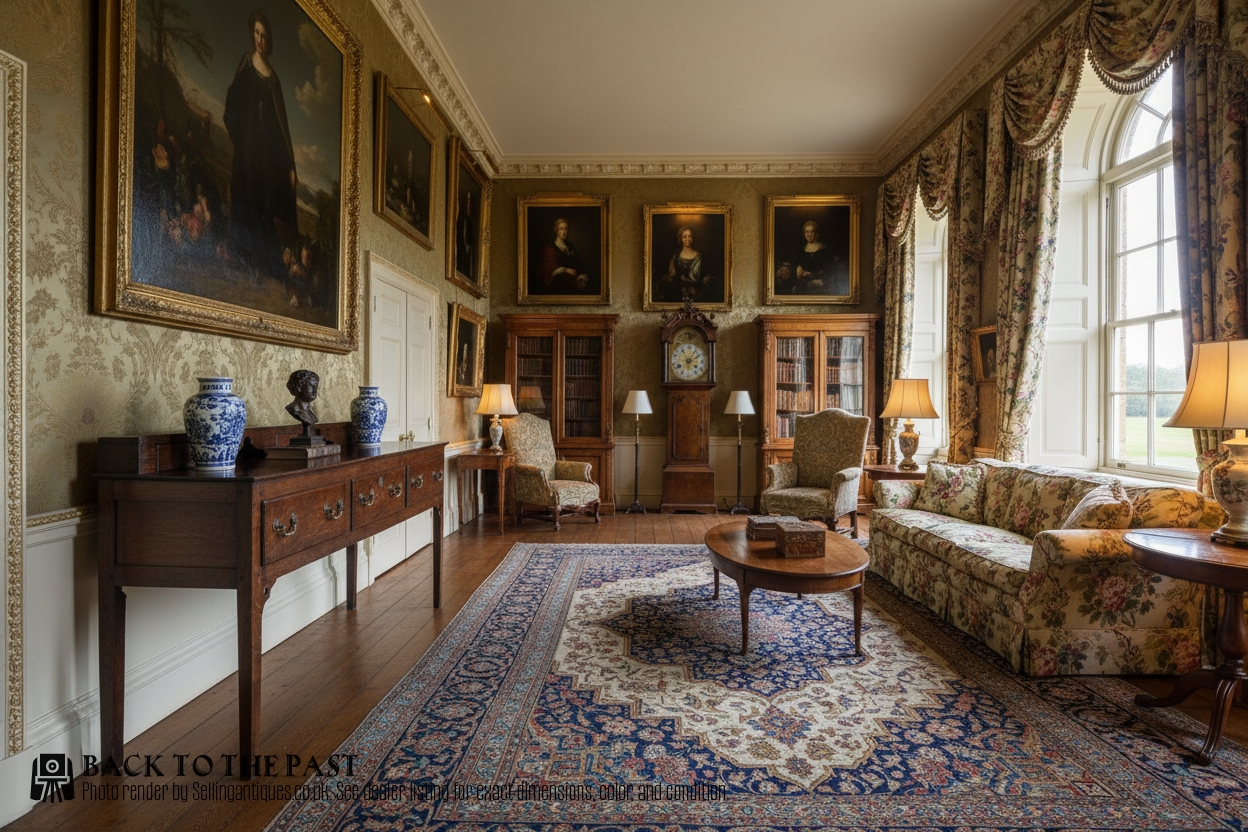
18th Century Oak Dresser, 18th Century
Priced at £2,550 from Elaine Phillips Antiques Ltd
Early joinery relied entirely on wooden pegs holding the main frame together without modern glues.
Frame and panel construction solved the problem of timber movement across wide antique oak sideboards. The flat panels float loose inside grooves.
Notice the transition to applied mouldings. Later Victorian pieces glued factory-made trim onto flat surfaces instead of carving the solid wood.
"Some large cupboards contain a zinc-lined cellarette drawer. This heavy metal insert kept wine bottles cool before dinner."
"Ammonia fuming was a clever late Victorian trick. Vapour exposure darkened the timber evenly before polishing."
"The backboards often retain the original pit saw marks. These long scoring lines show the manual labour involved in cutting rough boards."
Based on almost 25 years of Sellingantiques UK antique market data, Antique Oak Sideboards appeared 98032 times (out of 1,100,000 antiques) which gives it a rarity score of 1/100.
This score measures scarcity within the Sellingantiques archive only and is not a survey of the entire antiques market, so these statistics may not be indicative of the general availability of Antique Oak Sideboards elsewhere.
Timber expands and contracts with changes in room humidity. A sticking drawer usually just means the wood has swollen slightly during damp weather.
Rubbing a plain wax candle along the runners often solves the problem. It lubricates the friction points without damaging the timber.
Most antique oak sideboards possess a massive structural integrity designed to bear substantial weight. The thick top boards rest directly on a grid of sturdy vertical bearers and solid framing members.
The main issue is usually the feet of the television rather than the sheer weight. Hard plastic or metal bases can scratch the wax finish when moved.
You should place a felt pad or a thick cloth runner underneath the stand. This protects the patina while allowing the furniture to serve a modern purpose.
Dusting with a soft bristle brush works best for deep carvings. Cloths tend to catch on the sharp wooden edges and leave annoying lint behind in the crevices.
For stubborn dirt, a damp cotton swab clears the tight corners nicely. Just avoid soaking the wood or using harsh modern spray polishes that build up a cloudy residue over time.
Cabinet makers rarely wasted expensive materials or time on surfaces nobody would see. The backboards face the wall, so they left the timber unfinished and roughly sawn from the yard.
Sometimes you will spot a thin wash of dark stain applied hastily over the back. This just darkened the raw pine to stop it showing bright white through the gaps if the boards shrank.
Please note: This Antique Oak Sideboards guide and its associated pricing data are provided for general informational purposes only. It does not constitute formal financial, investment, or appraisal advice and should not be relied upon as the sole basis for any commercial activity, purchasing, or sales decisions. Sellingantiques.co.uk accepts no liability for any actions taken in reliance on this information. Always consult with a qualified professional or independent appraiser.
