


A 2026 Guide by Sellingantiques
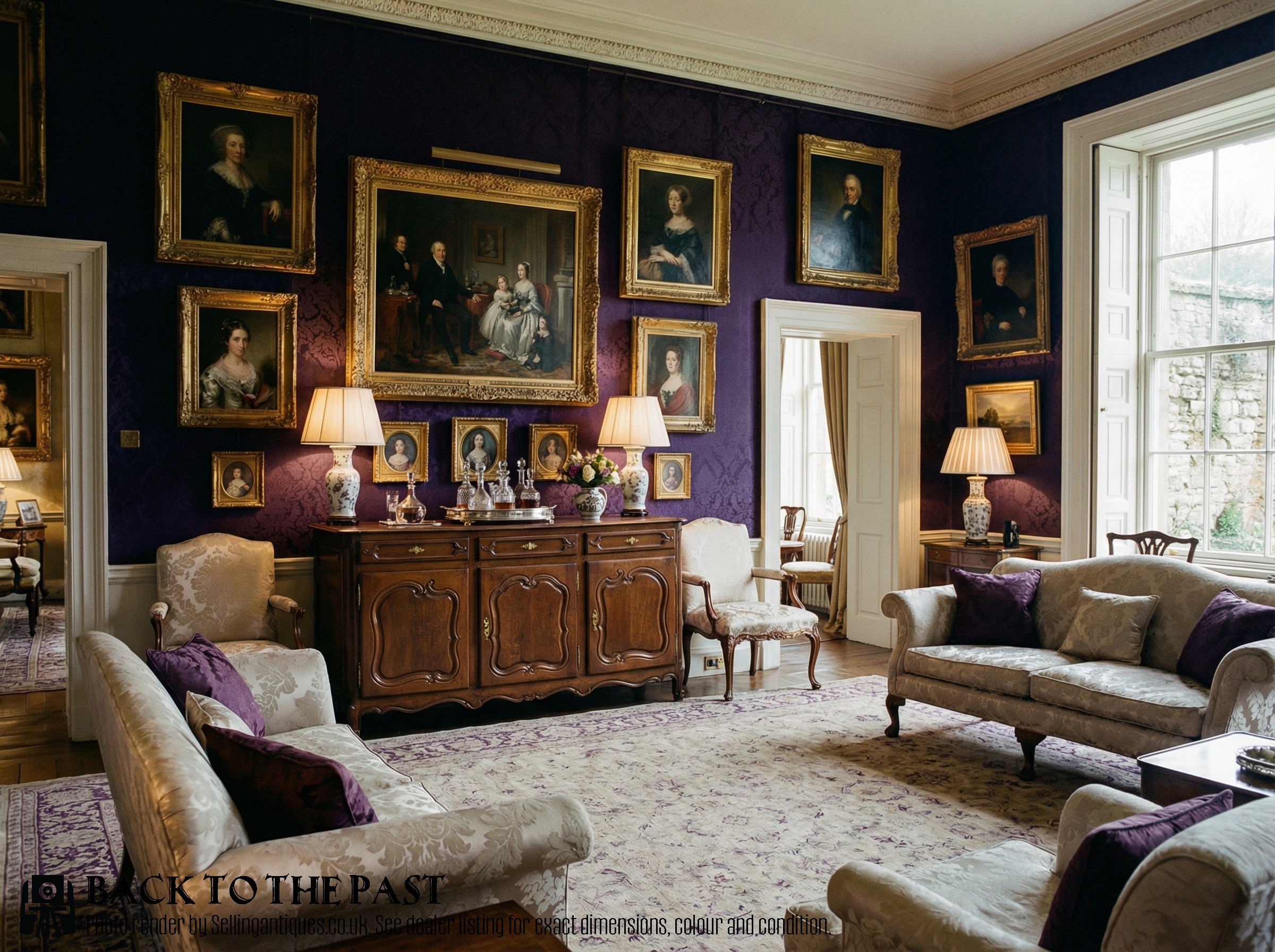
Oak Buffet, Victorian
Priced at £1,450 from D J Green Antiques
They started out in the seventeenth century as simple boards placed on trestles for serving food.
By the eighteenth century, prosperous regional families demanded proper storage. Antique French sideboards evolved into the fixed, multi-door cabinets we see today.
Look at the regional differences. The Normandy versions often sit higher, while those from Provence tend to stay low and wide.
Wealthy households sometimes ordered them custom-built to fit a specific wall in the dining room.
Most provincial antique French sideboards lack a maker's stamp. They were built by anonymous local joiners rather than famous Parisian ébénistes.
Master craftsmen in cities like Lyon or Bordeaux sometimes signed their work. Such signatures remain the exception rather than the rule.

Super French Dresser Base Sideboard, 1880
Priced at £895 from Fernyhough Antiques Ltd
The 2026 retail price guide for Antique French Sideboards is drawn from a proprietary archive of over 1.1 million retail prices indexed by Sellingantiques since 2003. This guide relies exclusively on their own internal data; no external sources or auction records are used.
Analysing nearly 25 years of UK antique market history alongside current retail values, the data indicates that typical UK retail prices for Antique French Sideboards range between £1,000 and £6,300. Entry-level prices generally fall under £1,000 and premium examples upwards of £6,300.
An enfilade typically has three or four aligned doors along the front. This creates a long, flat top surface.
Drawers usually sit directly above the cupboards. They held cutlery and napkins.
Check the carving on the apron. Many regional variations feature deep floral or geometric motifs along the bottom edge.
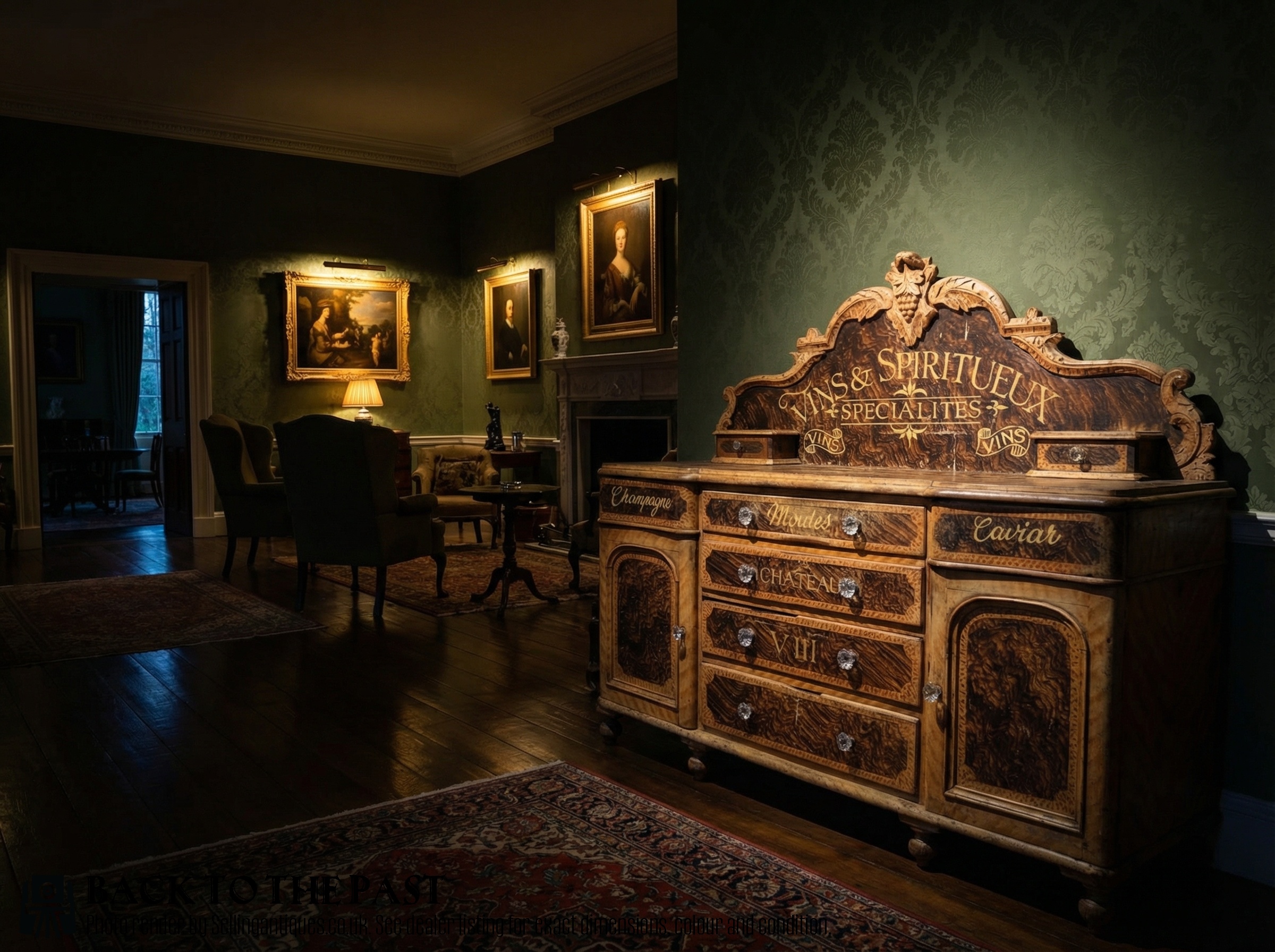
19th Century French Chateau Style Walnut Sideboard, 19th Century
Priced at £1,195 from Designer Antiques4u
Early provincial construction relied on heavy pegged mortise and tenon joints to hold the frames together.
As techniques refined, panelled doors replaced solid boards. This allowed the wood to expand and contract without splitting.
Later eighteenth-century examples feature curved fronts. Joiners steamed and bent the timber to create sweeping serpentine profiles.
"The keys were often huge and decorative. The lady of the house wore them on a chatelaine as a status symbol."
"Some regional pieces hide small sliding compartments behind the central pillar for securing household documents."
"Flat top surfaces proved useful for laying out the family's annual linen wash to air dry."
Based on almost 25 years of Sellingantiques UK antique market data, Antique French Sideboards appeared 1875 times (out of 1,100,000 antiques) which gives it a rarity score of 69/100.
This score measures scarcity within the Sellingantiques archive only and is not a survey of the entire antiques market, so these statistics may not be indicative of the general availability of Antique French Sideboards elsewhere.
They carry serious weight. A three-door solid oak piece usually takes at least three strong people to move safely.
The doors alone hold a lot of timber. If the backboards are also oak rather than pine, the overall weight increases.
Most standard antique French sideboards offer plenty of internal depth for modern tableware. The shelves were built to hold stacks of thick provincial pottery.
Some narrow versions exist, intended for hallways rather than dining rooms. It always pays to check the internal measurement if your plates are unusually large.
Central heating poses a risk to old timber. The wood loses moisture in winter, which can cause panels to shrink and crack along the grain.
Floating panels in the doors help mitigate this. The joiners designed them to move within the frame without splitting. Keep the piece away from direct heat sources like radiators.
A good locksmith can cut new keys to fit the old mechanisms.
Many owners just leave them as they are and use the keyhole as a pull.
Please note: This Antique French Sideboards guide and its associated pricing data are provided for general informational purposes only. It does not constitute formal financial, investment, or appraisal advice and should not be relied upon as the sole basis for any commercial activity, purchasing, or sales decisions. Sellingantiques.co.uk accepts no liability for any actions taken in reliance on this information. Always consult with a qualified professional or independent appraiser.
