
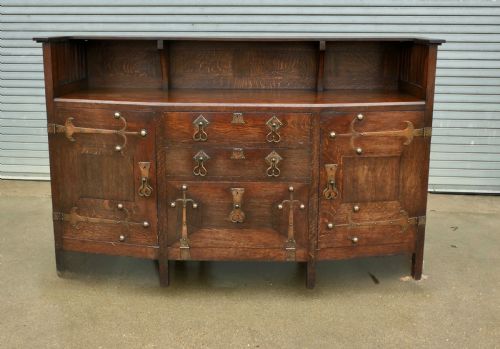

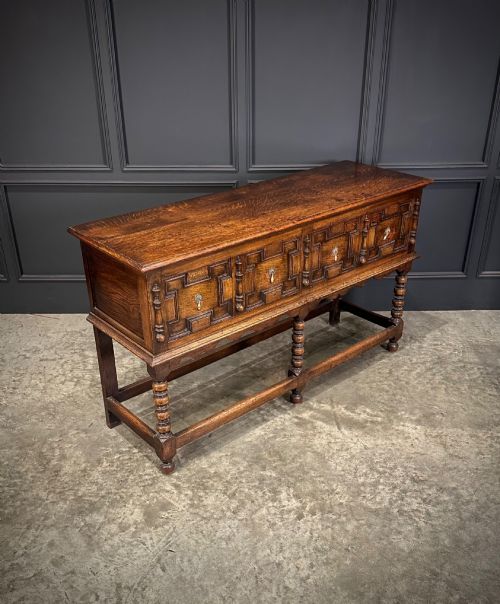
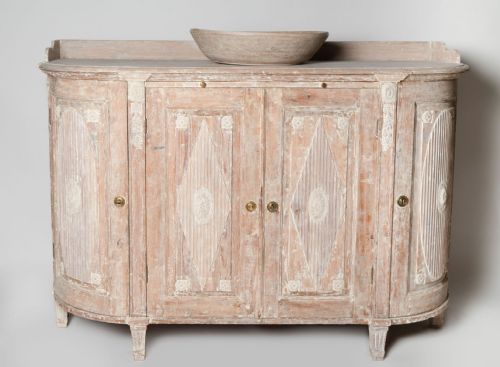
A 2026 Guide by Sellingantiques
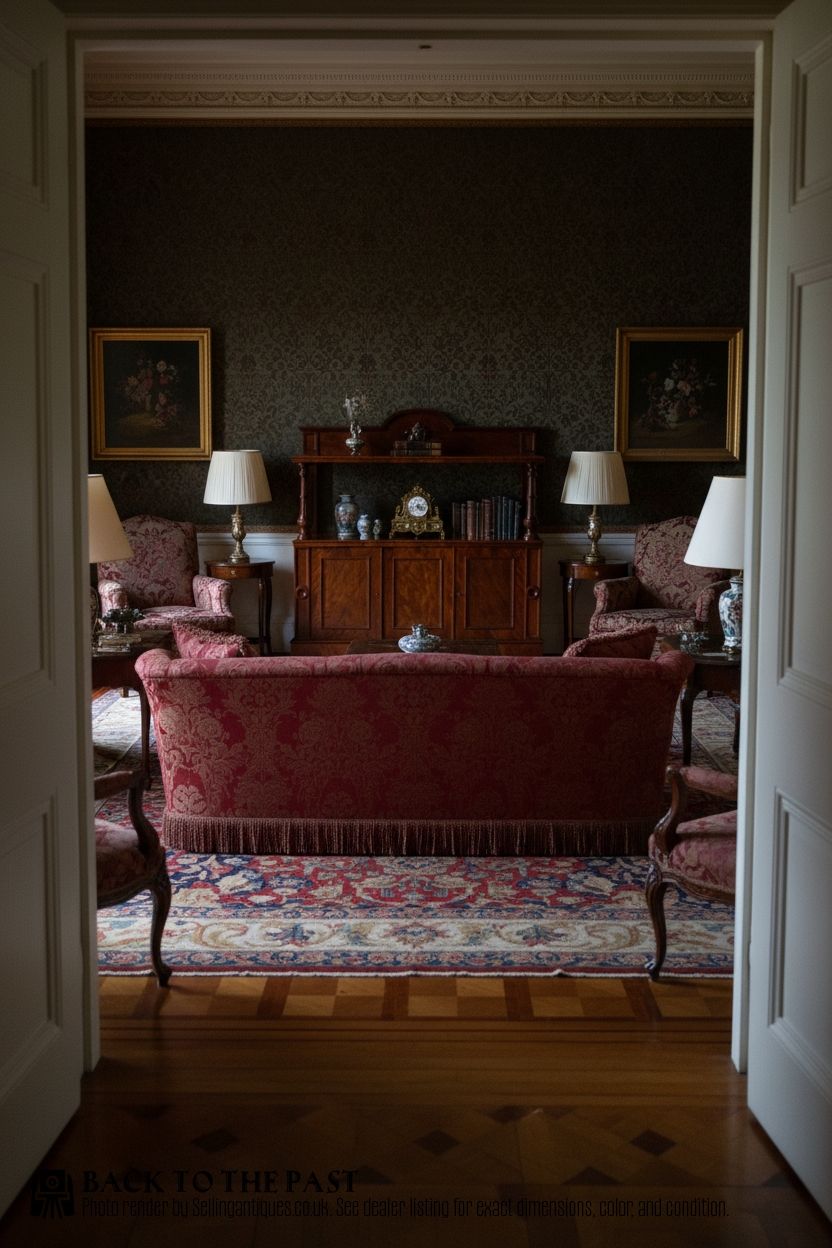
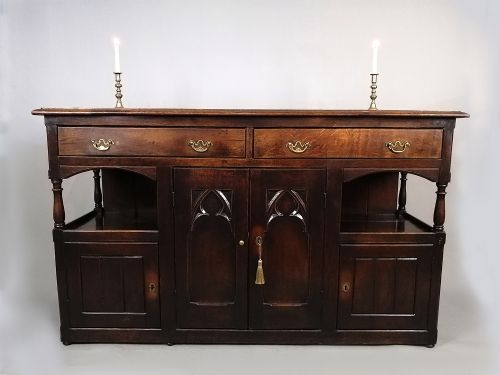
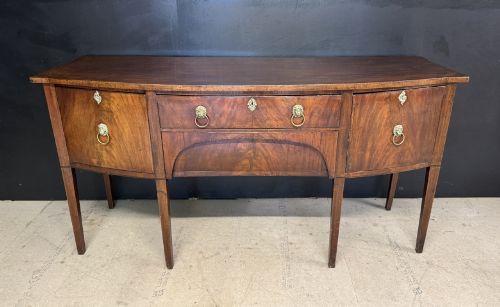
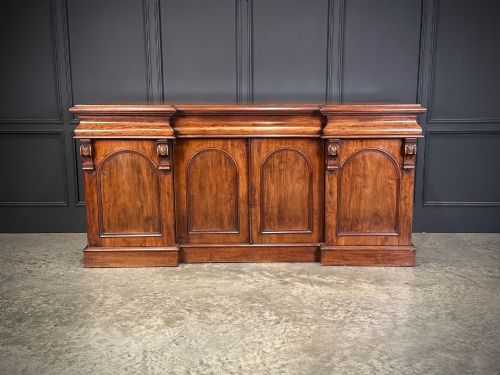
Victorian Mahogany Buffet Sideboard by James Shoolbred & Co., Tottenham Court Road, London., Victorian
Priced at £1,375 from John Hubbard Antiques
The earliest examples emerged in sixteenth-century France as simple tiered stands for displaying plate.
Over time, these open shelves gained doors and drawers. Enclosed storage made antique buffets practical for dining rooms.
Look at Victorian models. They often grew massive, incorporating carved backboards and mirror panels to reflect candlelight.
Edwardian tastes shifted towards lighter forms, paring back the heavy ornamentation of earlier decades.
Regional variations are common across European cabinet-making centres.
Gillows of Lancaster produced refined mahogany versions throughout the late eighteenth and early nineteenth centuries.
William Watt manufactured ebonised oak examples in the 1870s, working to designs by E.W. Godwin.
Many solid country pieces carry no maker's mark at all. The regional trade relied on local, unrecorded joiners.
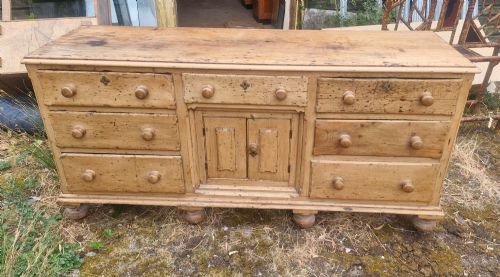
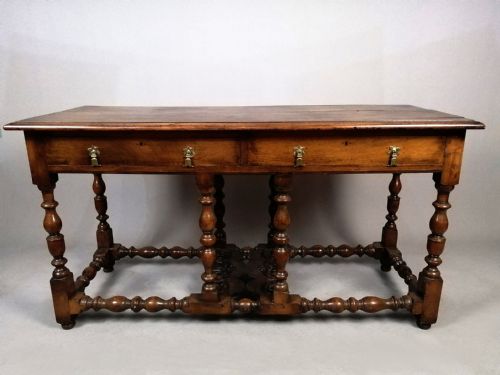
Early C19th George IV Period Mahogany 3-Tier Buffet or Serving / Display Stand .
, 19th Century
Priced at £1,250 from M Lees and Sons
The 2026 retail price guide for Antique Buffets is drawn from a proprietary archive of over 1.1 million retail prices indexed by Sellingantiques since 2003. This guide relies exclusively on their own internal data; no external sources or auction records are used.
Analysing nearly 25 years of UK antique market history alongside current retail values, the data indicates that typical UK retail prices for Antique Buffets range between £700 and £3,500. Entry-level prices generally fall under £700 and premium examples upwards of £3,500.
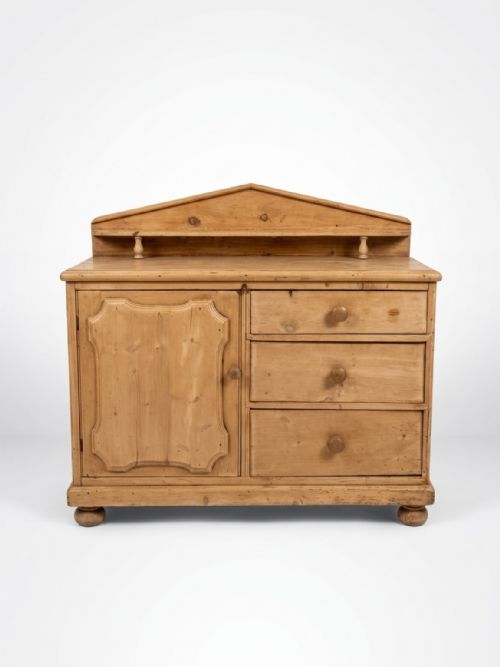
A broad, flat top sits at counter height for serving food and pouring drinks.
Most incorporate a bank of central drawers flanked by deeper cupboards. Look for baize linings in the top drawers.
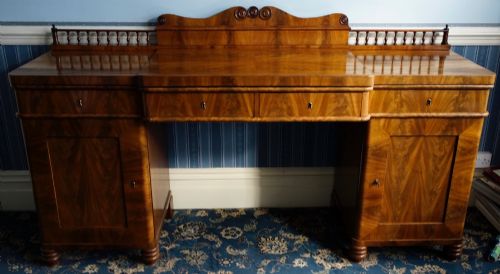
Raised backboards feature on many nineteenth-century antique buffets, protecting the dining room wall from spills.

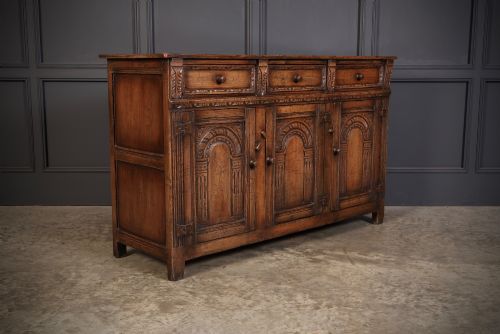
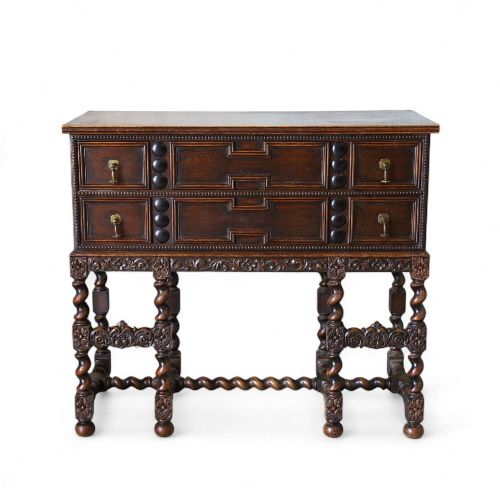
Antique English Victorian Carved Oak Green Man Buffet / Server / Sideboard / Dumbwaiter (Circa 1880), 1880
Priced at £975 from Yolanda Gray Antiques
Early carcase construction relied on pegged mortise and tenon joints to manage the movement of solid timber boards.
Pull a drawer out. You will find hand-cut dovetails joining the sides to the front panel on good examples.
Veneering techniques improved through the eighteenth century, allowing cabinet-makers to apply figured mahogany over stable pine cores.
"Some Georgian designs conceal a sliding pot cupboard tucked away behind a fake drawer front."
"The heavy lead linings in the bottle drawers helped keep wine cool during long summer dinners."
"Carved motifs often relate directly to the room. Look closely for subtle grapes, wheat sheaves, or game birds."
Based on almost 25 years of Sellingantiques UK antique market data, Antique Buffets appeared 3915 times (out of 1,100,000 antiques) which gives it a rarity score of 46/100.
This score measures scarcity within the Sellingantiques archive only and is not a survey of the entire antiques market, so these statistics may not be indicative of the general availability of Antique Buffets elsewhere.
This coarse woollen cloth protected silver flatware from scratching against the wooden drawer base.
It also helped absorb atmospheric moisture, reducing the rate at which the silver tarnished between meals.
Most Victorian mirrored backs unscrew from the main carcase. They were often built in two sections for transport.
Keep the screws and backboard safely stored together. Taking the back off alters the proportions.
Cabinet-makers frequently used brass drop handles or wooden knobs turned from a contrasting timber. Ebonised handles on an oak carcase were a popular combination.
Wooden knobs also darken differently to flat surfaces over time. Hands transfer oils to the handles with every pull, altering the colour and creating a deeper patina.
Sometimes handles were replaced during the Edwardian period to update a tired look. A close look at the drawer interior will show filled holes if the hardware was changed.
Brass hinges wear out after generations of supporting heavy solid wood doors. The pins inside the hinge barrel slowly grind away, causing the whole door to drop slightly.
Packing the hinge out with thin cardboard slips sometimes helps realign the door. If the wear is advanced, a furniture restorer can replace the internal pins while keeping the original brass leaves intact.
Please note: This Antique Buffets guide and its associated pricing data are provided for general informational purposes only. It does not constitute formal financial, investment, or appraisal advice and should not be relied upon as the sole basis for any commercial activity, purchasing, or sales decisions. Sellingantiques.co.uk accepts no liability for any actions taken in reliance on this information. Always consult with a qualified professional or independent appraiser.
