
A 2026 Guide by Sellingantiques
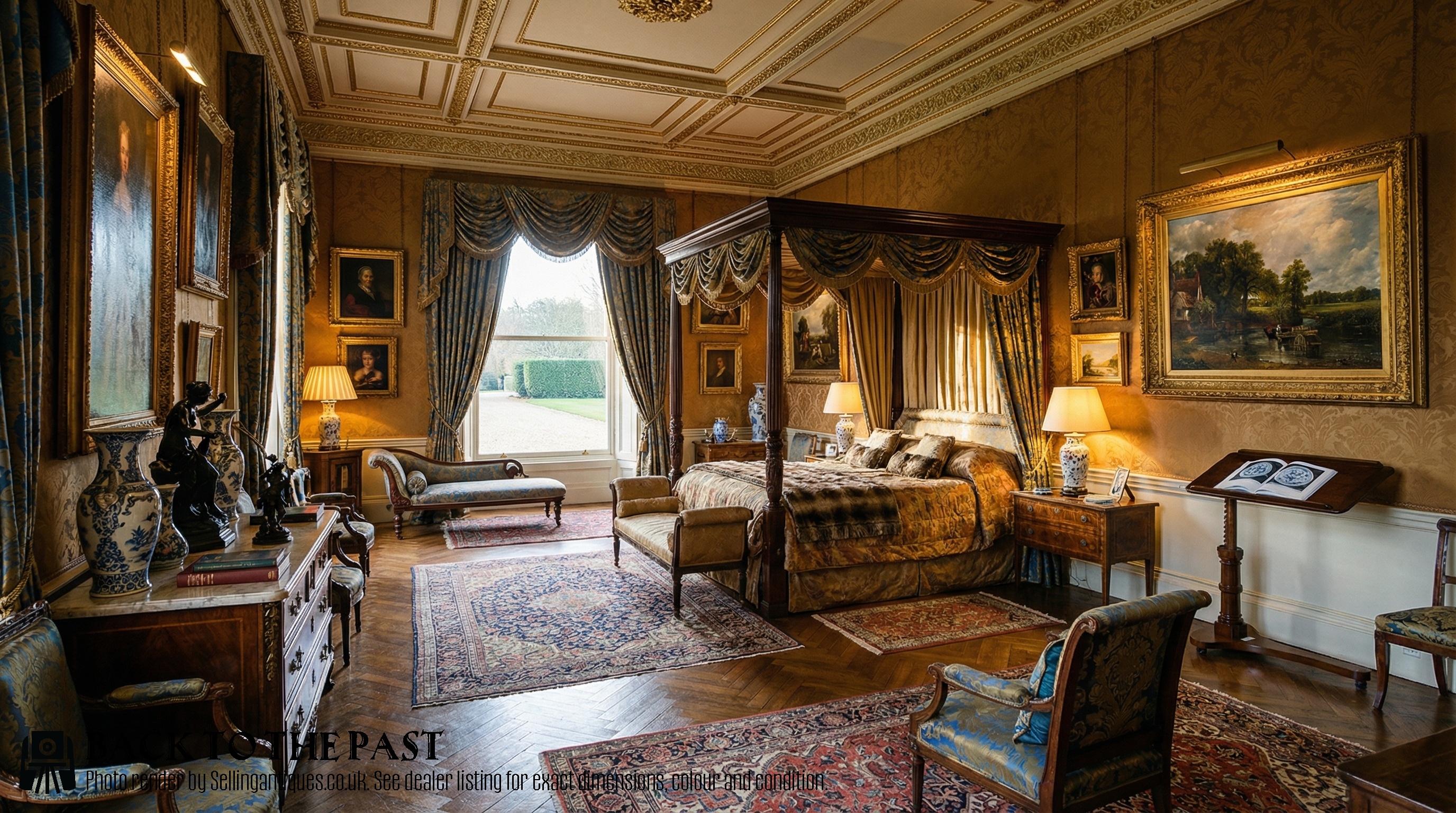
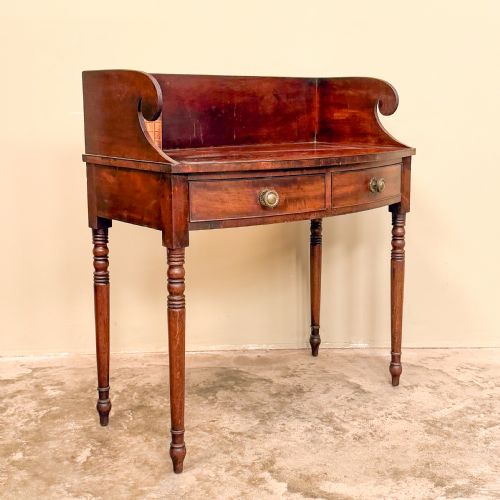
19th Century Carter’s Patent Mahogany Adjustable Bed Reading Table, Victorian
Priced at £1,200 from The Antique Furniture Company
Long oak boards laid over trestles for communal medieval dining.
Look at the shift in the eighteenth century. Families started eating at smaller round antique tables instead of large hall setups.
Tilt-top designs emerged when rooms had multiple uses. Servants folded them upright and pushed them against the wall after tea.
Gateleg forms allowed compact storage. Expanding dining tables arrived later with the introduction of the screw mechanism.
Thomas Chippendale supplied complex dining and writing tables to wealthy clients in the mid-eighteenth century. His firm is documented producing major commissions for country houses.
Gillows of Lancaster. Famous for extending dining tables and neat writing tables through the Georgian and Victorian periods.
Most antique tables carry no maker mark. Regional cabinetmakers built the bulk of them using local pattern books.
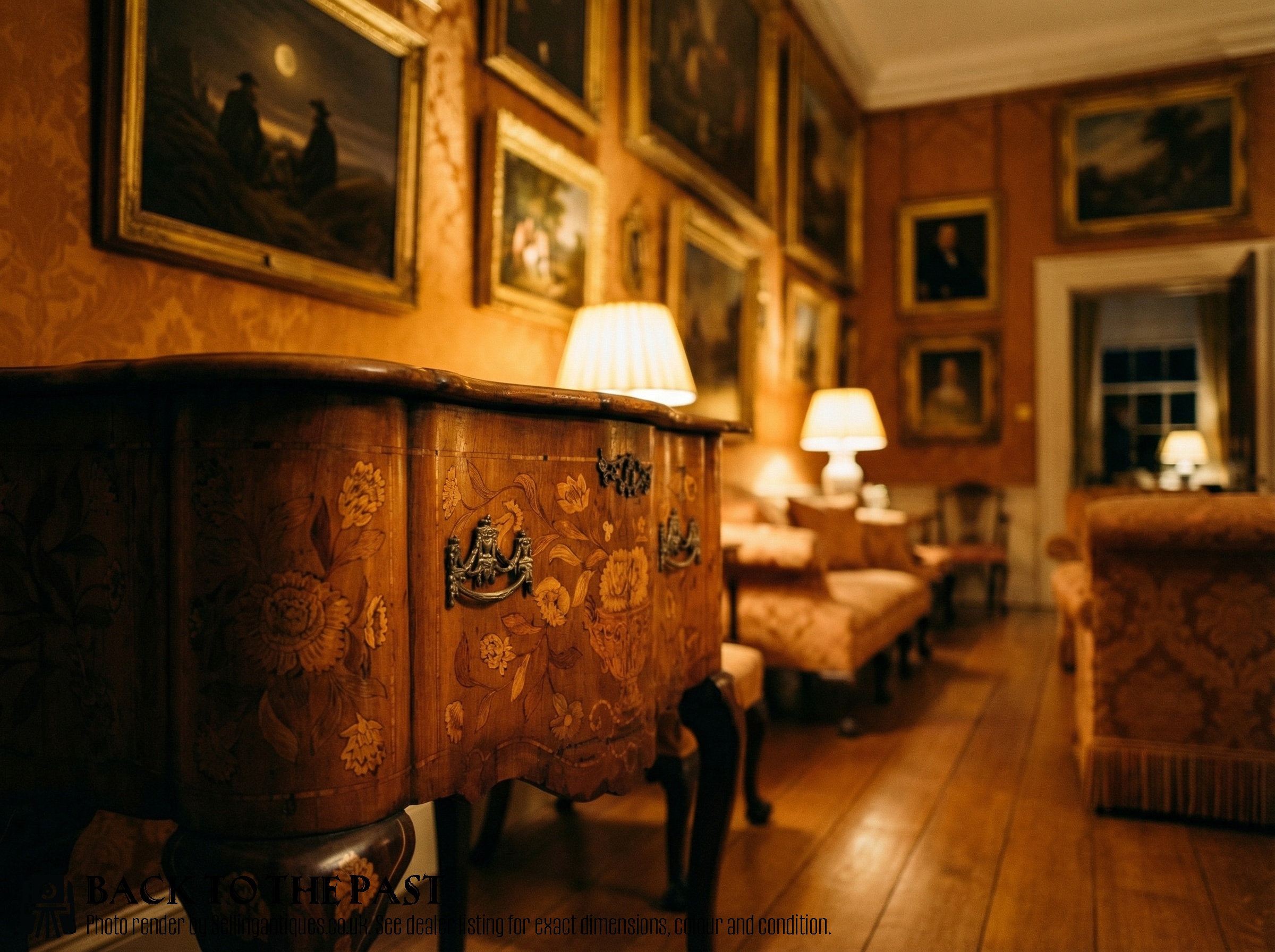
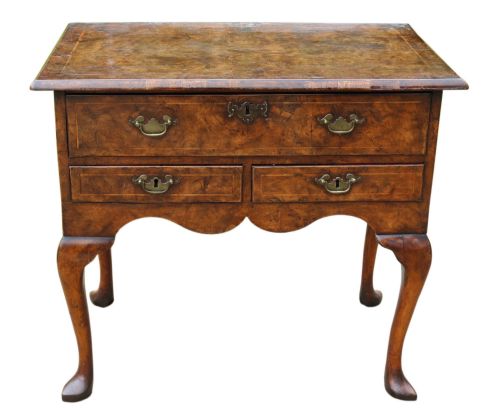
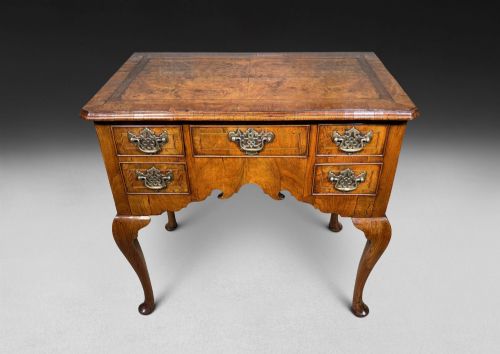
18th Century Dutch Marquetry Walnut Side Table, 18th Century
Priced at £2,450 from Martlesham Antiques
The 2026 retail price guide for Antique Tables is drawn from a proprietary archive of over 1.1 million retail prices indexed by Sellingantiques since 2003. This guide relies exclusively on their own internal data; no external sources or auction records are used.
Analysing nearly 25 years of UK antique market history alongside current retail values, the data indicates that typical UK retail prices for Antique Tables range between £500 and £3,000. Entry-level prices generally fall under £500 and premium examples upwards of £3,000.
Leaves that drop or remove to save space.
Inspect the supports. A pedestal base frees up legroom while corner legs can dictate where chairs sit.
Drawers fitted into the frieze for storing cutlery or writing supplies.

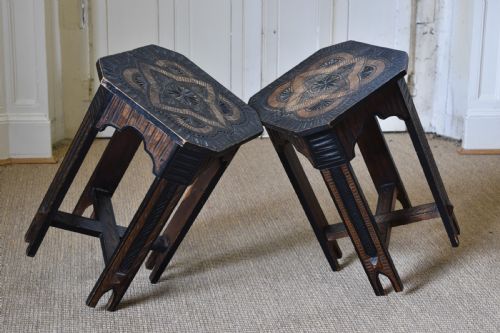
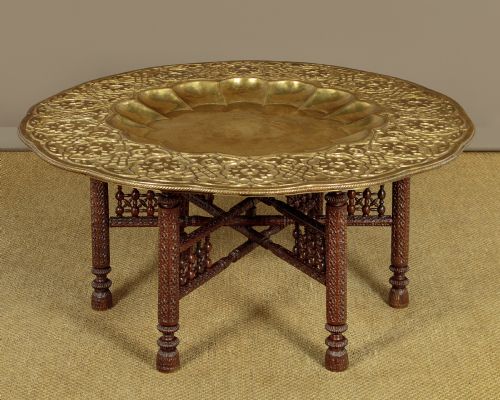
Hexagonal Islamic Table, 19th Century
Priced at £425 from Sinclairs Antiques and Interiors
Seventeenth-century joined tables rely on mortise and tenon joints locked tight with wooden pegs.
Turn an eighteenth-century piece upside down. You will find glue blocks rubbed into the corners to stiffen the frame.
Hand-cut dovetails hold the frieze drawers together. Machine-cut versions appear on later Victorian examples.
"Early craftsmen polished oak using beeswax and turpentine. This built a hard glossy skin over centuries of rubbing."
"Hidden compartments were sometimes built into library tables to secure private letters."
"Clever folding mechanisms on card tables pivot the top to reveal a baize playing surface."
Based on almost 25 years of Sellingantiques UK antique market data, Antique Tables appeared 164171 times (out of 1,100,000 antiques) which gives it a rarity score of 1/100.
This score measures scarcity within the Sellingantiques archive only and is not a survey of the entire antiques market, so these statistics may not be indicative of the general availability of Antique Tables elsewhere.
Keep away from silicone sprays. They leave a smudgy film that builds up over time and dulls the grain.
Use a good quality beeswax polish every few months. Apply a thin coat, leave it to haze over, then buff it off with a clean duster.
The metal mechanism has likely seized from old grease and dust. Pulling hard on the winder handle will only damage the thread or snap the internal wooden mounts.
You need to access the screw channel underneath. A dry spray lubricant applied directly to the winding thread often frees up the movement. Work the handle gently back and forth until the runners slide smoothly again.
Yes. Heat draws moisture out of traditional shellac and wax finishes, leaving a white ring on the surface.
Always use felt-backed mats under hot plates or mugs. If a white mark does appear, a restorer can usually draw the moisture back out without stripping the whole top.
Direct sunlight and modern heating systems dry out historic timber. The wood shrinks as it loses moisture, causing joins to open and solid tops to crack along the grain.
Veneered surfaces are vulnerable to heat. The animal glue holding the veneer down dries to a powder, letting the thin wood lift and blister.
It helps to keep antique tables away from radiators. If a piece has to live in a bright room, drawing the blinds during the hottest part of the day reduces the risk.
Please note: This Antique Tables guide and its associated pricing data are provided for general informational purposes only. It does not constitute formal financial, investment, or appraisal advice and should not be relied upon as the sole basis for any commercial activity, purchasing, or sales decisions. Sellingantiques.co.uk accepts no liability for any actions taken in reliance on this information. Always consult with a qualified professional or independent appraiser.
