

A 2026 Guide by Sellingantiques
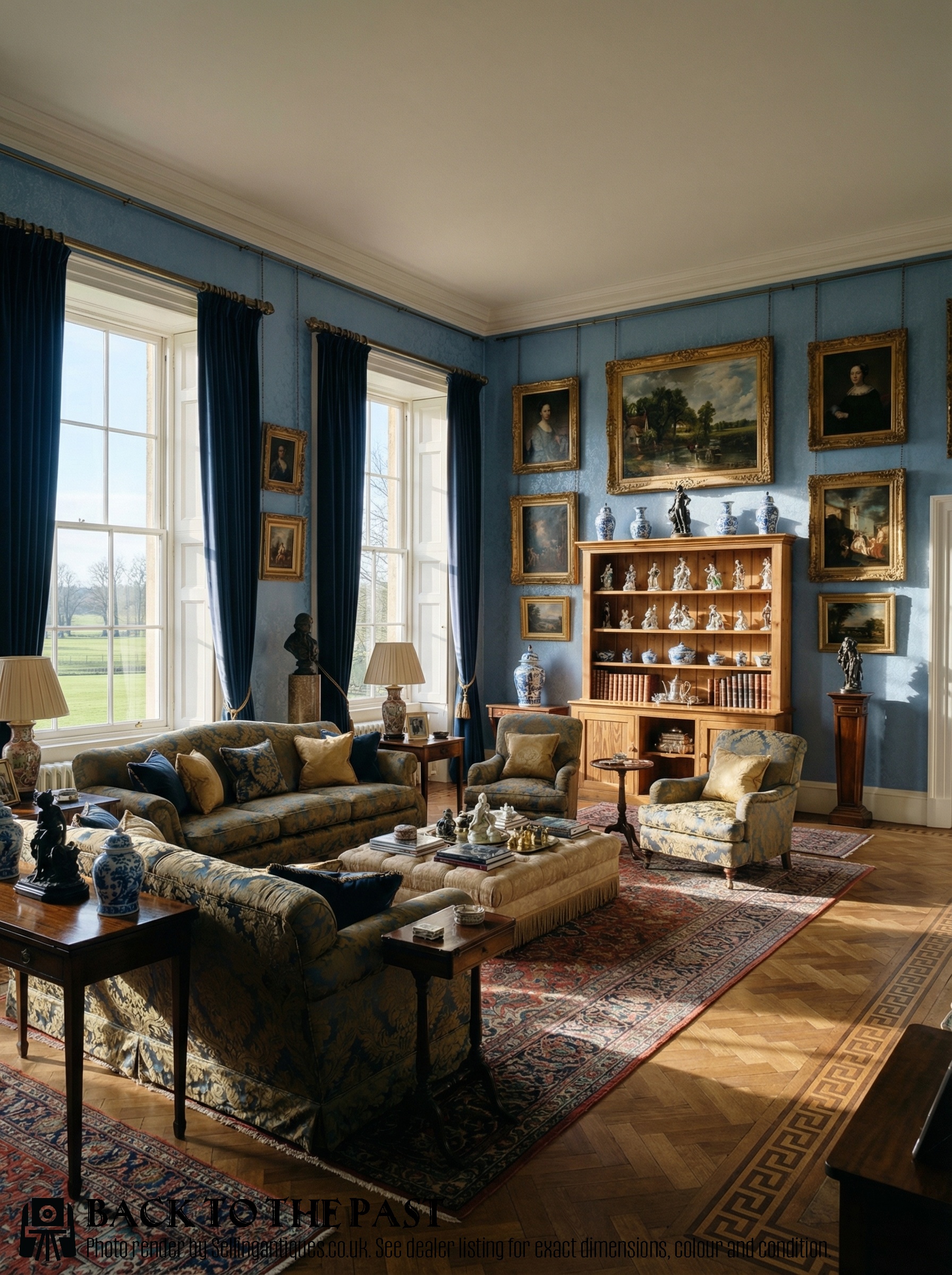
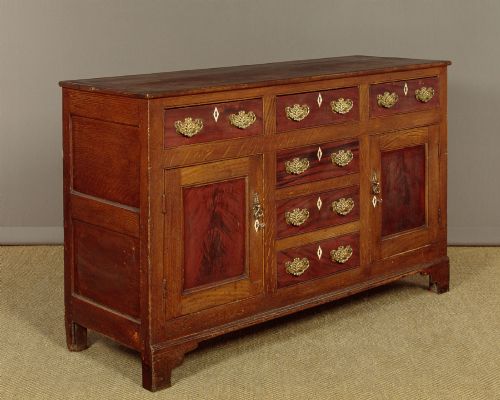
Large Victorian Pitch Pine Dresser 1880s, 1880
Priced at £750 from James R Millington Antiques
They evolved from plain serving boards into large storage banks for the Victorian kitchen.
Rail transport changed things. Standard forms started pushing out older regional variations.
Formal entertaining demanded dinner services. Wealthy homes required large storage units to hold them.
Look for shifting proportions. By late century they often grew taller to maximise wall space.
Built for heavy daily use. Servants ran the house and needed practical furniture.
They weren't usually signed. Mostly made by anonymous provincial cabinet makers or large factory workshops.
Howard & Sons produced some well-made oak serving dressers during the late nineteenth century.
Check regional pieces. Firms like Trapnell & Gane in Bristol turned out solid examples for local homes.
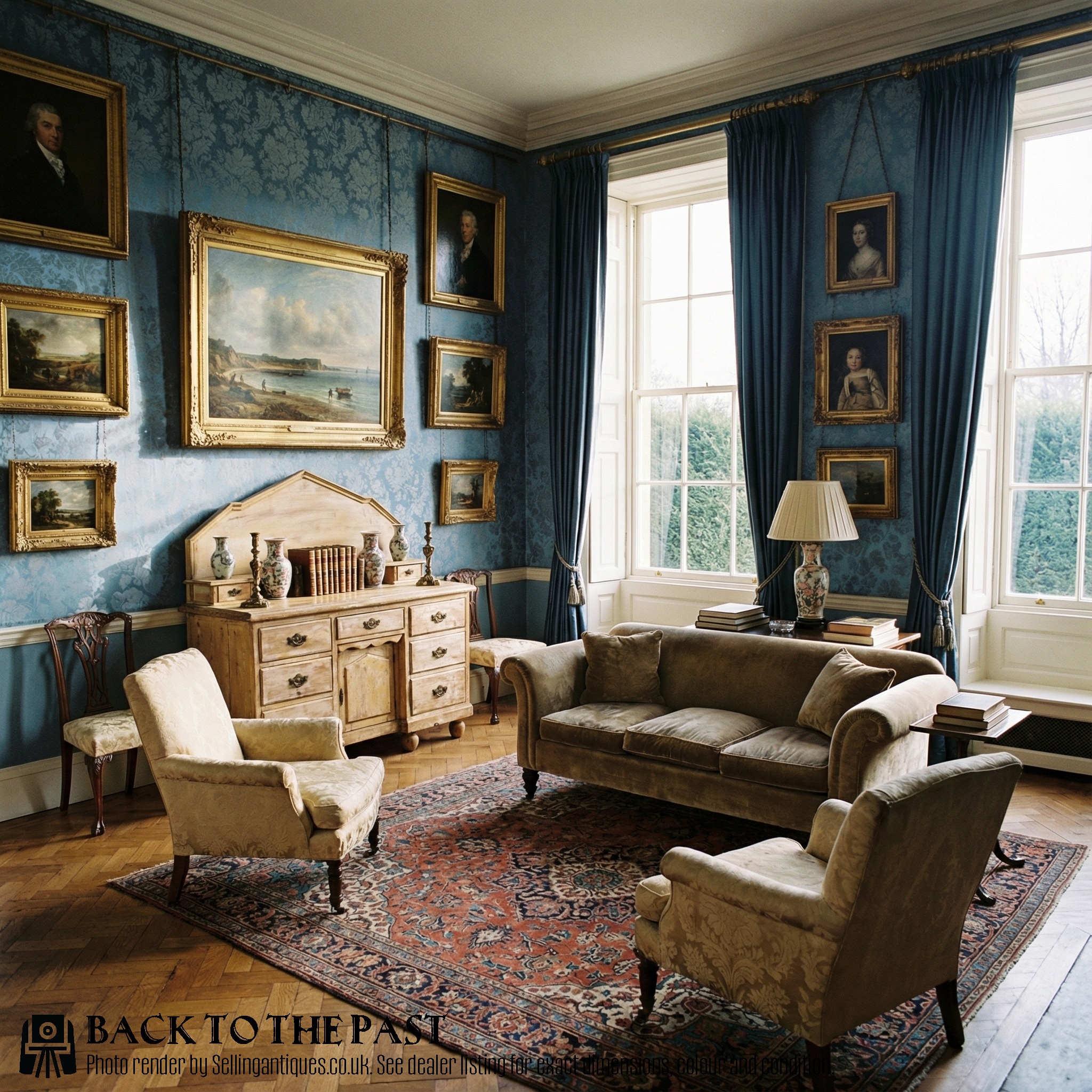
Victorian Painted Pine Dresser, Victorian
Priced at £1,275 from The Old Yard
The 2026 retail price guide for Victorian Dressers is drawn from a proprietary archive of over 1.1 million retail prices indexed by Sellingantiques since 2003. This guide relies exclusively on their own internal data; no external sources or auction records are used.
Analysing nearly 25 years of UK antique market history alongside current retail values, the data indicates that typical UK retail prices for Victorian Dressers range between £600 and £2,300. Entry-level prices generally fall under £600 and premium examples upwards of £2,300.
The upper rack often features a moulded cornice and shallow shelves with plate grooves.
Dog kennel bases are common. This is a central open recess between the lower cupboards.
Look at the base top. Most overhang the carcase slightly to provide a working surface.
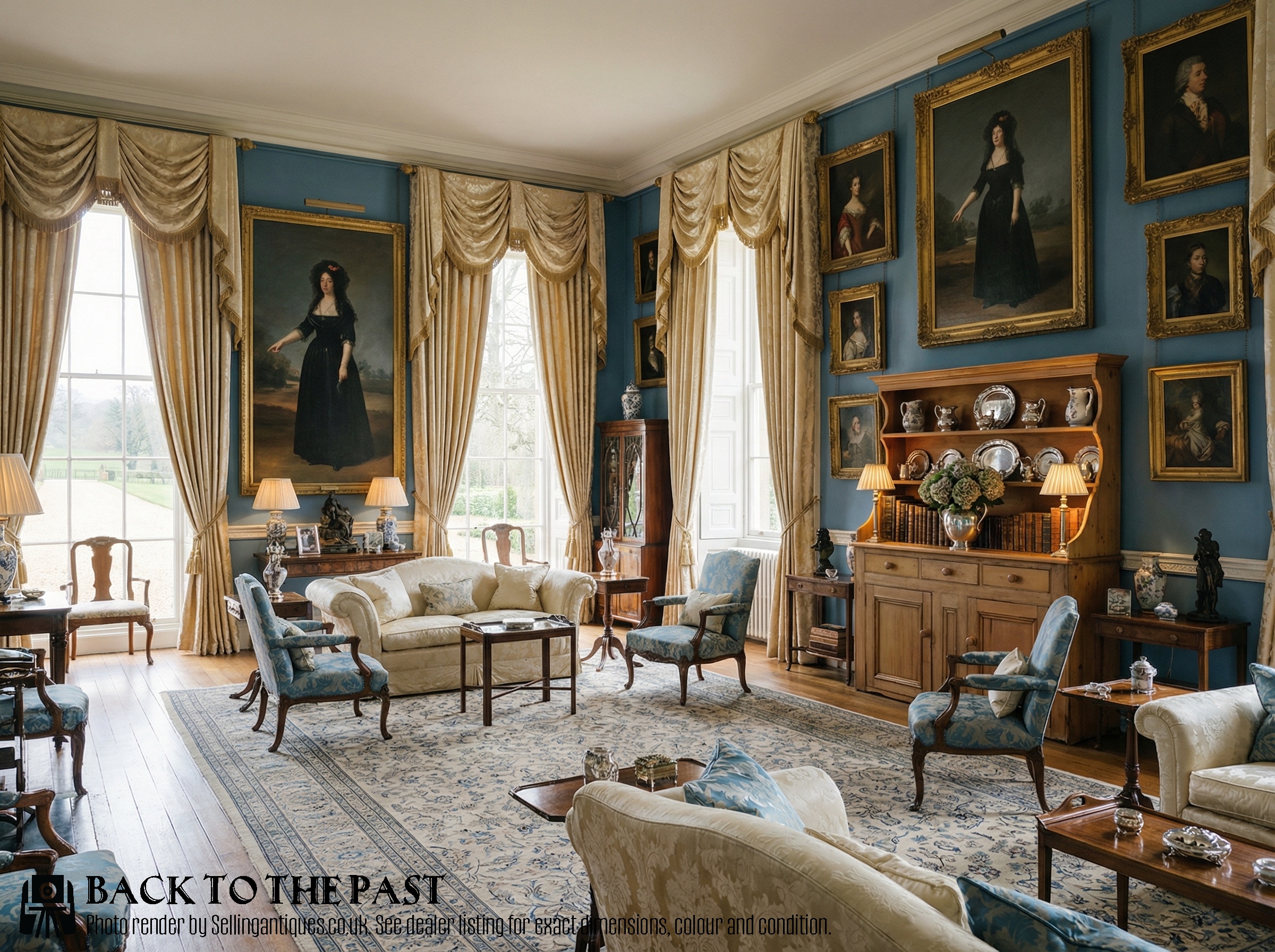
A Victorian Scots Pine Dresser, Victorian
Priced at £680 from Country Homes Antiques Stirling
Machine-cut dovetails begin appearing in the drawers towards the end of the century.
Backboards are often simple tongue and groove pine planks nailed directly to the frame.
Turn the drawers over. You'll often see thick runners added to cope with heavy wear.
"Many rack shelves unpeg from the base. They were designed to detach for easier transport."
"Some bases feature hidden flat serving slides. These pull out above the main drawers."
"Look for iron cup hooks. They were often added along the shelf fronts to hold jugs."
Based on almost 25 years of Sellingantiques UK antique market data, Victorian Dressers appeared 2131 times (out of 1,100,000 antiques) which gives it a rarity score of 65/100.
This score measures scarcity within the Sellingantiques archive only and is not a survey of the entire antiques market, so these statistics may not be indicative of the general availability of Victorian Dressers elsewhere.
They're very heavy. Most Victorian dressers are built from thick planks of solid wood.
You'll definitely need two strong people to lift the base section.
They don't. The shelves in the upper rack are fixed firmly into the side supports.
Victorian makers rarely used adjustable shelf pegs for kitchen furniture. They knew exactly what size wares each tier would hold.
Measure your plates first. Victorian plates were often smaller than modern ones. The plate grooves might sit too close to the backboard.
If the shelves are flat without grooves, they offer more flexibility. You'll find plate stands work well instead of leaning them.
Victorian dressers started life in working kitchens. They were usually painted or given a dark scumble glaze to mimic more expensive timbers.
Fashions changed in the late twentieth century. Many people stripped the original dark finishes off to reveal the pale pine underneath.
You can leave a stripped pine surface bare or wax it. Both options work well in modern country kitchens.
Please note: This Victorian Dressers guide and its associated pricing data are provided for general informational purposes only. It does not constitute formal financial, investment, or appraisal advice and should not be relied upon as the sole basis for any commercial activity, purchasing, or sales decisions. Sellingantiques.co.uk accepts no liability for any actions taken in reliance on this information. Always consult with a qualified professional or independent appraiser.
