
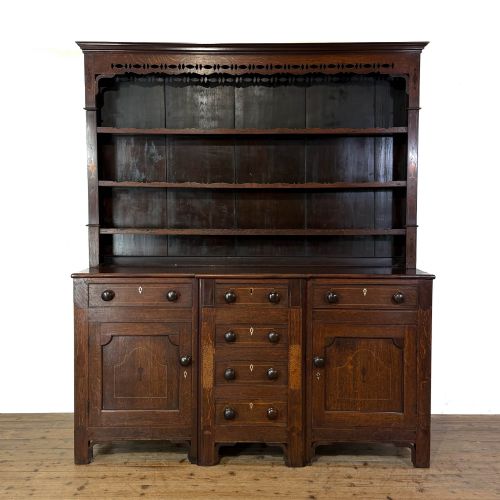




A 2026 Guide by Sellingantiques
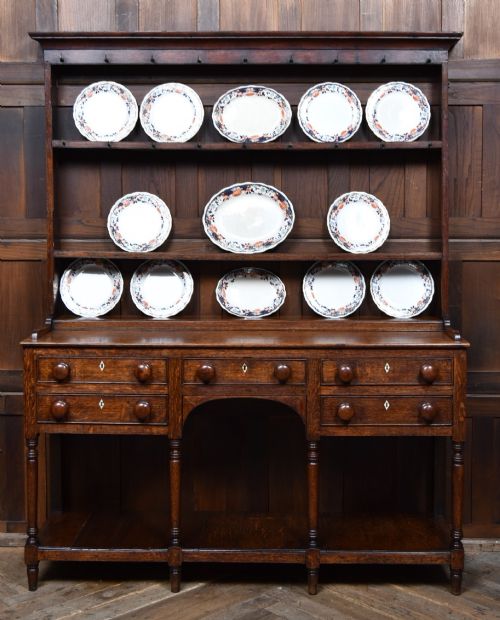
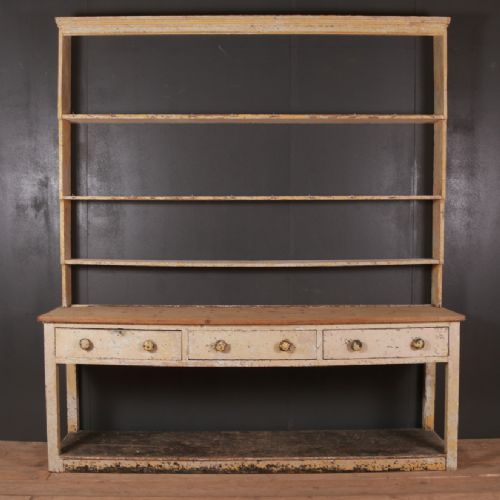
Georgian Welsh Oak Dresser with Cupboard Base, Circa 1790, 18th Century
Priced at £1,500 from WelshAntiques
Look at the evolution of these pieces from simple boards to complex storage units.
Georgian dressers served as the functional heart of large farmhouses and modest country estates alike.
Regional variations flourished across Britain during the eighteenth century as local traditions shaped the overall design.
Built for busy domestic quarters rather than formal entertaining rooms.
Country joiners built most Georgian dressers rather than famous named cabinetmakers.
Welsh craftsmen developed distinct regional styles. Montgomeryshire and Carmarthenshire each favoured specific drawer arrangements.
Identifying a specific workshop is rare. You usually identify them by county or region instead.
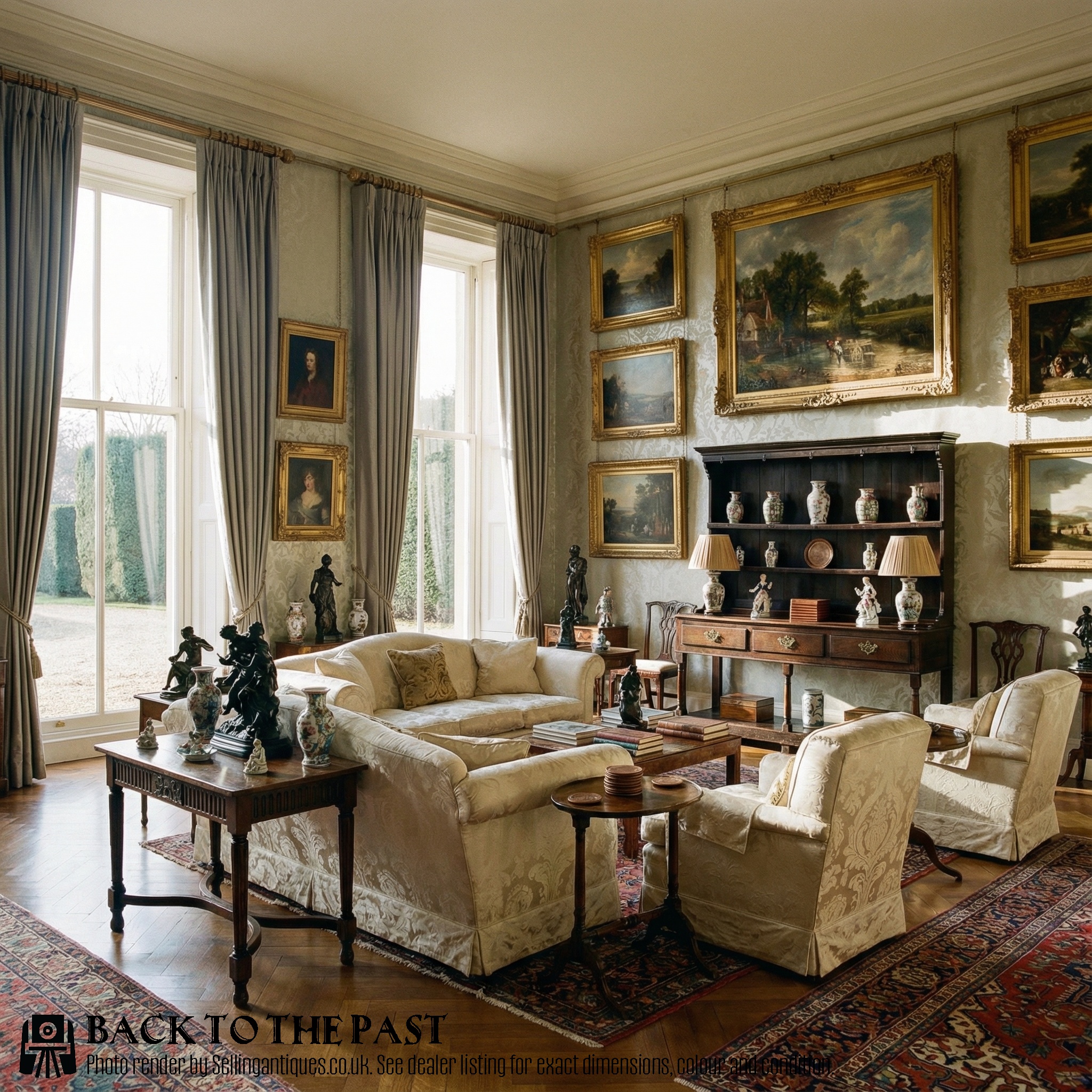
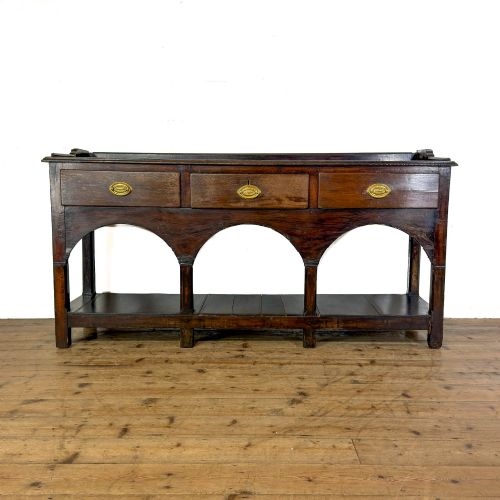
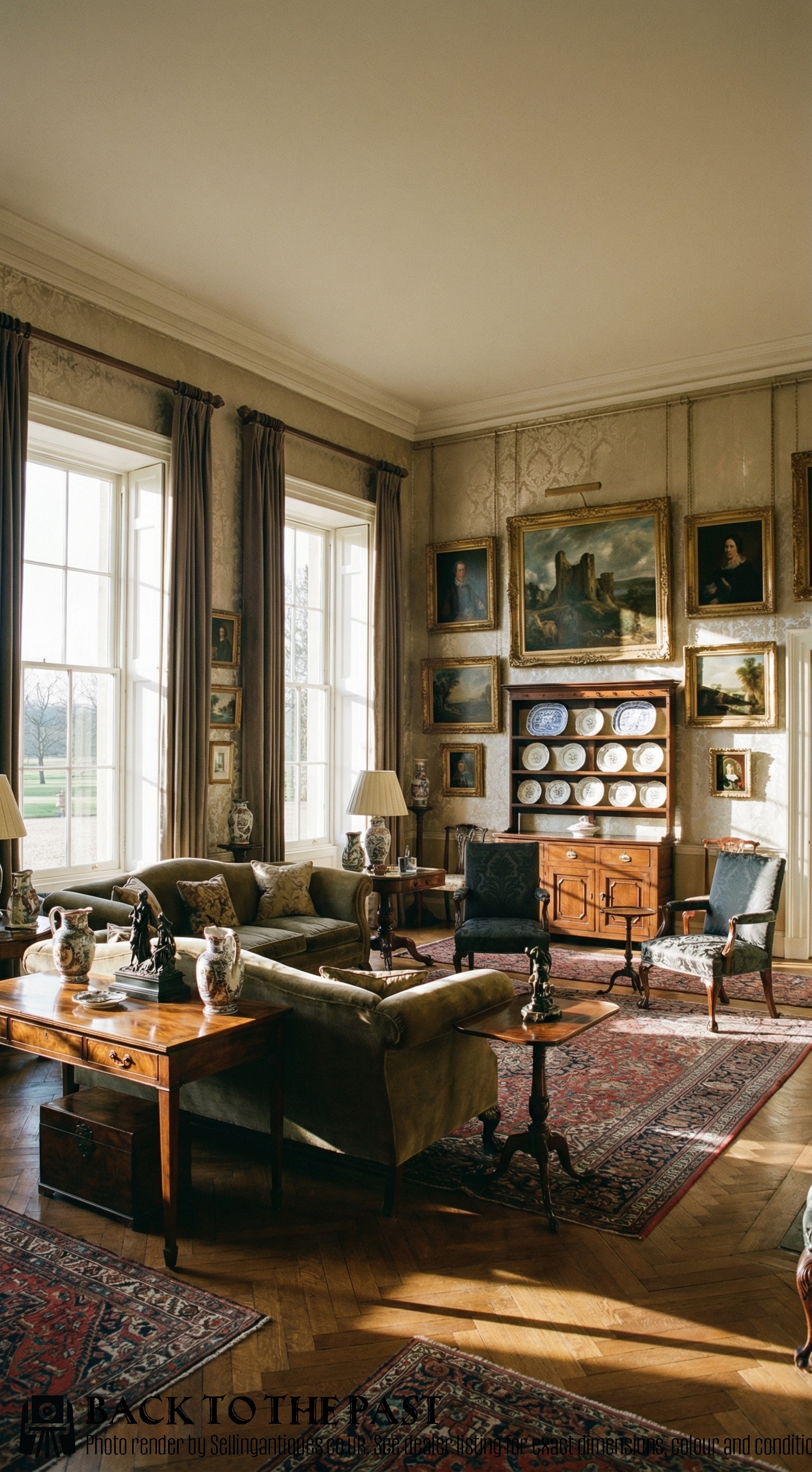
Georgian Oak Welsh Dresser, Georgian
Priced at £1,425 from Antique and Unique
The 2026 retail price guide for Georgian Dressers is drawn from a proprietary archive of over 1.1 million retail prices indexed by Sellingantiques since 2003. This guide relies exclusively on their own internal data; no external sources or auction records are used.
Analysing nearly 25 years of UK antique market history alongside current retail values, the data indicates that typical UK retail prices for Georgian Dressers range between £1,100 and £4,500. Entry-level prices generally fall under £1,100 and premium examples upwards of £4,500.
The classic form combines a rack for plates above a base section containing drawers and sometimes cupboards.
Pot boards sit close to the floor on open-base models to keep heavy iron cooking vessels off the ground.
Look for shaped aprons spanning the front legs. Some are cut into complex curves.
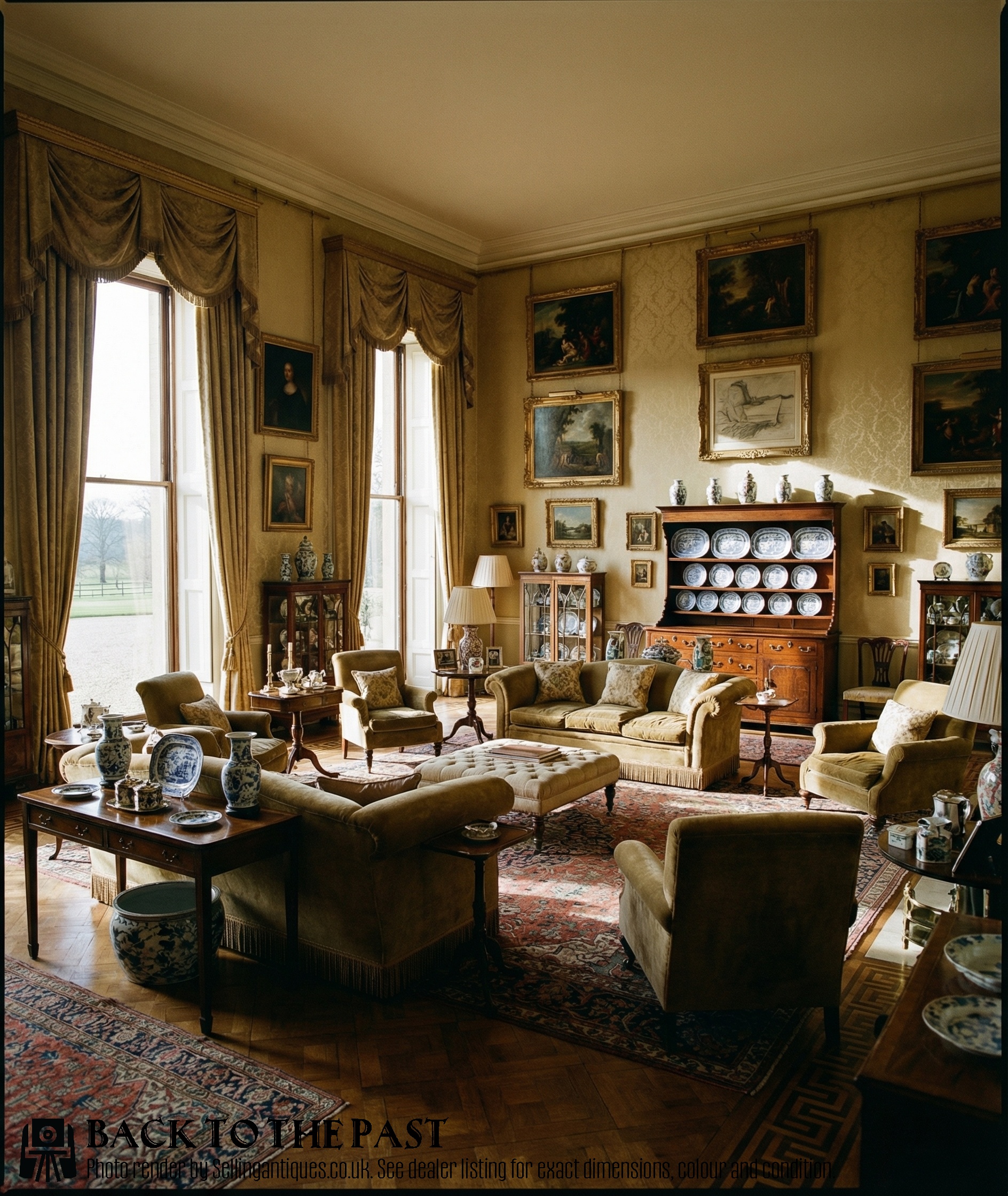
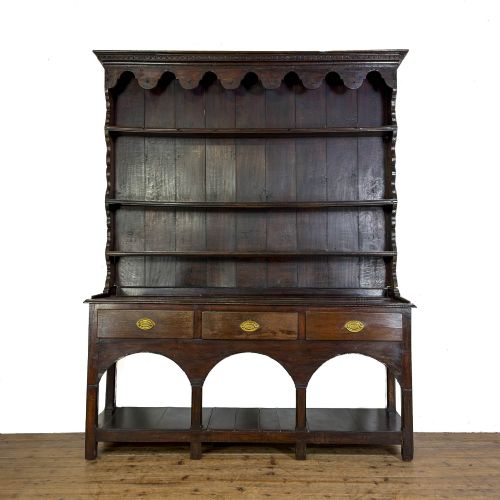
Good 5ft Late Georgian Oak Dresser & Plates, Georgian
Priced at £2,250 from Abersoch Antiques
Pegged mortise and tenon joints hold the main carcase together.
Hand-cut dovetails secure the drawer corners. They become thinner and narrower as the eighteenth century progresses.
Backboards are typically rough-sawn and nailed vertically to the rear frame.
"Many original racks feature small wrought iron hooks driven into the shelf edges for hanging cups and jugs."
"The boarded tops were frequently scrubbed with sand rather than polished, leaving a distinct pale surface."
"Some bases hide secret compartments built into the dead space behind the central drawer runners."
Based on almost 25 years of Sellingantiques UK antique market data, Georgian Dressers appeared 2766 times (out of 1,100,000 antiques) which gives it a rarity score of 58/100.
This score measures scarcity within the Sellingantiques archive only and is not a survey of the entire antiques market, so these statistics may not be indicative of the general availability of Georgian Dressers elsewhere.
Bases were often made as standalone pieces. They functioned well as serving tables and storage units without needing a tall shelving section above them.
Over the centuries, racks also got separated from their bases when families moved to houses with lower ceilings. Many dressers you find today started life with a rack that was discarded long ago.
They were custom built. A country joiner would construct the piece to fit a specific alcove or wall space in the client's kitchen or dairy.
You will find them ranging from narrow four-foot examples to massive pieces spanning ten feet. The internal layout alters to suit the width, changing the number of drawers and cupboard doors accordingly.
Take exact measurements of your room, including ceiling height. The cornices on the racks often project further than the base.
Yes. The rack simply rests on the base section. It is usually held in place by wooden brackets or iron straps screwed into the backboards.
Moving them is straightforward once you separate the two halves.
Brass handles were standard for town pieces. Rural joiners frequently fitted turned wooden knobs on country forms.
Fashion also played a part. By the turn of the nineteenth century, turned wooden knobs became a popular design choice across all furniture types, replacing earlier brass hardware.
Many earlier pieces had their original brass handles removed and updated with wooden knobs during the Victorian period.
Please note: This Georgian Dressers guide and its associated pricing data are provided for general informational purposes only. It does not constitute formal financial, investment, or appraisal advice and should not be relied upon as the sole basis for any commercial activity, purchasing, or sales decisions. Sellingantiques.co.uk accepts no liability for any actions taken in reliance on this information. Always consult with a qualified professional or independent appraiser.
