


A 2026 Guide by Sellingantiques
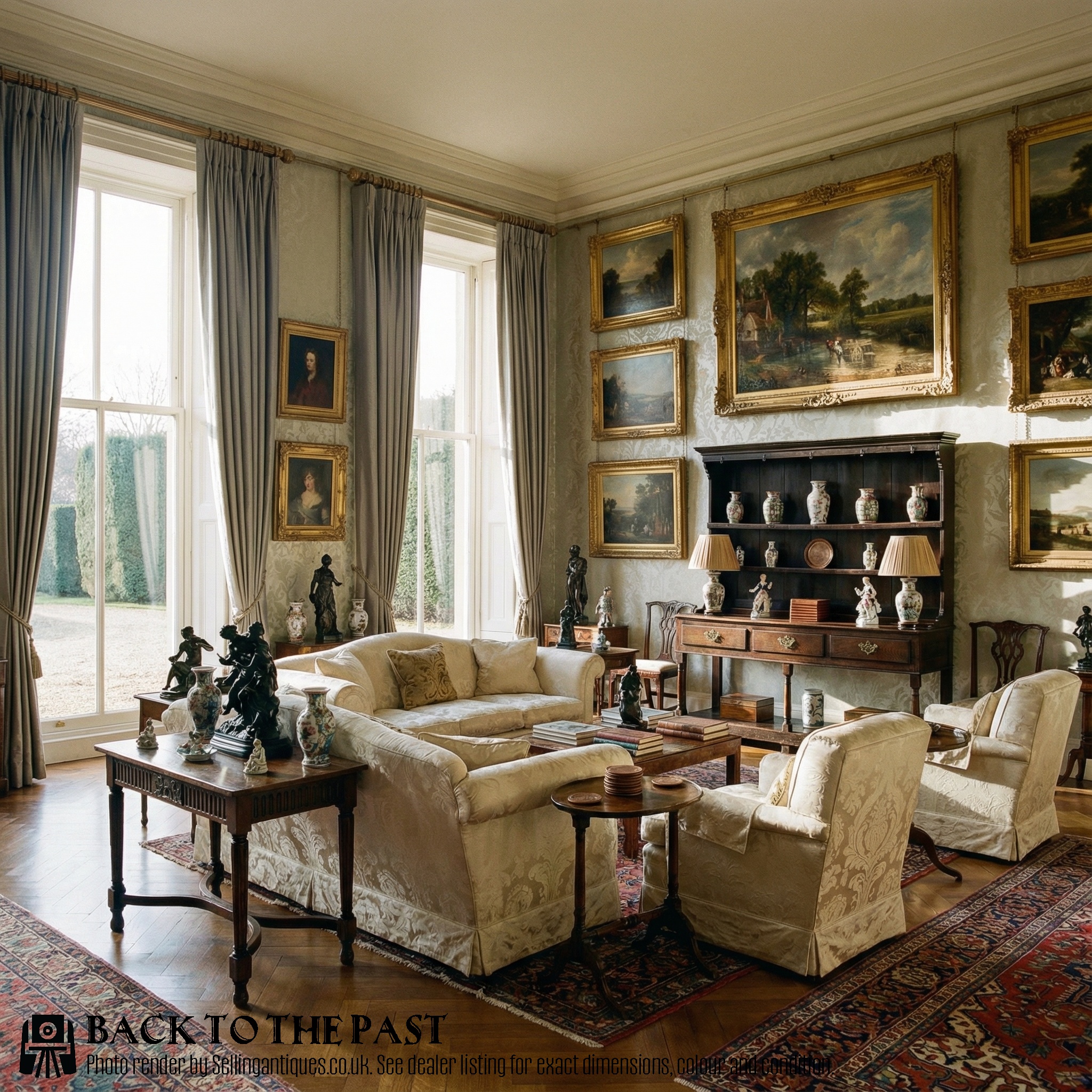
Georgian Oak Welsh Dresser, Georgian
Priced at £1,425 from Antique and Unique
Evolved from simple open boards holding plates in medieval halls.
By the eighteenth century, they became a central fixture in farmhouses across Wales. Antique Welsh dressers filled the main living space.
Look at how regional divides shaped them. North Wales favoured enclosed bases with doors, while South Wales builders often left the base open.
Industrialisation pushed production out of rural workshops. Urban factories took over later in the nineteenth century.
Most remain anonymous. The regional trade relied on local village joiners.
Don't look for stamps or labels. Rural makers rarely signed their work, leaving construction methods to identify the origins.
Focus on regional styles instead of names. Montgomeryshire pieces differ clearly from those made in Carmarthenshire.
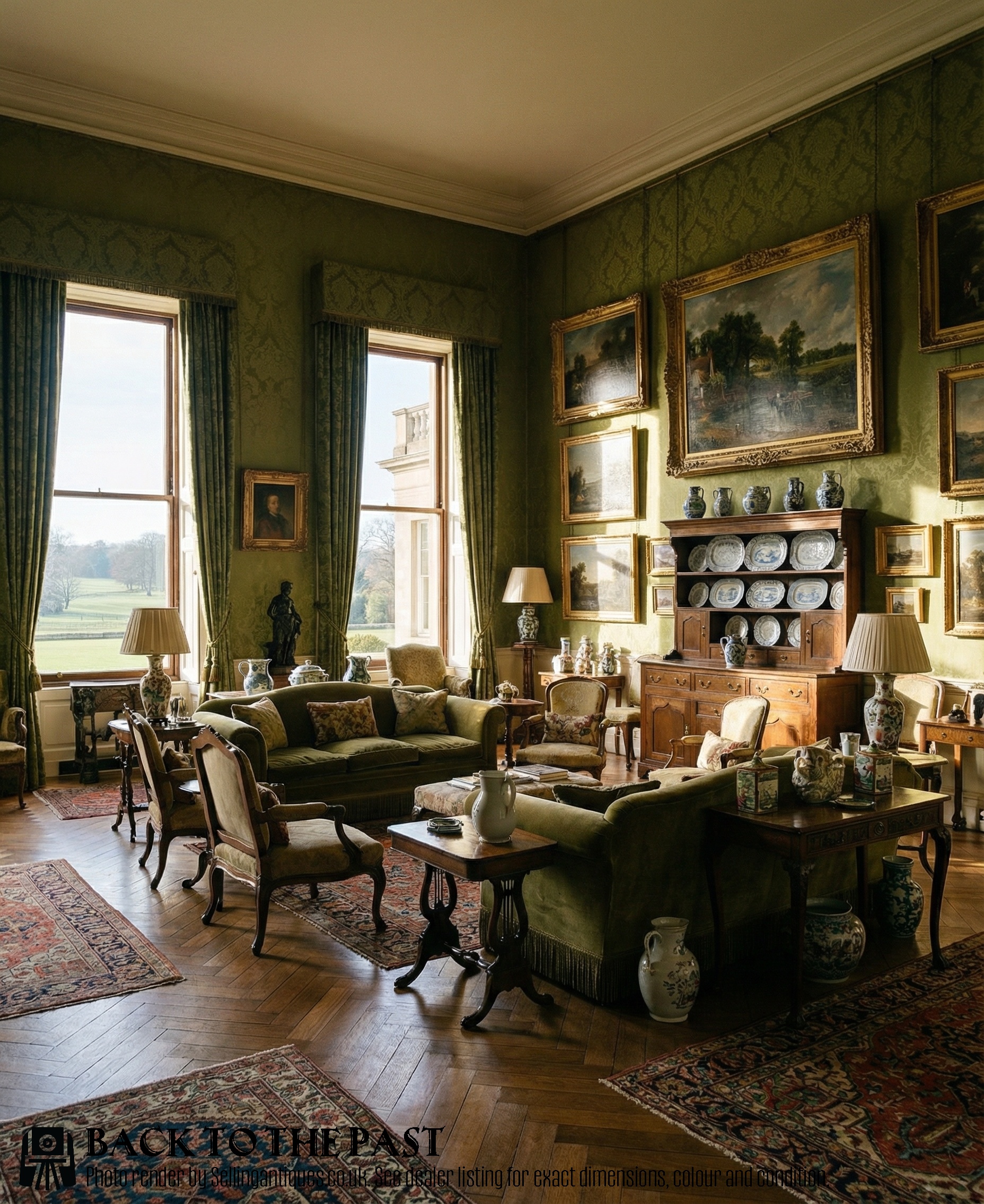
Fine 18th Century Snowdonia Welsh Oak Dresser& Plates, 18th Century
Priced at £2,900 from Abersoch Antiques
The 2026 retail price guide for Antique Welsh Dressers is drawn from a proprietary archive of over 1.1 million retail prices indexed by Sellingantiques since 2003. This guide relies exclusively on their own internal data; no external sources or auction records are used.
Analysing nearly 25 years of UK antique market history alongside current retail values, the data indicates that typical UK retail prices for Antique Welsh Dressers range between £1,400 and £4,900. Entry-level prices generally fall under £1,400 and premium examples upwards of £4,900.
The rack above holds the display. Grooves cut into the shelves stop plates from slipping forward.
Hand-forged iron hooks often run along the shelf fronts. These took the hanging jugs and cups.
A row of drawers separates the rack from the lower storage area. Some have dummy fronts hiding deeper cupboards.
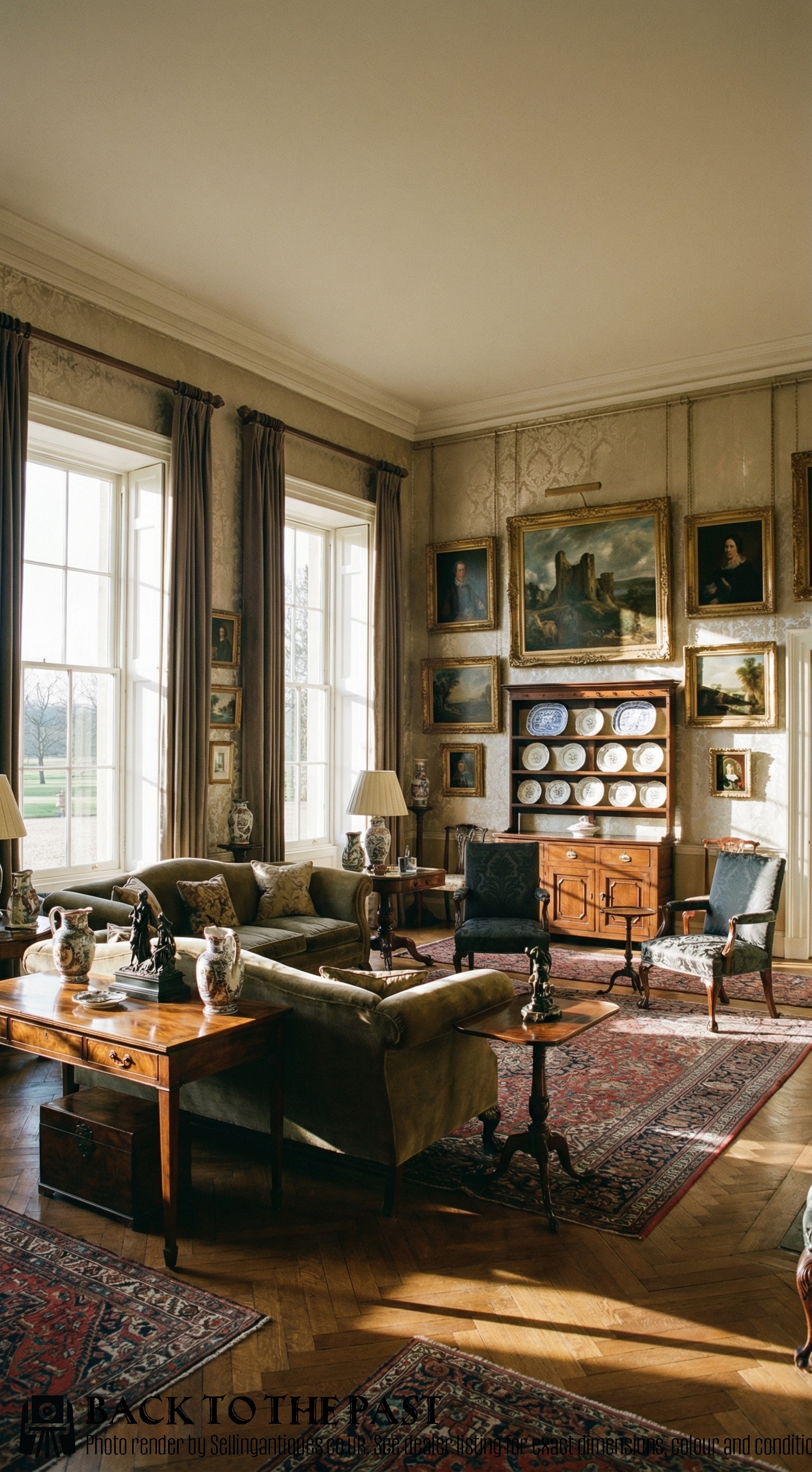
Georgian Welsh Oak Dresser with Cupboard Base, Circa 1790, 18th Century
Priced at £1,500 from WelshAntiques
Early construction relies on pegged mortise and tenon joints. The frames carry the structural weight.
Panels float loosely within the frame grooves. This stops the solid wood splitting as humidity changes.
Look for hand-cut dovetails on the drawers. Joiners used them to hold the heavy oak fronts tightly to the pine sides.
"The upper rack lifts off. Moving them into tight farmhouse rooms required building them in two distinct halves."
"Some backboards still carry the original paint. Early owners applied bright colours to show off their white ceramics."
"Secret compartments exist in a few regional types. Hidden tills sit behind the main frieze drawers."
Based on almost 25 years of Sellingantiques UK antique market data, Antique Welsh Dressers appeared 1662 times (out of 1,100,000 antiques) which gives it a rarity score of 72/100.
This score measures scarcity within the Sellingantiques archive only and is not a survey of the entire antiques market, so these statistics may not be indicative of the general availability of Antique Welsh Dressers elsewhere.
The rack just lifts off the base. Two people can separate the halves without any tools, making transport easier.
Take the drawers out of the base before lifting. Wrap the rack carefully because the shaped side edges catch on door frames.
Stripping the finish ruins the patination. That dark surface took centuries of wax to form.
Clean it with a damp cloth instead. Apply beeswax occasionally.
Cutting the rack alters the proportion of the piece. You lose the shaped frieze at the top and change the structural integrity of the sides.
Look for a dresser from a different region instead. Some areas made lower examples specifically for cramped cottages with low beams.
The shelves hold substantial weight. They were built for thick domestic earthenware and heavy pewter chargers, which weigh more than standard modern plates.
Check the shelf supports first. You need to ensure the side joints remain firm.
If the wood lacks heavy worm damage, the rack easily handles daily use.
Please note: This Antique Welsh Dressers guide and its associated pricing data are provided for general informational purposes only. It does not constitute formal financial, investment, or appraisal advice and should not be relied upon as the sole basis for any commercial activity, purchasing, or sales decisions. Sellingantiques.co.uk accepts no liability for any actions taken in reliance on this information. Always consult with a qualified professional or independent appraiser.
