


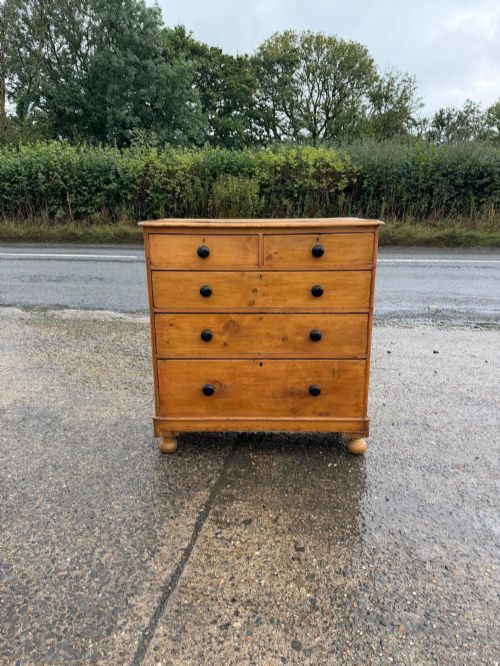
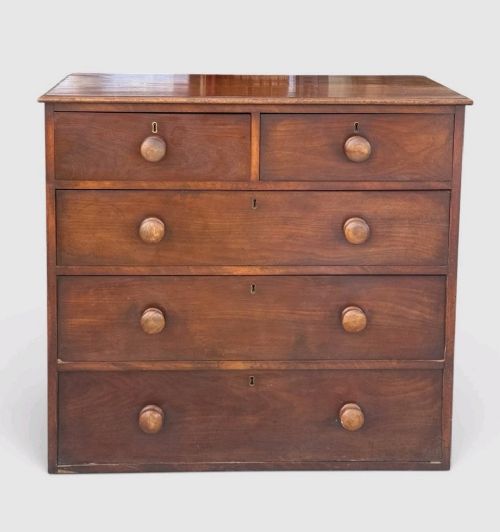
Antique Pine Chest of Drawers
A softwood chest of drawers, made as the everyday alternative to hardwood case furniture for bedrooms, cottages, servants' rooms and workshops.
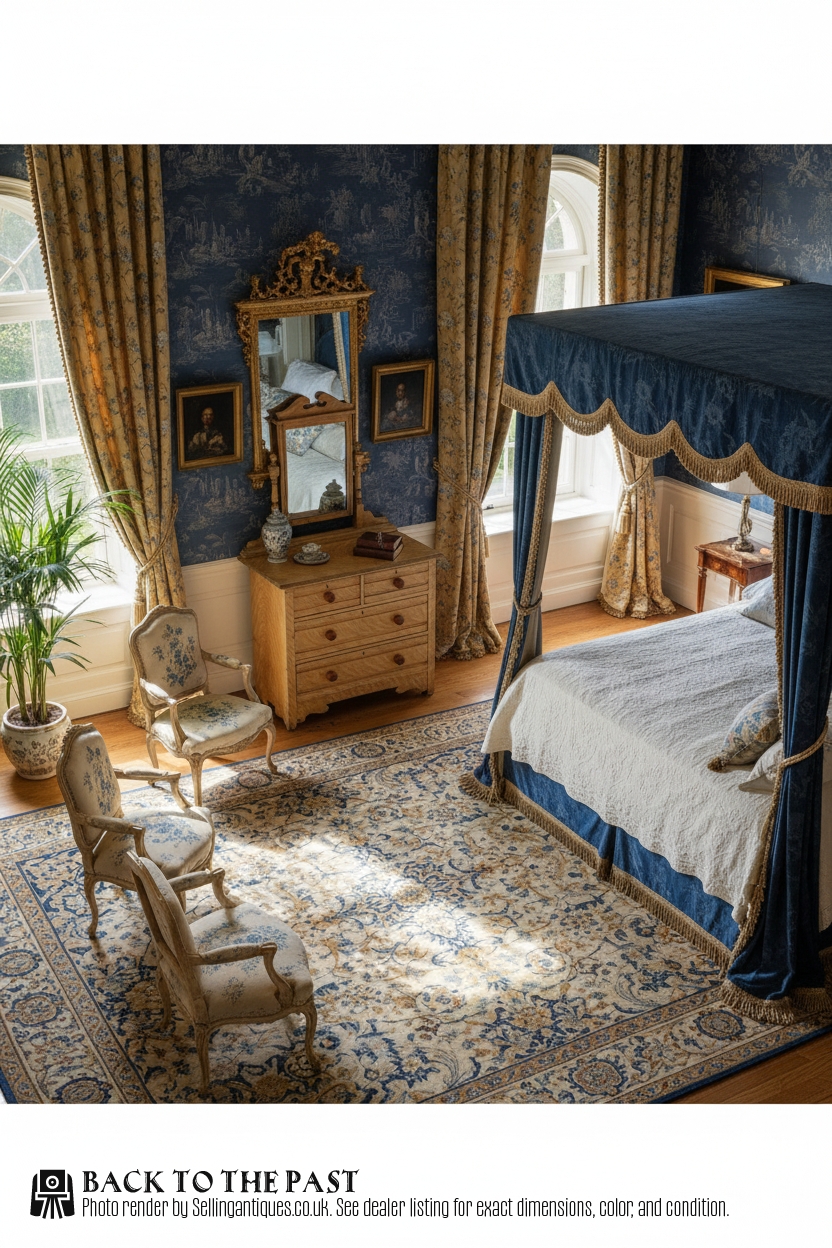
Antique Pine Chest of Drawers
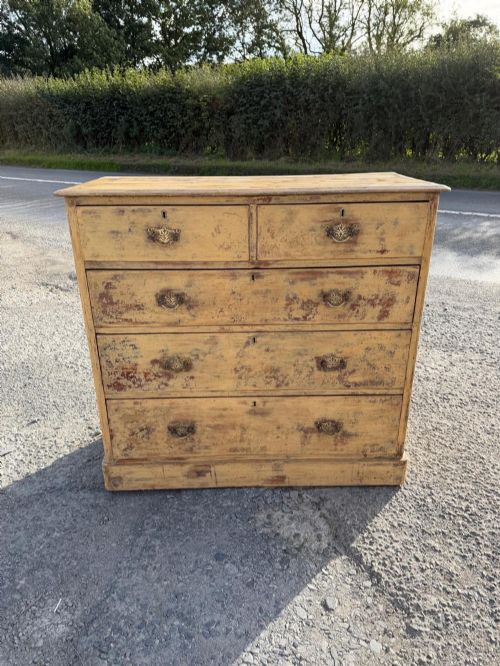
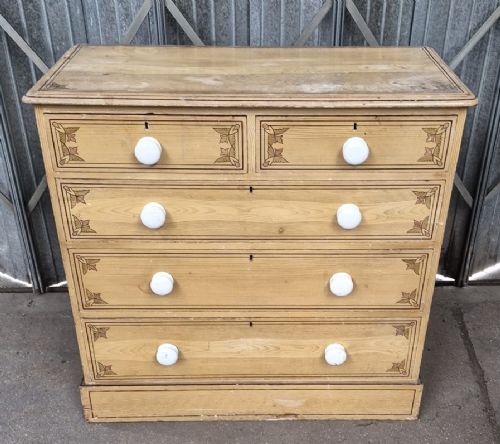
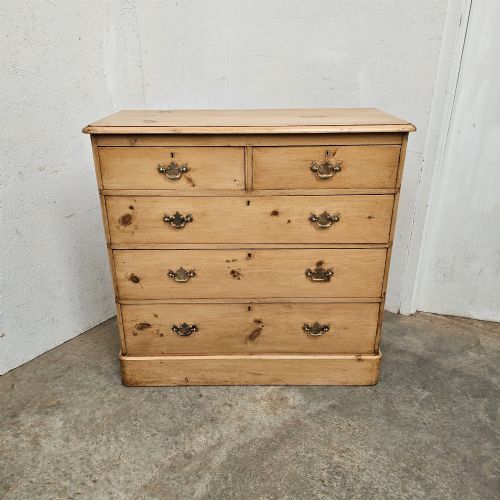
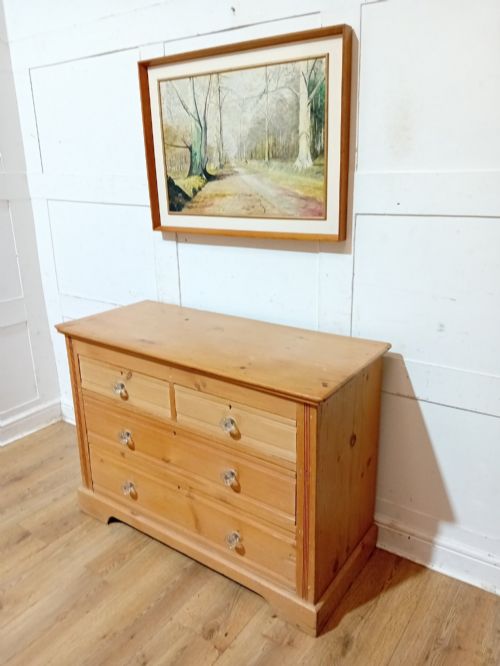
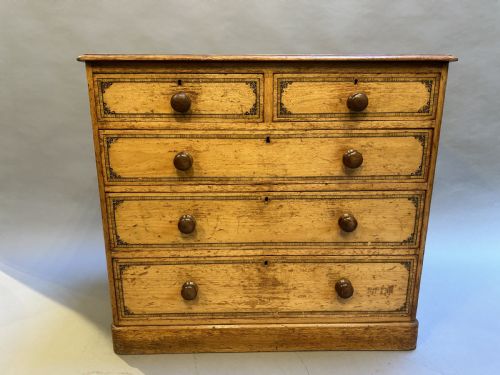
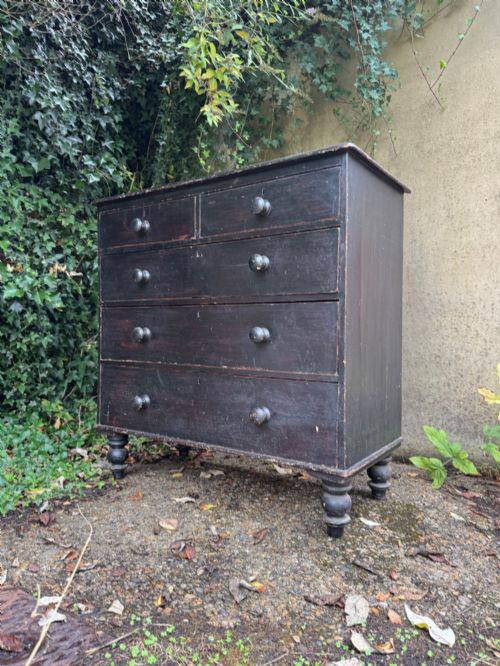
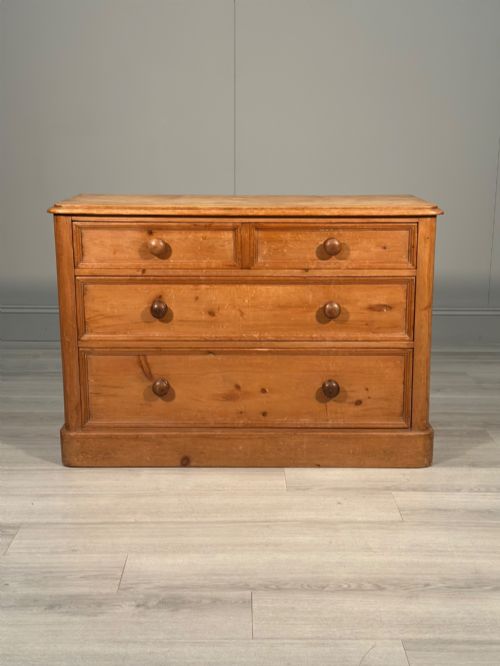
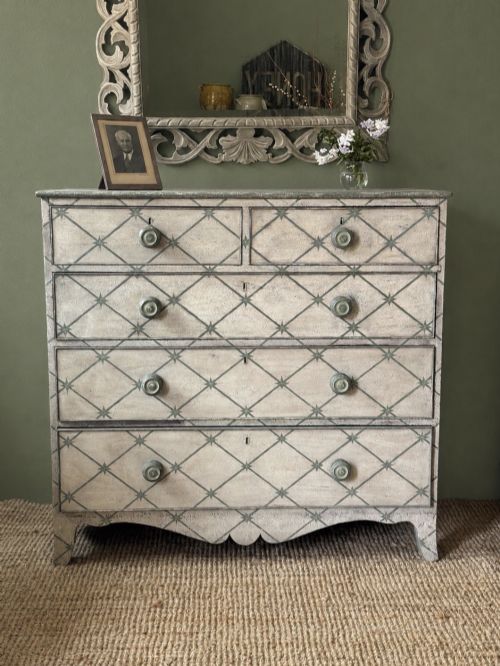
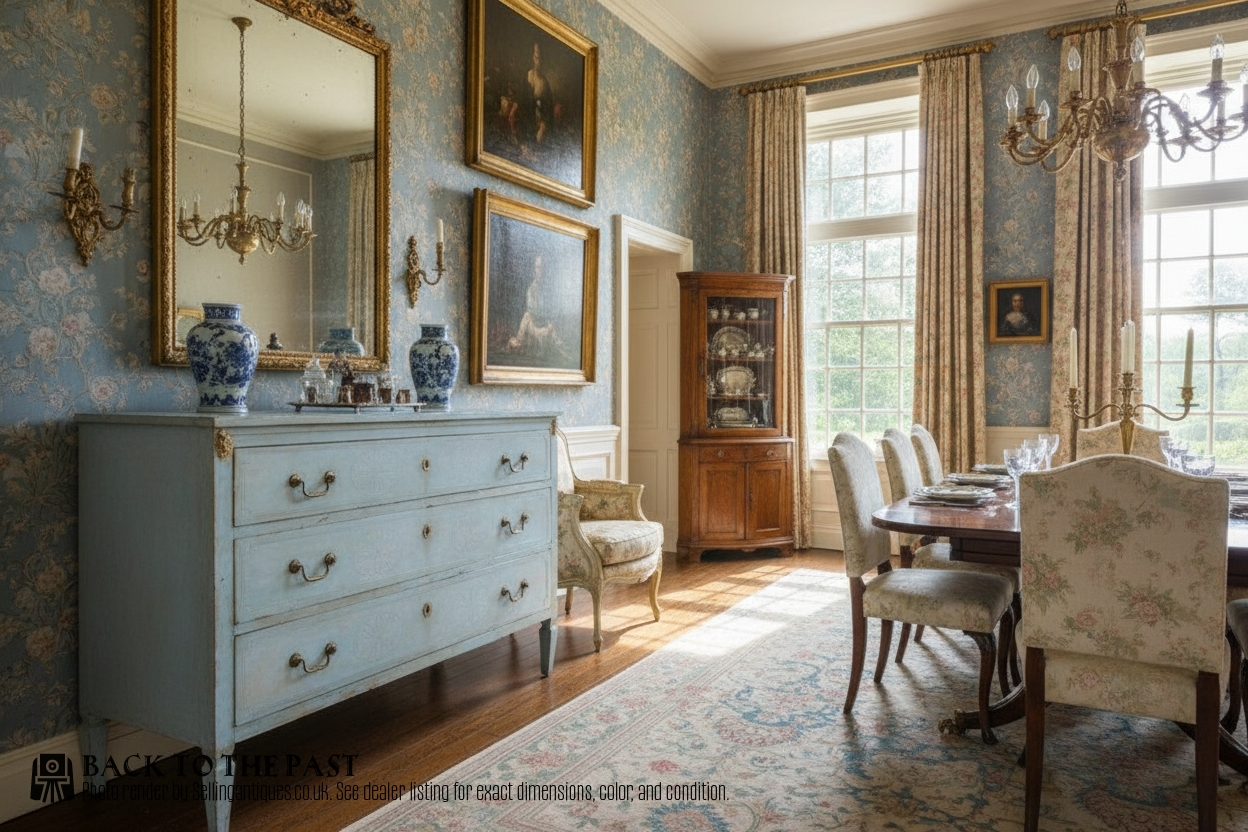
Pine chests of drawers were the affordable answer to mahogany and oak, made from the eighteenth century onward for rooms where cost mattered more than show. Pine was commonly painted or grained to imitate costlier timbers. Later fashion reversed that, stripping the paint off to leave bare waxed wood, and both surfaces sit side by side in the listings.
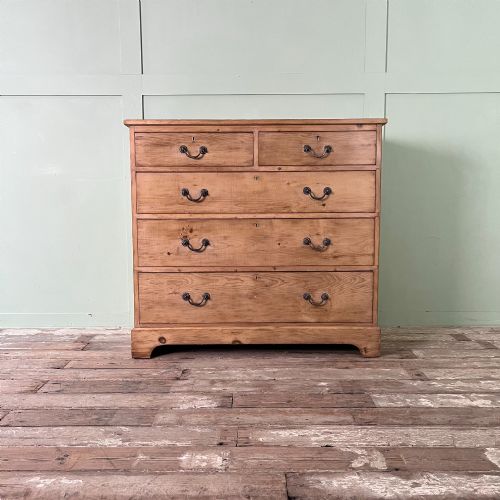
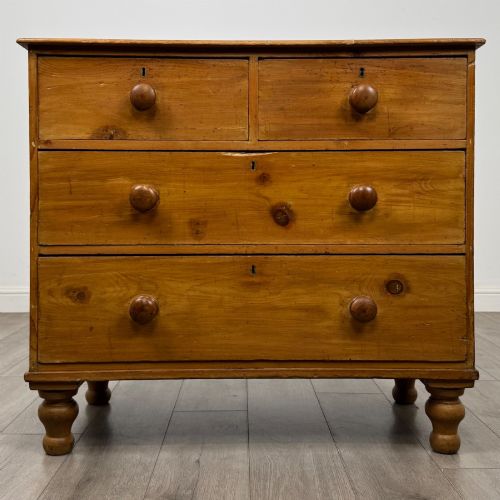
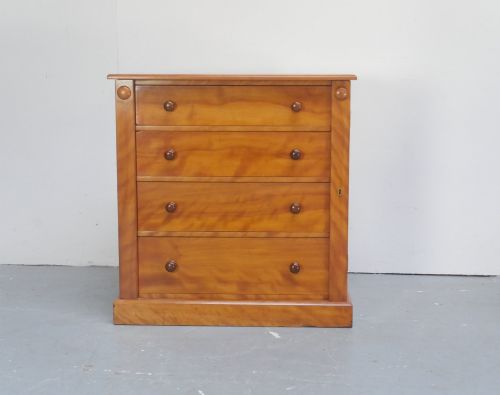
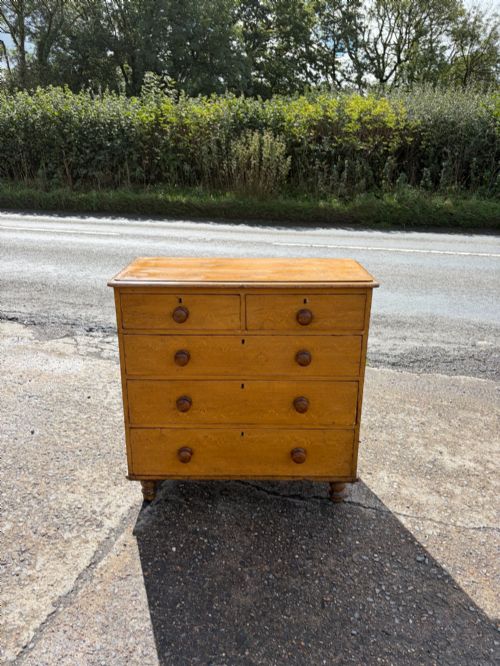
The chest you'll meet most often is English and Victorian. The dated field marks 573 listings Victorian, with another 272 pinned no closer than 19th Century. Titles tend to name the drawer layout and little else: two over two, two over three, or three or four long drawers.
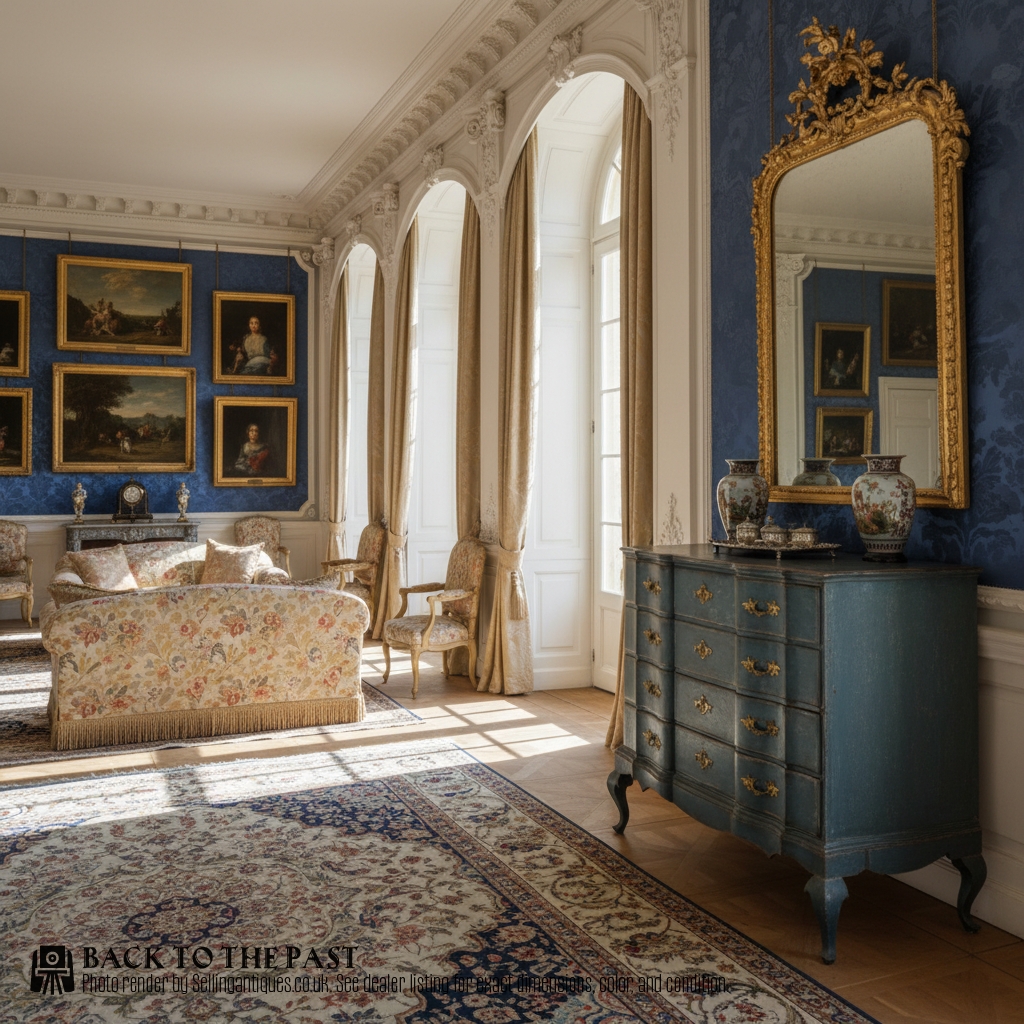
Surface is the other half of the description. Painted chests run to 259 titles, and a whole vocabulary has grown around them - scumbled, stencilled, grained, simulated oak, with colours named as blue, white, grey, black and cream. Stripped and waxed examples form a smaller group, and pitch pine turns up in 43 titles as a sub-type of its own.
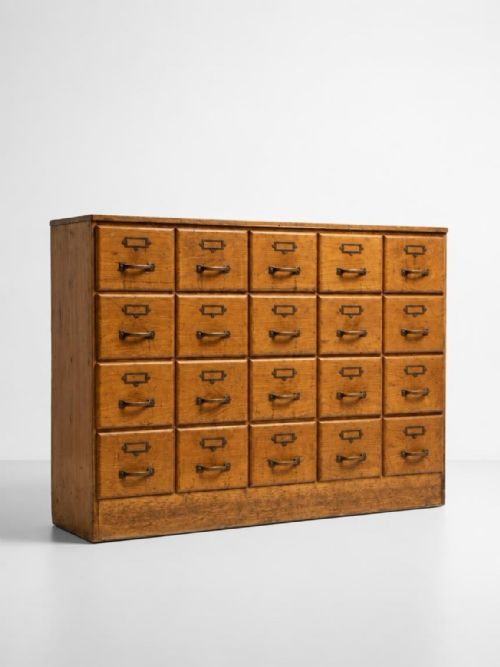
Away from the bedroom chest sit the small ones - apprentice, miniature, table-top specimen and collector's chests, banks of drawers from shops and offices, apothecary, haberdashery and plan chests. A Continental strand runs through too: Swedish, Hungarian and Danish painted chests and commodes, with one-off Czech, Baltic, French and Austrian pieces. Around 148 come to market in a year, listed by 129 different dealers.
Where Value Sits
Surface does most of the work. Chests described as carrying original paint cluster in the upper half of the range, while stripped and waxed pine sits lower and in the middle. The archive records both finishes without explaining either, so the distinction is what the trade pays for rather than a claim about which came first.
Size pulls in the obvious direction. Large, tall and massive chests, and those with five, eight or twelve drawers, sit well above the plain mass, while apprentice, miniature and diminutive chests are among the lowest sampled. Small is charming and cheap; scale costs money.
Then period and origin. Regency and Georgian labels appear disproportionately high, and the single 17th Century chest with geometric mouldings sits at the very top, with 1930s examples near the bottom. Swedish painted commodes, sometimes offered as pairs, occupy the highest positions of all, and named decorative or specialist forms - faux bamboo, apothecary, haberdashery, plan chests, Aesthetic Movement and Gothic - all rise above plain pine.
Antique Pine Chest of Drawers Retail Price Guide 2026
Typical UK retail prices for pine chest of drawers, calculated from the Sellingantiques database of over a million retail prices indexed since 2003. This retail price guide relies exclusively on Sellingantiques data; no external sources or auction records are used, so the figures do not describe the wider market.
Pitch pine is named often enough on Sellingantiques to stand as its own sub-type, alongside plain and painted pine.
The Antique Pine Chest of Drawers Glossary
- 2 over 3
- Drawer layout: two short drawers above three long ones. Written 2+2 or 2+3 as well, and it's the commonest configuration named in titles.
- Stripped
- Paint or finish taken off to leave bare pine, usually waxed or polished afterwards. Related title words include scrubbed, dry scraped and lime waxed.
- Scumble
- A streaked, dragged paint finish imitating figured hardwood. 'Grained' and 'simulated oak' describe the same thing.
- Original paint
- The chest's first decorative surface rather than a later repaint, and a phrase flagged repeatedly in titles.
- Bank of drawers
- A multi-drawer utilitarian chest, shop or office rather than bedroom. Appears in 31 titles.
- Commode
- Used on Sellingantiques for Continental chests of drawers, usually painted ones, and found in 19 titles.
Antique Pine Chest of Drawers: Frequently Asked Questions
Is painted pine better than stripped pine?
Listings that flag original paint sit heavily in the upper half of the range. Stripped and waxed chests sit lower and in the middle.
The archive records both surfaces without saying which came first on any given chest. Pine was commonly painted or grained when made, and stripping is a later fashion.
What does pitch pine mean in a title?
Pitch pine is a dense, resinous pine with strong figure. It's named in 43 titles, enough to work as its own sub-type.
It appears alongside plain pine and painted pine as a way of describing the timber rather than the form.
How old is a typical antique pine chest?
Victorian dominates, with 573 listings carrying that label and a further 272 given only as 19th Century. The dated field runs from 1750 to 1930, though only 312 of 1,328 listings carry a clean year.
Earlier work is thin: Regency 52, Georgian 31, with 17th and 18th Century labels appearing once or twice.
Edwardian examples and a 1920s-1930s tail show the form kept being made past 1900, so antique pine here often means twentieth-century.
Which drawer arrangements turn up most?
Two over two, two over three, and three or four long drawers are the standard shapes named in titles.
Beyond the bedroom chest, larger runs appear: five-drawer, eight-drawer and one twelve-drawer painted chest are all recorded.
Are there Continental pine chests as well as English?
Yes. Swedish (22), Hungarian (19) and Danish (14) chests form a small but distinct strand, with one-off East German, Czech, Baltic, French, Italian, Austrian and Irish pieces.
Swedish painted commodes, sometimes offered as pairs, sit at the very top of the range.
What are the unusual forms in this category?
Odd shapes surface once or twice each: an apprentice chest, a haberdashery set, a baker's-tray chest, a vestry chest, a pharmacy chest of five drawers, a plan chest with iron handles.
Two chests carry painted shop advertising for the same ironmongers, and one Regency painted chest is recorded as signed and dated. Inscriptions are uncommon but they do appear.