

A 2026 Guide by Sellingantiques
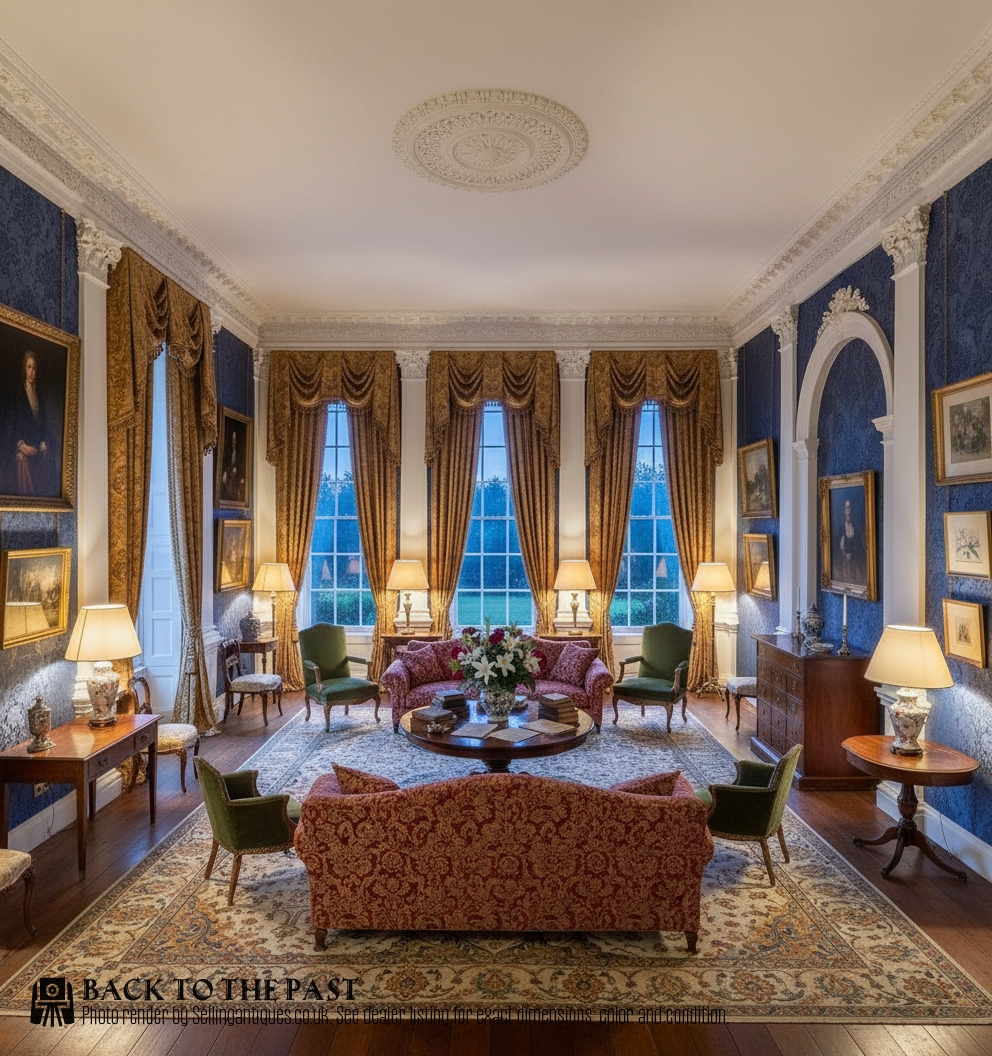
Nineteenth Century Bank of Drawers, 19th Century
Priced at £685 from Ropeworks Antiques
Shopkeepers needed highly organised storage for tiny items during the nineteenth century retail boom.
An antique bank of drawers was often built directly into the commercial premises rather than bought as freestanding furniture.
Look out for regional variations in hardware shops where specific local trades demanded unique compartment sizes.
Haberdashers used shallow trays behind glass fronts to display threads to customers across the counter.
The advent of mass packaging made these vast bespoke sorting systems redundant in most high street pharmacies.
Documented cabinet makers rarely signed an antique bank of drawers because they were considered utility shop fittings.
Local shopfitters built the vast majority of these directly for the specific tradesman.
Parnell & Sons of Bristol produced many late Victorian apothecary interiors that survive today.
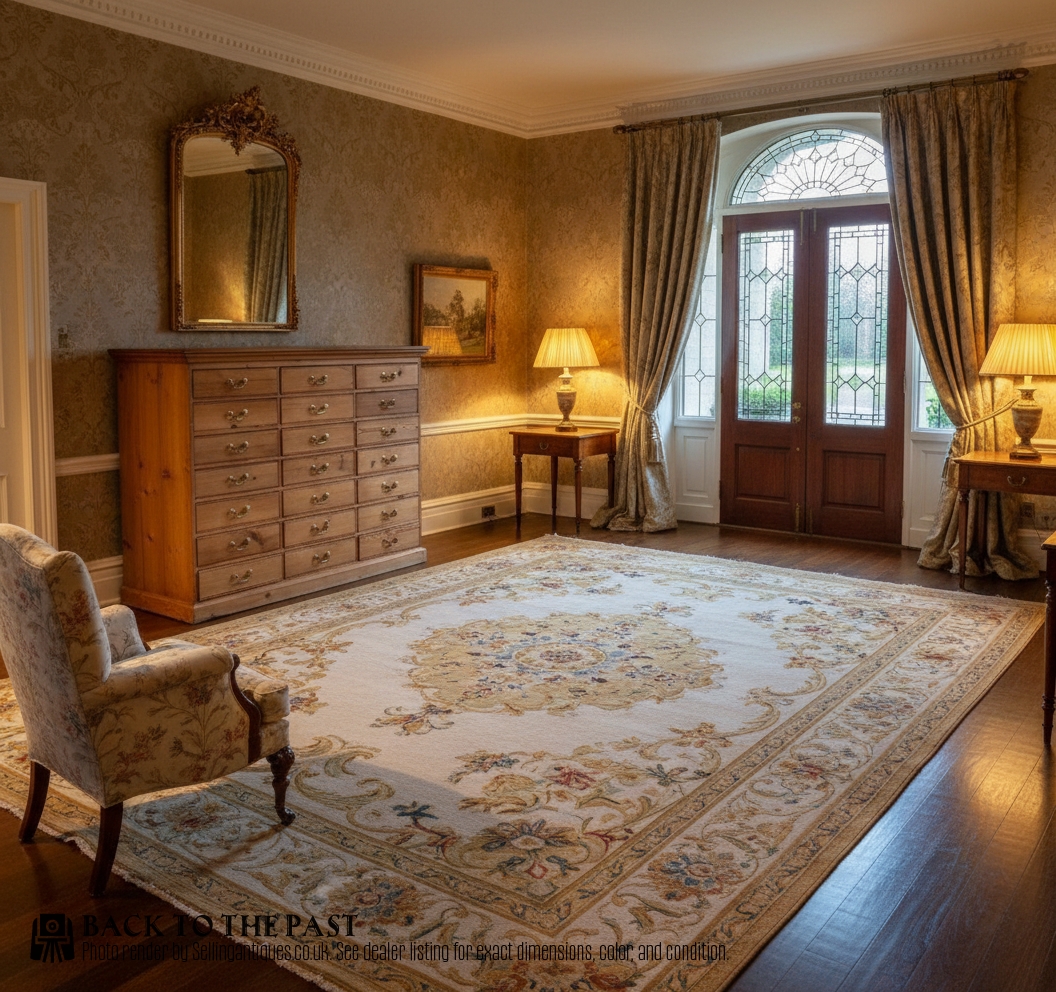
Substantial Pine Bank of Drawers
, 1900
Priced at £975 from Worboys Antiques
The 2026 retail price guide for Antique Bank Of Drawers is drawn from a proprietary archive of over 1.1 million retail prices indexed by Sellingantiques since 2003. This guide relies exclusively on their own internal data; no external sources or auction records are used.
Analysing nearly 25 years of UK antique market history alongside current retail values, the data indicates that typical UK retail prices for Antique Bank Of Drawers range between £600 and £2,500. Entry-level prices generally fall under £600 and premium examples upwards of £2,500.
Rows of tightly packed uniform compartments dominate the face of any antique bank of drawers.
Check the pulls. Wooden knobs and brass cup handles frequently appear across different retail trades.
Some banks feature a solid plinth base instead of feet to spread the weight of stored goods.
Early examples rely on heavy through-dovetails on the carcase corners for stability.
Pull one of the drawers out. You will usually find machine-cut dovetails on later units.
Back panels shift from solid planked timber to lighter framed ply as the twentieth century begins.
"Many units hide secret locking mechanisms where one master drawer secures the entire vertical column."
"Apothecary examples sometimes retain the faint scent of dried herbs and spices in the bare wood."
"Watch for handwritten pencil stock codes on the drawer backs left by Edwardian shop assistants."
Based on almost 25 years of Sellingantiques UK antique market data, Antique Bank Of Drawers appeared 716 times (out of 1,100,000 antiques) which gives it a rarity score of 87/100.
This score measures scarcity within the Sellingantiques archive only and is not a survey of the entire antiques market, so these statistics may not be indicative of the general availability of Antique Bank Of Drawers elsewhere.
Rubbing a simple block of paraffin wax along the wooden runners usually solves friction issues. You just slide the drawer out and coat the bottom edges.
Avoid modern silicone sprays. The liquid ruins the timber fibres and makes future repairs difficult.
Look closely at the inside panels of the drawer boxes. You will often see faint vertical score lines or cleaner bands of wood where the original dividers sat.
Haberdashery units usually have multiple slots for shifting divisions. Hardware and seed drawers tend to have fixed slots, sometimes with handwritten labels still tacked to the back board.
Many large shop fittings were built in modular sections so they're easier to move.
Check the side panels. A horizontal seam often indicates where the top section simply lifts off the base.
Stripping original paint from the sides of an antique bank of drawers destroys part of its commercial history. These carcases were often painted to match the specific shop interior while the drawer fronts were polished.
Leave the sides exactly as they are. The layered paint tells the story of the premises and provides a stable surface.
Please note: This Antique Bank Of Drawers guide and its associated pricing data are provided for general informational purposes only. It does not constitute formal financial, investment, or appraisal advice and should not be relied upon as the sole basis for any commercial activity, purchasing, or sales decisions. Sellingantiques.co.uk accepts no liability for any actions taken in reliance on this information. Always consult with a qualified professional or independent appraiser.
