It was listed by Regent Antiques. Sold pieces stay on Sellingantiques as a record of what has passed through, and the next one is rarely far away.
Regent Antiques has dated this piece to the 19th Century.
Provenance:
Comes from a Mansion House in Dorset
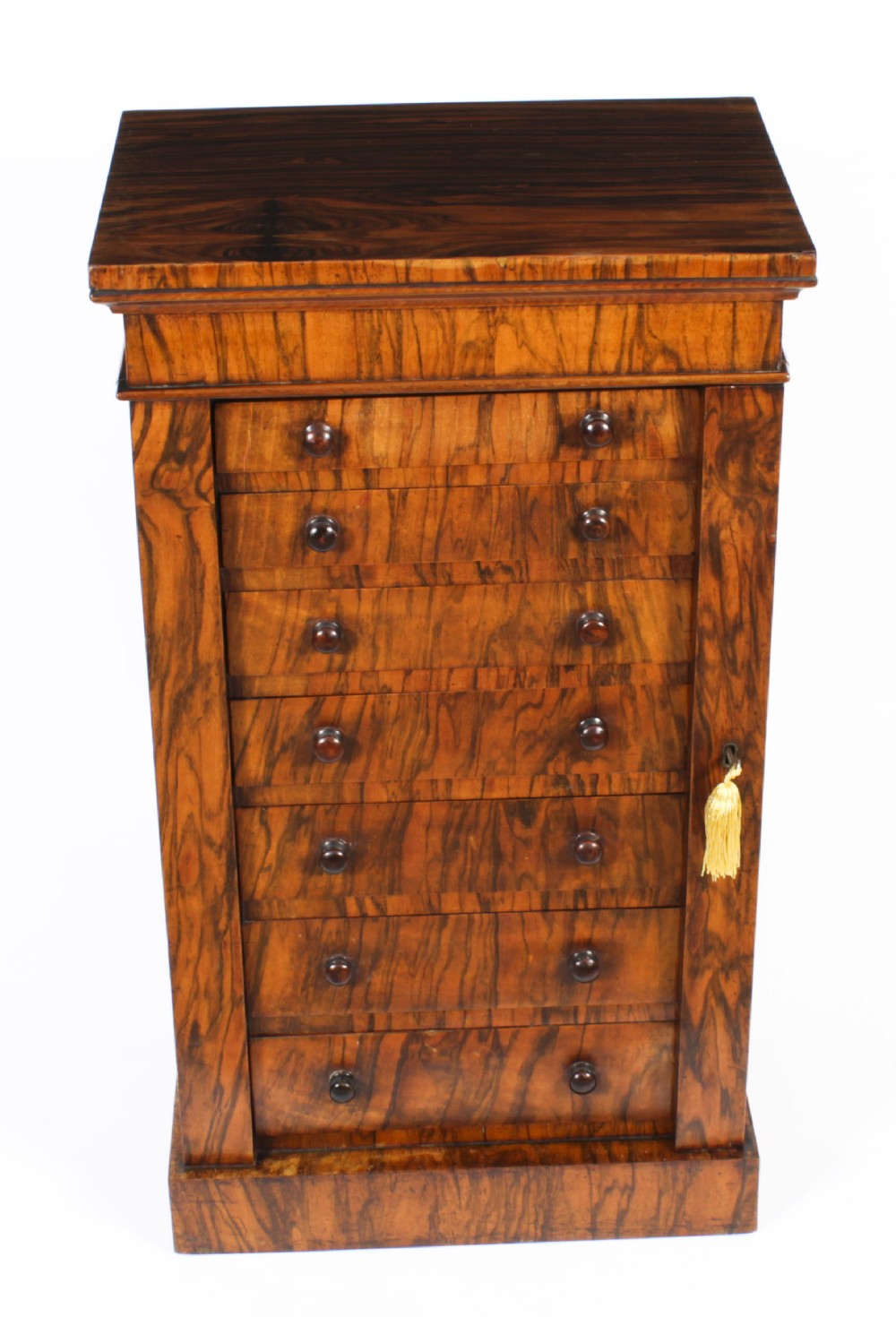
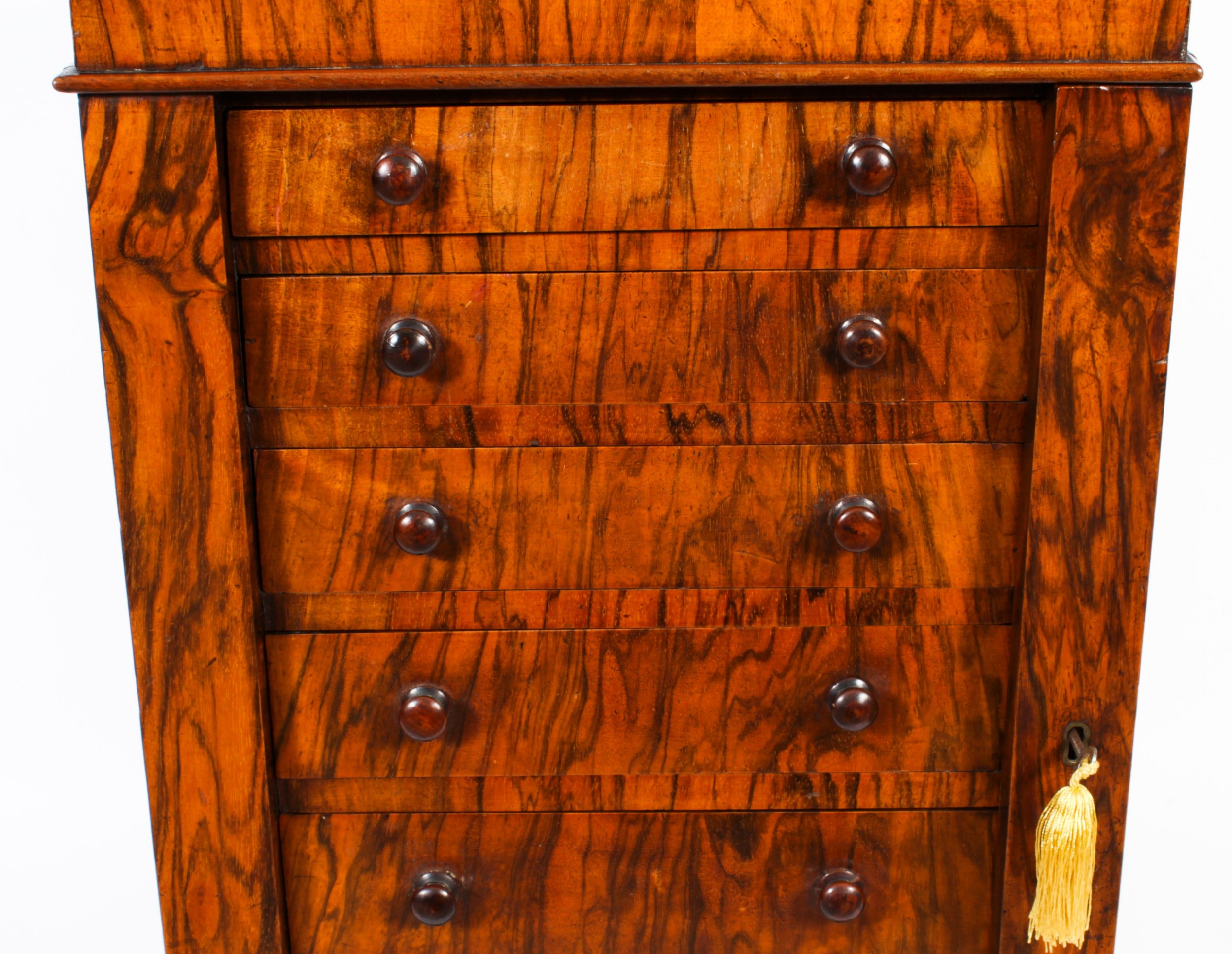
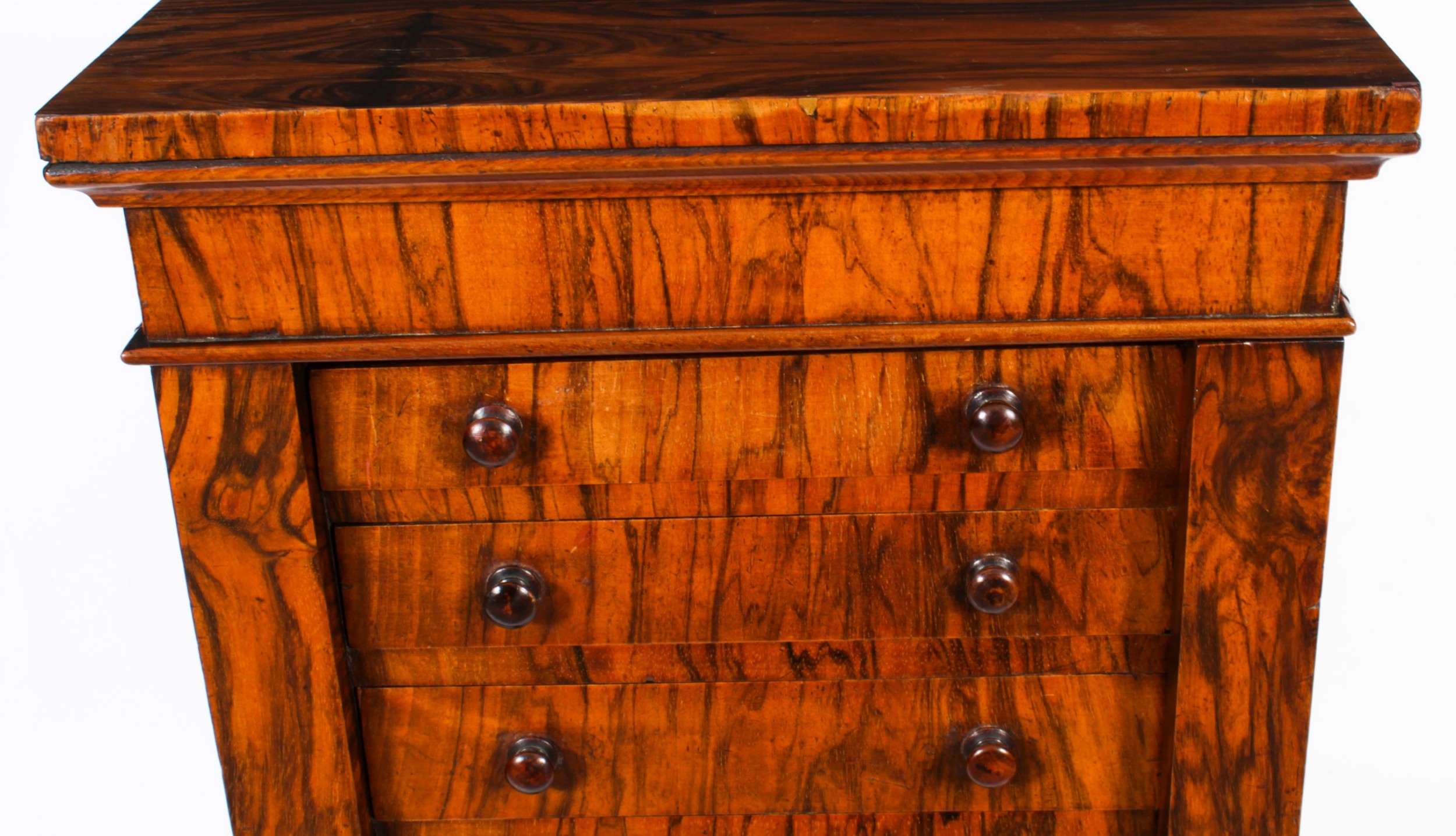
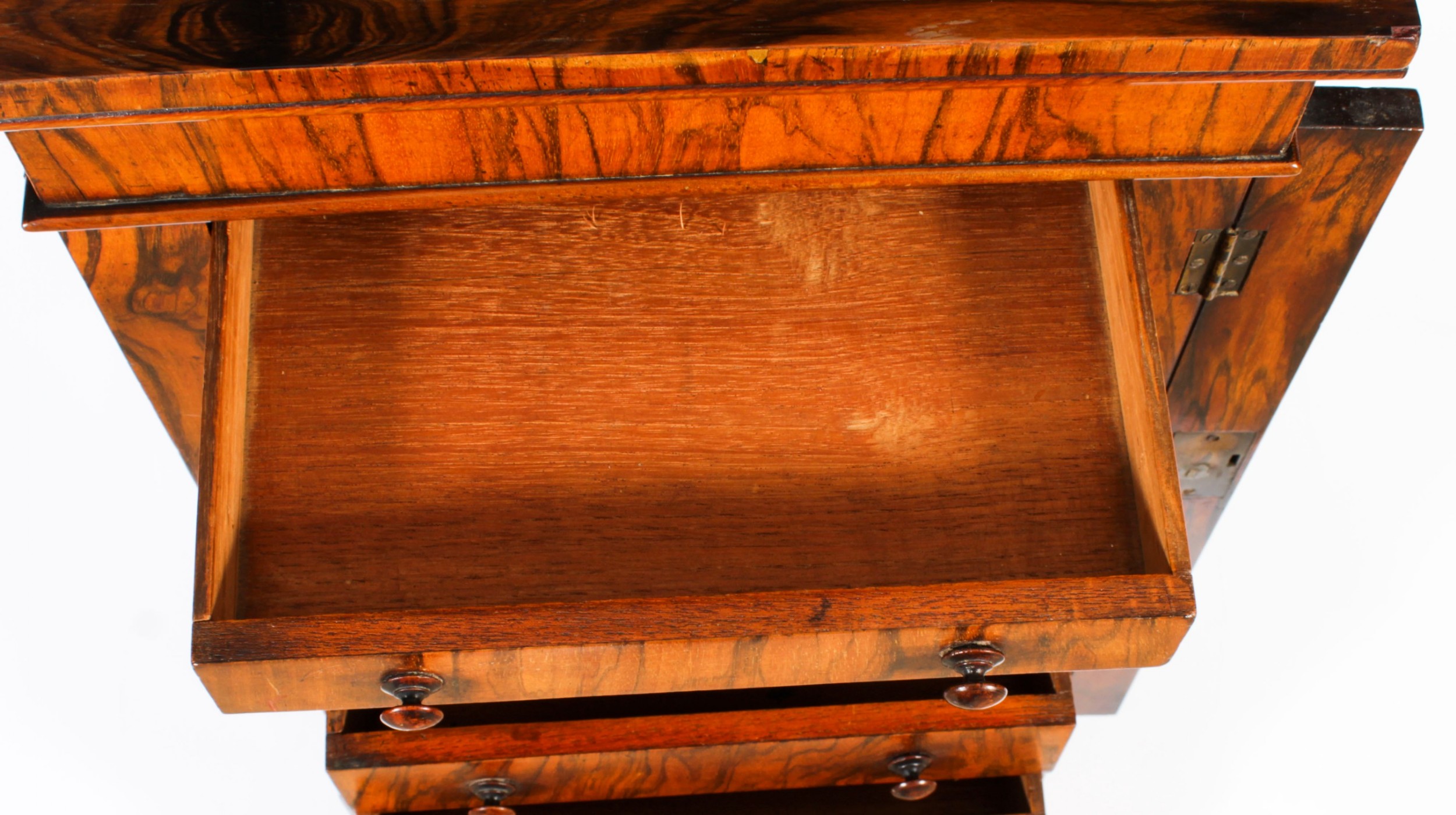
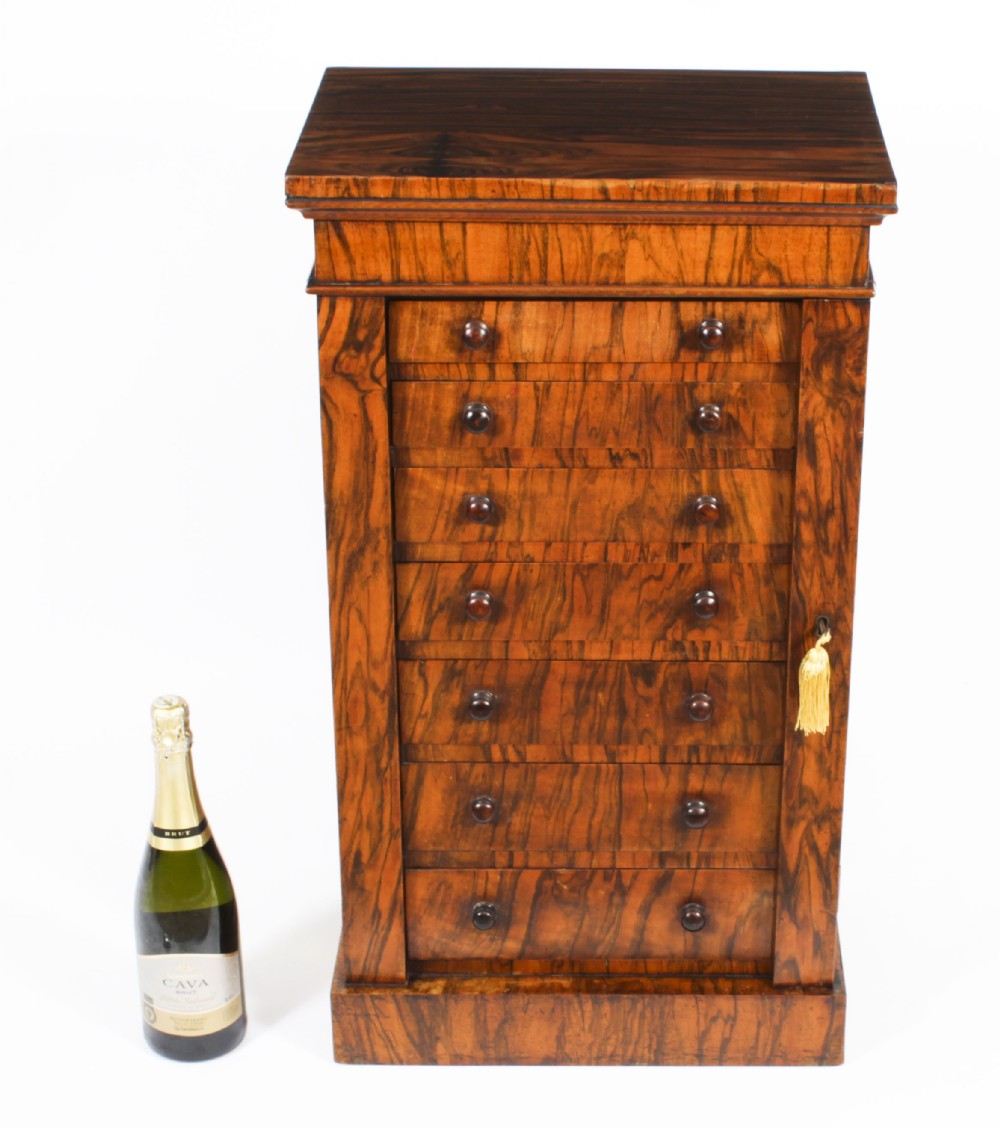
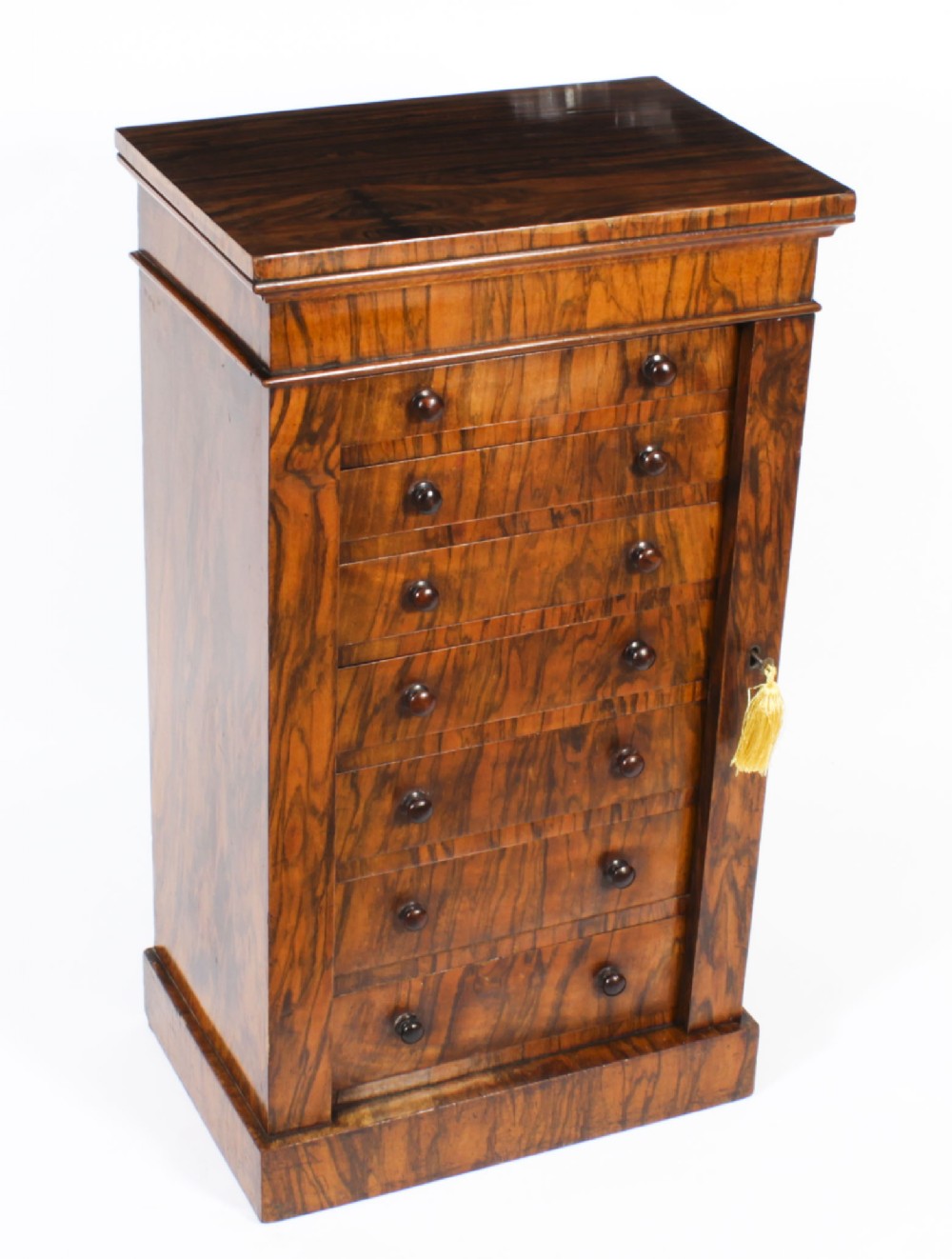
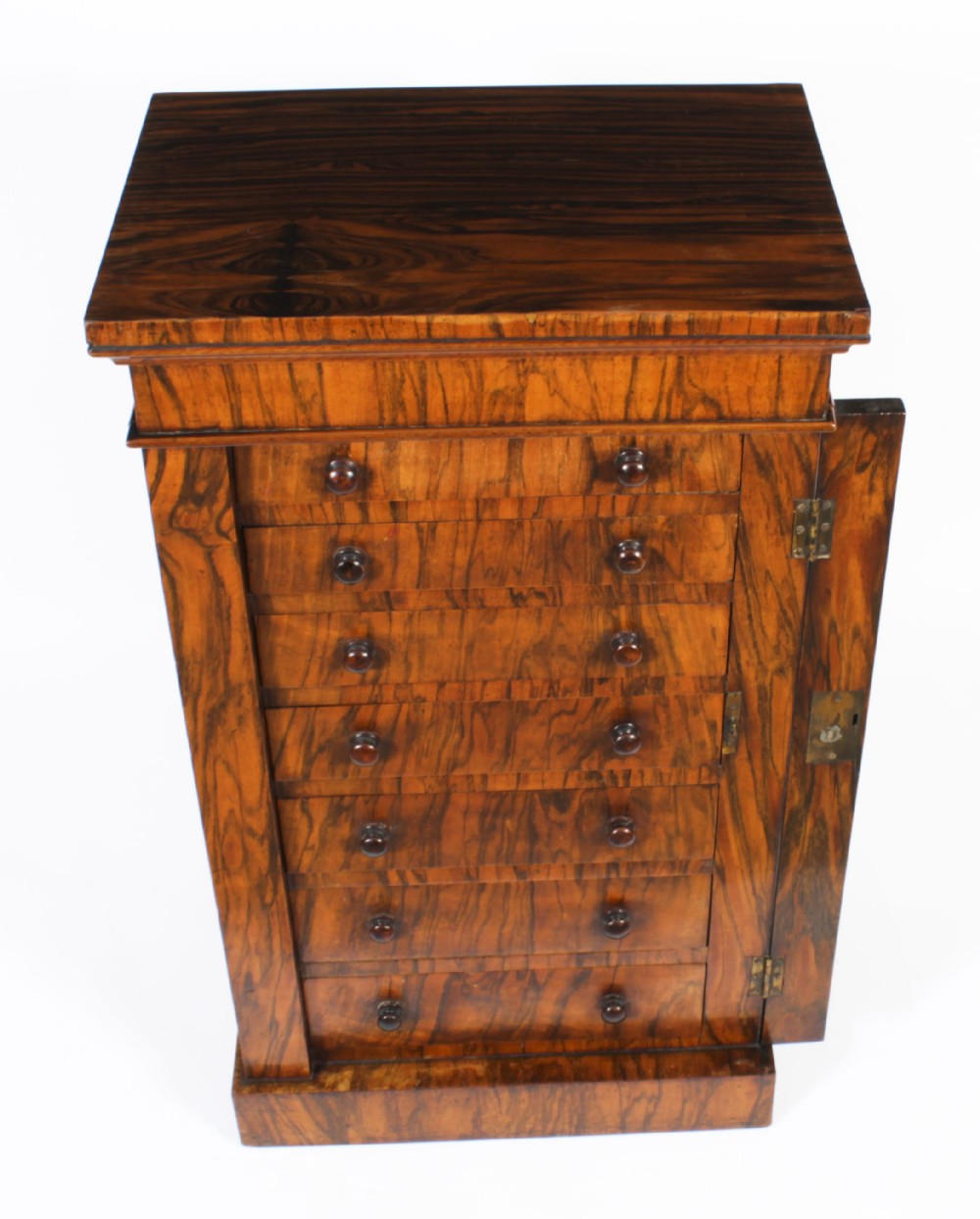
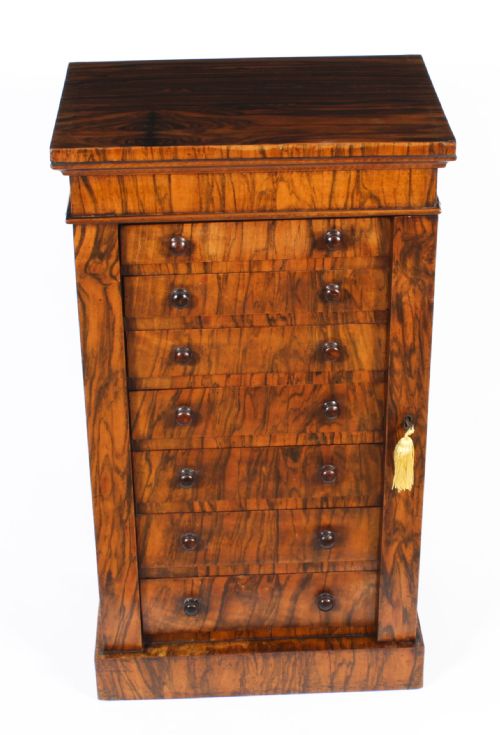
It is a lovely collector's cabinet which would be ideal for any collector of small objects.
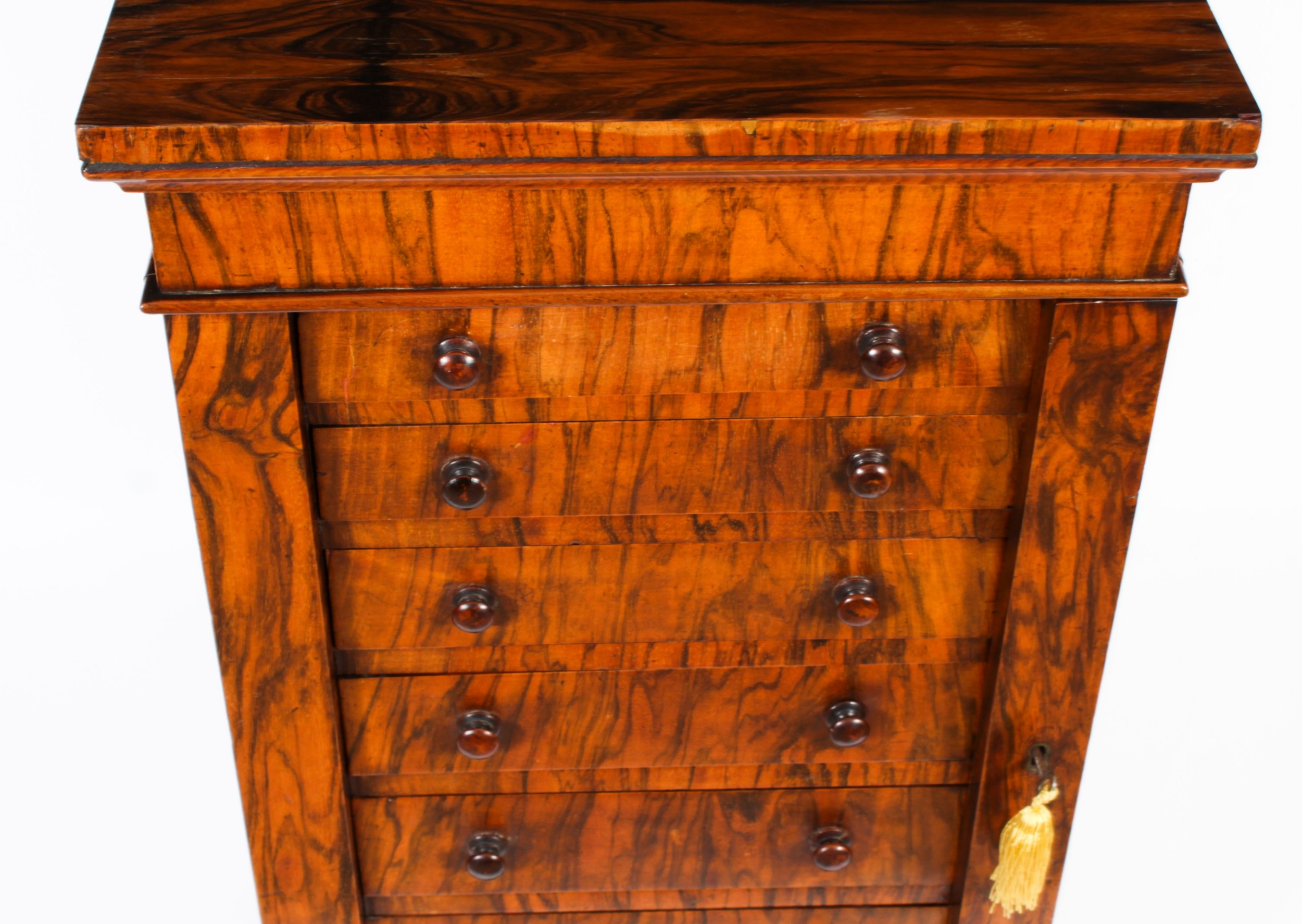
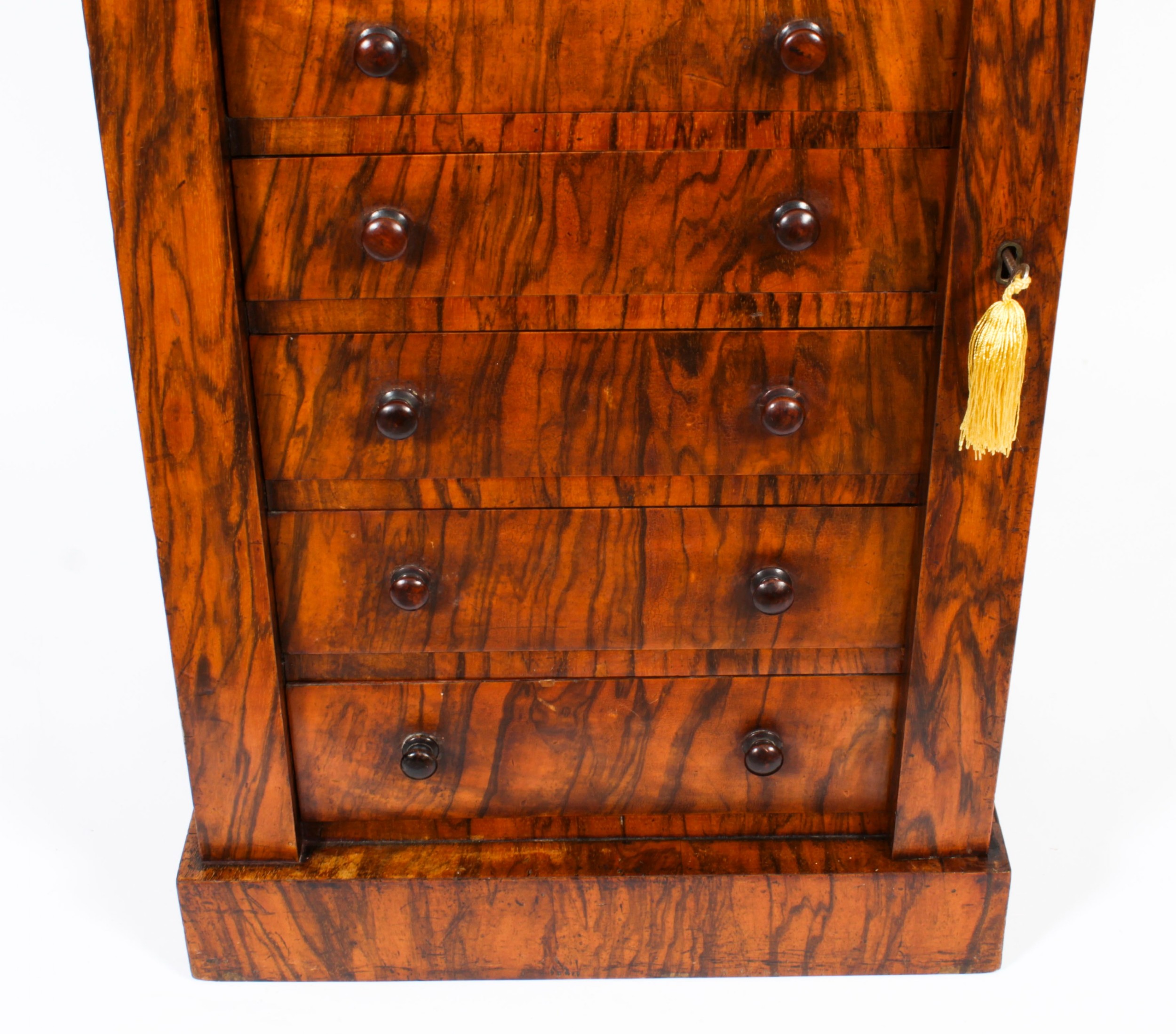
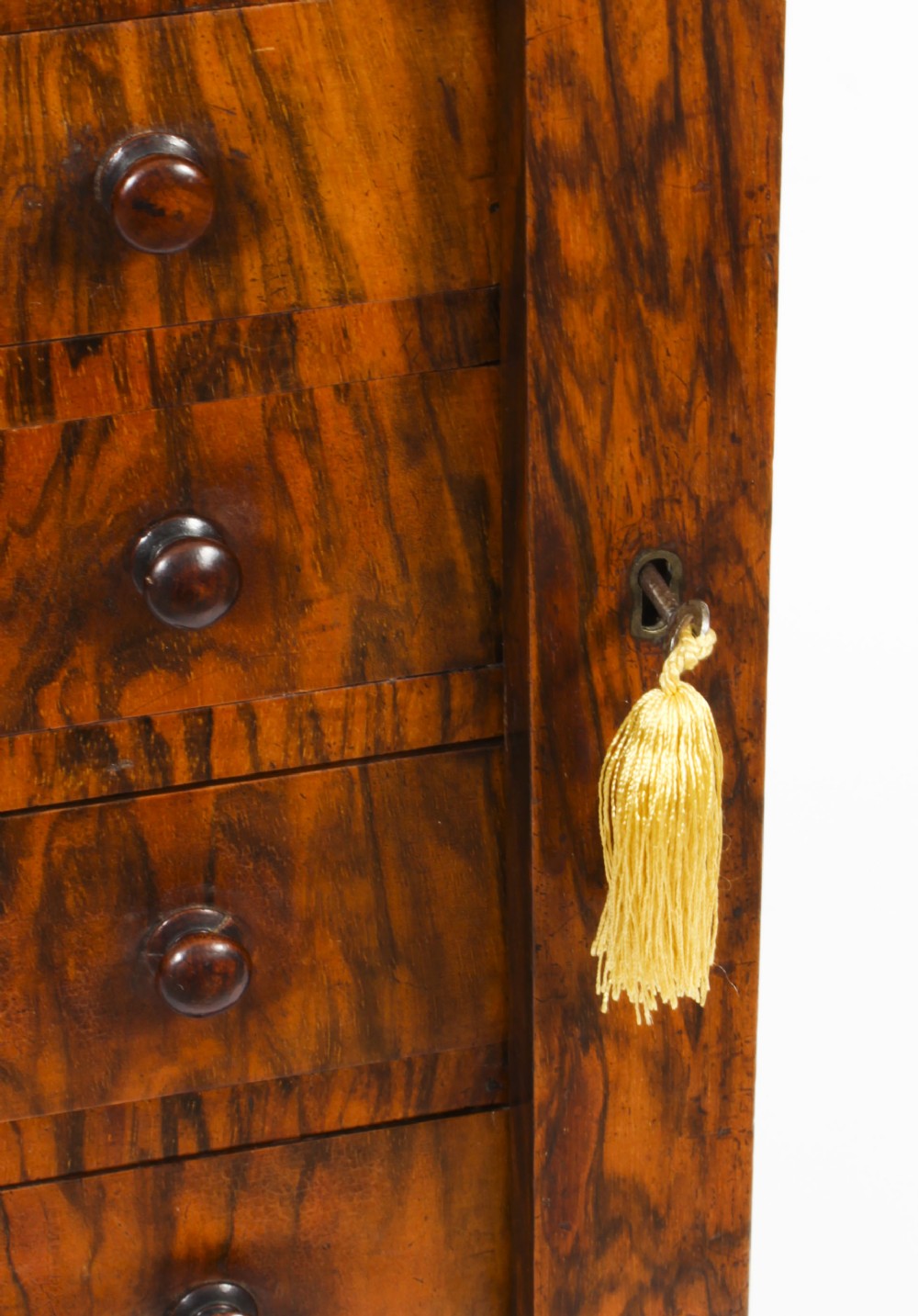
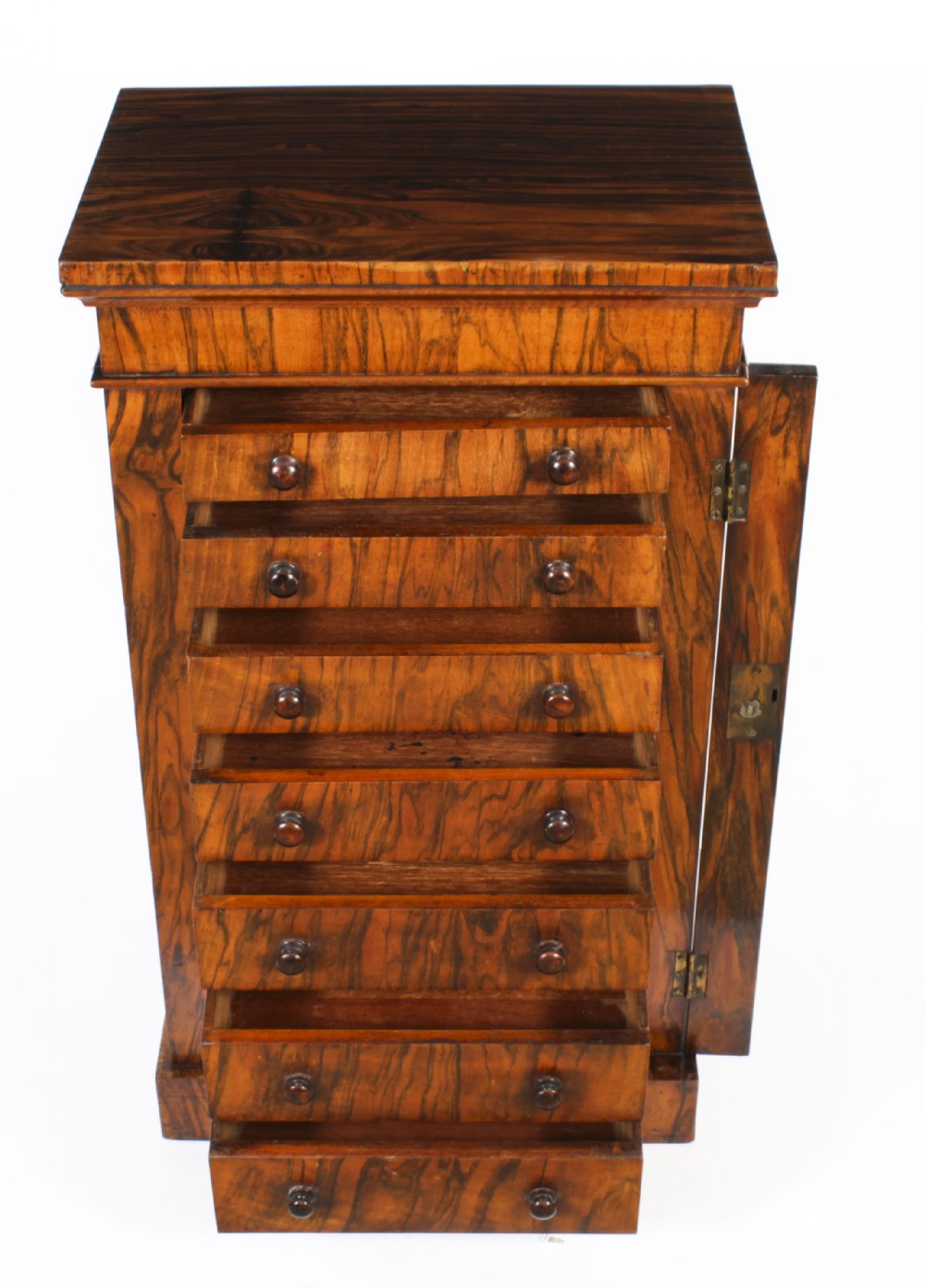
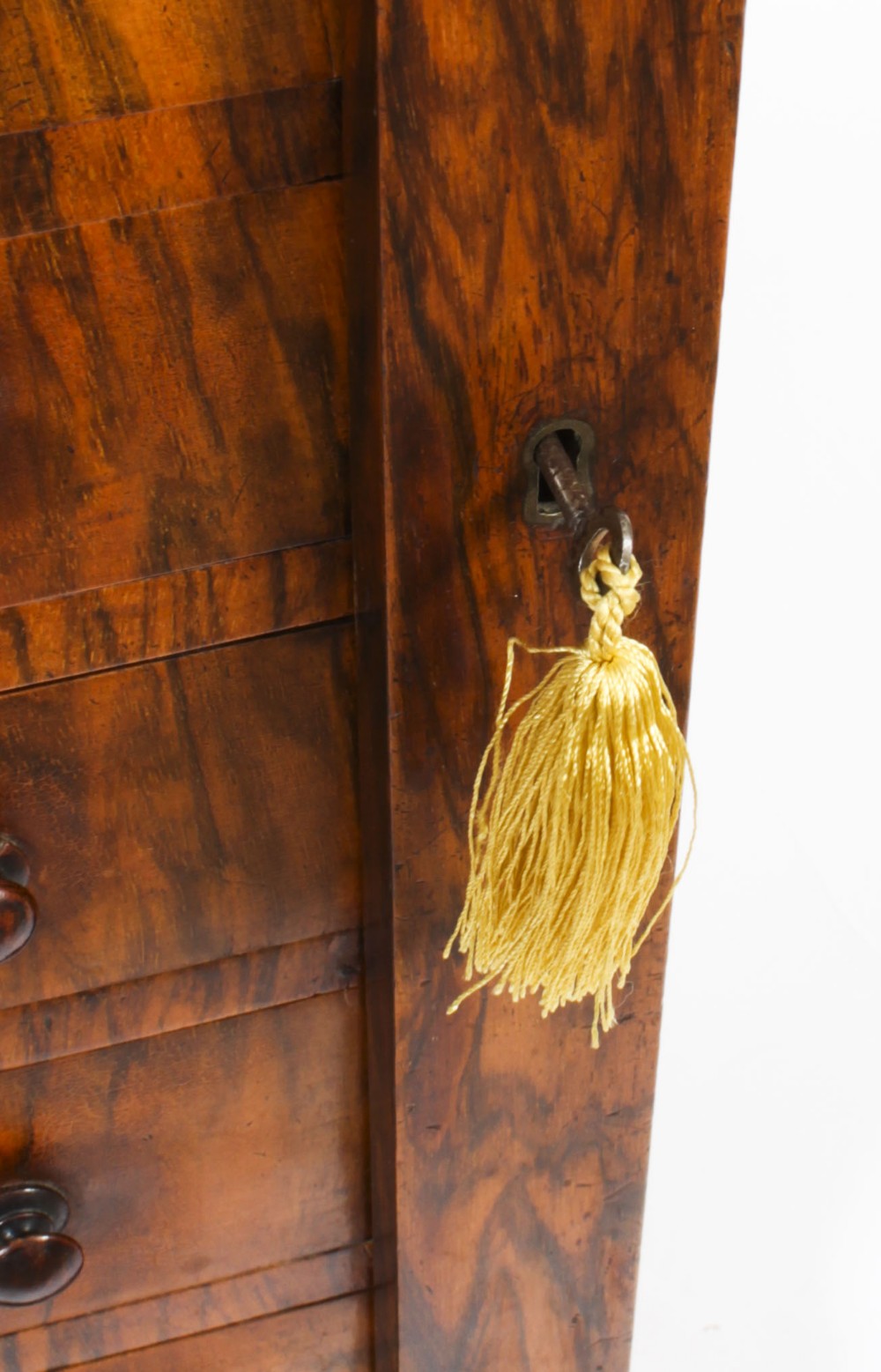
With working lock and original key.
Condition:
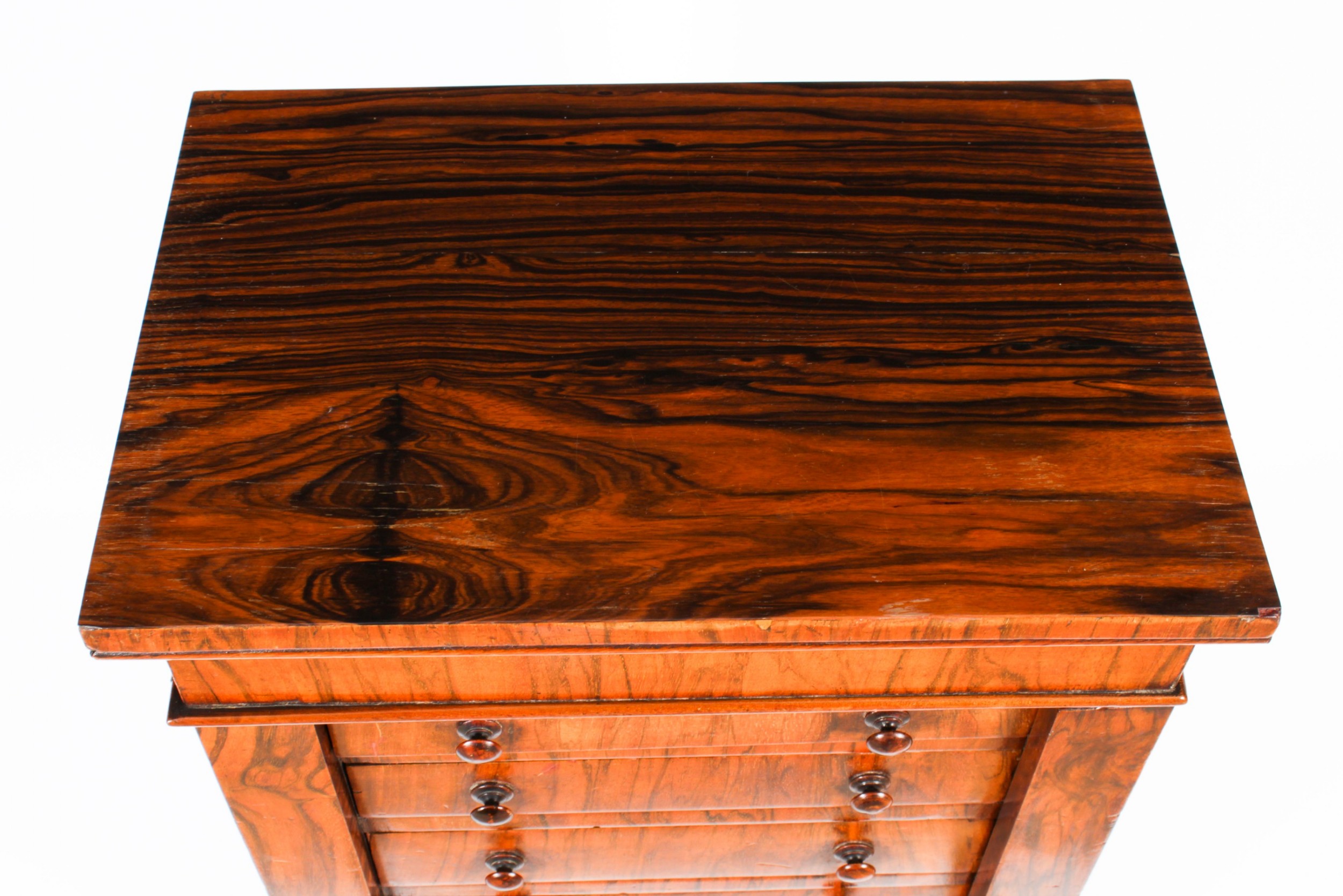
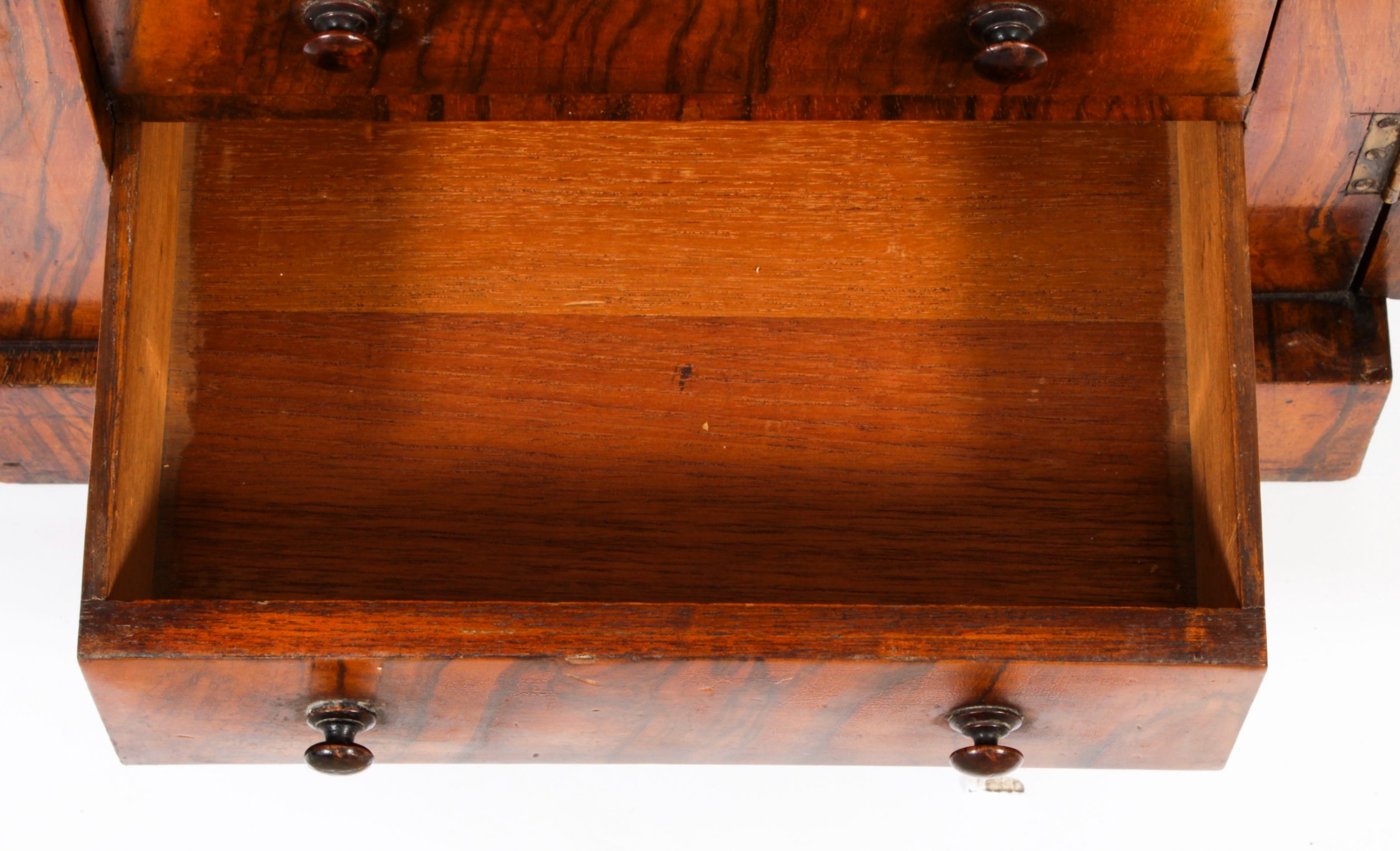
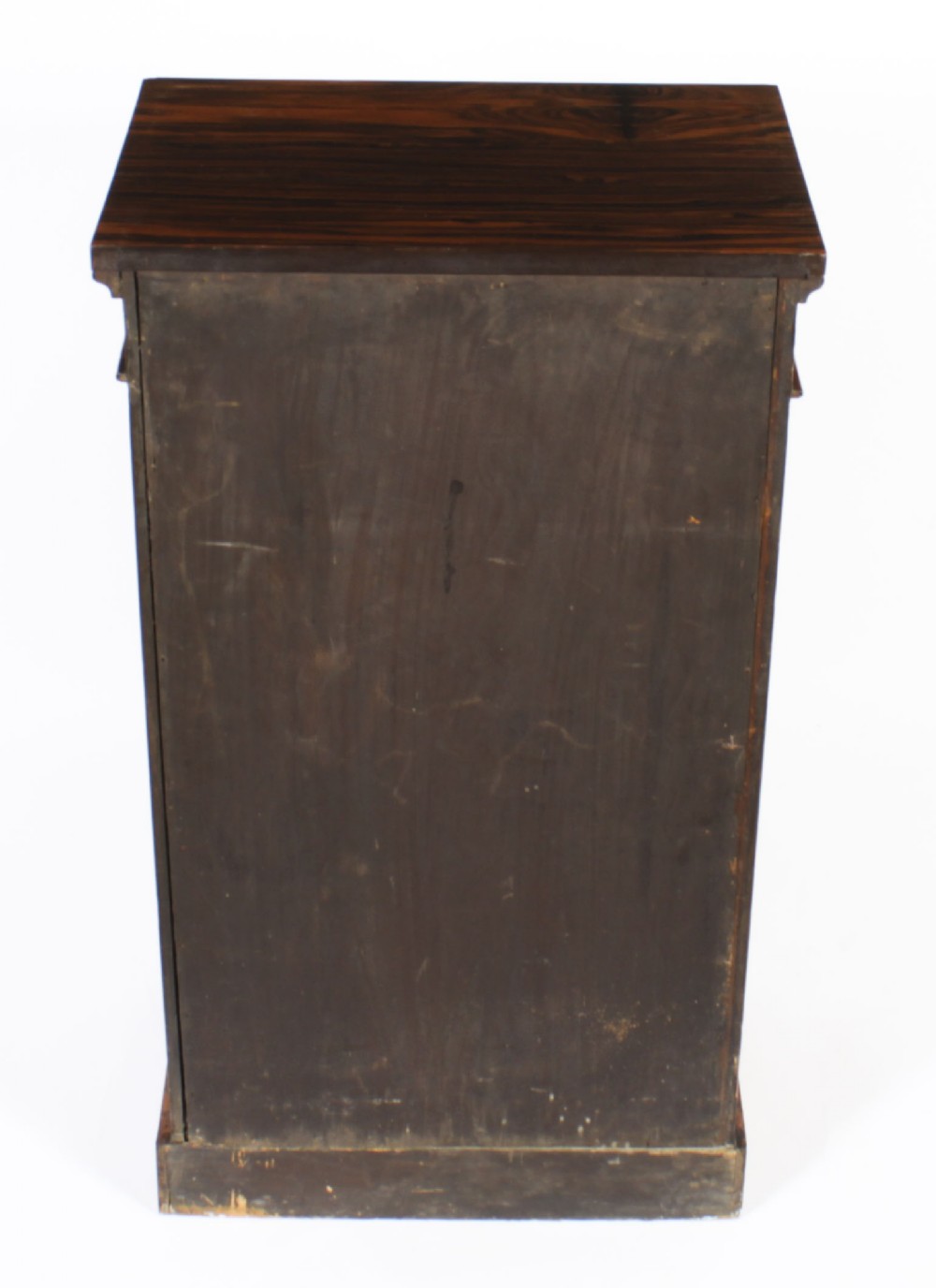
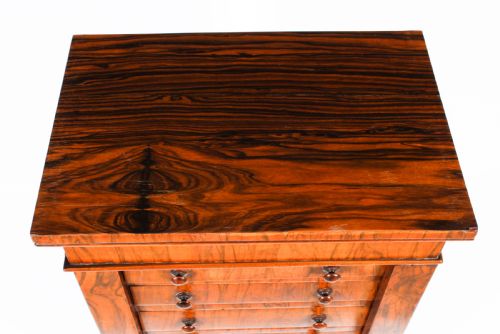
In really excellent condition having been beautifully cleaned, polished and waxed in our workshops, please see photos for confirmation.
Dimensions in cm:
Height 75 x Width 43 x Depth 29
Dimensions in inches:
Height 2 foot, 5 inches x Width 1 foot, 5 inches x Depth 11 inches
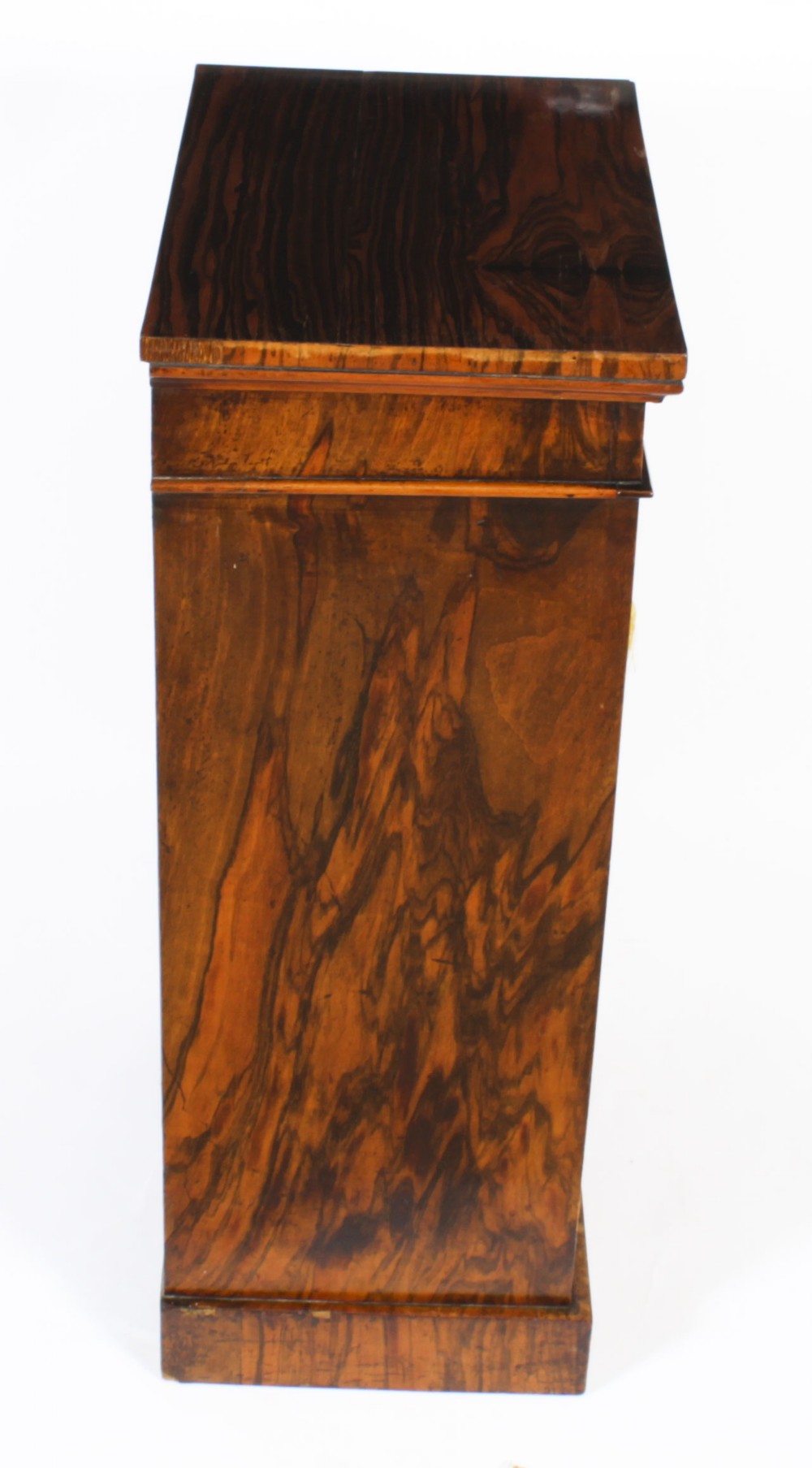
Walnut & Burr Walnut
Walnut is a hard, dense, tight- grained wood that polishes to a very smooth finish. It is a popular and attractive wood whose colour ranges from near white in the sapwood to a dark hew in the heartwood. When dried in a kiln, walnut wood tends to develop a dull brown colour, but when air-dried can become a rich purplish-brown. Because of its colour, hardness and grain, it is a prized furniture and carving wood. Walnut veneer was highly priced and the cost would reflect the ‘fanciness’ of the veneer – the more decorative, then the more expensive and desirable.
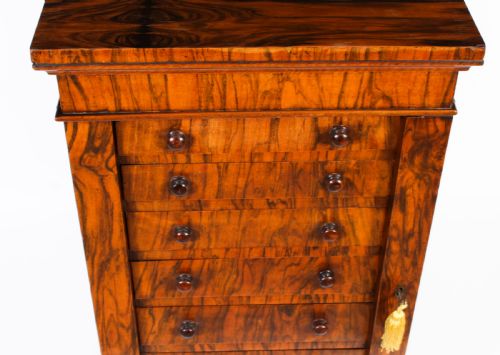
Burr walnut refers to the swirling figure present in nearly all walnut when cut and polished, and especially in the wood taken from the base of the tree where it joins the roots. However the true burr is a rare growth on the tree where hundreds of tiny branches have started to grow. Burr walnut produces some of the most complex and beautiful figuring you can find.
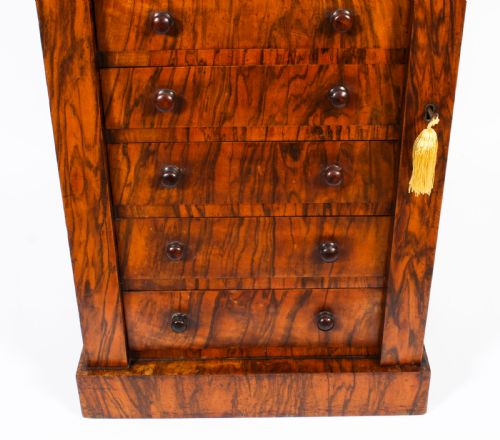
Walnut "burrs" were often used to make fabulous furniture. Veneer sliced from walnut burl is one of the most valuable and highly prized by cabinet makers and prestige car manufacturers and is also a favourite material for shotgun stocks.
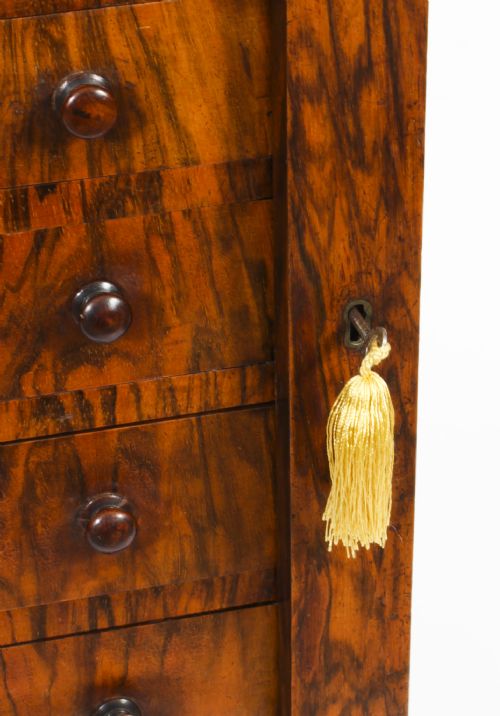
Wellington Chest
is one of the most famous pieces of campaign furniture, which was named after the 1st Duke of Wellington. The campaign furniture were made for travel so they had to be very compact and practical. They are recogniseable because they had to be easy to dismantle and fold.
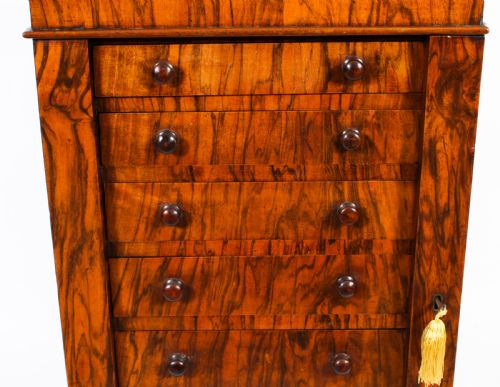
This type of chest was first seen in the 1820's and is characterised by their tall narrow shape, and usually with a locking flap on one side, which when closed, prevents any of the drawers from opening. They continued to be made in the Victorian period.
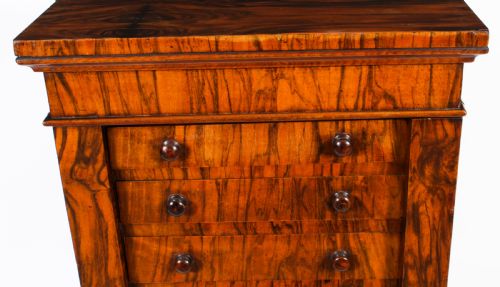
Some had a fitted secretaire occupying two drawer heights, but these are not considered as desirable as the all-drawer model. Due to their compact size, Wellington chests are keenly sought and command high prices. Watch for secretaire versions that have been converted back to full-drawer models, the give-away being the new drawer linings in two of the drawers.
Our reference: A3004
Regent Antiques has dated this piece to the 19th Century.
We specialise in english and continental furniture, silver, porcelain and decorative items.
You can view the stock and full dealer information on the Regent Antiques Profile Page
Regent Antiques is a registered member of LAPADA CINOA
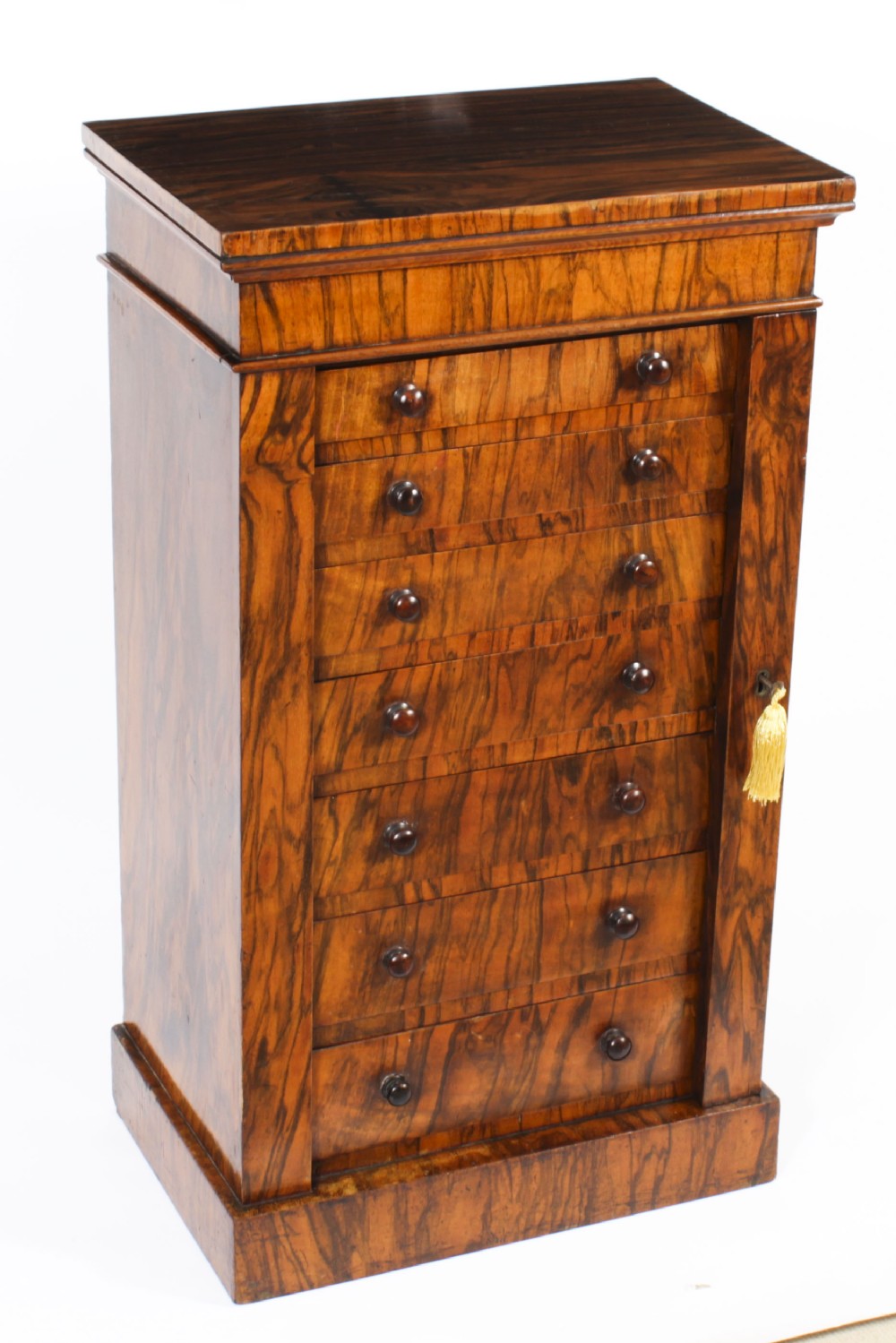
Antique Victorian Collectors Cabinet Wellington Chest 19th Century