It was listed by Titan Fine Art. Sold pieces stay on Sellingantiques as a record of what has passed through, and the next one is rarely far away.
Titan Fine Art has dated this piece to the 17th Century.
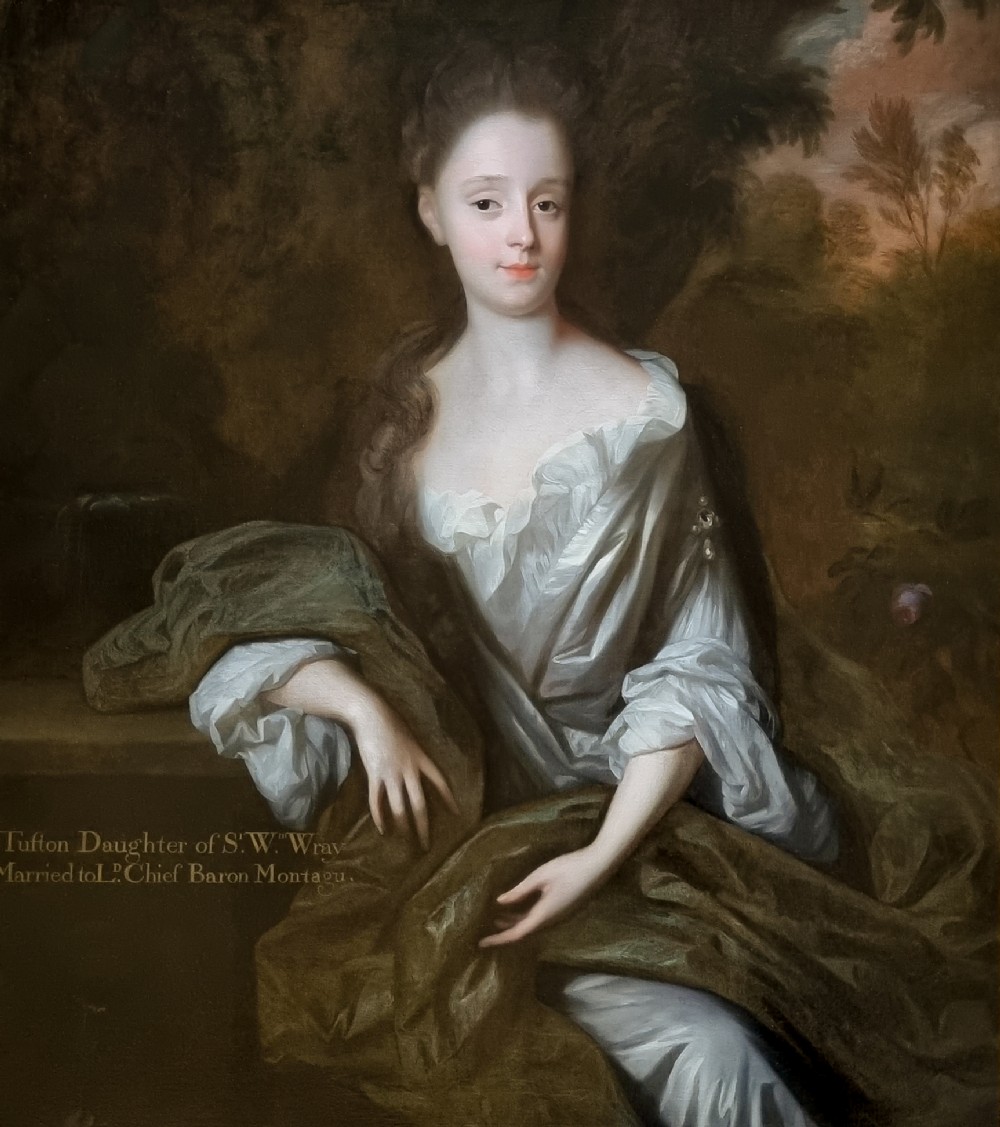
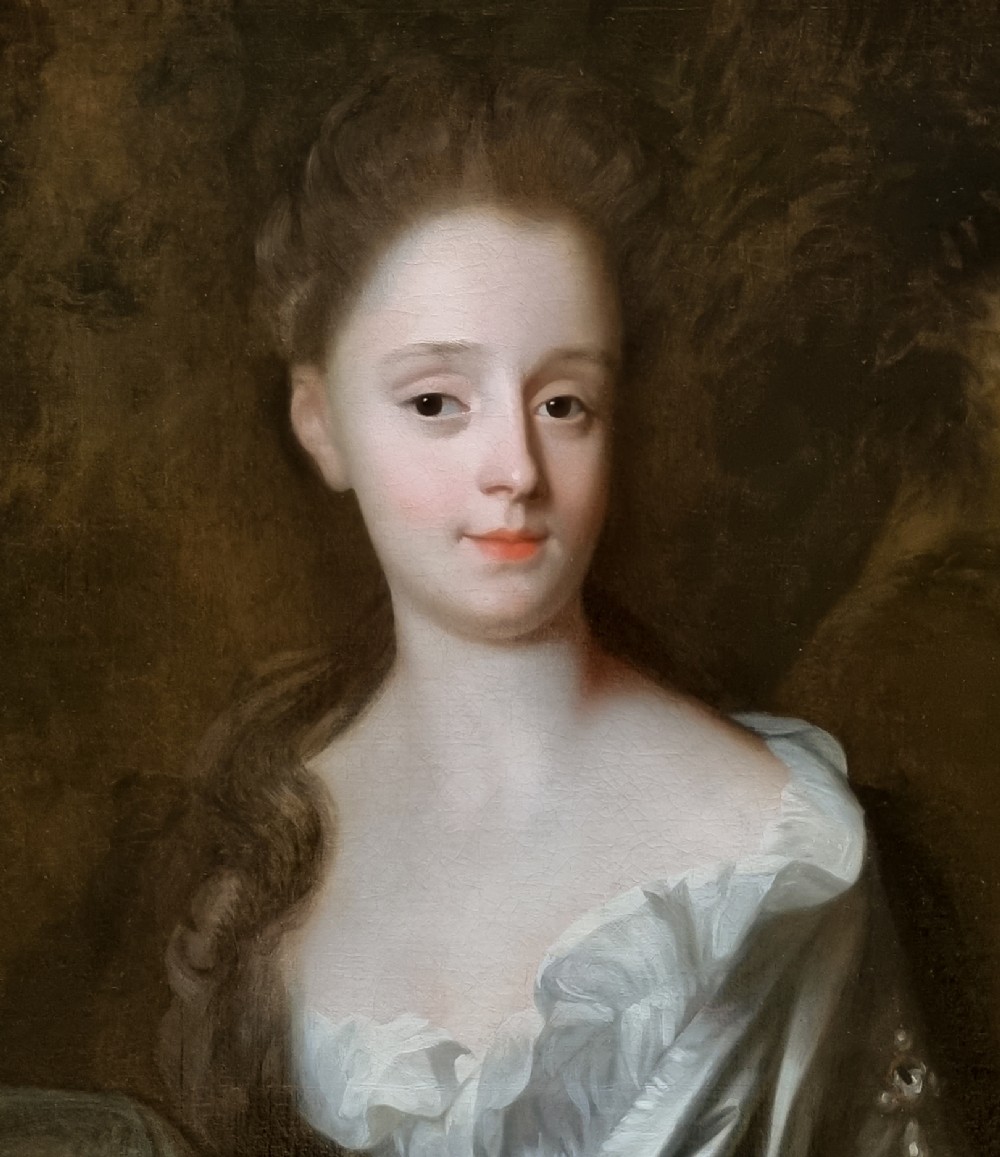
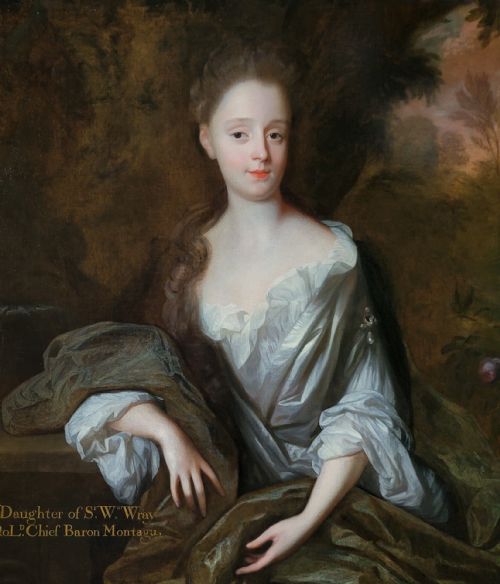
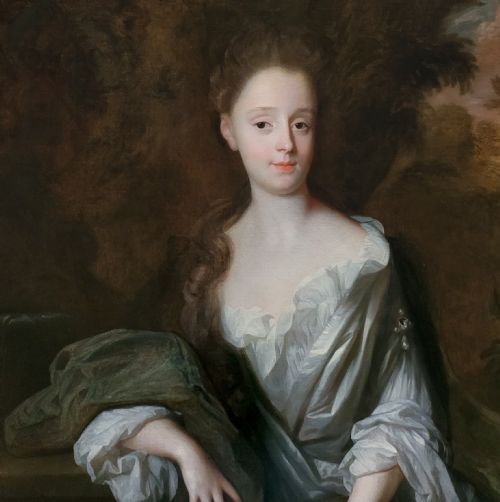
The portrait was painted circa 1685, when the sitter was around eighteen years old.
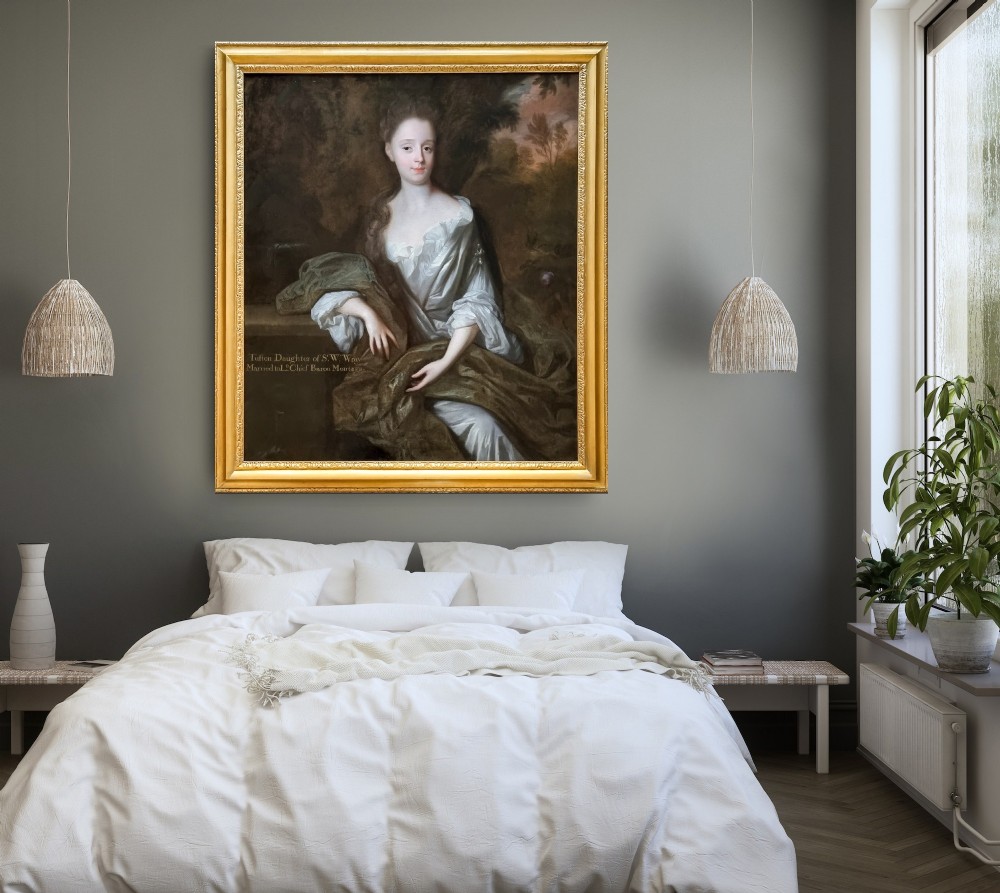
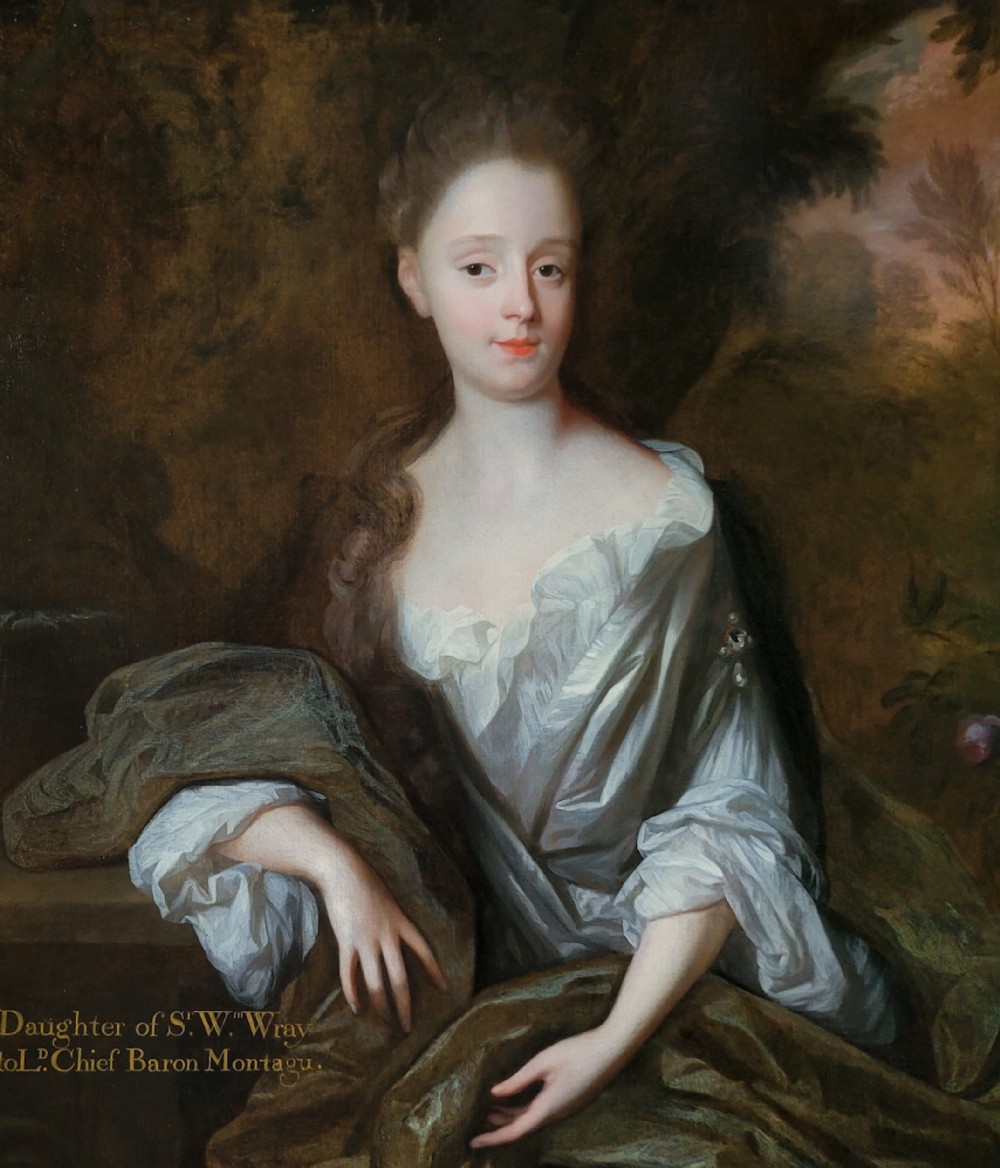
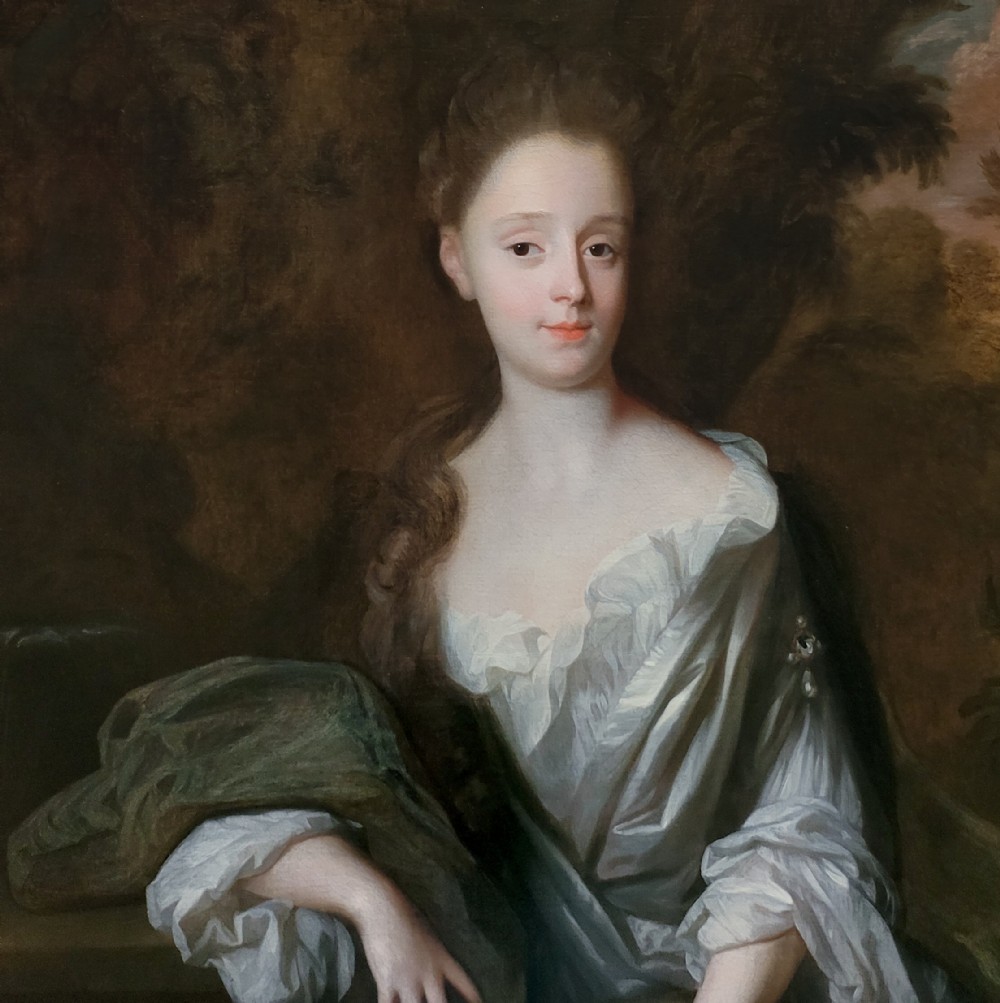
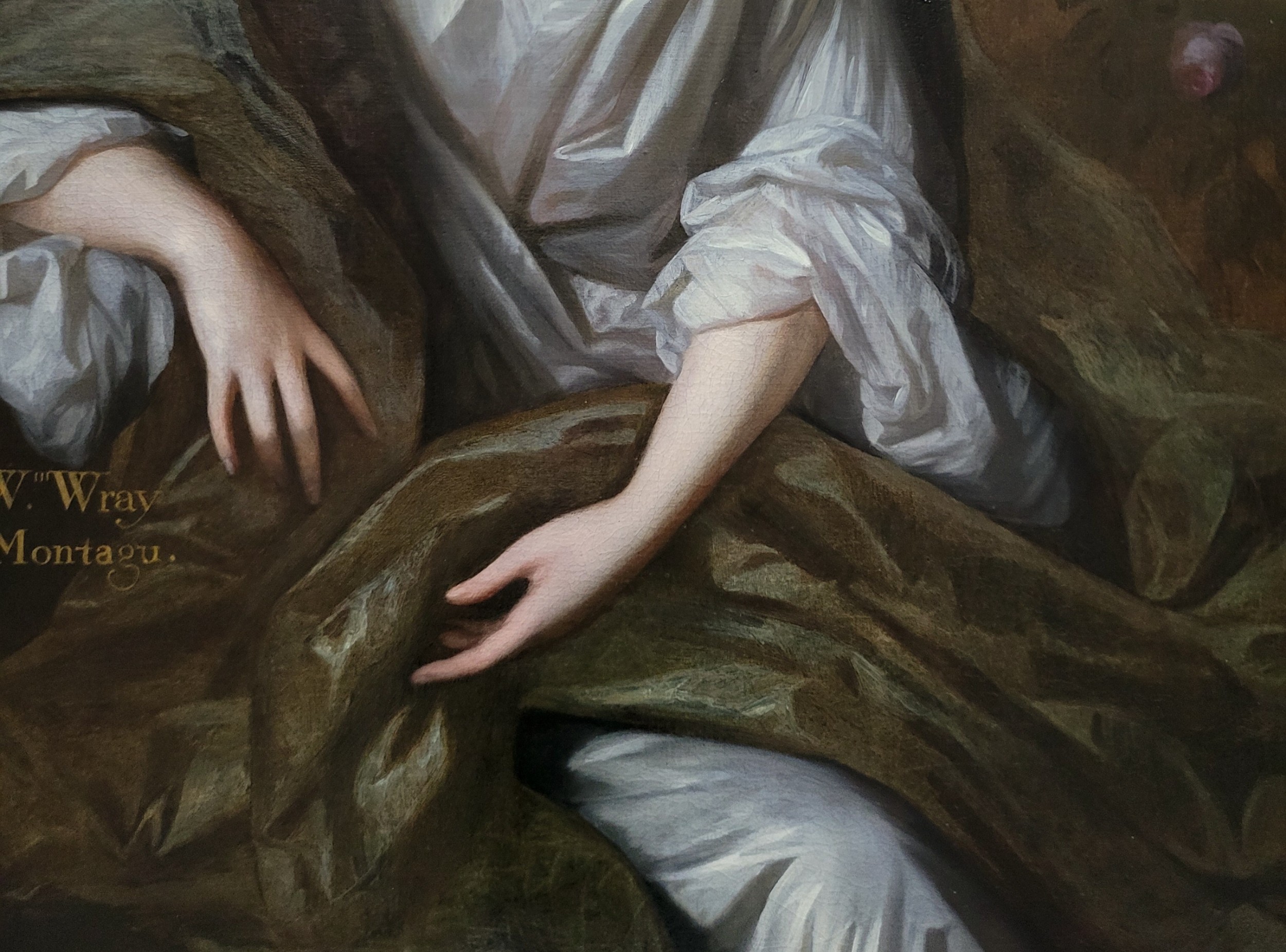
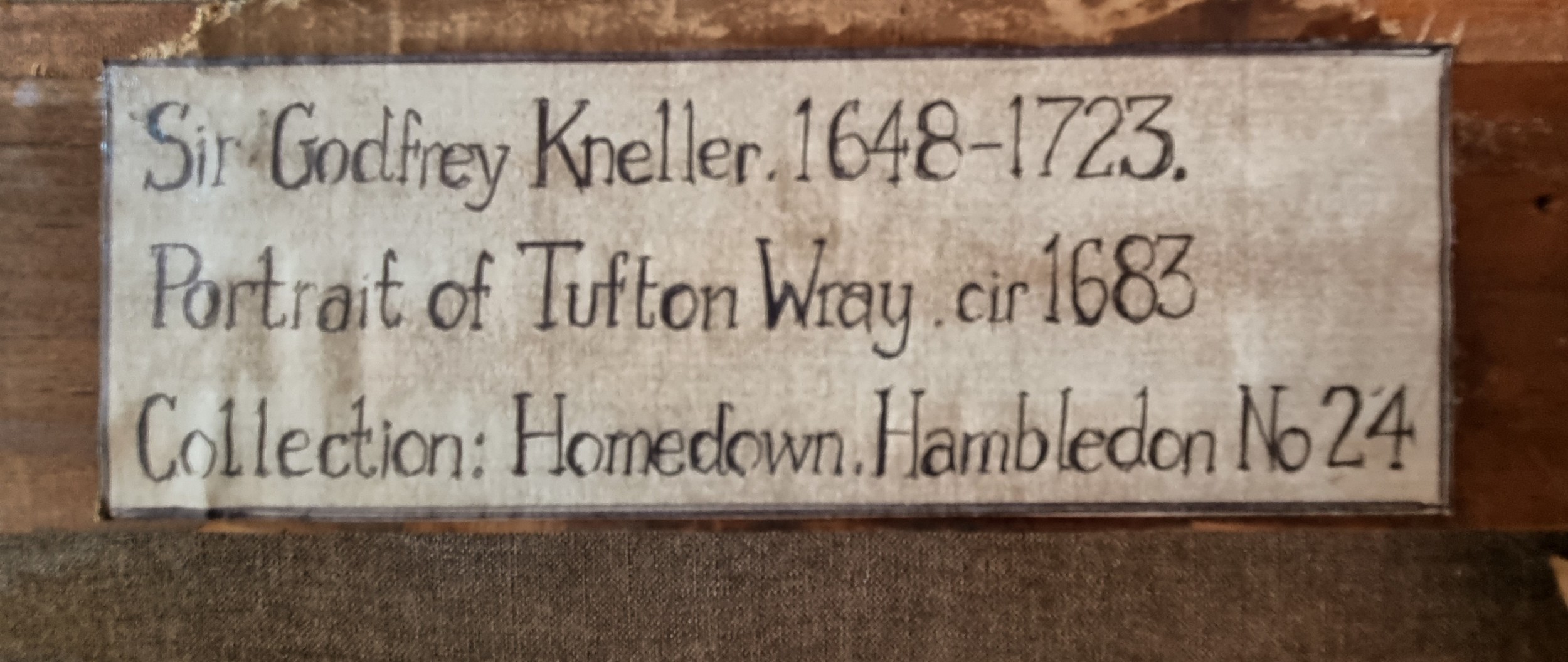
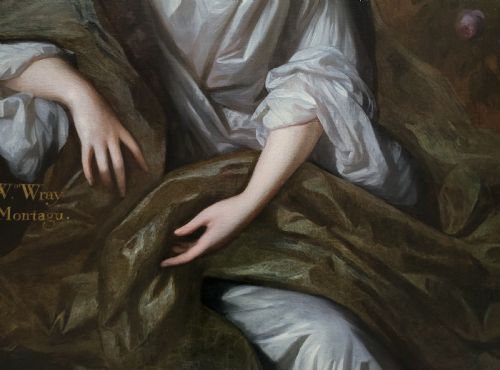
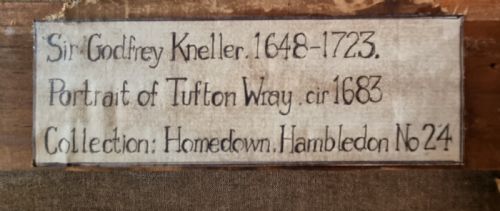
Lady Wray is wearing a white satin dress and while it is loose, it nonetheless follows the “tight bodied” style via an invisible corset – such images exude a sense of status and Augustan decorum, and were highly influential in transmitting these values into the first half of the 18th century. An inscription identifies the sitter: 'Tufton Daughter of Sr Wm. Wray/ Married to Ld Chief Baron Montagu' and on the reverse is a label: ‘Sir Godfrey Kneller 1648-1723. Portrait of Tufton Wray cir 1683. Collection: Homedown, Hambledon No. 24’.
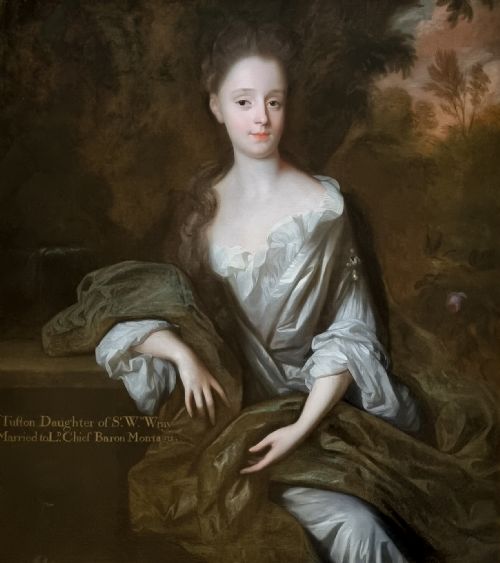
Tufton Wray was a daughter of English politician, Sir William Wray, 1st Baronet, of Ashby (c.1625-1669) - the Wray’s were a family of judges and politicians for generations. She had three brothers and four sisters. In 1694 she married Sir James Montagu (1666-1723), an English lawyer, Whig politician, a judge, and also as Solicitor General and Attorney General. The couple had one son and one daughter.
Their son Charles, a politician, married Ann Colladon. Their son Frederick (1733-1800) built Papplewick Hall in 1787, which became the family seat for much of the 18th century. Robin Hood is said to have haunted the district, and a cave called Robin Hood’s Stable, is close to the hall. Papplewick passed to Frederick’s sister’s grandson Richard Fountayne-Wilson (1783-1847) together with the surname Montagu. In 1826 he gave it to his son, Andrew but as he never married it passed to his brother's youngest son, James Fountayne Montagu. It was sold in 1919.
Lady Wray Montagu died 6th September 1712 and her tomb in Canterbury Cathedral states:
Under this Marble lies Honorable Woman's Body Mrs. Tufton Montagu, Very dear wife of James Montagu, Attorney General, In the Reign of Her Highness Queen Anne. She died sixth day of September 1712.
In the past it was thought that the artist of this portrait was from the circle of Dutch artist Hermann van der Mijn (1684-c.1741) but this is impossible given that van der Mijn was only around one year old when the portrait was painted. Furthermore Van der Mijn did not emigrate to England until around 40 years after the portrait was painted.
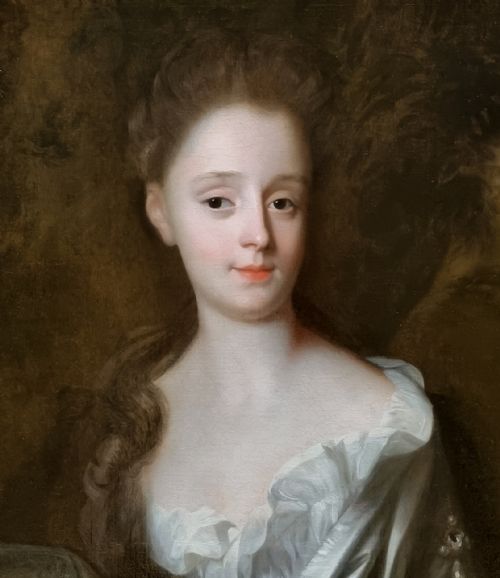
Herman Verelst was from a great dynasty of painters. Much of his work has been wrongly attributed to other artists and vice versa. Herman’s work is quite distinctive. As evident in our painting, Herman was adept at rendering very good quality and attractive female portraits with very lifelike features.
His father, Pieter, was a founder of the Confrerie Picturahim and his brothers Simon (1644-1710) and Johannes (1648- c.1718) were painters, as was his nephew, and son Cornelis (c.1668-1734) and daughter Maria (1680-1744). Herman became a pupil in the Confrerie Pictura in 1663. He worked in Amsterdam, Italy, Ljubljana, Paris, and Vienna where he was in the service of the Emperor. In 1683 he came to London and worked there up to c.1691. He died in London in 1702.
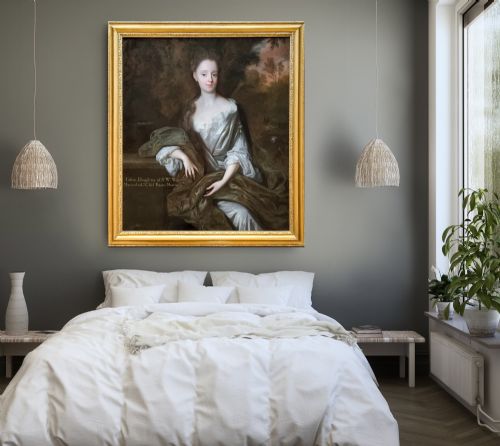
This portrait is an accomplished example of the type of portrait in vogue in the last half of the seventeenth century in England. Held in a good quality and condition gilded antique frame.
More info at www.info@titanfineart.com
This painting has passed a strict quality and condition check by a professional conservator prior to going on sale.
Provenance:
Presumably from the sitter, Lady Montagu, and by descent in the Montagu family;
Charles Montagu;
Frederick Montagu, Papplew
Titan Fine Art has dated this piece to the 17th Century.
Specialist in 17th & 18thc portraits. Highly curated selection, museum-level research & pro conservation. Exceptional art, expertly vetted.
You can view the stock and full dealer information on the Titan Fine Art Profile Page
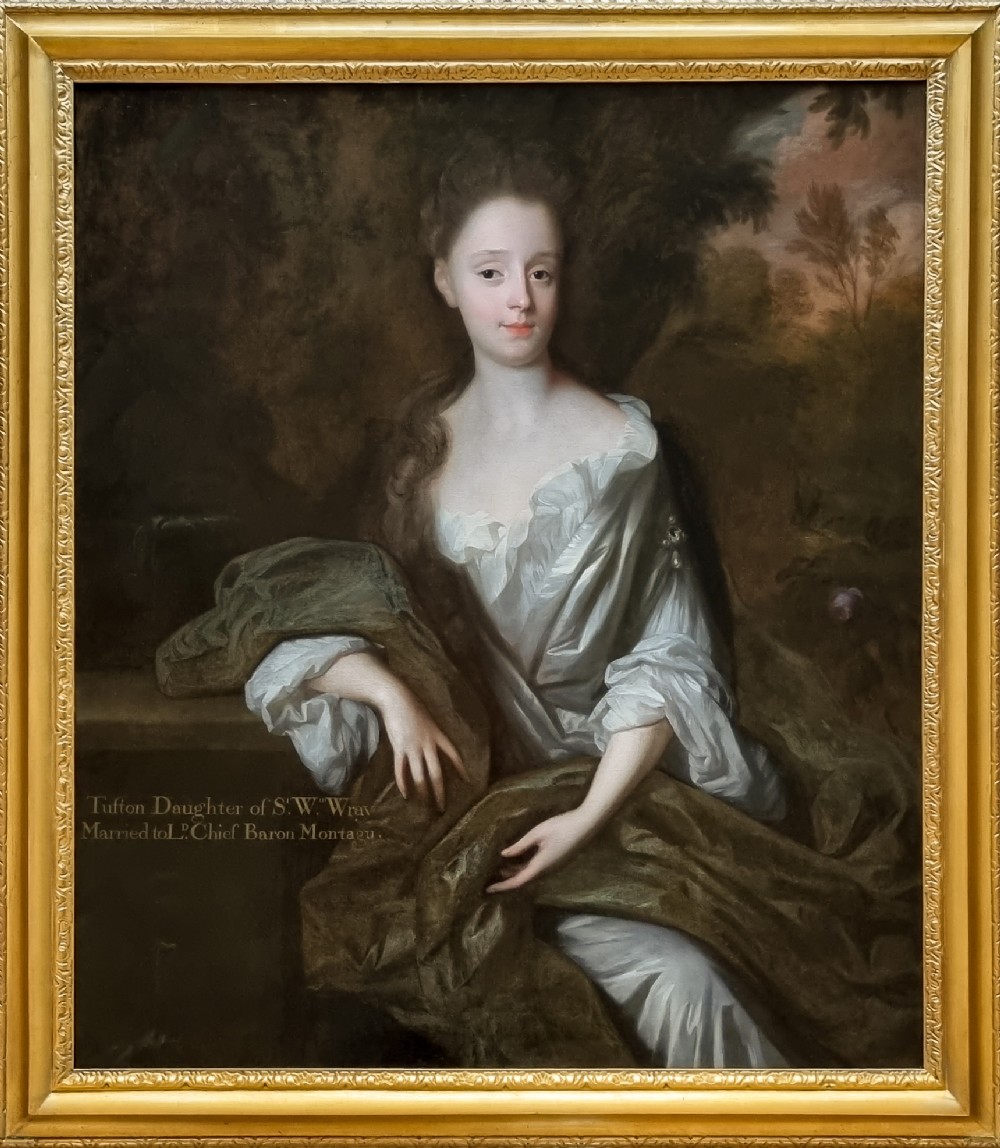
Portrait of Lady Tufton Wray (1667-1712) C.1685; by Herman Verelst (1641-1702), Antique Oil on Canvas Painting