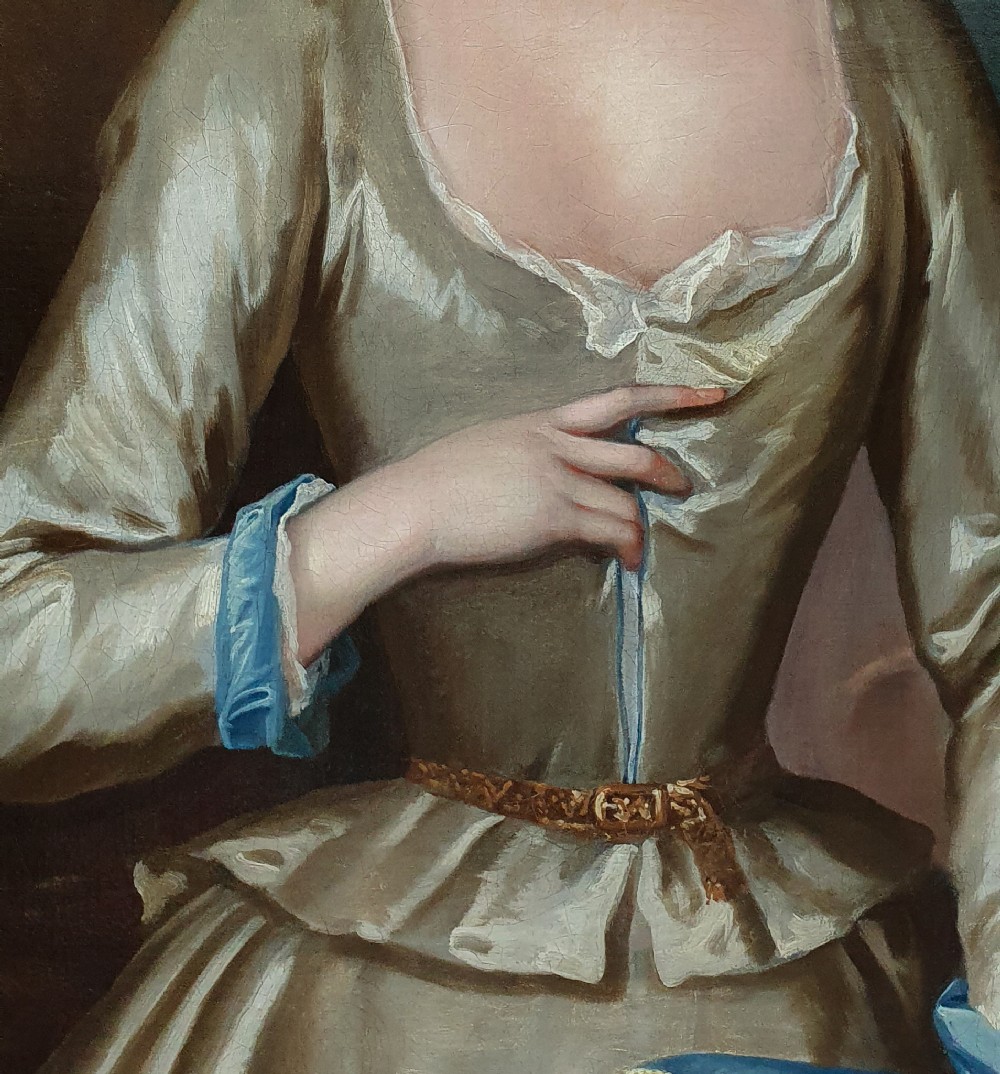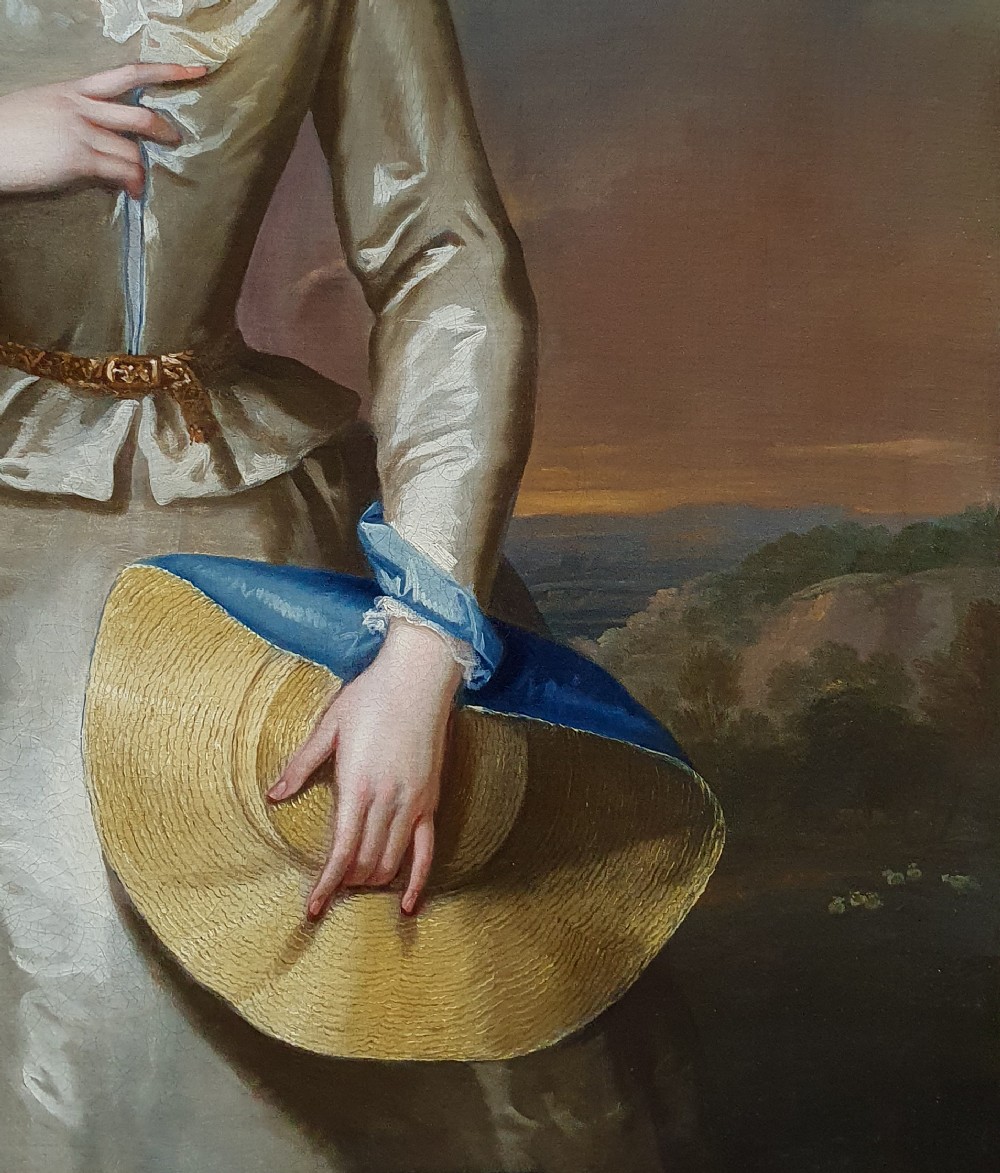
Titan Fine Art has dated this piece to the 18th Century.
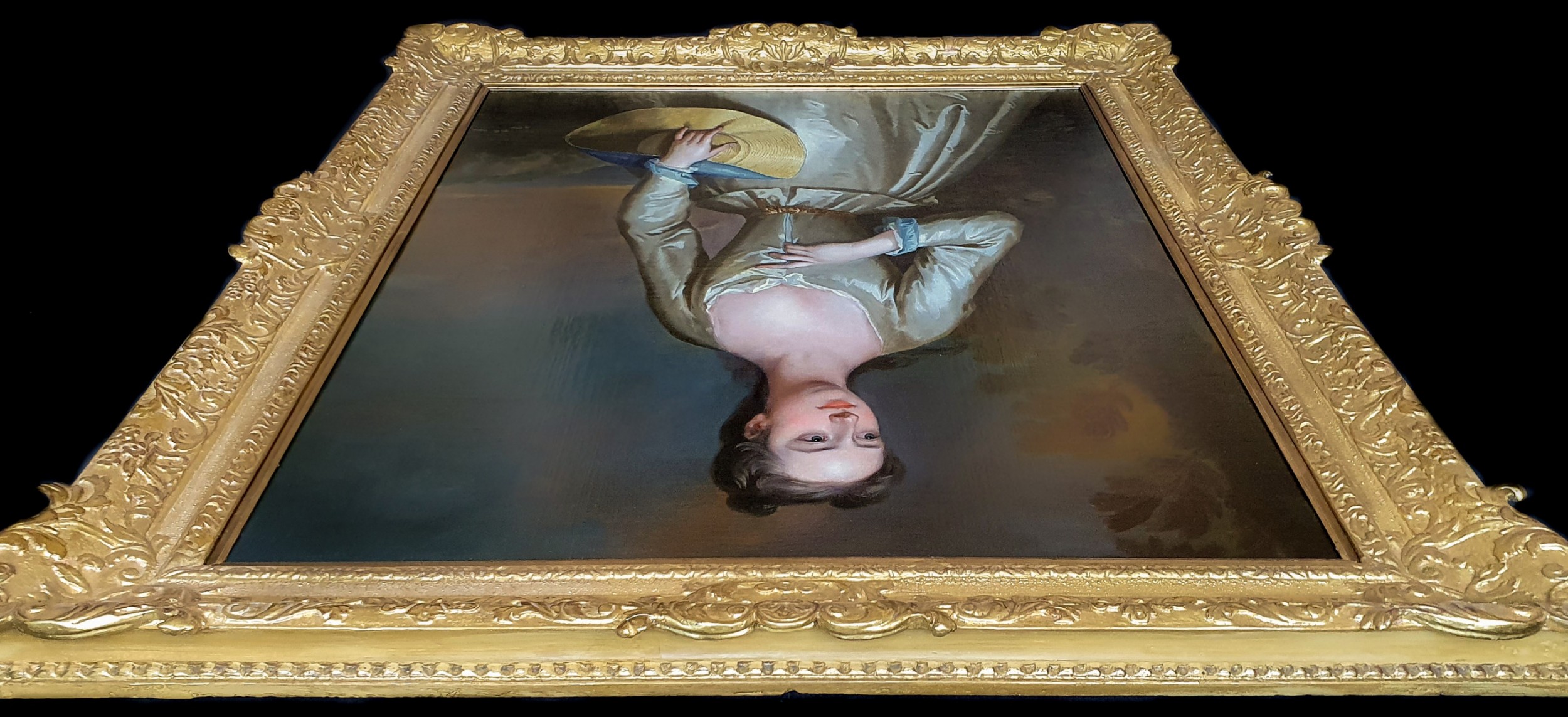
Jervas was considered the supreme practitioner of female portraiture in the 1720s and 1730s, and was the foremost successor to Sir Godfrey Kneller after the latter's death in 1723. Presented in an outstanding carved and gilded antique frame, a remarkable work of art in itself.
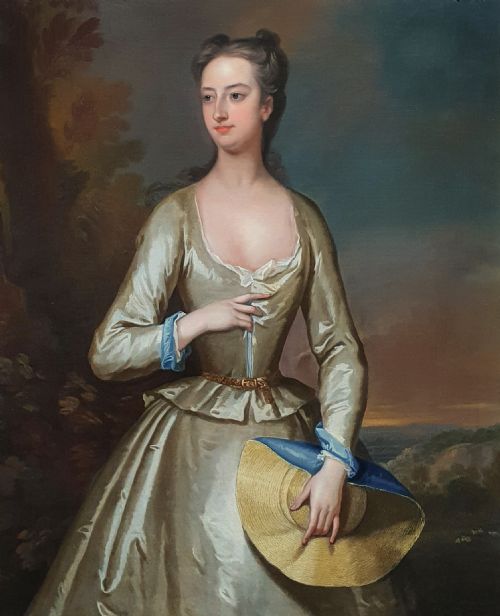
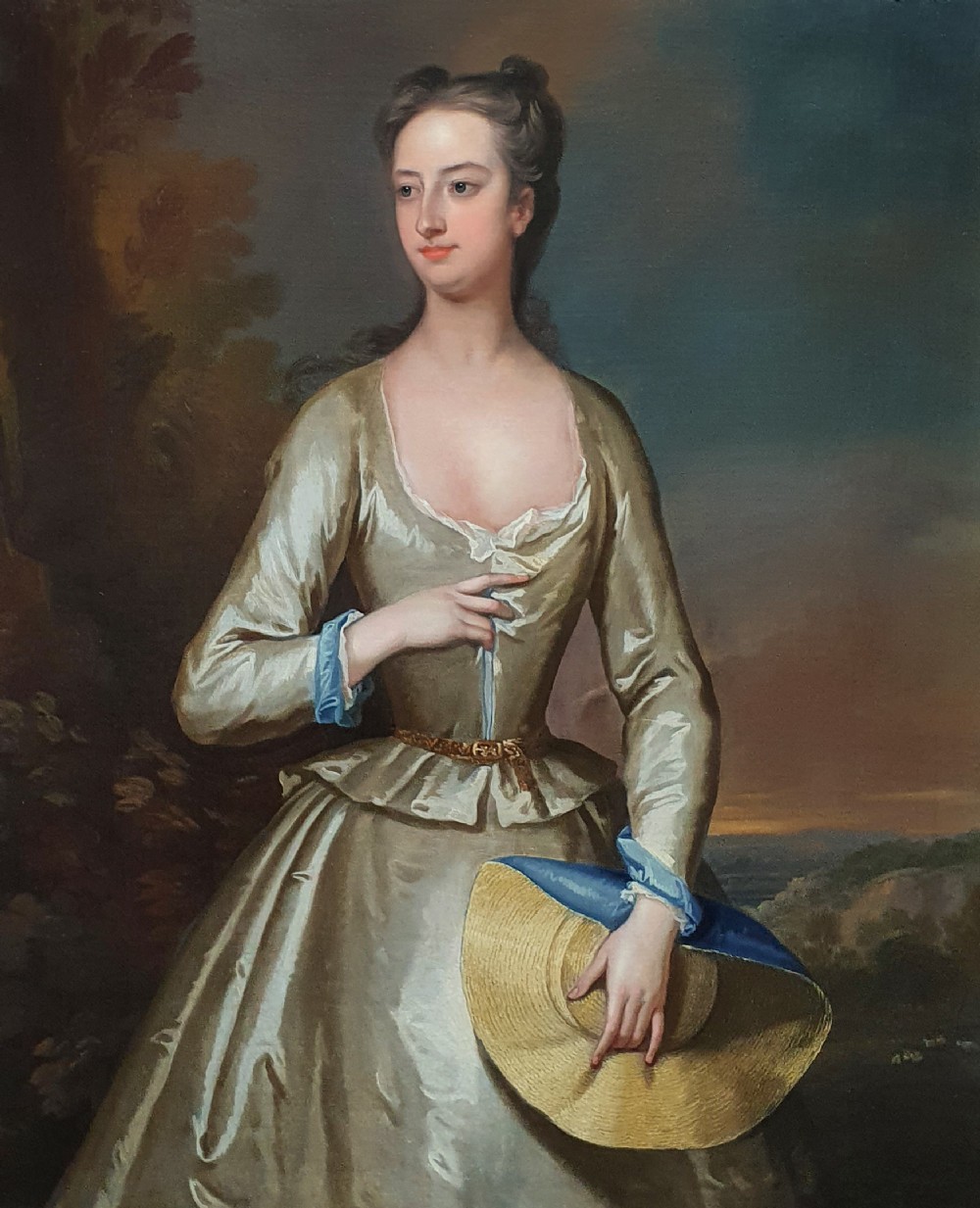
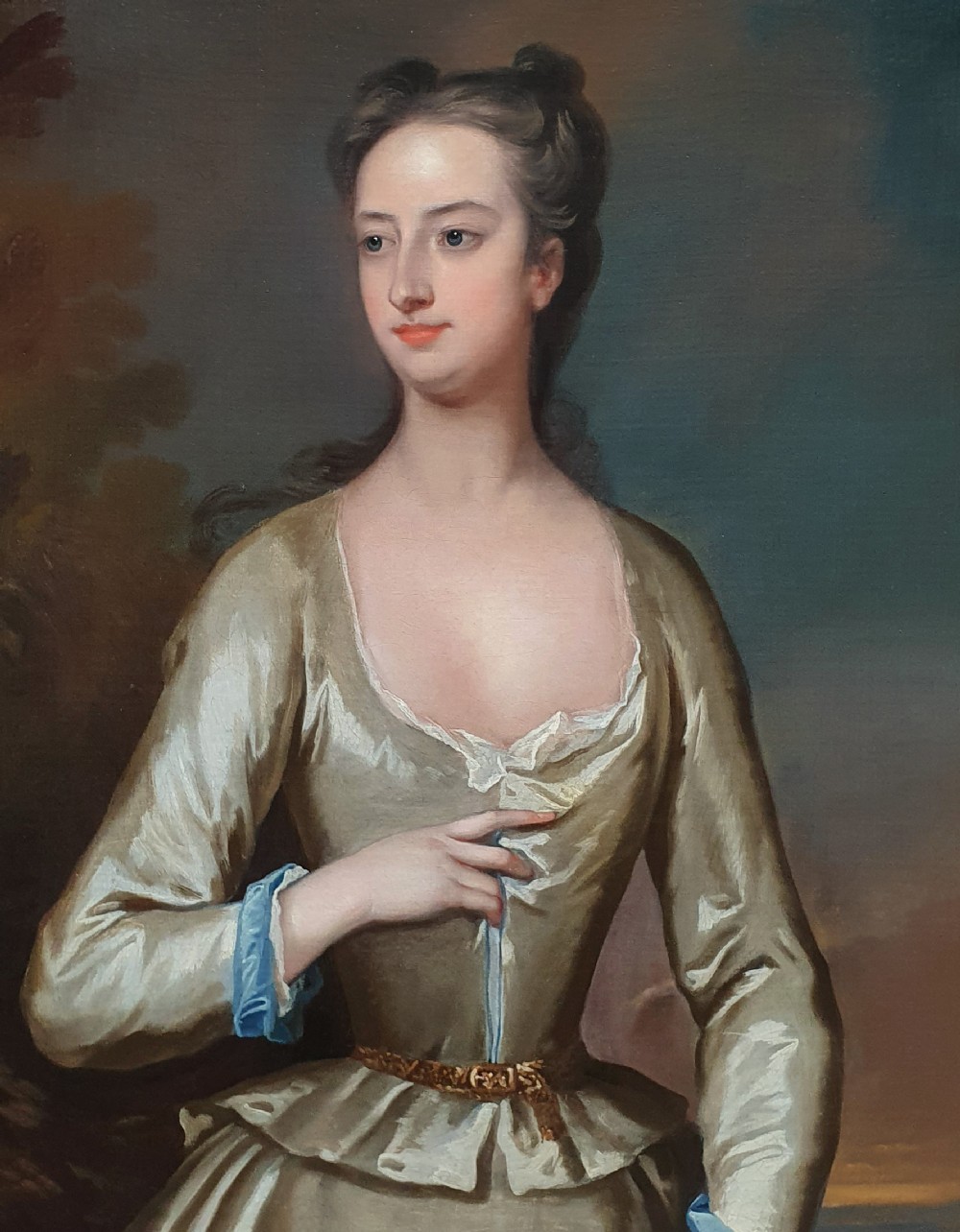
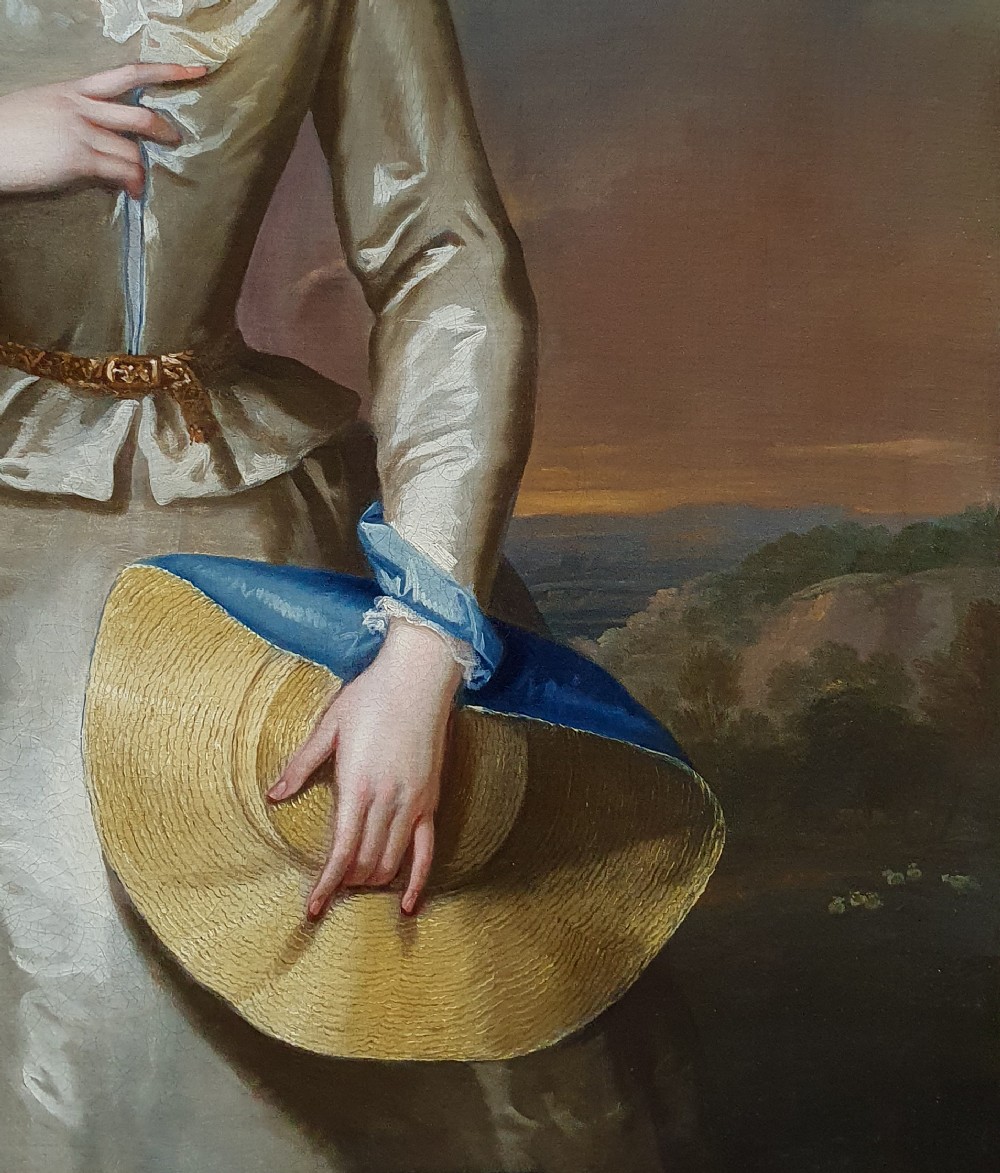
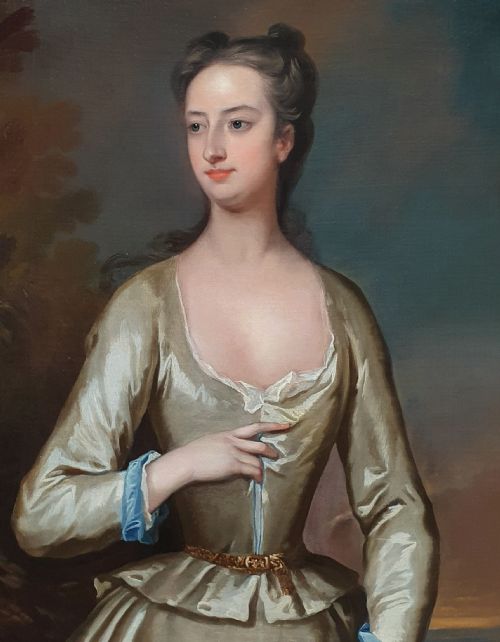
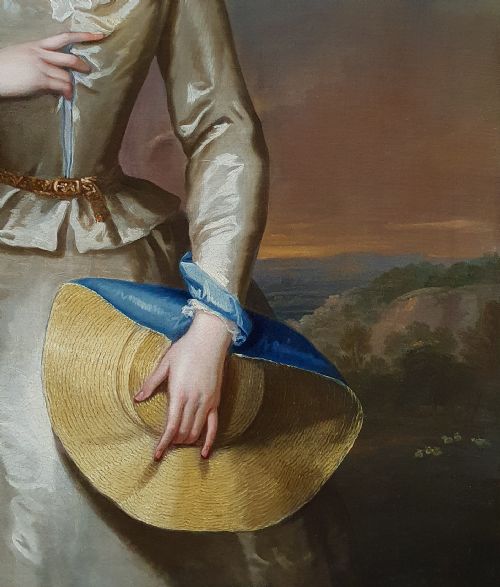
The sitter is captured in a moment of relaxation in a country landscape. Jervas continued the idiom of Sir Godfrey Kneller, his master, whilst introducing a new ease and suggestion of informality into his portraits. By depicting the sitter within the landscape with sheep Arcadian simplicity is being suggested. This draws from the tradition of pastoral literature which was popular in art; all educated individuals were familiar with Latin and Greek pastoral poetry. The mythological world of Arcady was an idyll that the ladies and gentlemen could inhabit in the guise of shepherds and shepherdesses. Life in the country was perceived as peaceful, contemplative and free of worry of hardships, a time to pursue pleasure. When the portrait was painted the pastoral was so ingrained that the mere inclusion of such elements suggested Arcadia to the viewer. And this is further emphasised by painting the light to reflect sunset and the suggestion of tranquillity.
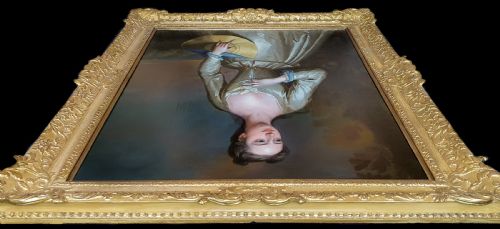
Hannah Catherine Clements (nee Gore) (1710-1781) was the daughter of Rev. William Gore (and granddaughter of Sir William Gore, 3rd Baronet), and Honora Prittie. She married Nathaniel Clements (1705-1777), an important Irish politician and financial figure, in January 1730 and the couple had six children. Nathaniel became the main financial manager of the British and Irish Government in Ireland and was de facto Minister for Finance from 1740 to 1777. He had an extensive property portfolio, including Abbotstown, County Dublin, estates in County Leitrim and County Cavan and was developer of property in Dublin, including part of Henrietta Street where he lived at No. 7 from 1734 to 1757. It was said that he lived in “Parisian luxury”.
Charles Jervas was born in Ireland in 1675. He received his artistic training in Kneller’s studio and was later Kneller’s assistant. According to Vertue, he made small copies of the Raphael cartoons, then at Hampton Court and sold them to raise £50 to embark on the then essential ‘grand tour’ in 1699. Taking in Paris and settling in Rome by 1703, he furthered his artistic training and became a voracious copyist of the old masters. George Vertue noted that he was known as “Carlo Jervasi”. On his return to London in 1709 Tatler (15th April 1709) remarked that he was 'the last great painter Italy has sent us' and noted that he “painted many ladies as shepherdesses and country girls”. The style that he cultivated made him Kneller's natural successor when that artist died in 1723.
Apart from royalty, Jervas gained the patronage of many of the ruling and intellectual elite. Moving in the highest circles of the literary and social world he became an intimate of Sir Robert Walpole and Alexander Pope, to whom he gave drawing lessons. In 1727 he married Penelope Hume, a lady of considerable means (£20,000). When he died he bequeathed £1000 to Pope, should he outlive his widow: this did not happen as she died in 1747. His large art collection was sold in 2265 lots in a sale lasting 9 days.
Jervas’ portrait of Elizabeth Felton, Later Countess of Bristol (1677-1741) realised £45,410 (Christies London 11th June 2002, lot 13). His portrait of Lady Barbara North realised £42,050 (Christies London 11th July 2008, lot 55).
This work is presentative of the artist’s best work.
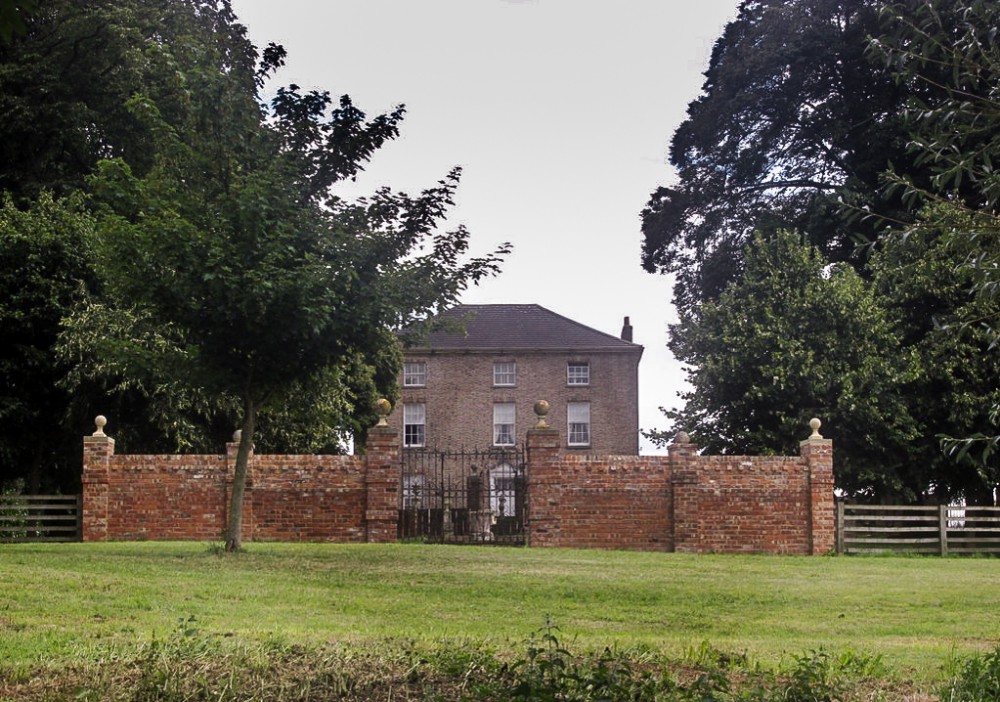
Provenance: Private collection, Beal House, Thornton le Street, England (Grade II listed 18th century manor house)
Titan Fine Art has dated this piece to the 18th Century.
Specialist in 17th & 18thc portraits. Highly curated selection, museum-level research & pro conservation. Exceptional art, expertly vetted.
You can view the stock and full dealer information on the Titan Fine Art Profile Page
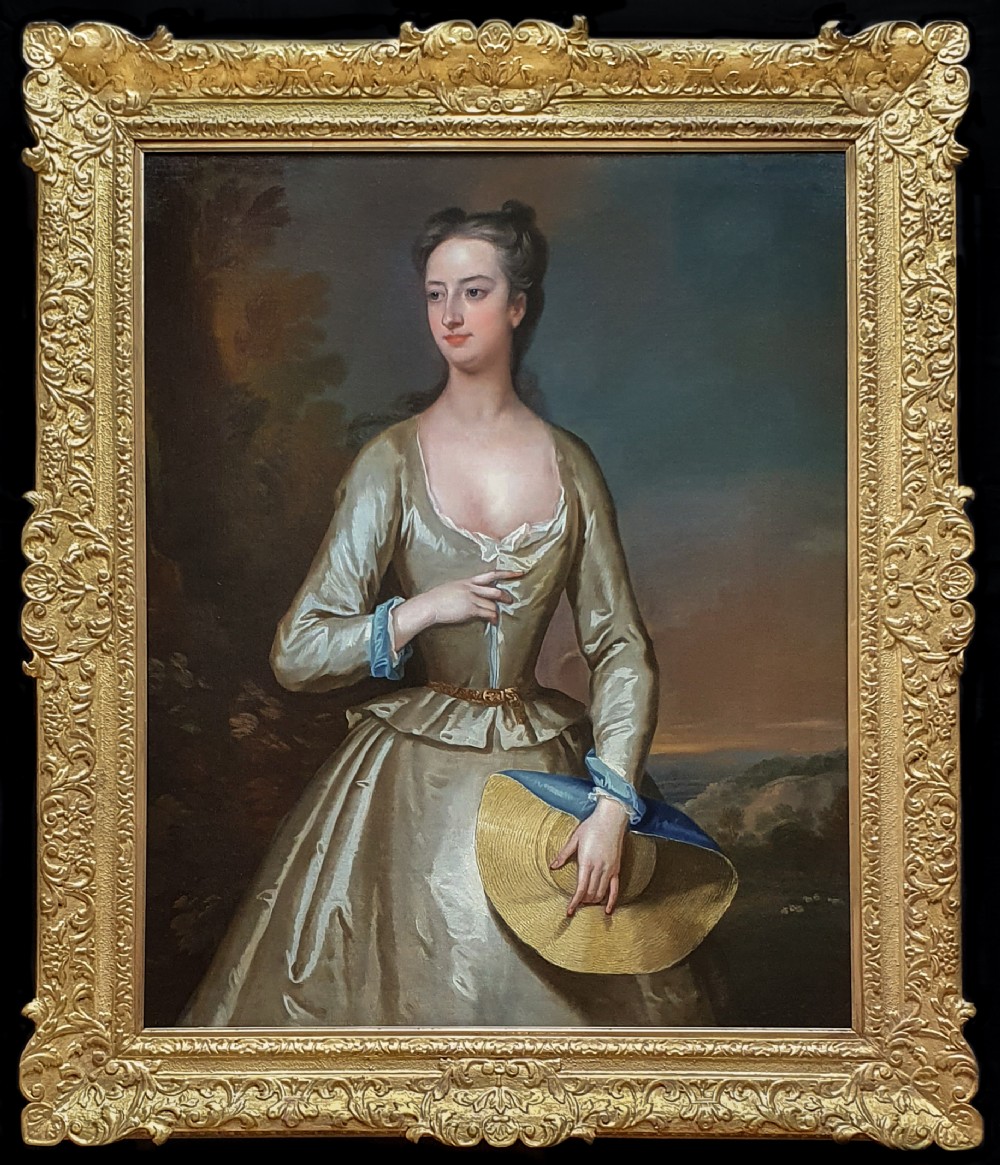
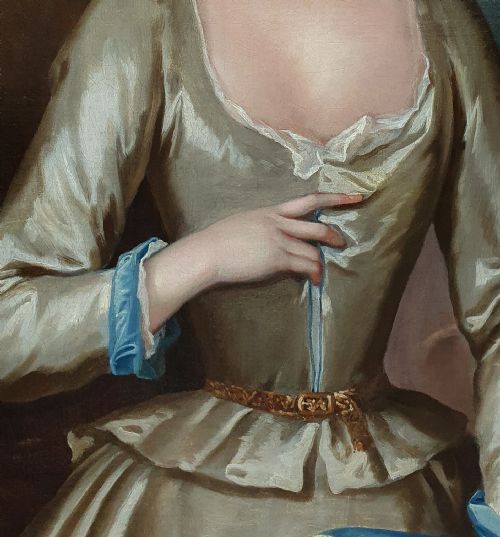
Portrait of Hannah Clements as a Shepherdess C.1730; by Charles Jervas (1675-1739)