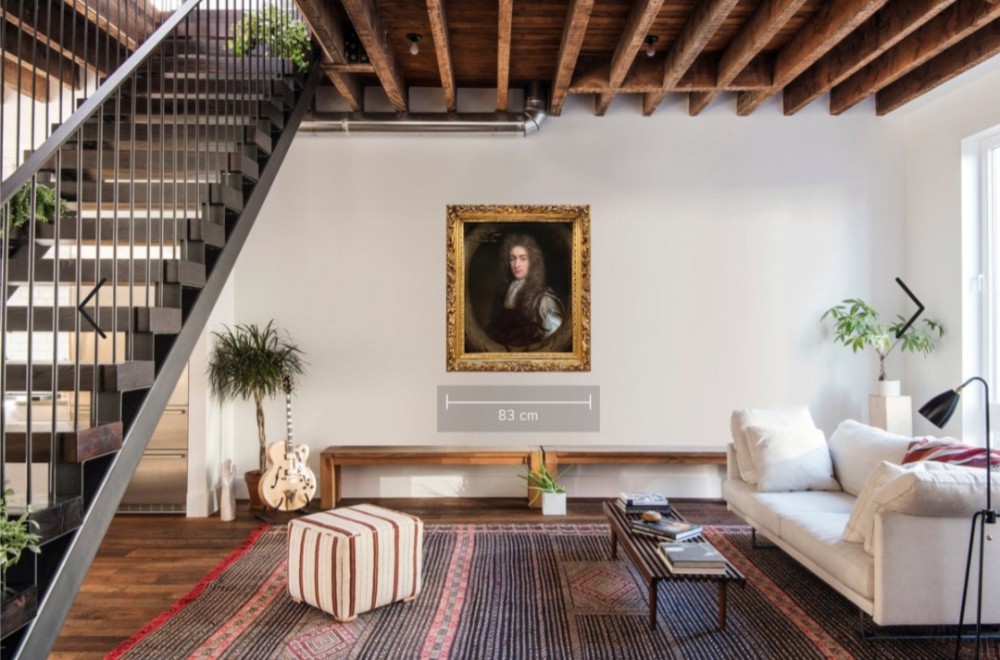
Titan Fine Art has dated this piece to the 17th Century.
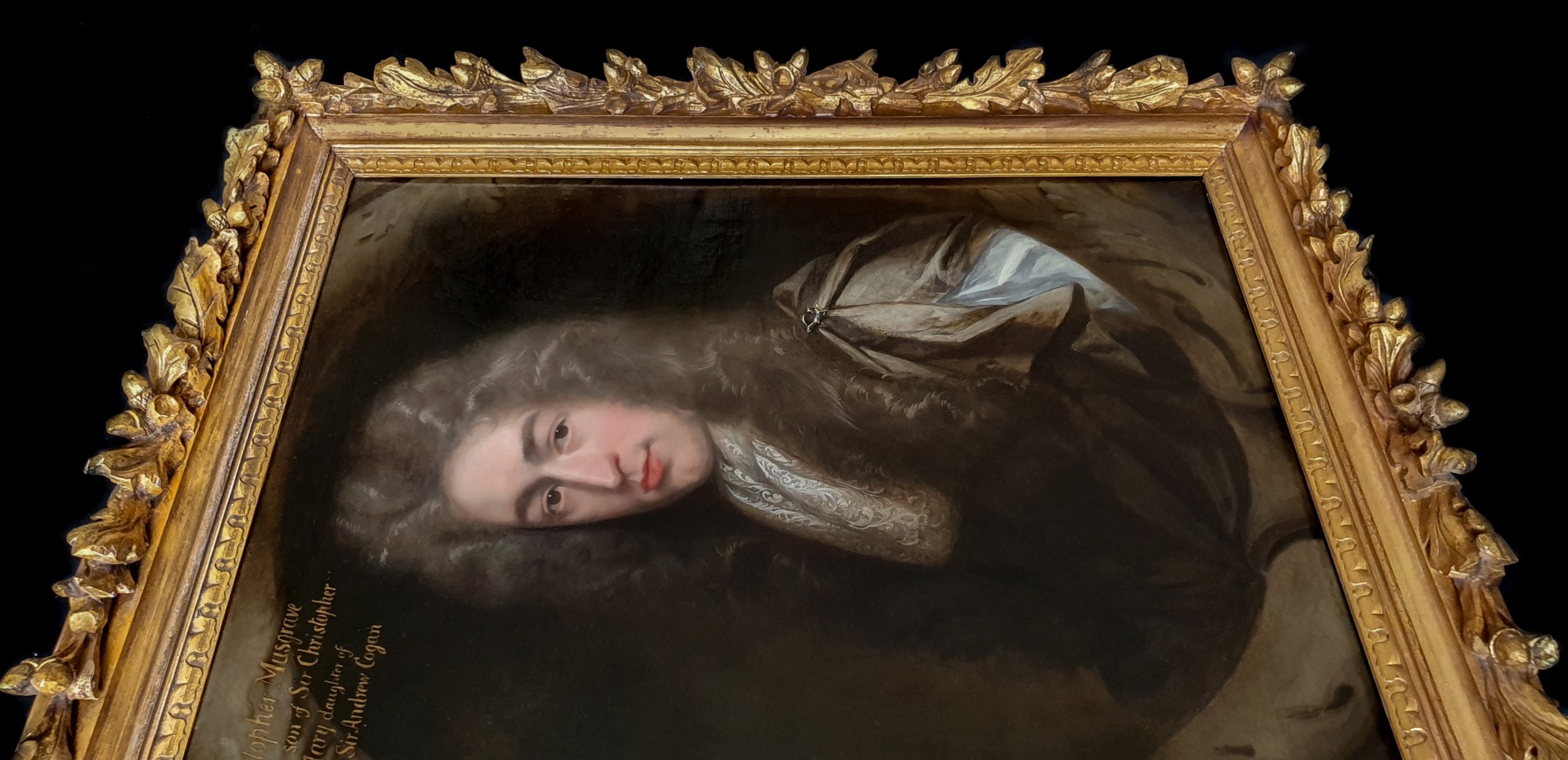
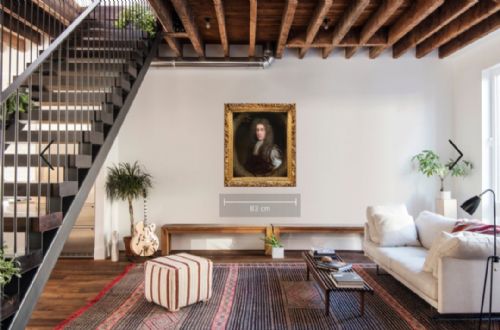
Sir Richard Musgrave was made Knight of the Bath at the coronation of King James and created a baronet in 1611. Painted by one of England’s leading 17th century portrait painters, John Riley was the official painter to King James II, King William and Queen Mary. Held in a marvellous hand-carved and gilded 11cm deep frame, an outstanding work of art in itself.
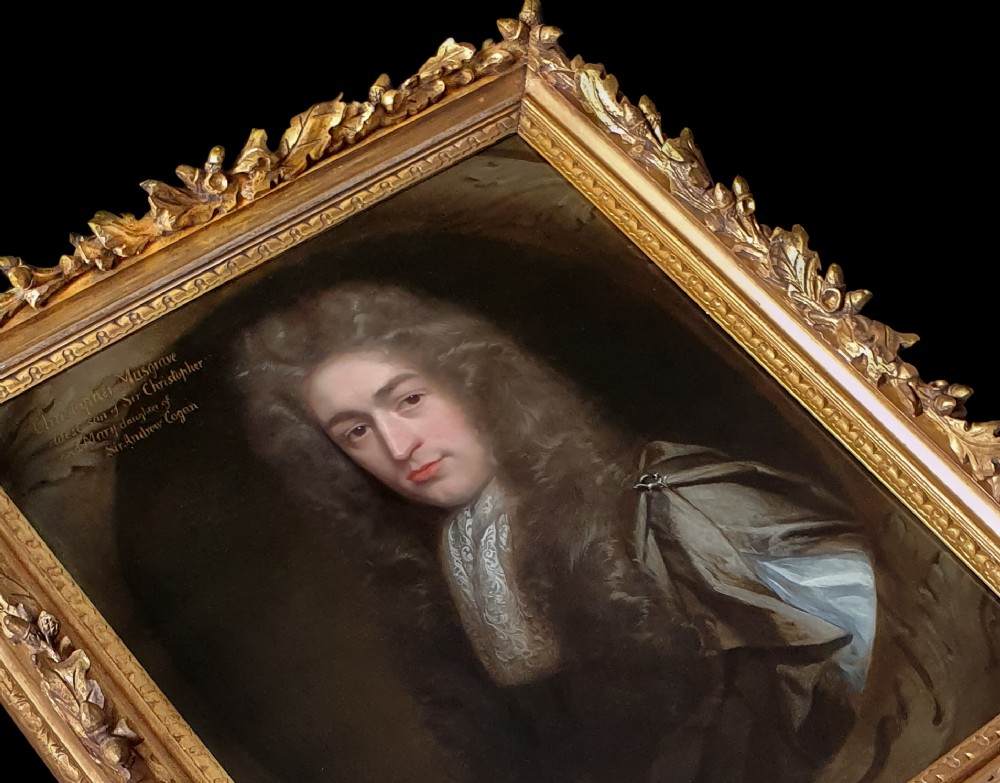
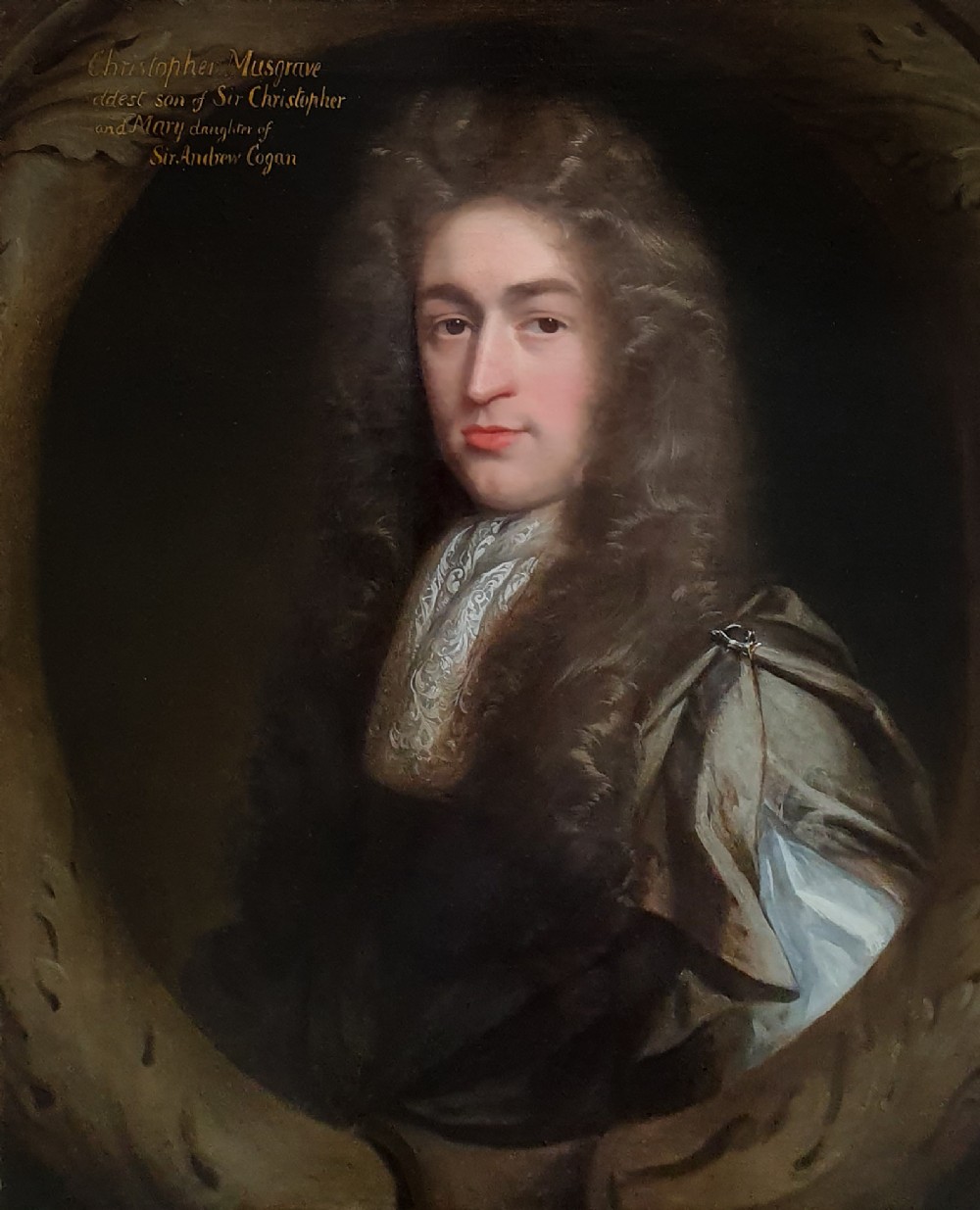
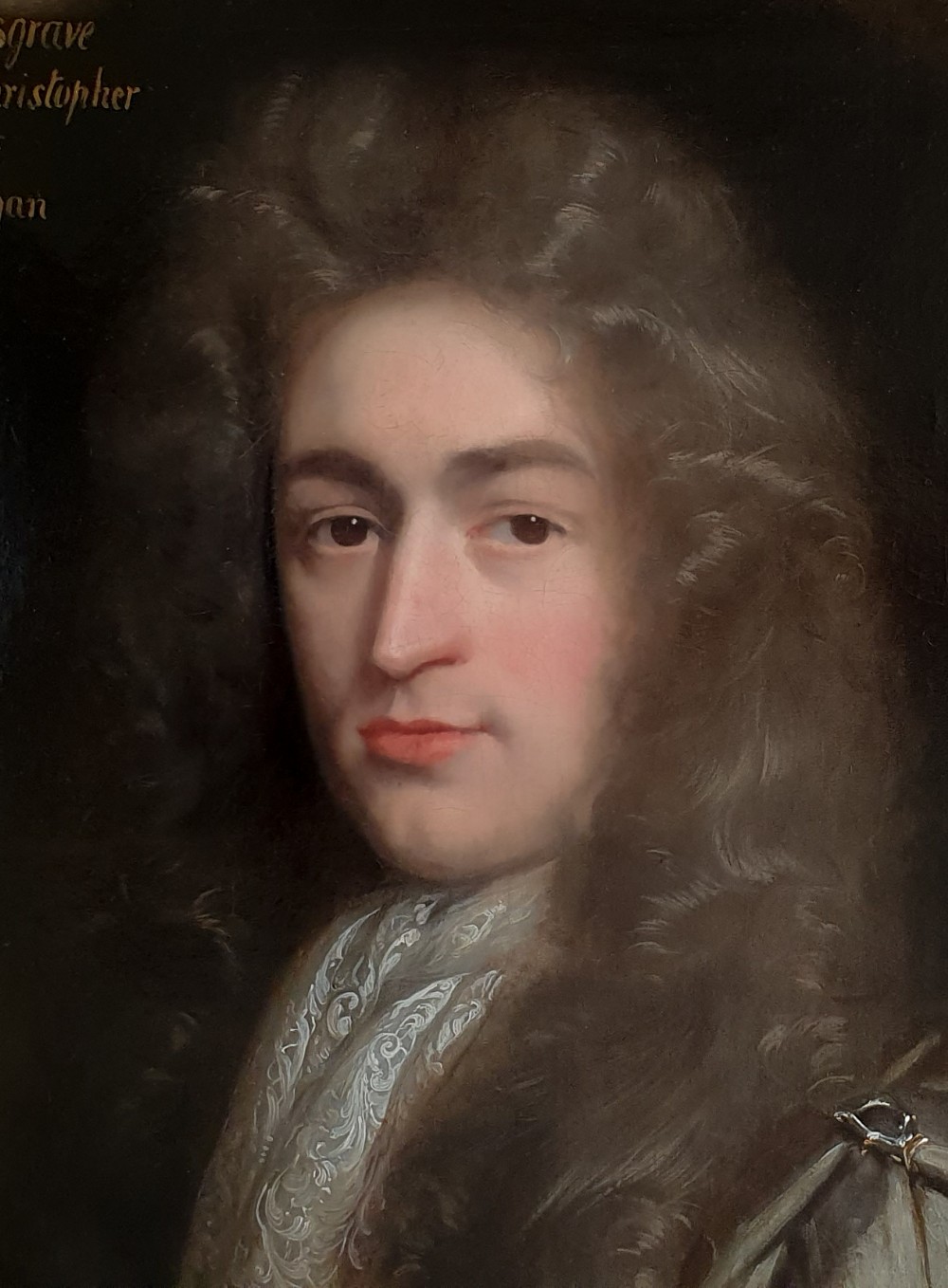
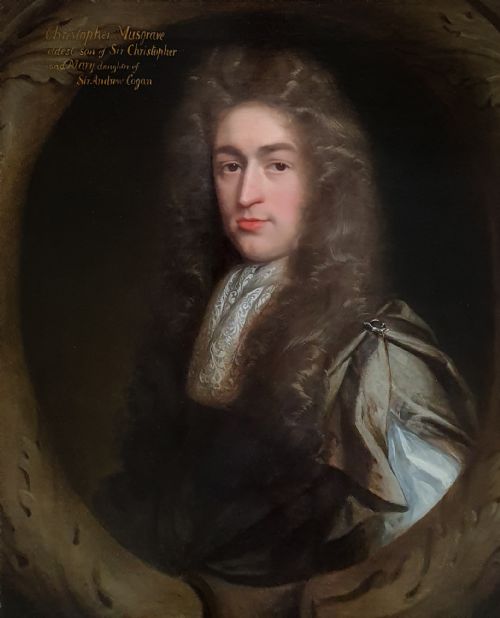
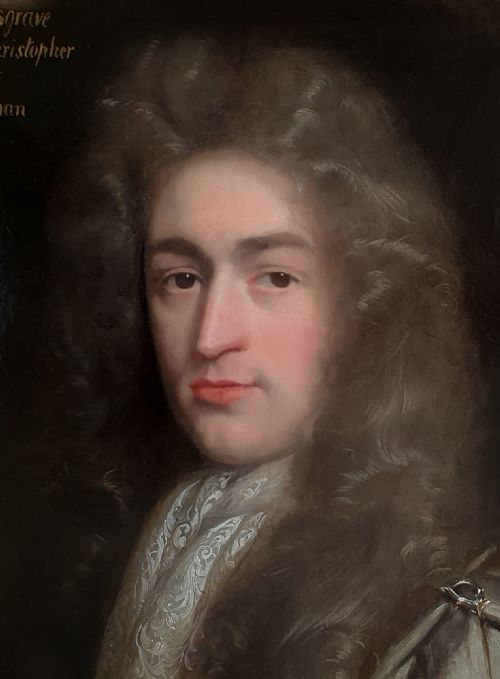
This sumptuous portrait represents Christopher Musgrave (1664-1718), member of Parliament for Carlisle. Painted circa 1690, the beautiful rendering of the face is a feature of the work of John Riley, who was an outstanding native portrait painter amongst the legions of foreign painters who settled in England during the Restoration. It is easy to see why he was Painter in Ordinary to King Charles II in 1682, and later official court painter to King James II, King William and Queen Mary in 1689. John Riley painted a portrait of the sitter’s father, Sir Christopher Musgrave, 4th Baronet (c.1632-1704) (collection of the Earl of Dartmouth, 1838) around the same time as our portrait; it is possible that both portraits were painted simultaneously to mark the occasion in 1690 of Sir Christopher being elected MP for Westmoreland and the sitter in our portrait elected MP for Carlisle.
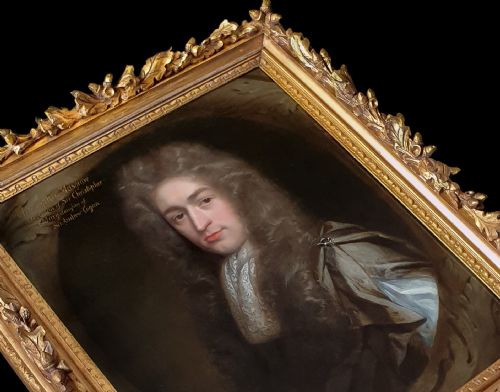
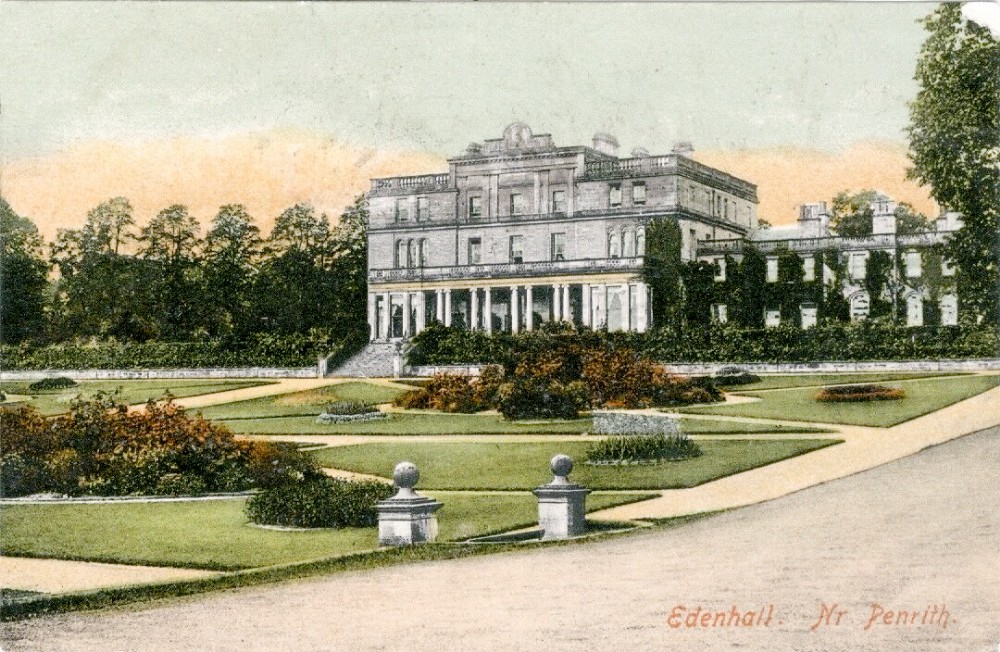
Christopher Musgrave was born at Carlisle Castle, the second son of Sir Christopher Musgrave, 4th Baronet (c.1632-1704) of Edenhall and his wife Mary Cogan (c.1636-1664). This marriage produced a son Phillip Musgrave (1661/4–1689), a daughter Mary Musgrave (1663-?), and the sitter in our portrait. Mary Cogan, died during childbirth at Carlisle Castle. Sir Christopher later married Elizabeth Francklyn (1648-1701) on 15th May 1671 and the couple had sons Joseph (1676-1757), Thomas Musgrave (1680-1756), George Musgrave (1682-1751), and a daughter Dorothy Musgrave (1684-?) and by some accounts eight other children.
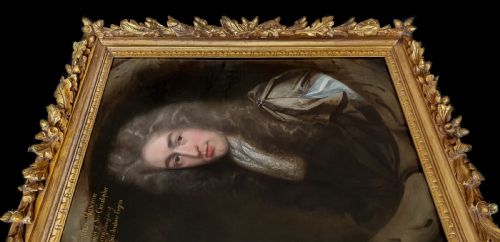
Our sitter died unmarried on 10th Sept 1718 and was buried in Westminster Abbey. His stone is just to the south of Gladstone. He left his Cumberland and Westmorland estates to the second son of his nephew Sir Christopher Musgrave, 5th Bt.; £4,000 to be divided among his nephew’s other children; his annuities of £400 from the Exchequer to his half-brothers Joseph and George; and the remainder of his estate, after his debts and a number of small legacies were paid, to Joseph.
The ancient Musgrave family had been elevated to the nobility when Richard Musgrave was created a Baronet in 1611 for services to the Crown - undoubtably the raising and leading of armies for the King. The original ancestral home was Hartley Castle, near Kirkby Stephen, Cumbria.
Edenhall was the home of the notorious “Luck of Eden Hall”, an enamel and gilt glass beaker from the 14th century in pristine condition. It is reputedly one of the oldest glass vessels in existence.
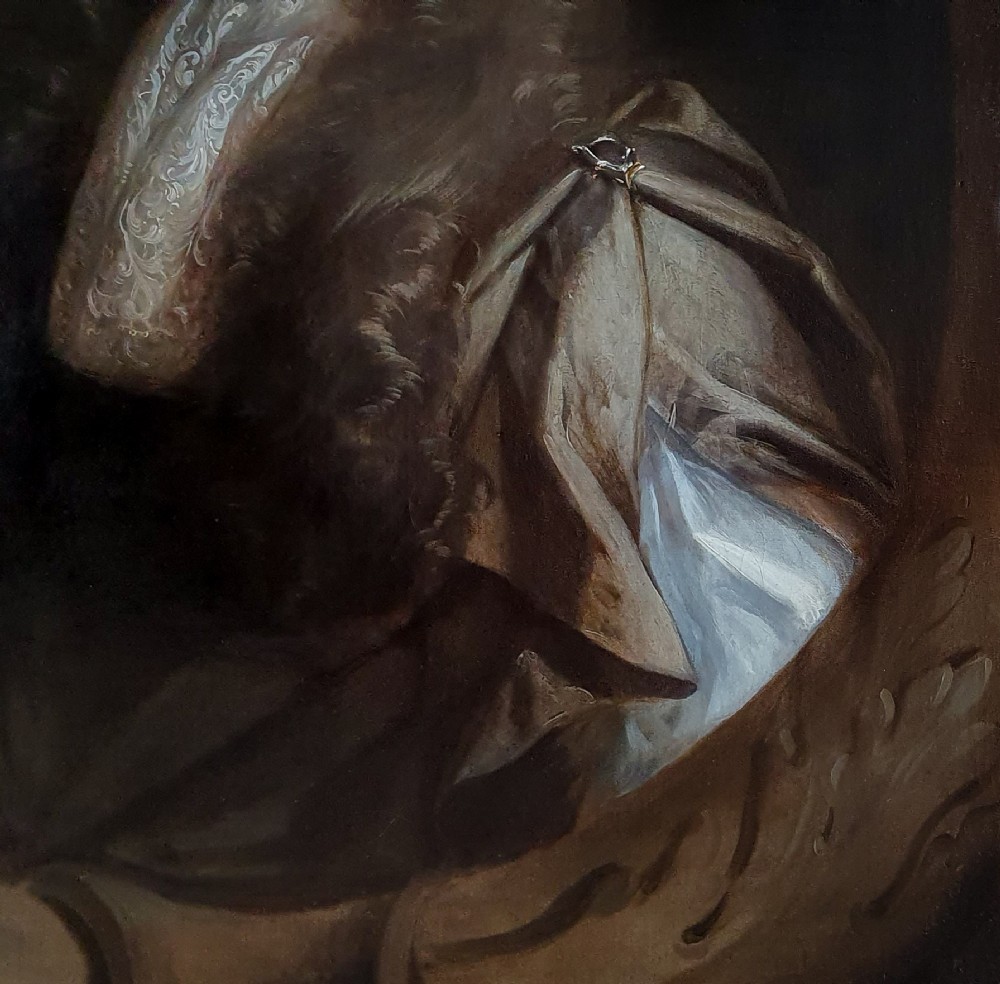
Riley was particularly skilled at rendering the sitter’s heads whilst leaving the draperies to his studio assistants. In about 1681 Riley engaged as his drapery painter John Closterman and later as partner working in conjunction. The formal partnership was dissolved after a couple of years, but Closterman continued to work and to live with Riley, and finished several of his pictures after his death. Riley also employed Lely's drapery painter for ‘postures’, John Baptist Gaspars. He was appointed Principal Painter to the King in 1688. He is known to have a good sense of the character of unpretentious men. Riley died in March 1691, and was buried in the church of St. Botolph, Bishopsgate, London.
See full description: at www.titanfineart.com
Titan Fine Art has dated this piece to the 17th Century.
Specialist in 17th & 18thc portraits. Highly curated selection, museum-level research & pro conservation. Exceptional art, expertly vetted.
You can view the stock and full dealer information on the Titan Fine Art Profile Page
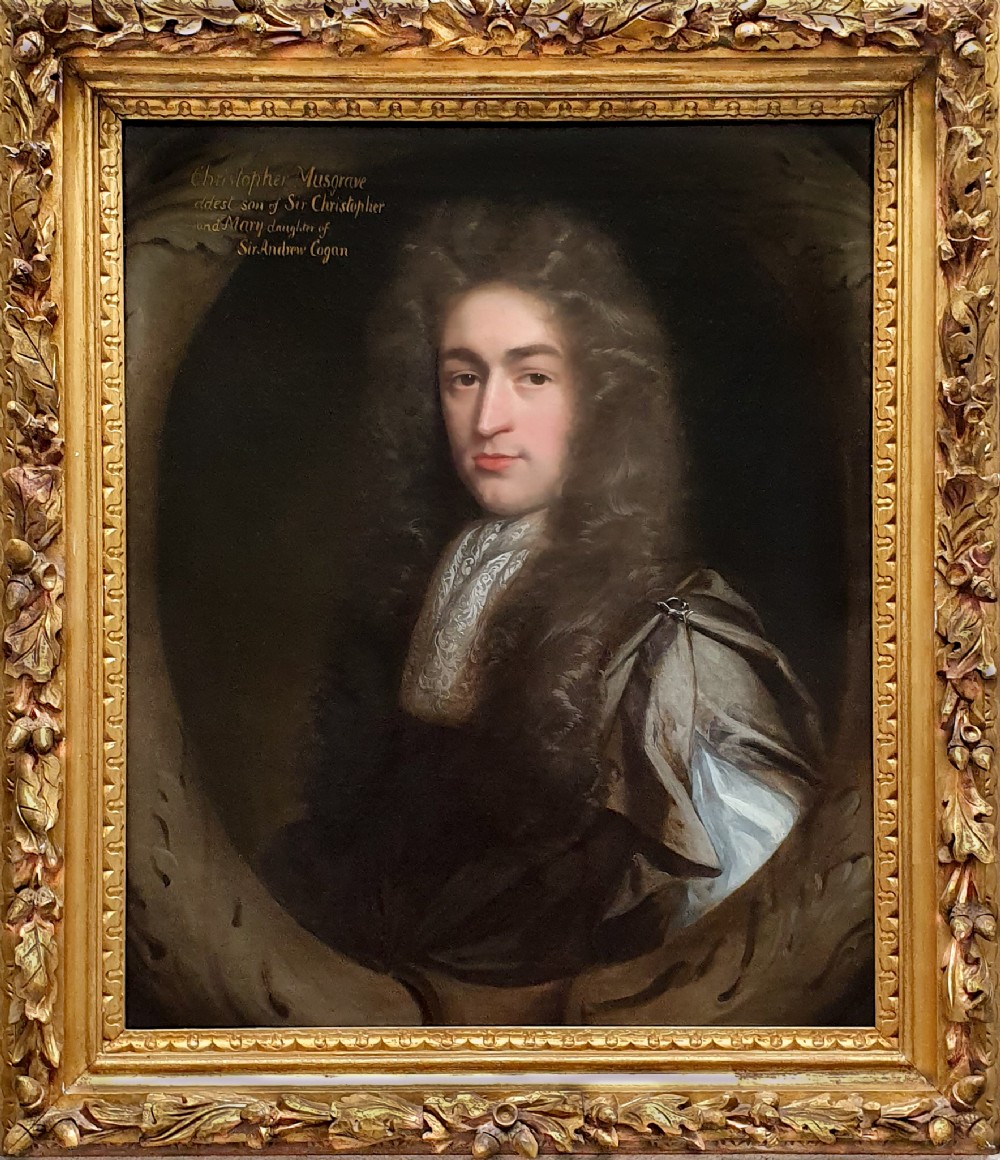
Portrait of Christopher Musgrave (1664-1718) C.1690; John Riley (1646-1691)