Titan Fine Art has dated this piece to the 18th Century.
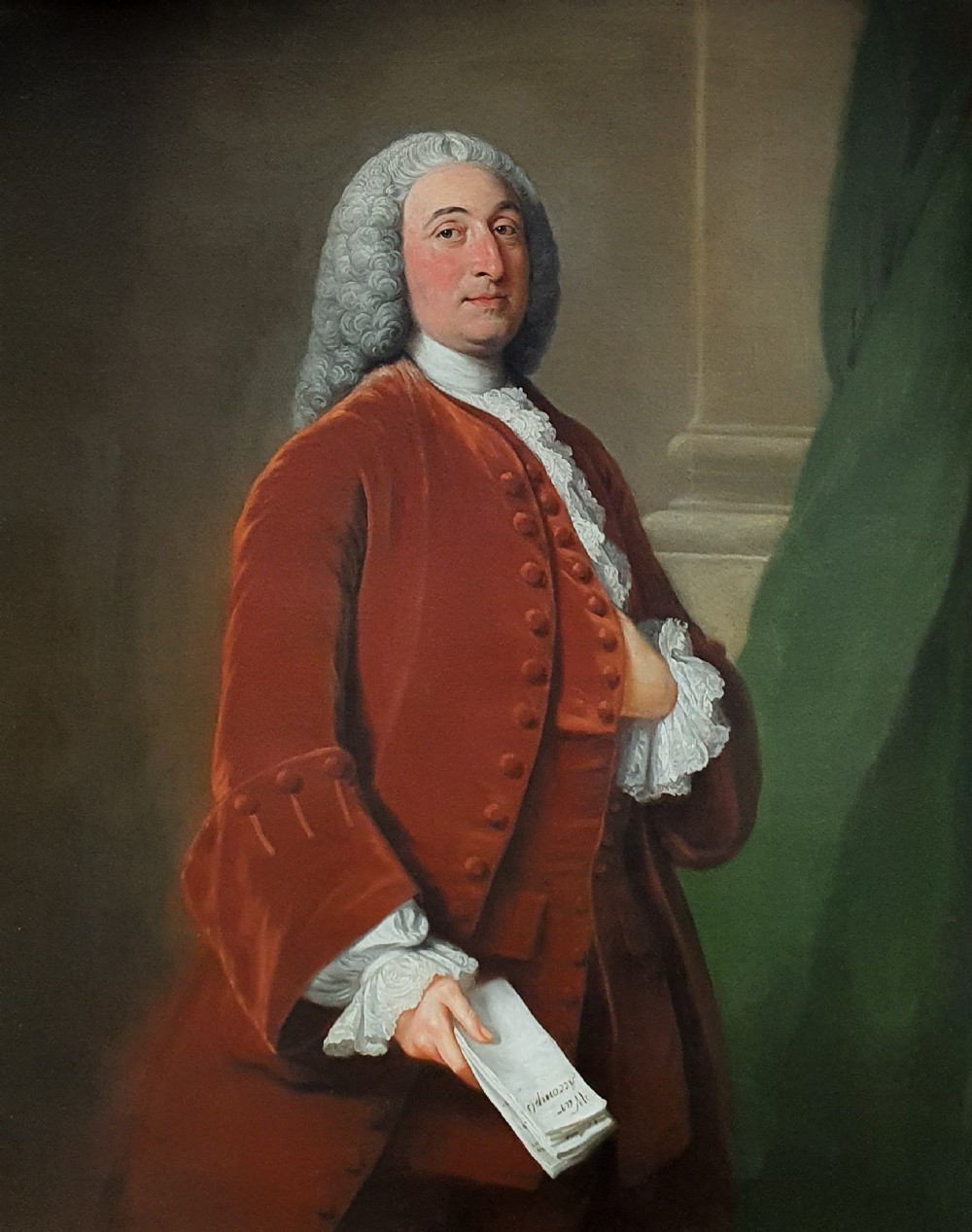
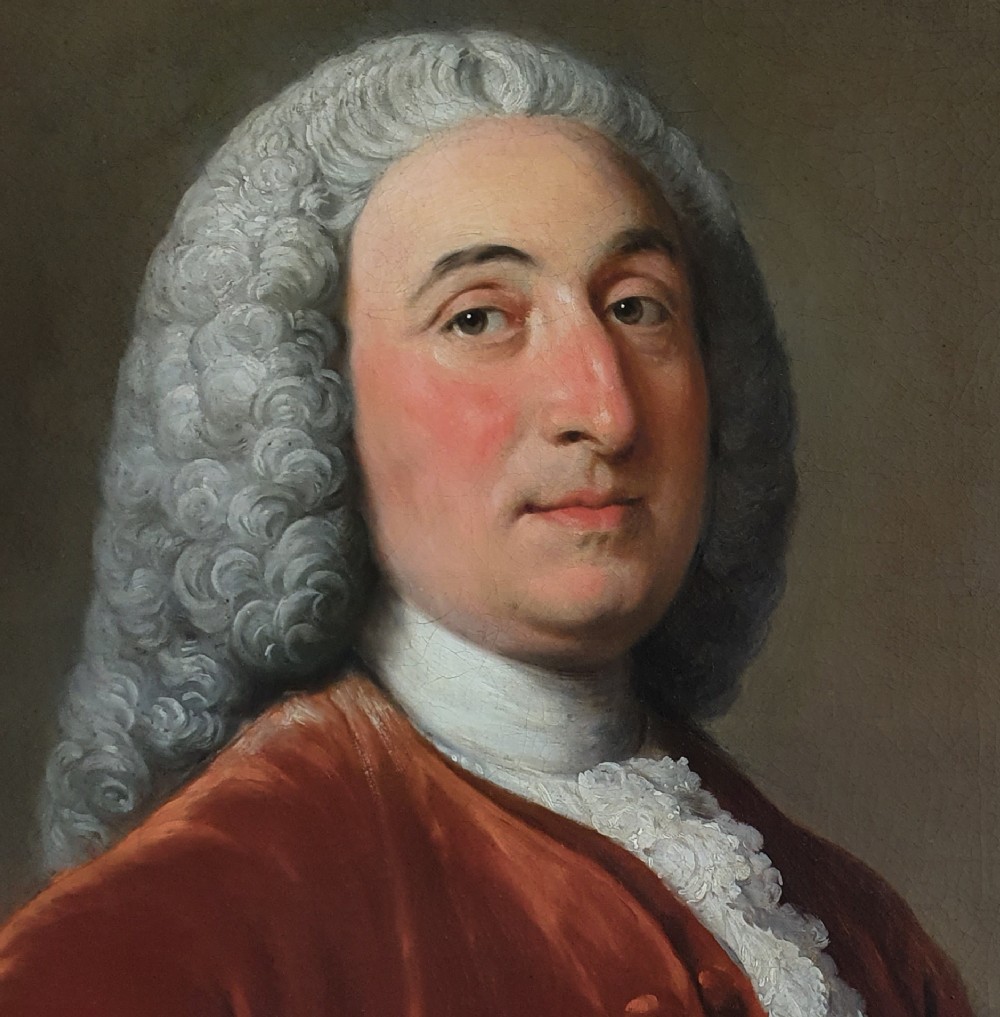
Painted by the Duke’s favourite artist, William Hoare, it is a fine and sensitive example of Hoare’s work.
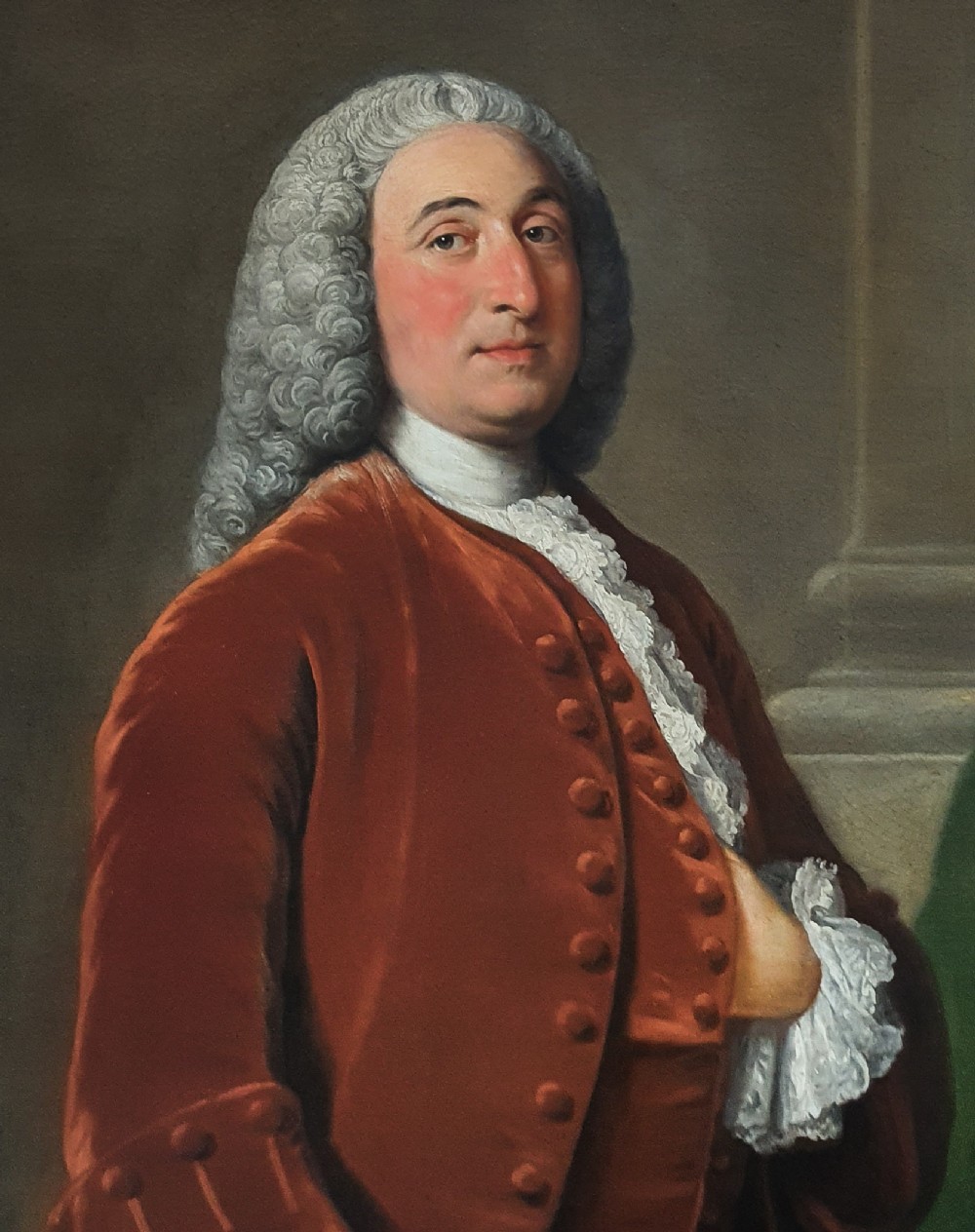
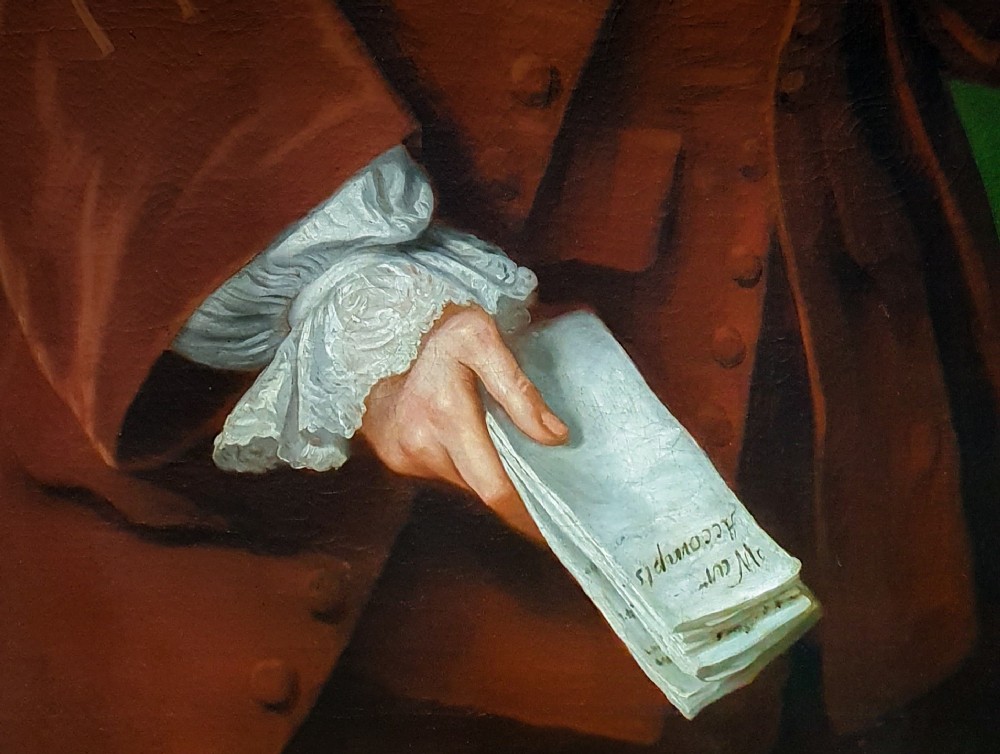
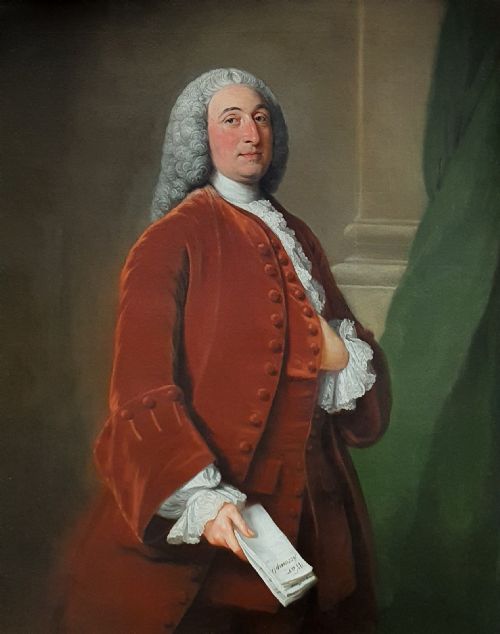
This striking portrait is the highest calibre and an excellent example of the English 18th century portrait. The sitter is portrayed in a standard gentlemanly pose for the period with one arm tucked into his jacket. It is striking in its study of the sitter’s attitude and in the graceful and natural manner of certain elements. Lace was also an important accessory for men in the 18th century; here it is worn around the cuffs of the shirt and down its front opening, known as a ‘bosom ruffle’. The lively handling of the cuffs, which have been painted in a free and florid style, and the treatment throughout the coat are exquisite.
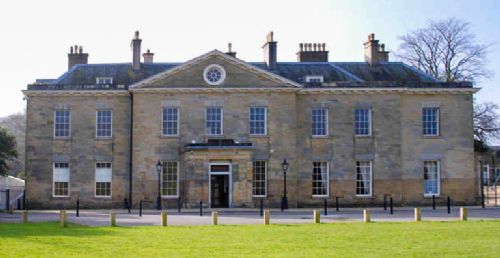
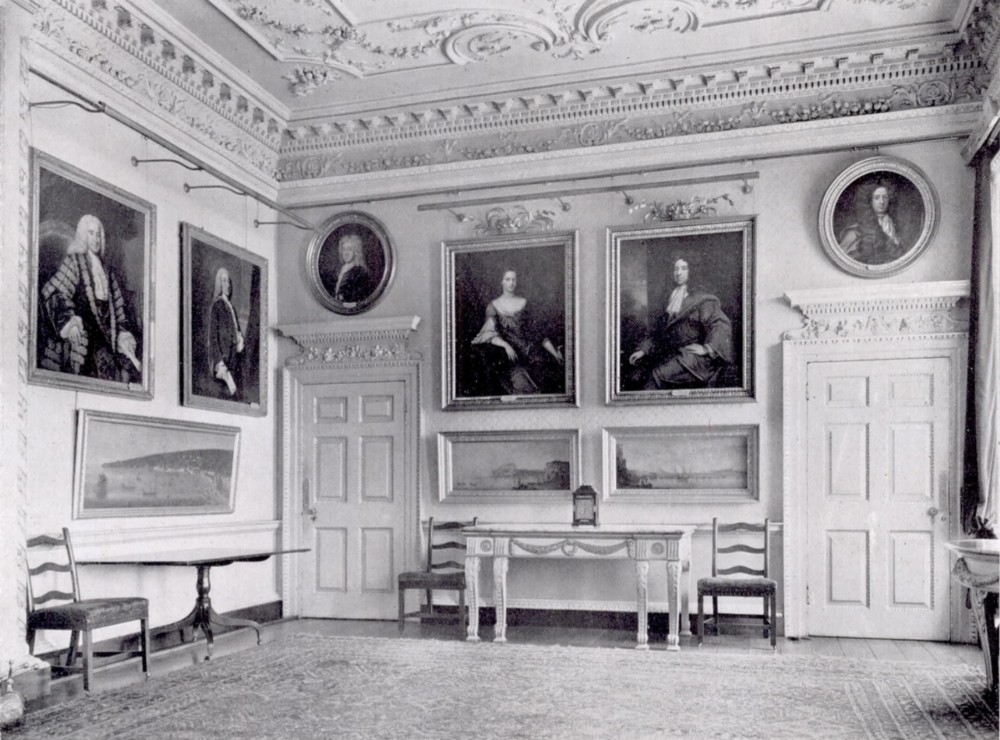
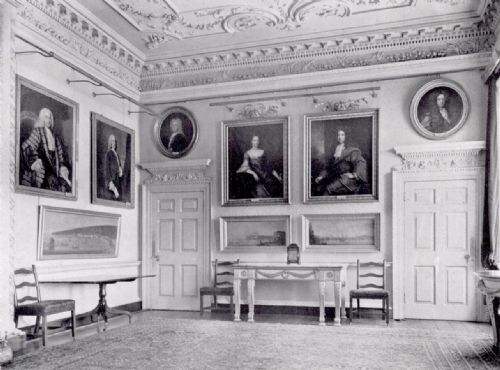
The sitter in this portrait is Thomas Pelham-Holles, 1st Duke of Newcastle upon Tyne and 1st Duke of Newcastle-under-Lyme, KG, PC, FRS (1693-1768). This fact is made certain by an article written about Stanmer house and its contents in Country Homes and Gardens (published 2nd January 1932). The article contains a photo of the dining room and it identifies the sitter of our portrait: “Newcastle himself appear on the left of the illustration, in the corner by the door, and next to him is his brother, Henry Pelham, Prime Minister and Chancellor of the Exchequer from 1743 to 1754. Both these portraits are by Hoare of Bath”.
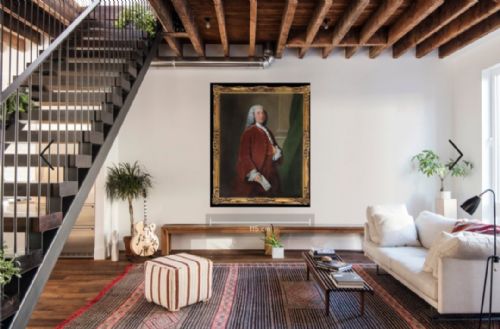
The fact that this portrait was placed in such an important and prominent room within the house, the dining room, is testament to the sitter’s importance within the family. This room contained the richest decorative treatment exhibiting the full stateliness of the Palladium manner and it showcased members of the family during the 18th century.
Thomas held power with his brother, Prime Minister Henry Pelham, and the two men formed a formidable political partnership and together dominated British politics until Henry's death in 1754. He was the son of Thomas, first Lord Pelham, through whom he gained an entree into the world of aristocratic politics. His uncle, John Holles, Duke of Newcastle, bequeathed to him his substantial fortune and thus a day before Thomas’ eighteenth birthday he inherited the bulk of one of the largest estates in England on the condition that he adopt the name of Holles. Before he was nineteen, he inherited the vast estate of his father as well. The combined income of the two estates had been estimated at £25,000 to £40,000 a year. Within a year the young lord was in a state of extreme financial embarrassment which lasted until his death. Contemporaries believed that he spent as much as £100,000 during the year following the death of Queen Anne in support of the Hanoverian Dynasty. These expenditures included subsidising the cost to fight mobs that were hostile to the new dynasty, expenses in repelling the Old Pretender in 1715, and costly entertainment for the electors of many boroughs and shires in the general election of 1715. As a reward for these services in 1714 he was made Viscount Houghton and Earl of Clare; and in 1715, Marquess of Clare and Duke of Newcastle-on-Tyne. From then on, he was Holles Newcastle. The real significance of the year 1714-15, however, is not his rapid rise in the peerage but his financial extravagance, which plunged him into debt and influenced fundamentally both his political career and his relations with his brother Henry.
See the full description at: www.titanfineart.com/duke-of-newcastle.html/
Titan Fine Art has dated this piece to the 18th Century.
Specialist in 17th & 18thc portraits. Highly curated selection, museum-level research & pro conservation. Exceptional art, expertly vetted.
You can view the stock and full dealer information on the Titan Fine Art Profile Page

Portrait of Thomas Pelham-holles, 1st Duke of Newcastle (1693-1768) Circa 1750; William Hoare of Bath R.A. (C.1707–1792)