21,043  PAGES BROWSED TODAY PAGES TODAY 96 ANTIQUES UPLOADED TODAYNEW ARRIVALS
96 ITEMS ADDED TODAY
Sort Order
Items Per Page
Browse Categories
Sort order
Items per page
ID #SA569193
SOLD
Email
Save
Portrait of Mary Queen of Scots (1542-1587); 17th Century British School, Oil on Cradled Panel
Titan Fine Art
sold SA569193
Sorry, but this item has been sold.
Titan Fine Art

Titan Fine Art

Sellingantiques Verified Since Jul 2016
View Dealers Stock Page
  • About Us
    Specialist in 17th & 18thc portraits. Highly curated selection, museum-level research & pro conservation. Exceptional art, expertly vetted.
Id #SA569193
PDF SHARE
SAVE

Portrait of Mary Queen of Scots (1542-1587); 17th Century British School, Oil on Cradled Panel

17th century
Description

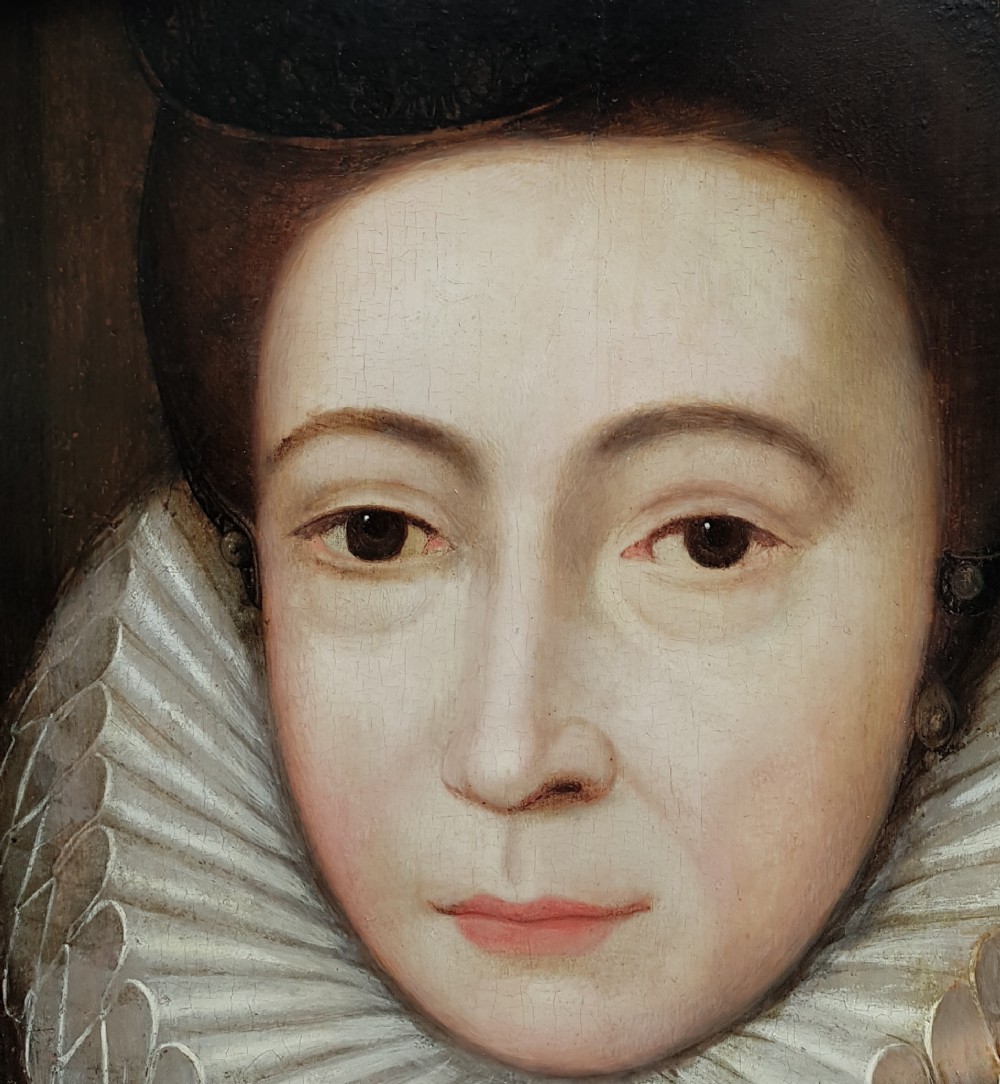
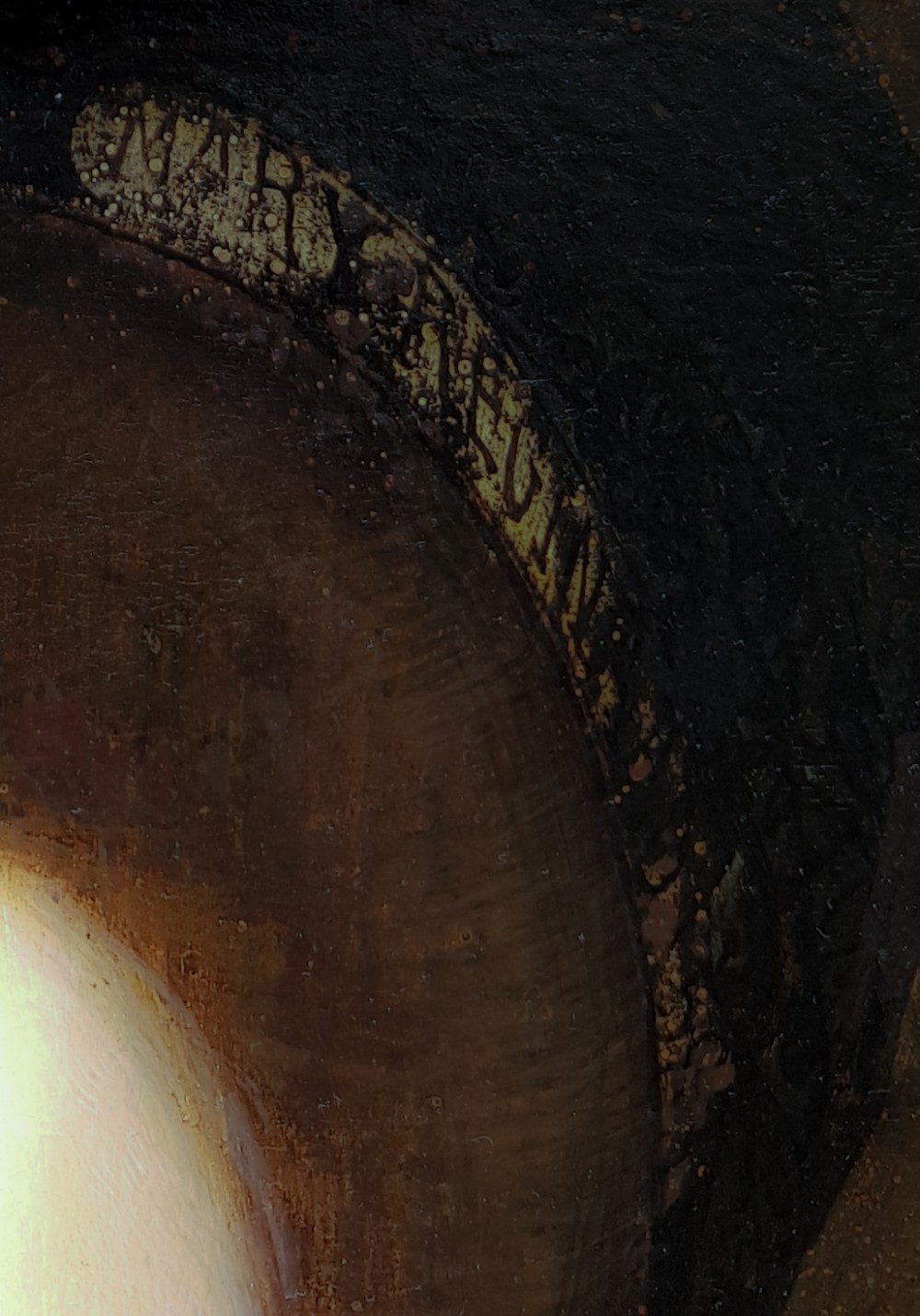
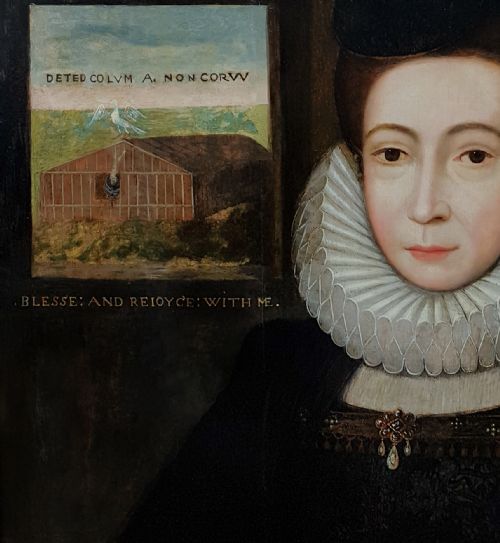
Mary, Queen of Scots is one of the most famous yet enigmatic figures in Scottish history. At one time, she claimed the crowns of four nations – Scotland, France, England and Ireland and could have been one of the most powerful women in Europe. Yet she lacked the political skill and intuition to rule successfully in Scotland and was embroiled in marriages that ended in murder and scandal. For a queen who has inspired artists, scholars, playwrights, composers and poets, it is surprising that there are very few portraits of her painted during her life. For the most part her iconography is known through portraits painted following her son’s accession to the English throne in 1603 (hen her son ascended the English throne he began a campaign to altar Mary’s image from traitoress to heroine and thus portraits were produced to elevated her into the status of pious victim – martyred for her beliefs and misunderstood). Her history acquired a romantic aura and demand for her portrait grew in the 17th and 18th centuries reaching its zenith in the 19th century. Most portraits are 18th or 19th century. Our portrait is a rare survival on oak panel (later cradled) from the 17th century. It contains an inscription (on the hairband) “Mary Regina” and a date “1?58”. The upper left contains latin text and the words “Blesse and Rejoyce with me”.
The only daughter of the late James V of the ruling Stewart dynasty, Mary became Queen of Scots at only six days of age. She spent most of her childhood in France while Scotland was ruled by regents, and in 1558, she married the Dauphin of France, Francis (this was the same year when Mary Tudor, England’s Catholic queen, died and was succeeded by her Protestant half-sister Elizabeth. Mary believed that she had the stronger claim to the English throne). Her new husband ascended the French throne as King Francis II in 1559, and Mary briefly became queen consort of France, until his death in December 1560. Widowed, Mary returned to Scotland in 1561 and four years later she married her first cousin Henry Stuart, Lord Darnley. In 1566 they had a son, James.
On 10th February 1567 an enormous explosion destroyed the lodgings at Kirk o’ Field in which Darnley was staying. The bodies of Darnley and his servant were found in the rubble. Darnley had been murdered in mysterious circumstances, and Mary herself was implicated in the plot. The prime suspect was the man who was to become her third husband, James Hepburn, Earl of Bothwell. How Mary dealt with this incident sealed her fate.
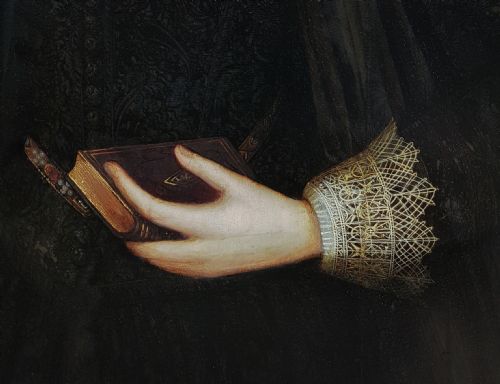
She fled to England in 1568, hoping for the help of her cousin, Elizabeth I. Her presence was dangerous for the English queen, who feared Catholic plotting on Mary’s behalf. The two queens never met and Mary remained imprisoned for the next nineteen years. She was executed in 1587 by orders of the English government and all of her possessions were burned. In 1603, upon Elizabeth’s death, Mary’s son became king of England as James I and in 1612 he moved her body to a magnificent tomb in Westminster Abbey, London.
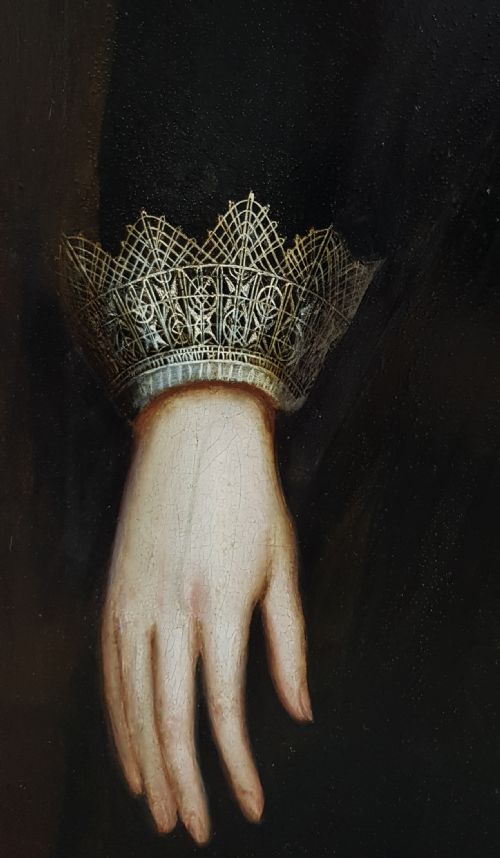
Towards the end of her life, during her time in captivity as Elizabeth’s prisoner, Mary embroidered the following epitaph-like motto: “In my end is my beginning”. She also exclaimed “Rejoice don’t weep” to one of her servants before her execution. These words have become somewhat prophetic as, in a sense, Mary won against Elizabeth in the end. Her son James VI of Scots became James I of England on the death of Elizabeth in 1603. Thus, every reigning British monarch since then has been descended from Mary, rather than from Elizabeth, who died childless.

Provenance: Private UK collection

Measurements: Height 102cm, Width 87cm framed (Height 40”, Width 34.25” framed)

Physical Dimensions
Height
102cm (40.16")
Width
87cm (34.25")
Depth
6cm (2.36")
Declaration

Titan Fine Art has dated this piece to the 17th Century.

Reference Numbers
Sellingantiques Reference
SA569193
Dealers Notes

Much more info about this item at: www.titanfineart.com

In a market saturated with available paintings, Titan Fine Art offers a distinct advantage: we sift through thousands of works to provide a specially curated selection. Each piece is meticulously chosen based on technical merit, provenance, and decorative appeal, ensuring our clients view only the finest examples of British and European art.

With over 20 years of expertise and 1,000+ works placed with collectors and institutions, we are one of the most prolific specialists in 17th and 18th-century portraiture. We combine a scholarly approach with museum-level rigor to replace the uncertainty of the open market with absolute confidence.

Why Buy From Titan Fine Art?

• Expertly Curated Selection

We act as your expert eye, selecting only high-quality works that offer genuine historical and artistic value.

• Museum-Level Research

Each portrait is supported by extensive academic research, often exceeding 40 hours, to establish attribution, sitter identity, and historical context.

• Professional Conservation

All paintings are carefully cleaned and stabilised by professional conservators, and are presented ready to hang.

• Transparent Pricing

No buyer’s premium or hidden fees—unlike auction houses, where additional costs can add 25–35%.

• Export Pricing Advantage

Reduced pricing is available for works exported outside the UK.

• Specialist Global Shipping

We manage the entire process, including custom crating, export documentation, and fully tracked delivery worldwide.

• Buy with Confidence

A 7-day return policy and the option to pay in GBP, USD, or EUR for convenience and transparency.

• Original Period Frames

Many works retain their original carved and gilded frames, which are works of art in their own right and enhance both historical authenticity and decorative impact.

• Personal Advisory Service

We work directly with collectors and interior designers, offering guidance on selection, scale, and placement—including bespoke room mock-ups on request.

Subscribe to our monthly 'new item alert' to be the first to hear about new works

Description
Mary, Queen of Scots is one of the most famous yet enigmatic figures in Scottish history.
At one time, she claimed the crowns of four nations – Scotland, France, England and Ireland and could have been one of the most powerful women in Europe.
Titan Fine Art

Yet she lacked the political skill and intuition to rule successfully in Scotland and was embroiled in marriages that ended in murder and scandal. For a queen who has inspired artists, scholars, playwrights, composers and poets, it is surprising that there are very few portraits of her painted during her life. For the most part her iconography is known through portraits painted following her son’s accession to the English throne in 1603 (hen her son ascended the English throne he began a campaign to altar Mary’s image from traitoress to heroine and thus portraits were produced to elevated her into the status of pious victim – martyred for her beliefs and misunderstood). Her history acquired a romantic aura and demand for her portrait grew in the 17th and 18th centuries reaching its zenith in the 19th century. Most portraits are 18th or 19th century. Our portrait is a rare survival on oak panel (later cradled) from the 17th century. It contains an inscription (on the hairband) “Mary Regina” and a date “1?58”. The upper left contains latin text and the words “Blesse and Rejoyce with me”.

fig 1. Portrait of Mary Queen of Scots (1542-1587); 17th century British School, oil on cradled panel
fig 1. Portrait of Mary Queen of Scots (1542-1587); 17th Century British School, Oil on Cradled Panel

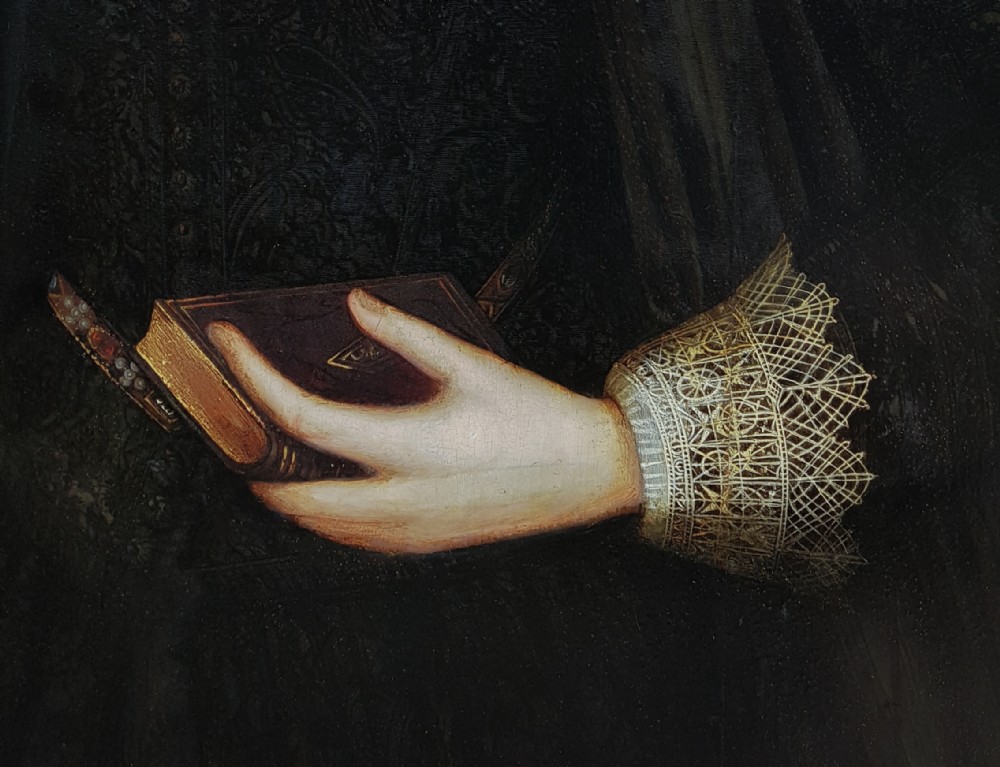
The only daughter of the late James V of the ruling Stewart dynasty, Mary became Queen of Scots at only six days of age. She spent most of her childhood in France while Scotland was ruled by regents, and in 1558, she married the Dauphin of France, Francis (this was the same year when Mary Tudor, England’s Catholic queen, died and was succeeded by her Protestant half-sister Elizabeth. Mary believed that she had the stronger claim to the English throne). Her new husband ascended the French throne as King Francis II in 1559, and Mary briefly became queen consort of France, until his death in December 1560. Widowed, Mary returned to Scotland in 1561 and four years later she married her first cousin Henry Stuart, Lord Darnley. In 1566 they had a son, James.

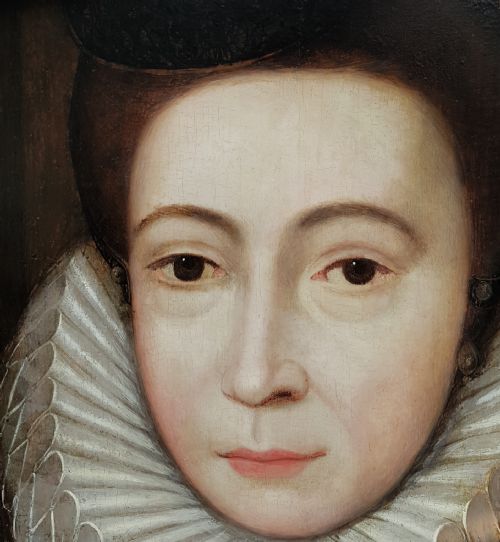
fig 2. Portrait of Mary Queen of Scots (1542-1587); 17th century British School, oil on cradled panel
fig 2. Portrait of Mary Queen of Scots (1542-1587); 17th Century British School, Oil on Cradled Panel

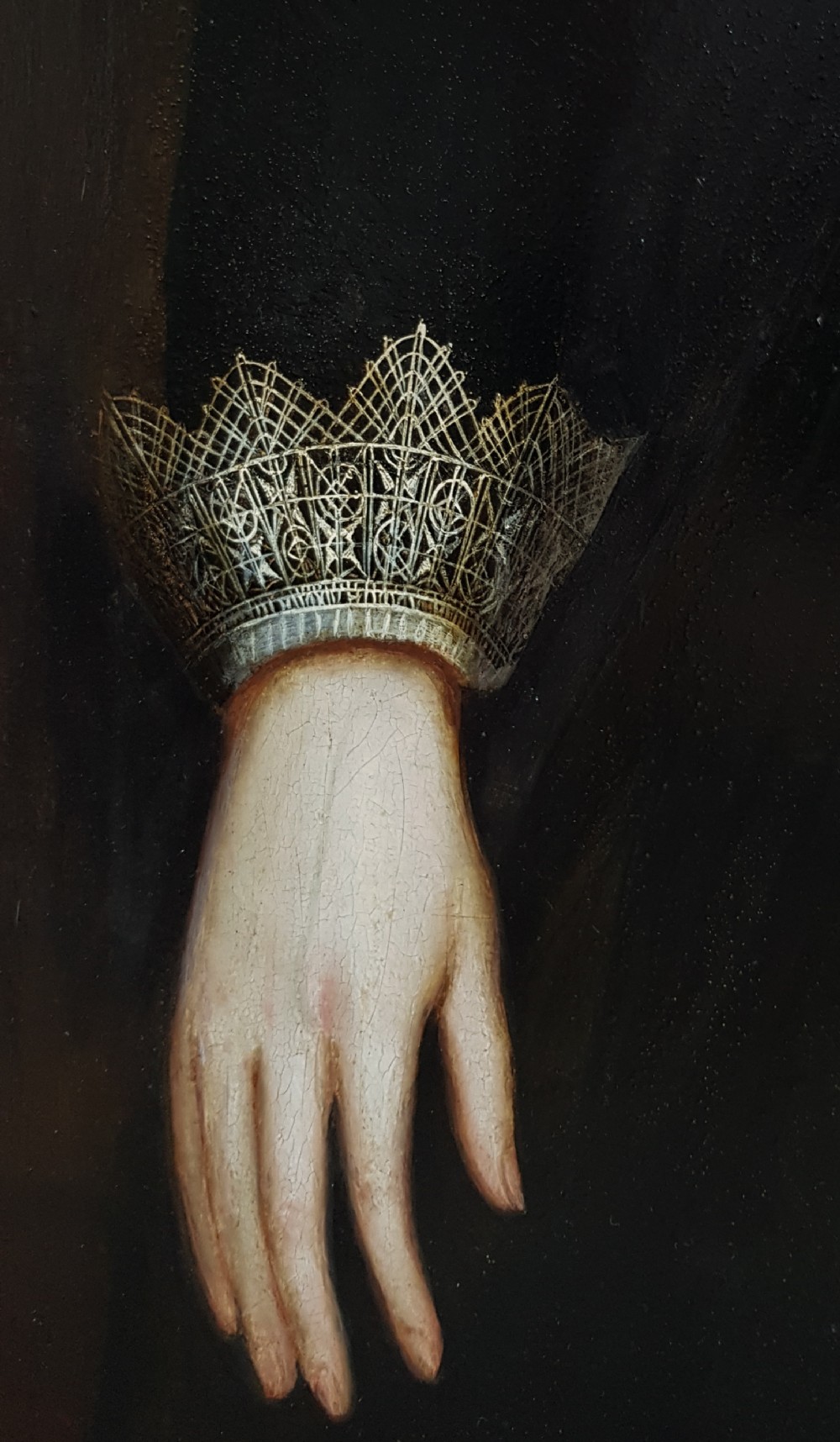
On 10th February 1567 an enormous explosion destroyed the lodgings at Kirk o’ Field in which Darnley was staying. The bodies of Darnley and his servant were found in the rubble. Darnley had been murdered in mysterious circumstances, and Mary herself was implicated in the plot. The prime suspect was the man who was to become her third husband, James Hepburn, Earl of Bothwell. How Mary dealt with this incident sealed her fate.

fig 3. Portrait of Mary Queen of Scots (1542-1587); 17th century British School, oil on cradled panel
fig 3. Portrait of Mary Queen of Scots (1542-1587); 17th Century British School, Oil on Cradled Panel

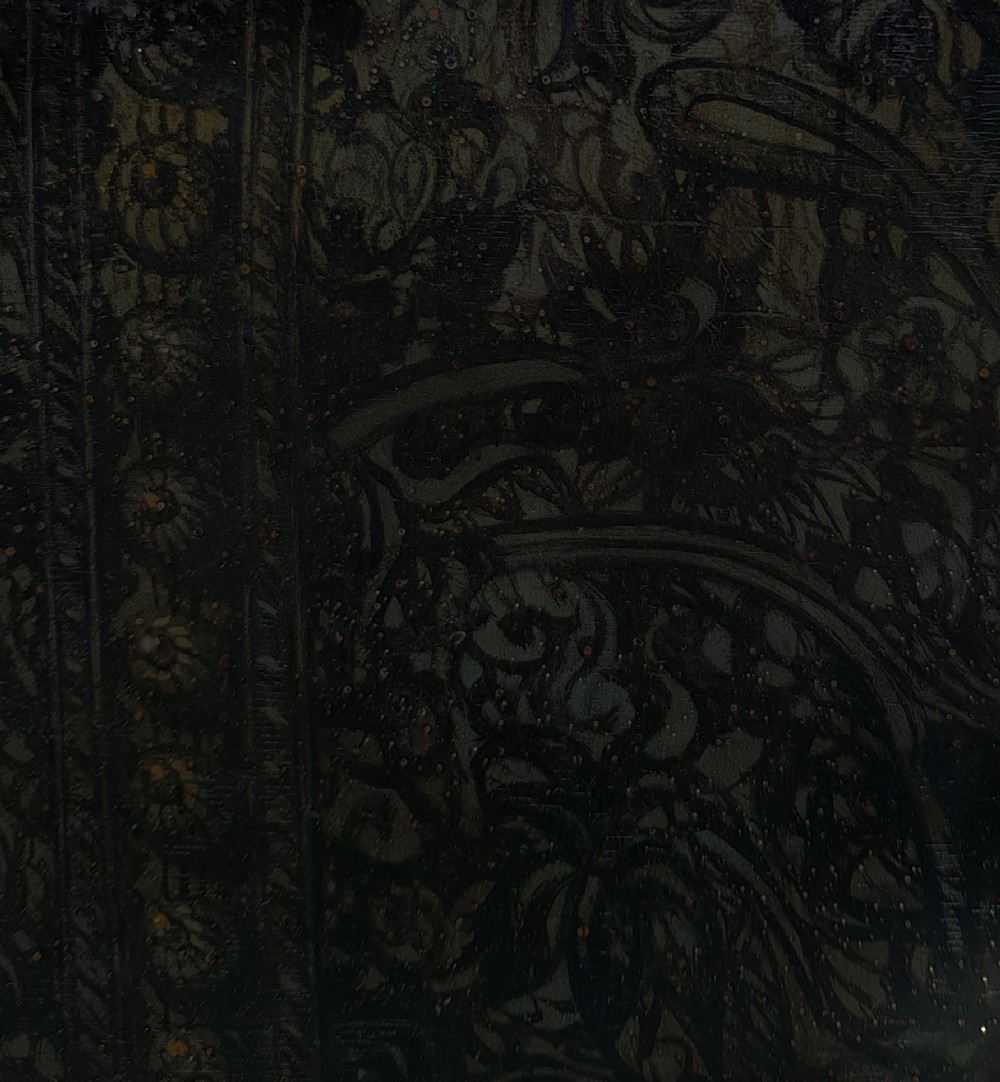
She fled to England in 1568, hoping for the help of her cousin, Elizabeth I. Her presence was dangerous for the English queen, who feared Catholic plotting on Mary’s behalf. The two queens never met and Mary remained imprisoned for the next nineteen years. She was executed in 1587 by orders of the English government and all of her possessions were burned. In 1603, upon Elizabeth’s death, Mary’s son became king of England as James I and in 1612 he moved her body to a magnificent tomb in Westminster Abbey, London.

fig 4. Portrait of Mary Queen of Scots (1542-1587); 17th century British School, oil on cradled panel
fig 4. Portrait of Mary Queen of Scots (1542-1587); 17th Century British School, Oil on Cradled Panel

Towards the end of her life, during her time in captivity as Elizabeth’s prisoner, Mary embroidered the following epitaph-like motto: “In my end is my beginning”. She also exclaimed “Rejoice don’t weep” to one of her servants before her execution. These words have become somewhat prophetic as, in a sense, Mary won against Elizabeth in the end. Her son James VI of Scots became James I of England on the death of Elizabeth in 1603. Thus, every reigning British monarch since then has been descended from Mary, rather than from Elizabeth, who died childless.

Provenance: Private UK collection

Measurements: Height 102cm, Width 87cm framed (Height 40”, Width 34.25” framed)

Height
102cm (40.16")
Width
87cm (34.25")
Depth
6cm (2.36")
Date of Manufacture

Titan Fine Art has dated this piece to the 17th Century.

Reference Numbers
Sellingantiques Ref
SA569193
Titan Fine Art
Titan Fine Art
Sellingantiques verified Since Jul 2016

Specialist in 17th & 18thc portraits. Highly curated selection, museum-level research & pro conservation. Exceptional art, expertly vetted.

Dealer Profile

You can view the stock and full dealer information on the Titan Fine Art Profile Page

PDF SHARE
SAVE
Portrait of Mary Queen of Scots (1542-1587); 17th century British School, oil on cradled panel
1 / 8
Archive I Portrait of Mary Queen of Scots (1542-1587); 17th century British School, oil on cradled panel

Portrait of Mary Queen of Scots (1542-1587); 17th Century British School, Oil on Cradled Panel

Archive II Portrait of Mary Queen of Scots (1542-1587); 17th century British School, oil on cradled panel View II
Archive III Portrait of Mary Queen of Scots (1542-1587); 17th century British School, oil on cradled panel View III
Archive IV Portrait of Mary Queen of Scots (1542-1587); 17th century British School, oil on cradled panel View IV
Archive V Portrait of Mary Queen of Scots (1542-1587); 17th century British School, oil on cradled panel View V
Archive VI Portrait of Mary Queen of Scots (1542-1587); 17th century British School, oil on cradled panel View VI
Archive VII Portrait of Mary Queen of Scots (1542-1587); 17th century British School, oil on cradled panel View VII
Archive VIII Portrait of Mary Queen of Scots (1542-1587); 17th century British School, oil on cradled panel View VIII
Enlarged Archival View
Telephone 07875 412 111
Location
London
United Kingdom
Dealer Profile Page sellingantiques.co.uk/titan
Verified Since Jul 2016
Items For Sale 16
Items Sold 401
Titan Fine Art
Titan Fine Art
Verified Since Jul 2016
View Dealer Info
Location: London, United Kingdom
Verified
Jul 2016
For Sale
16
Sold
401
Portrait of Mary Queen of Scots (1542-1587); 17th century British School, oil on cradled panel
Ref: SA569193
Portrait of Mary Queen of Scots (1542-1587); 17th century British School, oil on cradled panel
Detail View 1
Detail View 2
Detail View 3
Detail View 4
Detail View 5
Detail View 6
Detail View 7
Archival Detail
Every single antique dealer on our platform is individually approved by our internal team. We verify their professional trade history, ethical standards, and photographic quality to ensure a secure, high-standard buying environment. Upon joining, every dealer agrees to a strict 9-point code of conduct. While issues can occasionally arise, our dealers typically resolve them swiftly and directly with the buyer. In fact, since our founding in 2002, Sellingantiques has only had to step in to help resolve an issue on roughly five occasions—a true testament to the quality of our dealers and their dedication to your happiness.
Our dealers are highly experienced in packing and shipping fragile, high-value antiques. Because you are in direct contact with the dealer, you will be able to easily go through all available shipping and insurance options together to ensure your item arrives safely.
Antiques are the ultimate green purchase. By choosing historical pieces over newly manufactured goods, you completely eliminate the carbon footprint of modern mass production while preserving exceptional, timeless craftsmanship.
items
Add keywords to the filter
Price
£100
£250000
Era
Movements
Material
Origin
Stock Location
Freshness
Online Payments
Categories