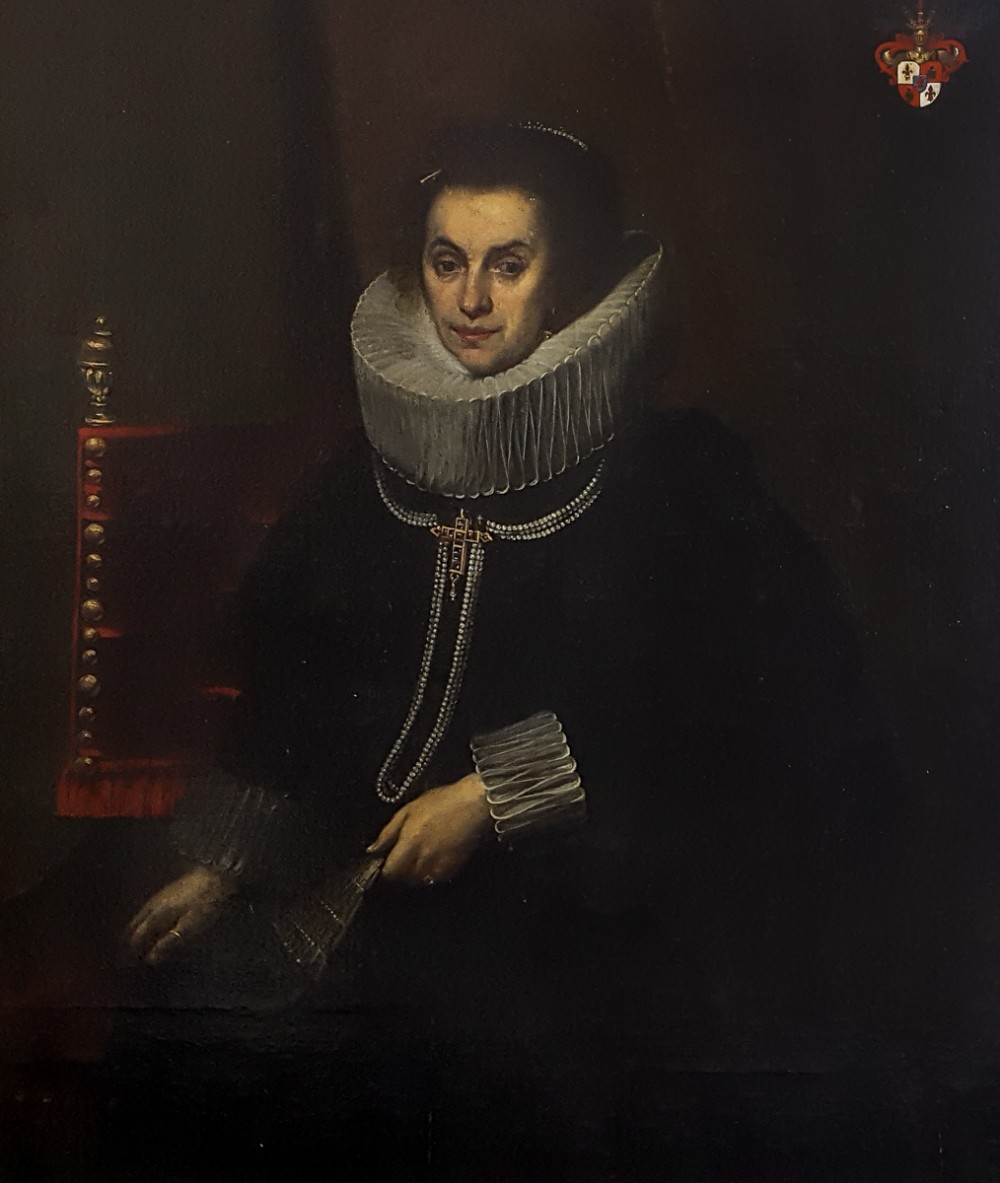
Titan Fine Art has dated this piece to the 17th Century.
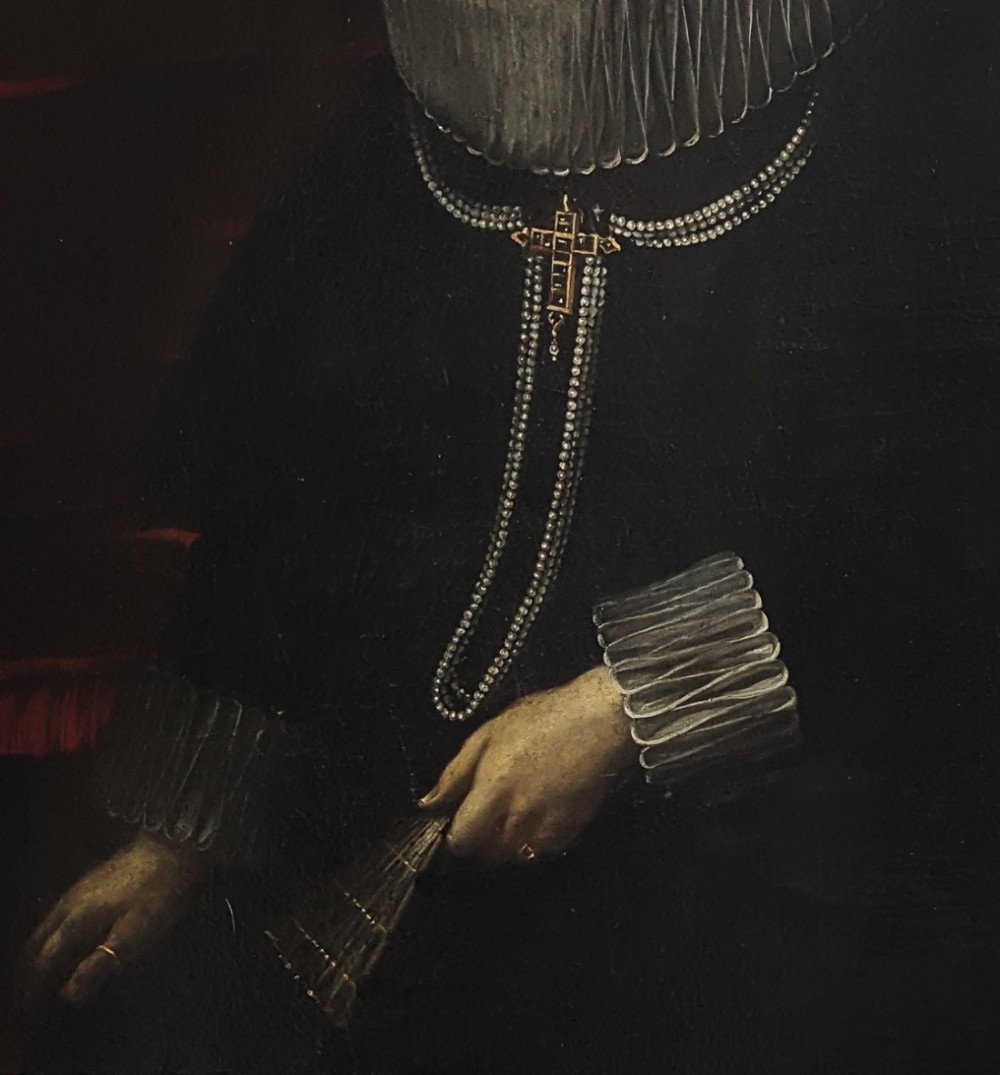
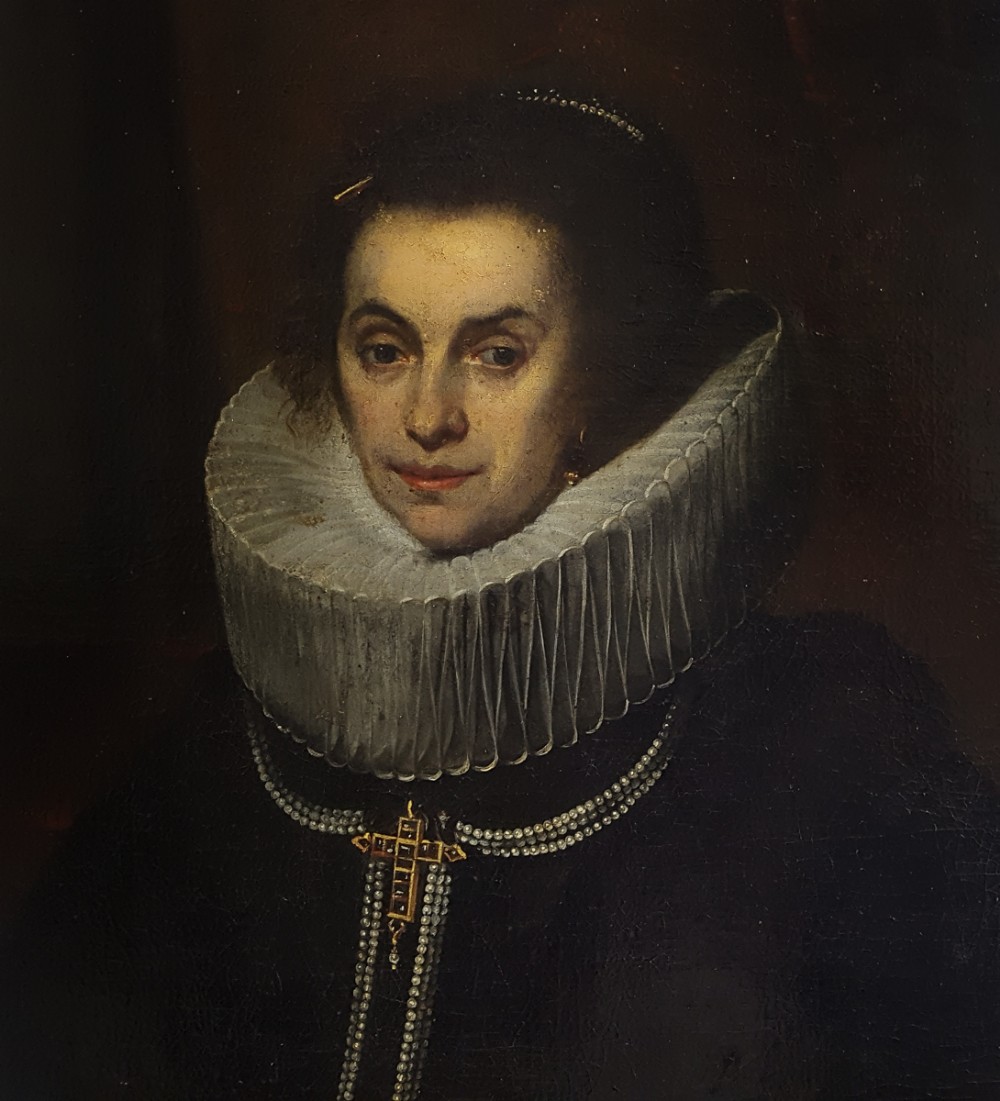
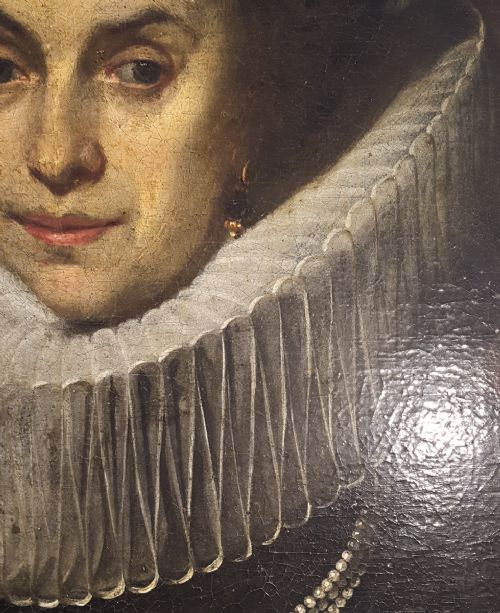
Black fabrics were predominant partly because they implied sobriety and modesty. However black was the most expensive colour to produce. The colour was also fashionable and artists strove to depict the rich detail and texture of the fabrics. The large “figure eight” collar as it was sometimes refered to, could take up to 15 metres of fabric to create. They grew in size and depth up to about the 1630s before being replaced by a flatter style. They were often held in place by wire and men wore their hair short during this period in part so it did not get caught in the collar.
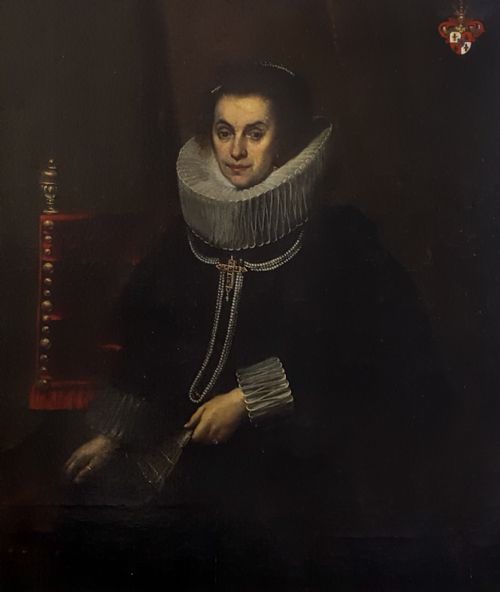
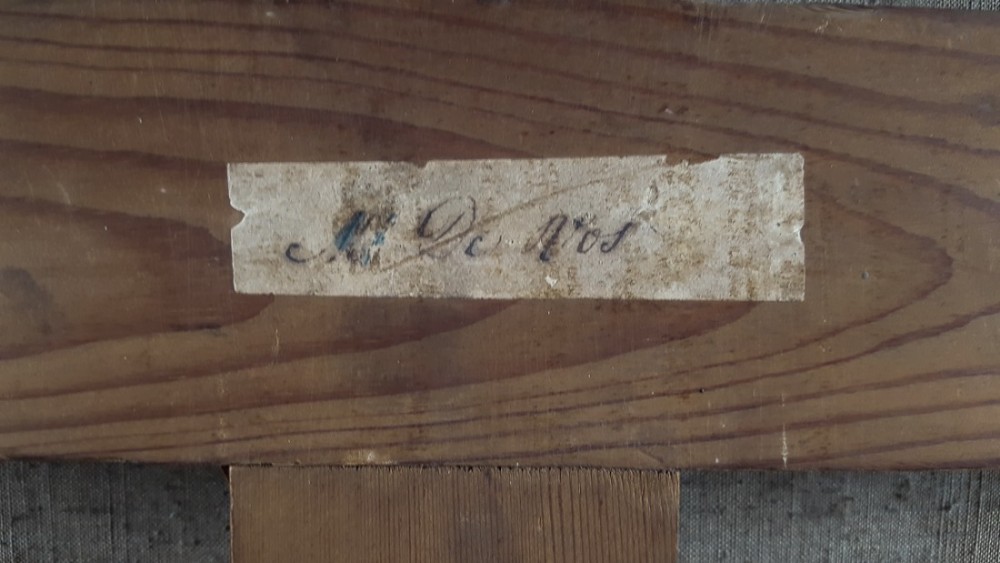
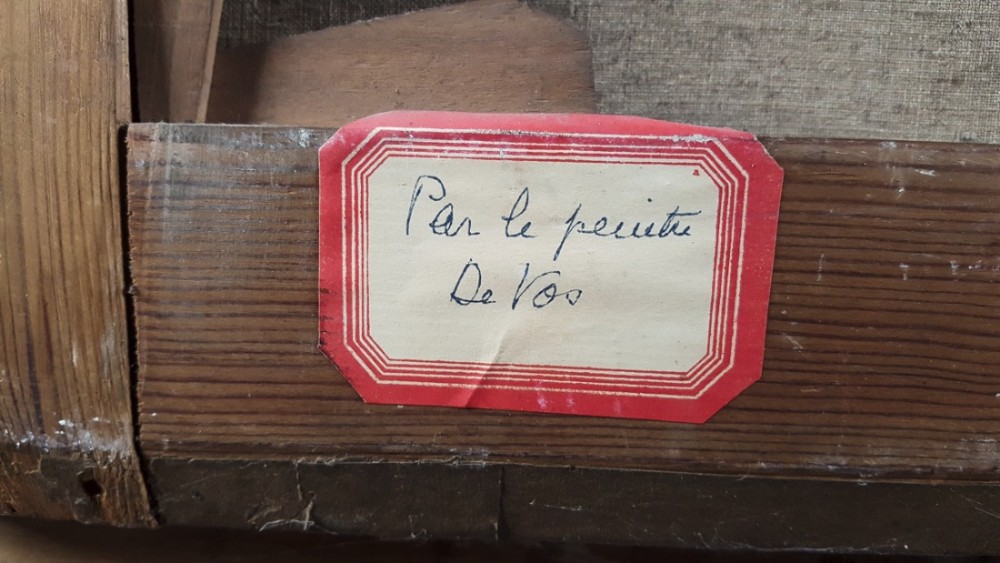
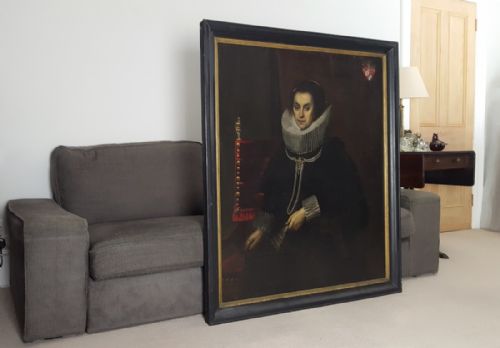
The work, inscribed with the sitter’s coat of arms upper right, is striking in its portrayal of wealth and glorification of the sitter not least on stylistic grounds but also the large scale. It is considered a pendant portrait to the Portrait of a Man, at which the time of cataloguing we are also offering for sale. A very good example from the Spanish Netherlands or modern day Belgium and painted by the circle of van Dyck’s slightly older contemporary, Cornelis de Vos.
Cornelis de Vos (1585-1651) studied under D. Remeeus c.1599-1604. He joined the Antwerp guild in 1608, and served as dean in 1619-20. His dignified portraits were much influenced by those of Rubens and van Dyck and there were known to maintain a charming modesty. This highly respected Antwerp portrait painter also excelled in group portraits of children. His brother Paul (1595-1678) was an animalier, and his sister Margaretha married the painter Frans Snyders.
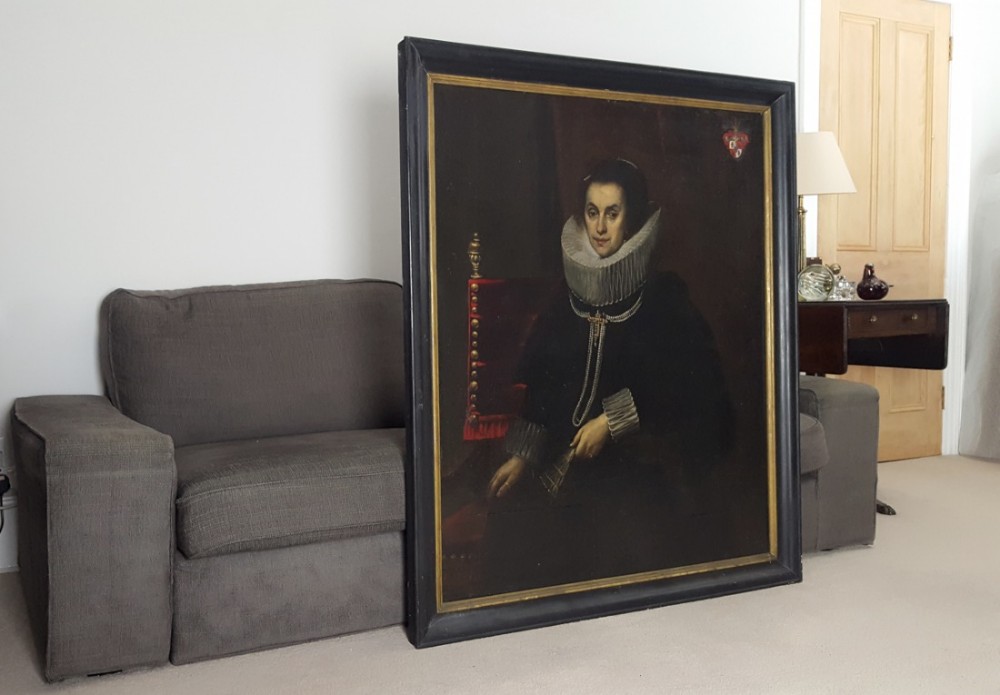
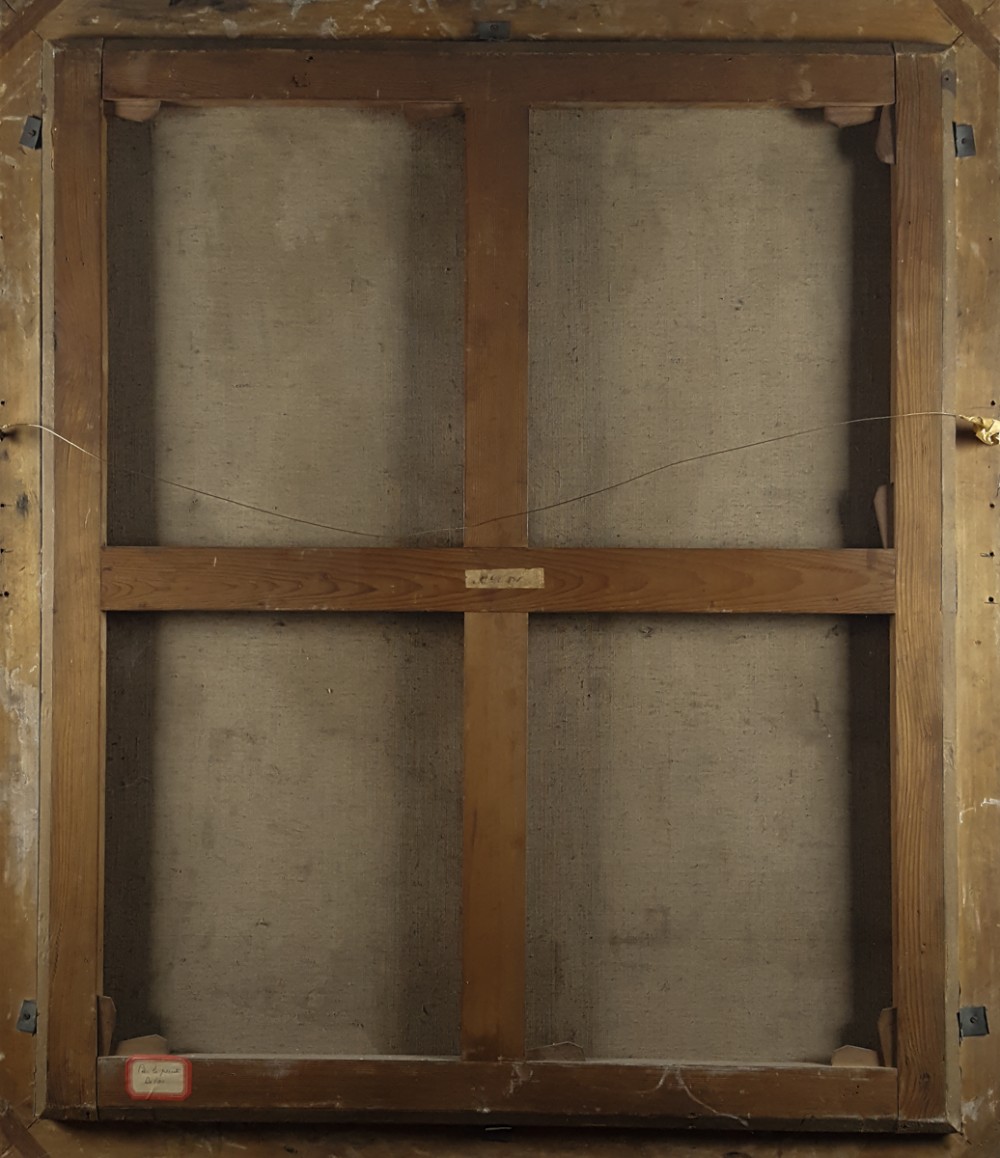
Measurements: Height 129cm, Width 111cm framed (Height 50.75”, Width 43.75” framed)
Titan Fine Art has dated this piece to the 17th Century.
Specialist in 17th & 18thc portraits. Highly curated selection, museum-level research & pro conservation. Exceptional art, expertly vetted.
You can view the stock and full dealer information on the Titan Fine Art Profile Page
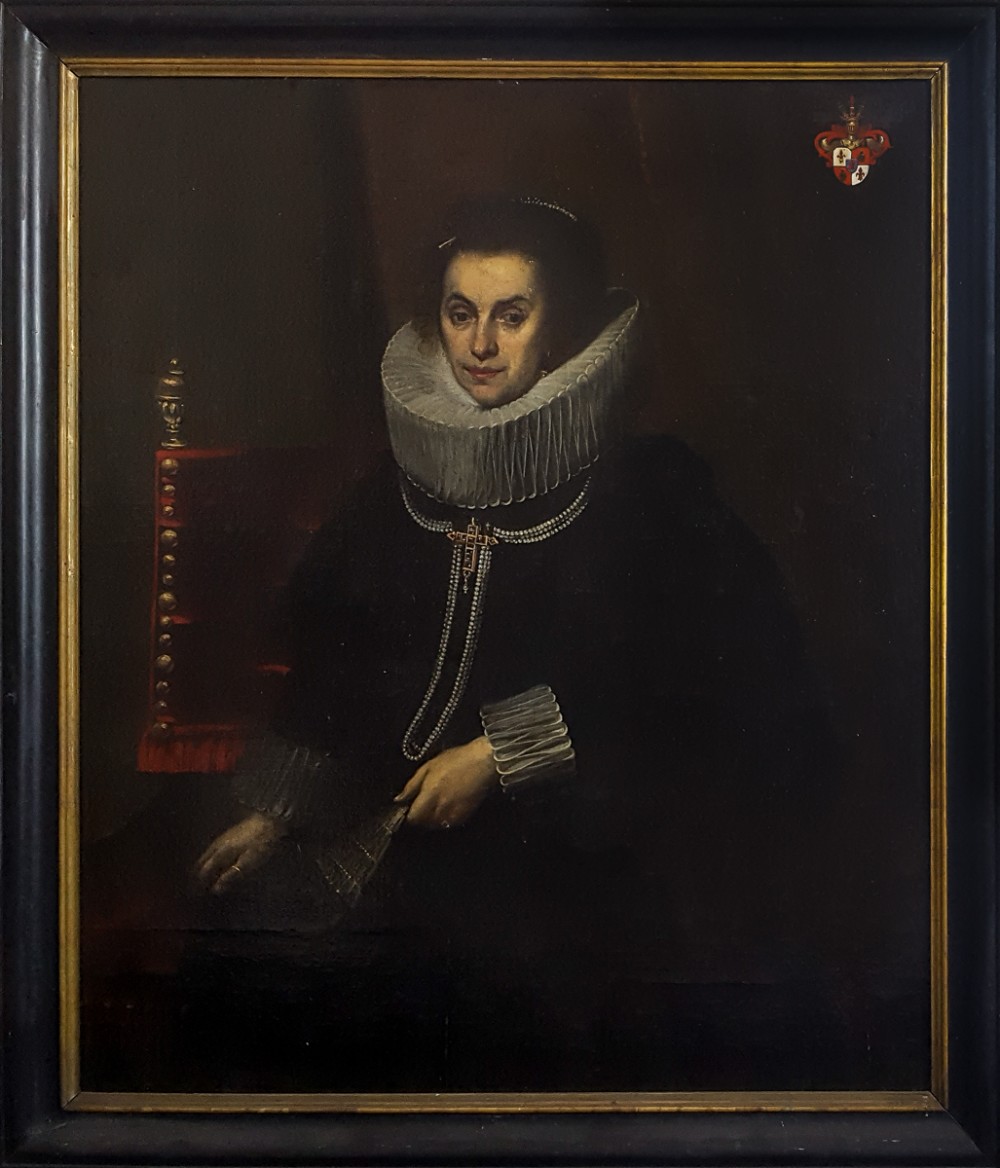
Portrait of a Lady, Flemish C.1620; Circle of Cornelis De Vos (1585-1651), Oil on Canvas