It was listed by Titan Fine Art. Sold pieces stay on Sellingantiques as a record of what has passed through, and the next one is rarely far away.
Titan Fine Art has dated this Antique Oil Painting to the 17th Century.
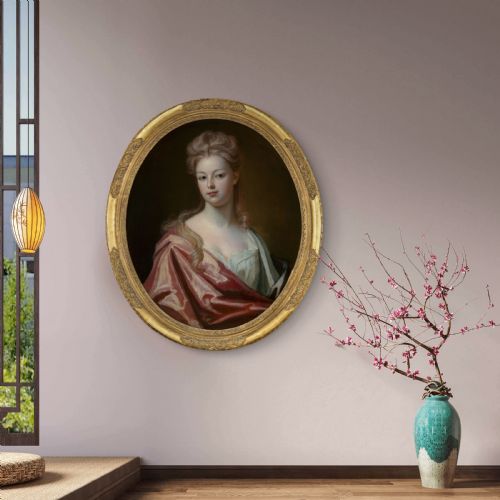
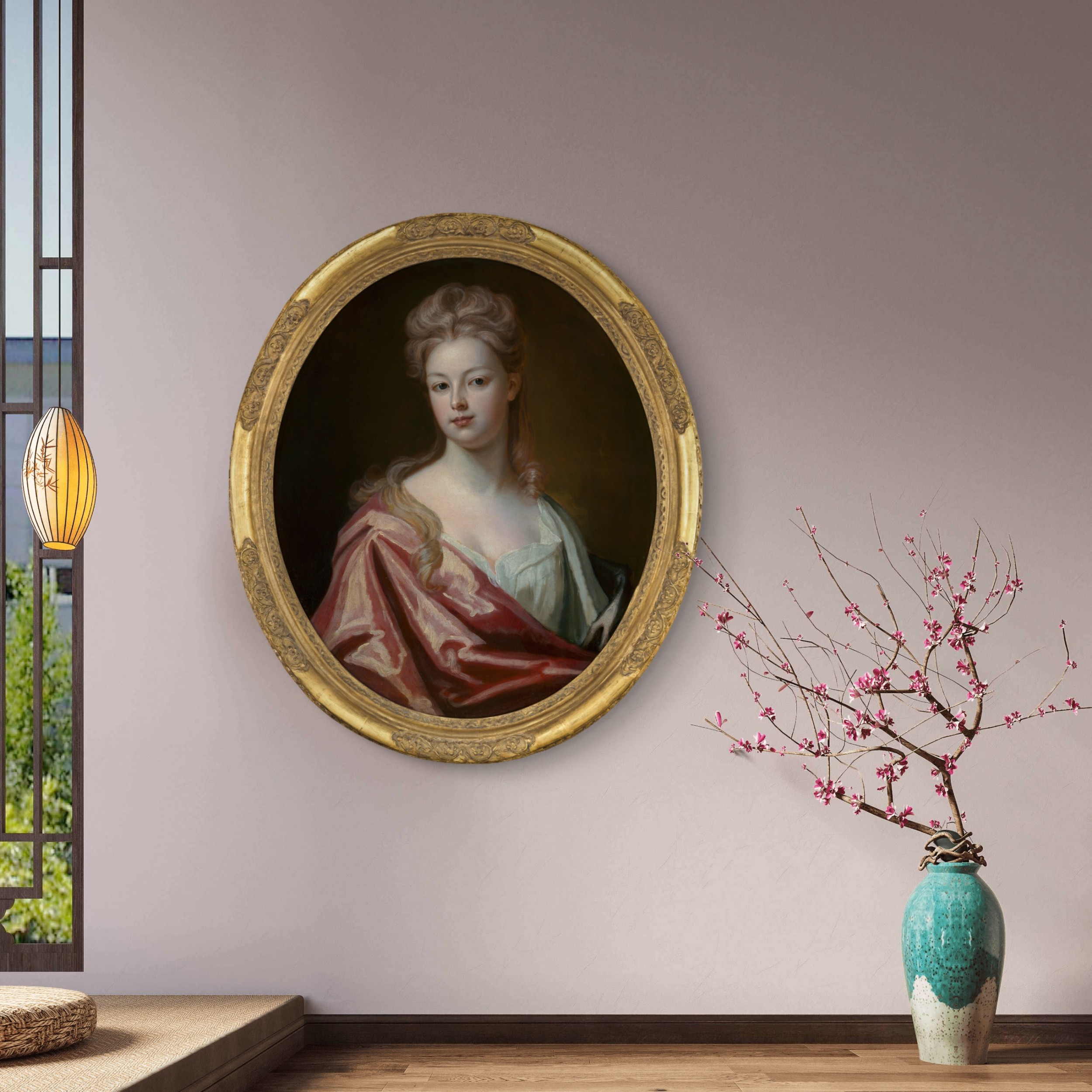
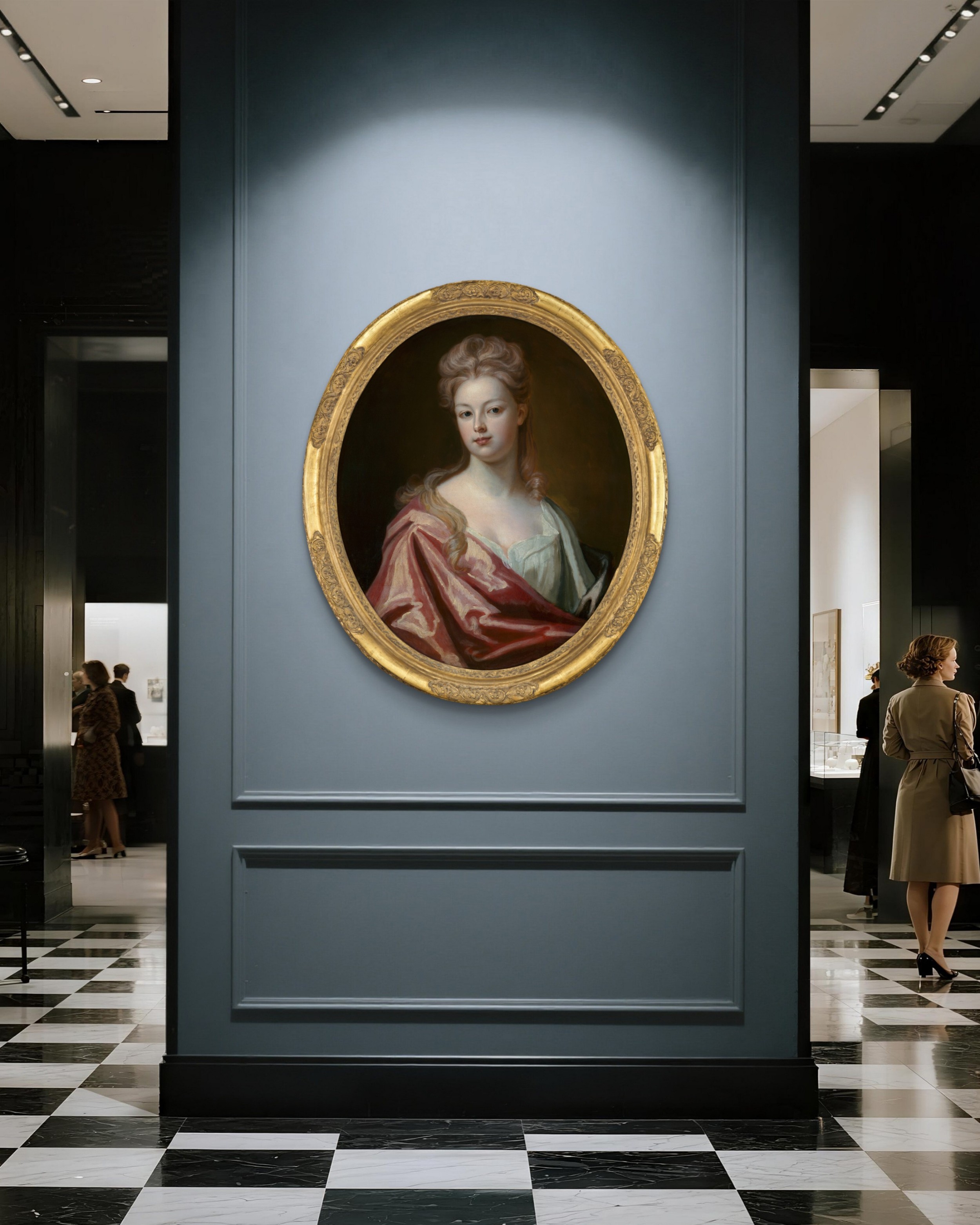
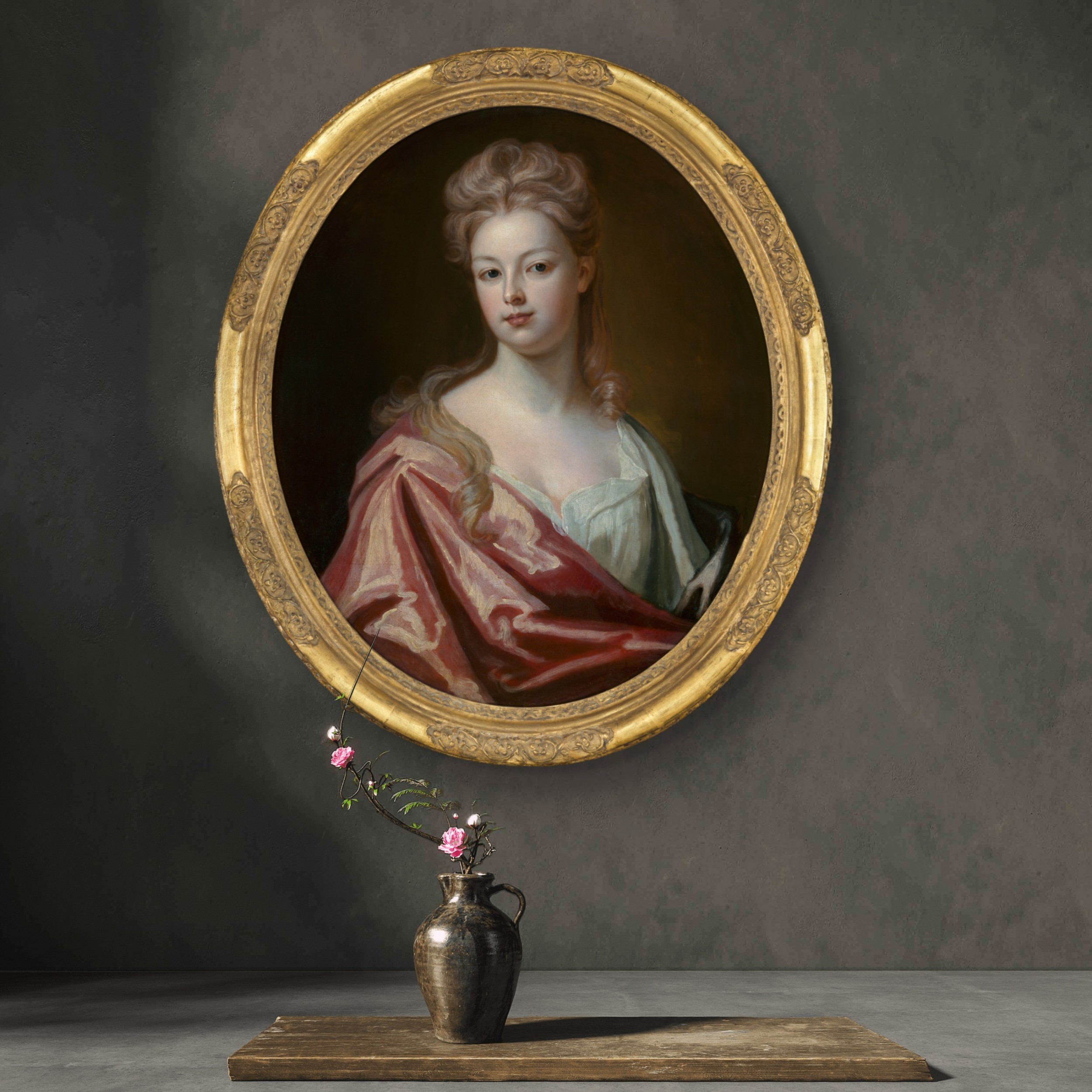
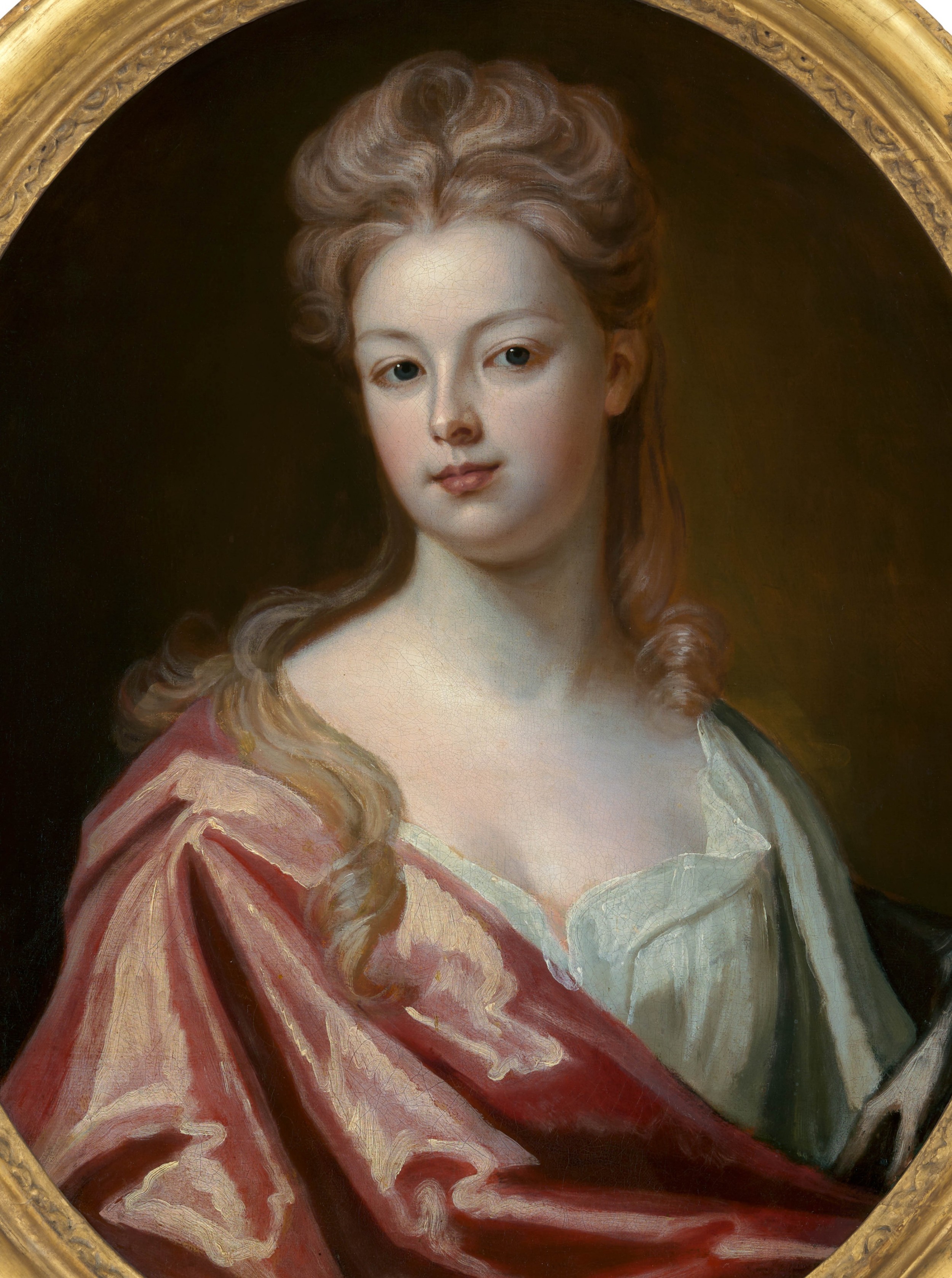
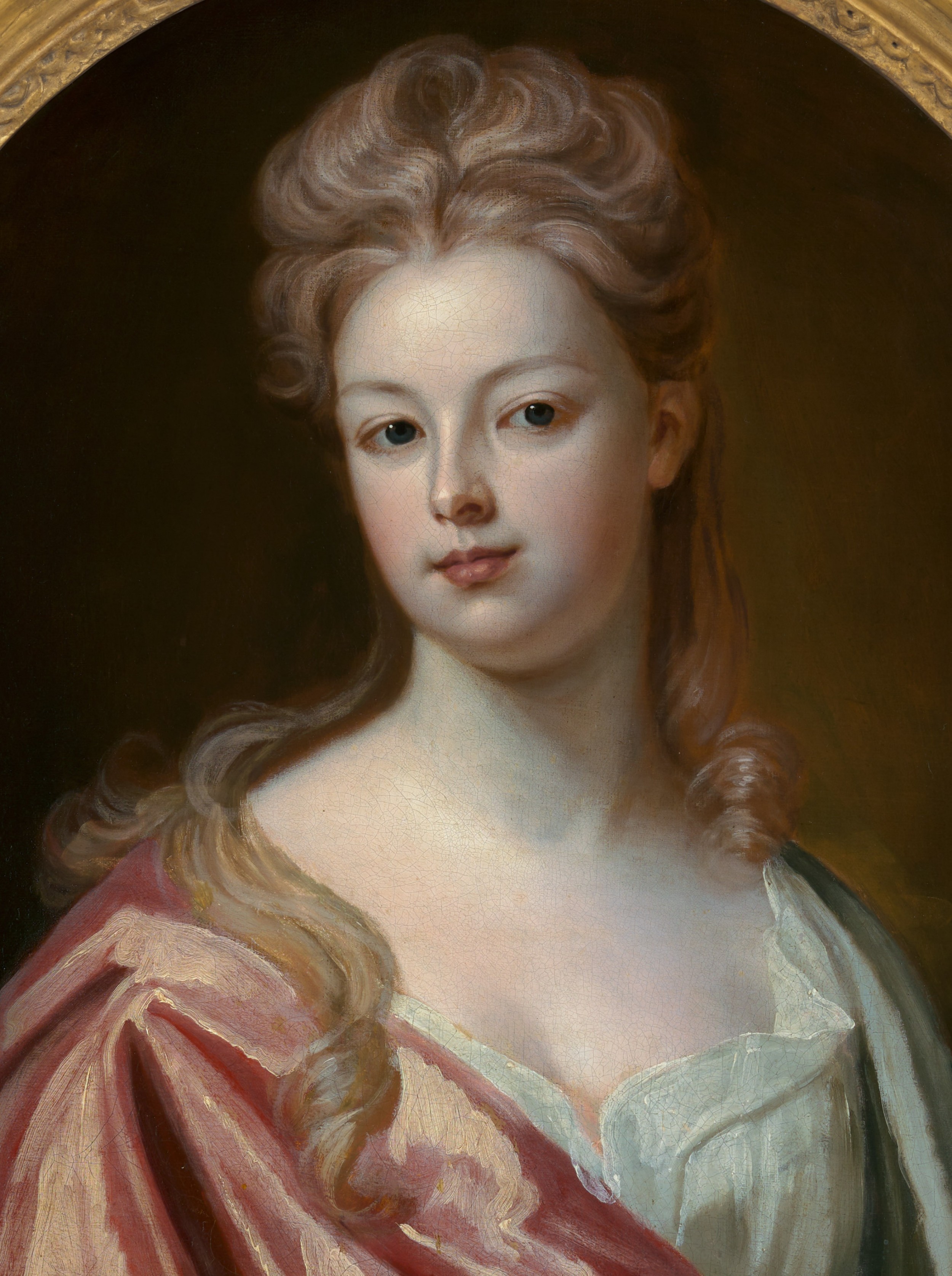
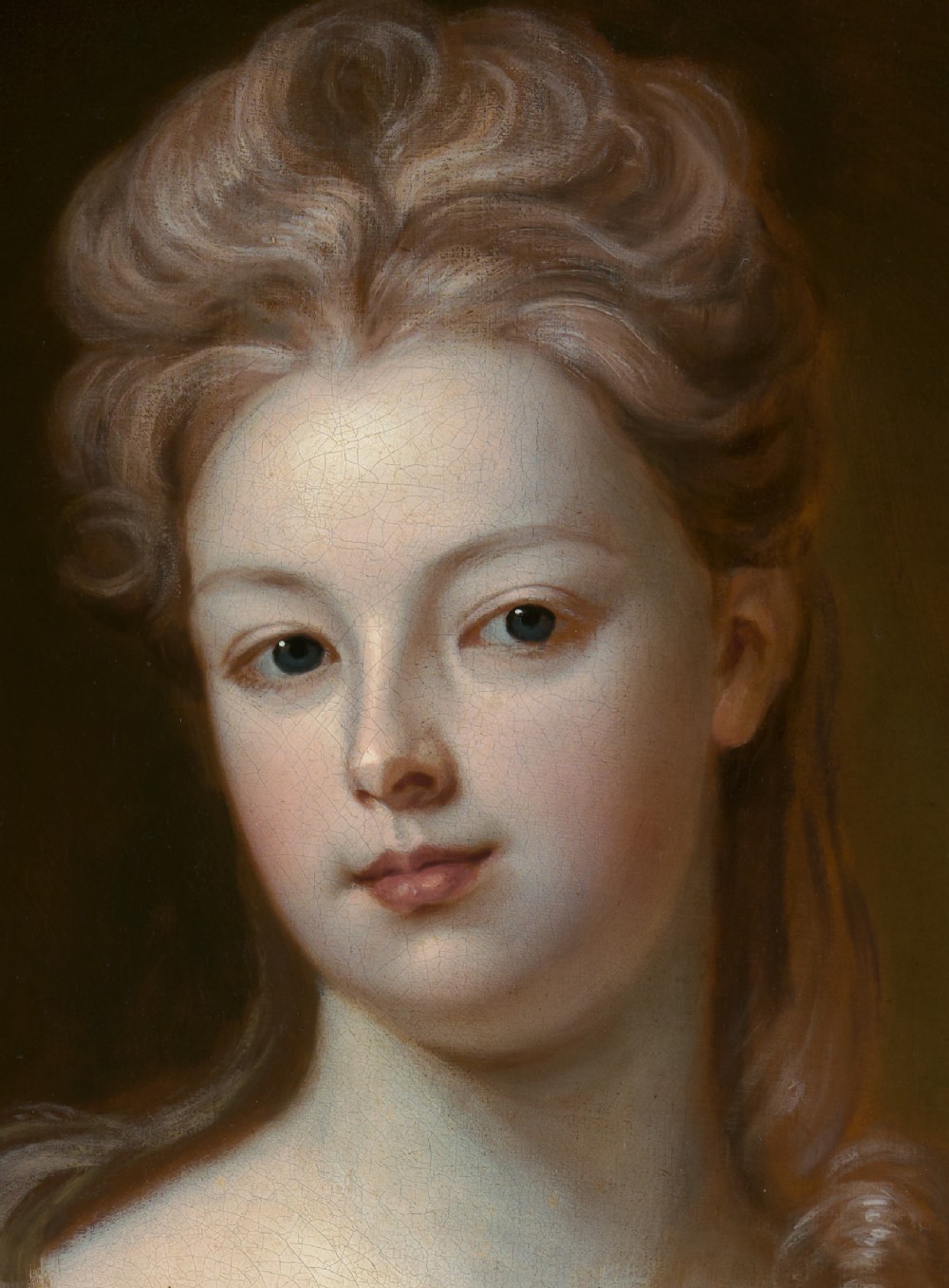
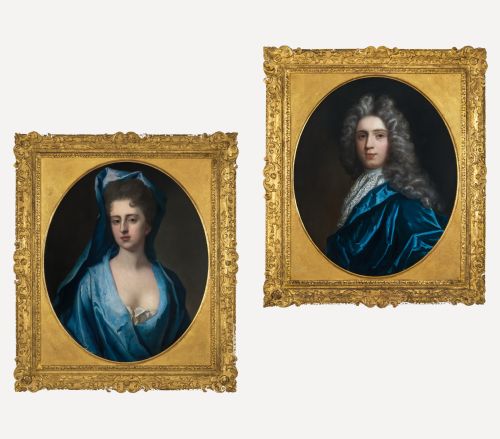
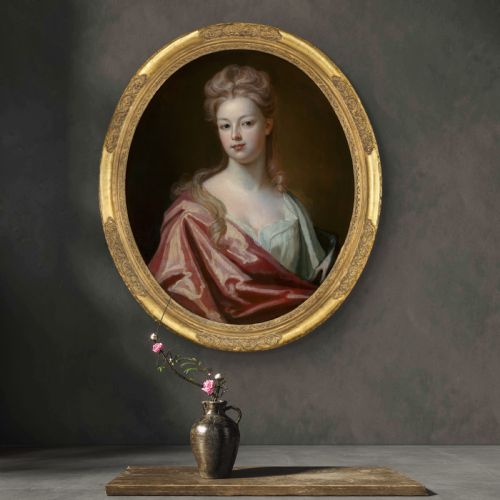
Painted around 1695–1705, and attributed to the Circle of Michael Dahl, this portrait is most plausibly a depiction of Elizabeth Byng (1680–1759), later the wife of Reverend William Wray, Rector of Broad Chalke, Wiltshire. The painting likely marks a key moment in her life—possibly her coming of age, or a betrothal—during a period in England when portraiture served as a statement of social identity, familial pride, and future alliance.
Elizabeth was born into a distinguished and intellectually engaged family.
But it was through her brothers—Robert Byng (1666–1720) and Edward Byng (c.1676–1753)—that Elizabeth stood at the very heart of the English artistic world.
Both Robert and Edward were active in the vibrant portrait scene of late seventeenth-century London. Edward, in particular, became the chief assistant to Sir Godfrey Kneller, England’s leading Baroque portraitist and Principal Painter to the Crown. Edward Byng lived in Kneller’s house on Great Queen Street and, upon Kneller’s death in 1723, was entrusted with all his drawings and unfinished works. Many of these he completed himself—receiving the remaining fees owed to the master—evidence of both technical skill and professional esteem. Edward’s numerous sketchbooks and drawings, many now housed in the British Museum, form one of the richest surviving visual archives of the age. It is possible that this portrait of his sister was painted within that circle—conceivably even as a collaborative work between Edward and another hand from Kneller or Dahl’s studio.
In 1711, Elizabeth married Rev. William Wray and the couple had at least six children.
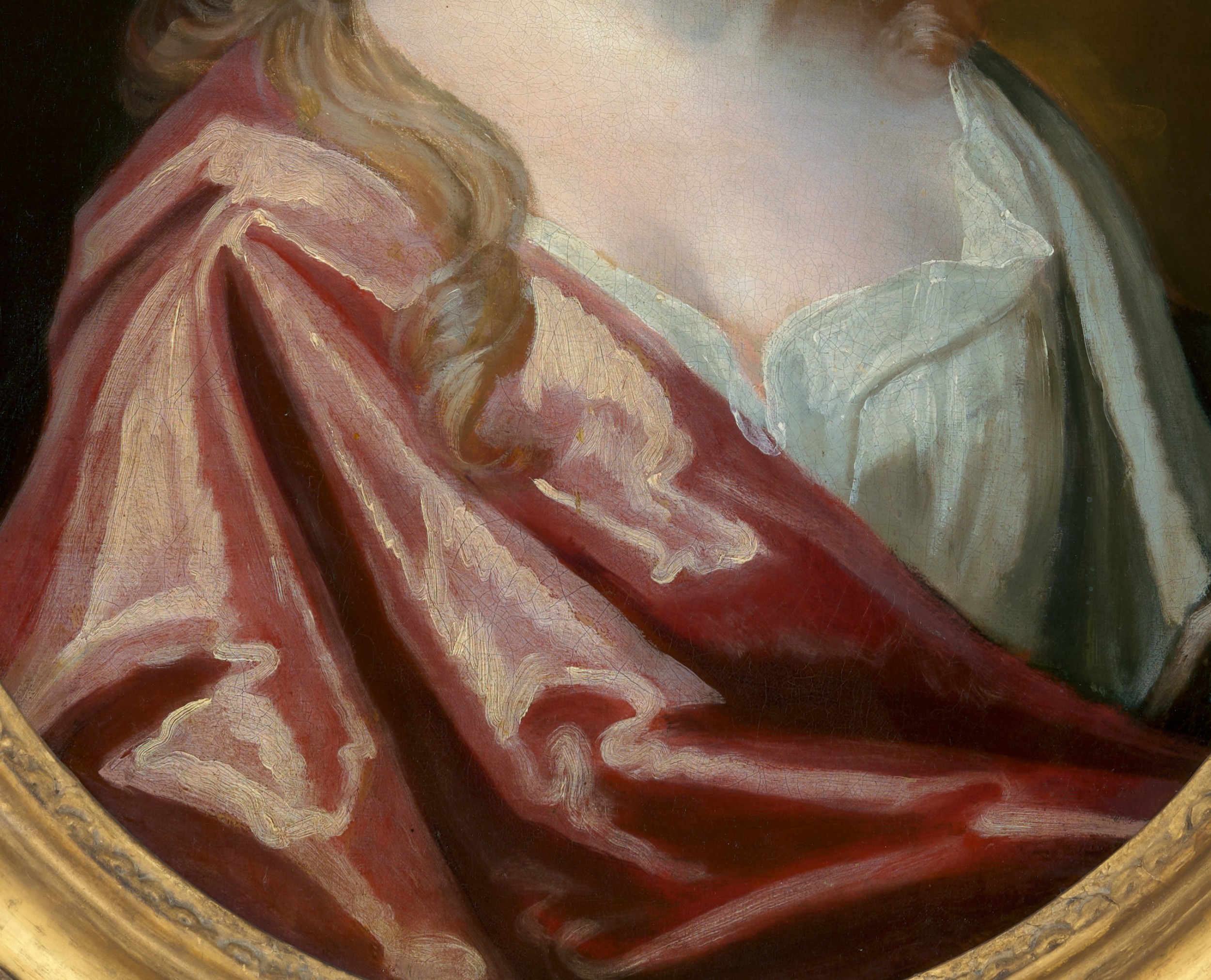
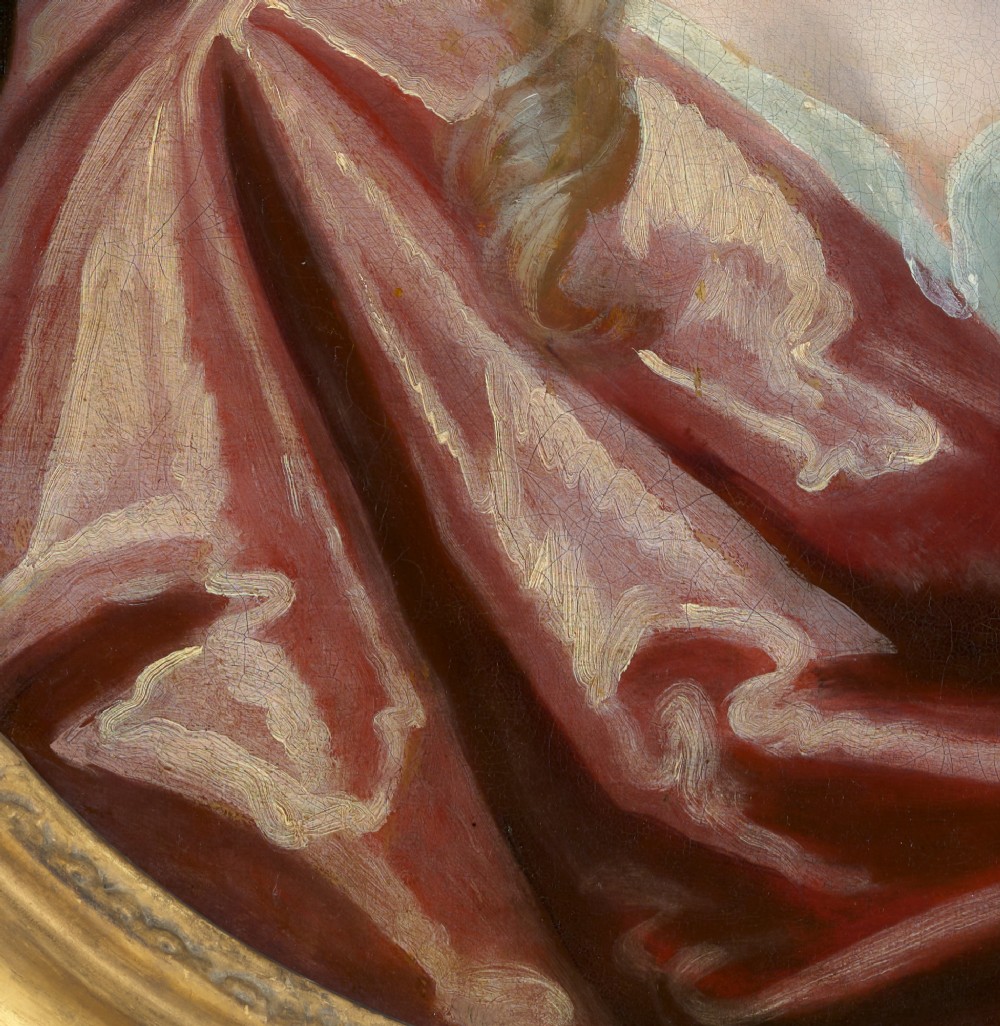
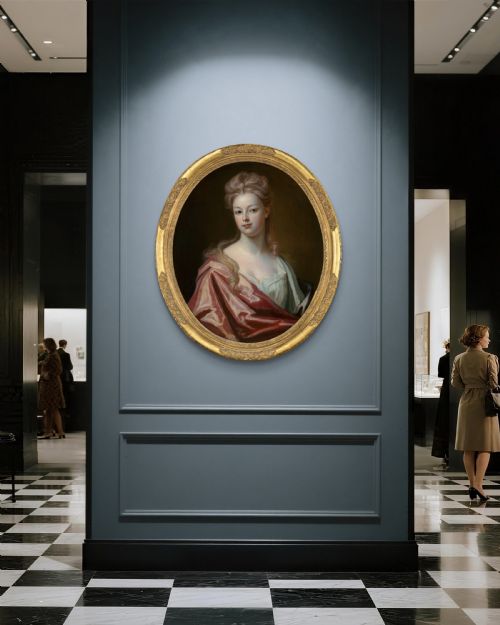
The portrait's attribution to the Circle of Michael Dahl (1659–1743) is supported by its oval format, the sitter’s idealised features, and the delicate modelling of light across her face and drapery.
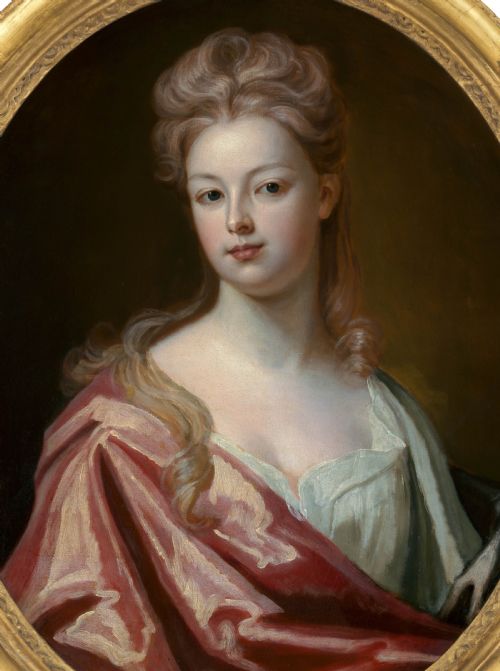
Notably, the painting survives in exceptional condition. The surface retains its original tonal range and refinement with only the most minimal intervention over time. There is no evidence of heavy retouching or overpainting—allowing the artist’s hand and the sitter’s character to remain remarkably intact. Few works of this period reach us with such clarity of execution and purity of surface.
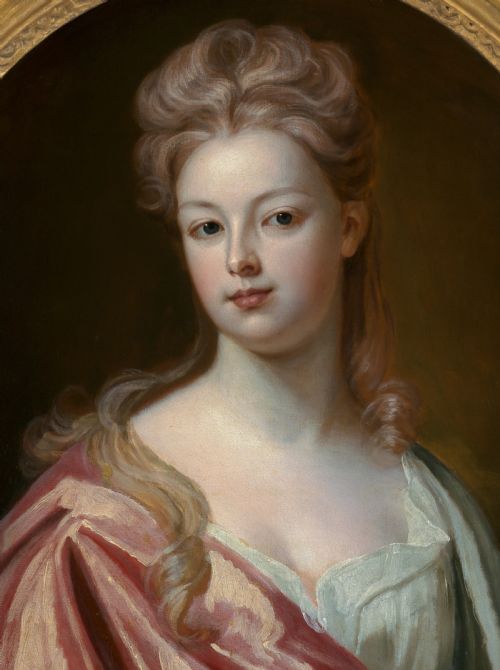
Set against the backdrop of England’s post-Glorious Revolution stability and cultural flowering, the portrait reflects a world in which aristocratic and gentry families commissioned likenesses not only to assert social standing, but to anchor personal memory and familial continuity. Painted at a time when England was transitioning from the final Stuart monarchs into a new Hanoverian age, this work offers a window into the domestic and cultural life of the landed professional class in early 18th-century England.
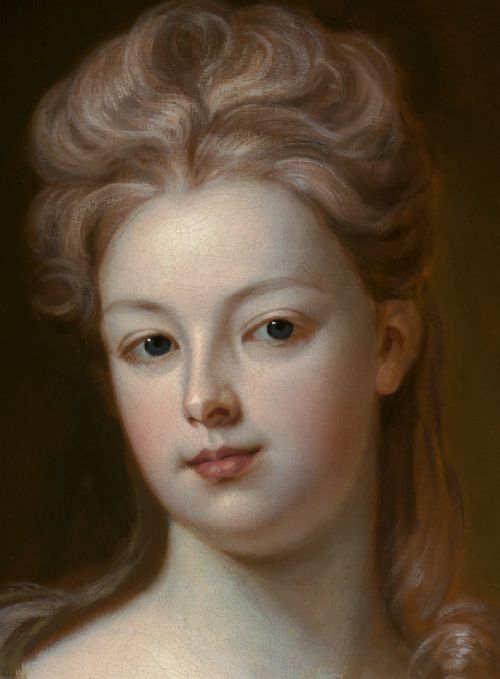
Preserved in a fine carved and gilded oval frame, richly adorned with stylised foliage. Both intimate and stately, the portrait offers collectors a rare convergence of artistic pedigree and enduring visual charm.
Titan Fine Art has dated this Antique Oil Painting to the 17th Century.
Specialist in 17th & 18thc portraits. Highly curated selection, museum-level research & pro conservation. Exceptional art, expertly vetted.
You can view the stock and full dealer information on the Titan Fine Art Profile Page
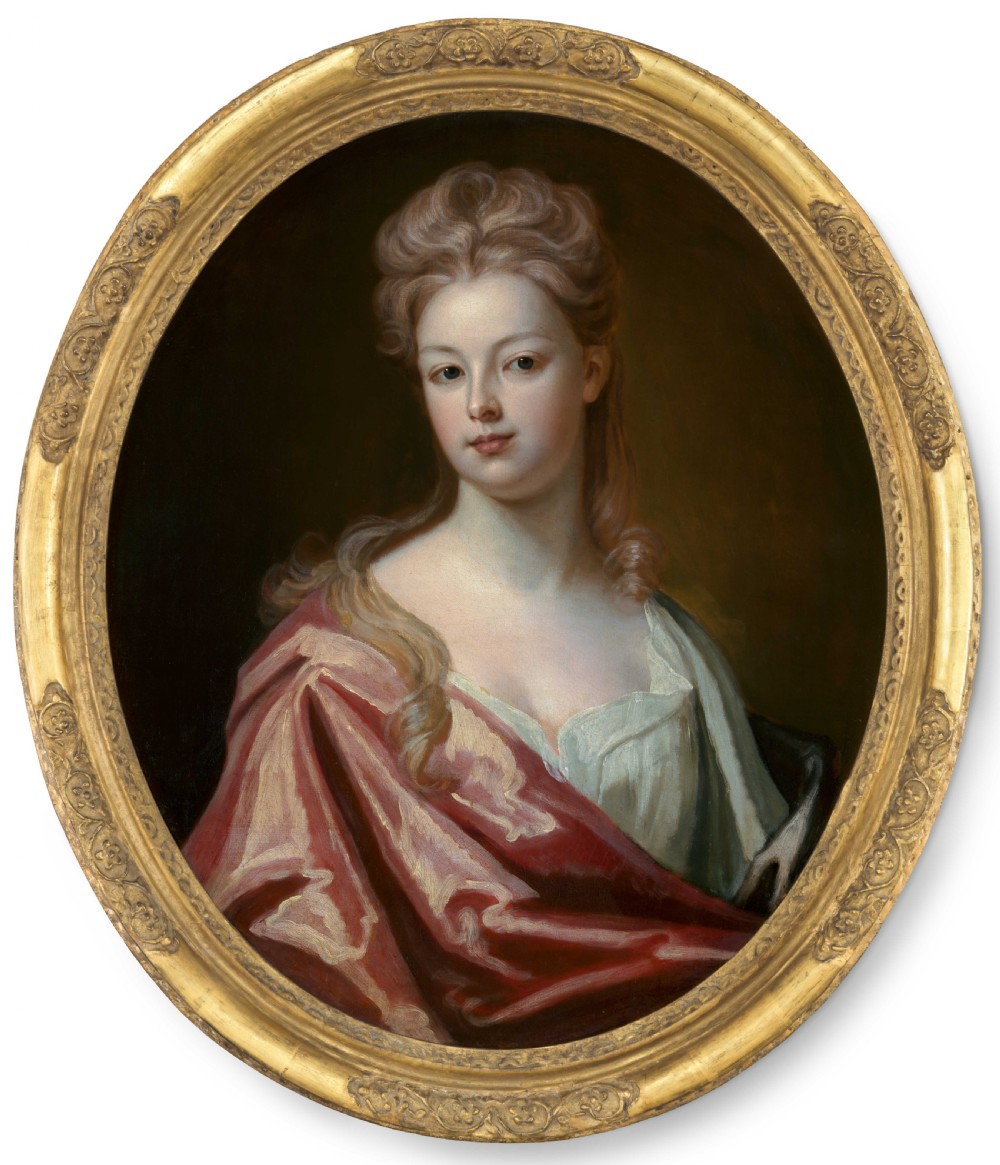
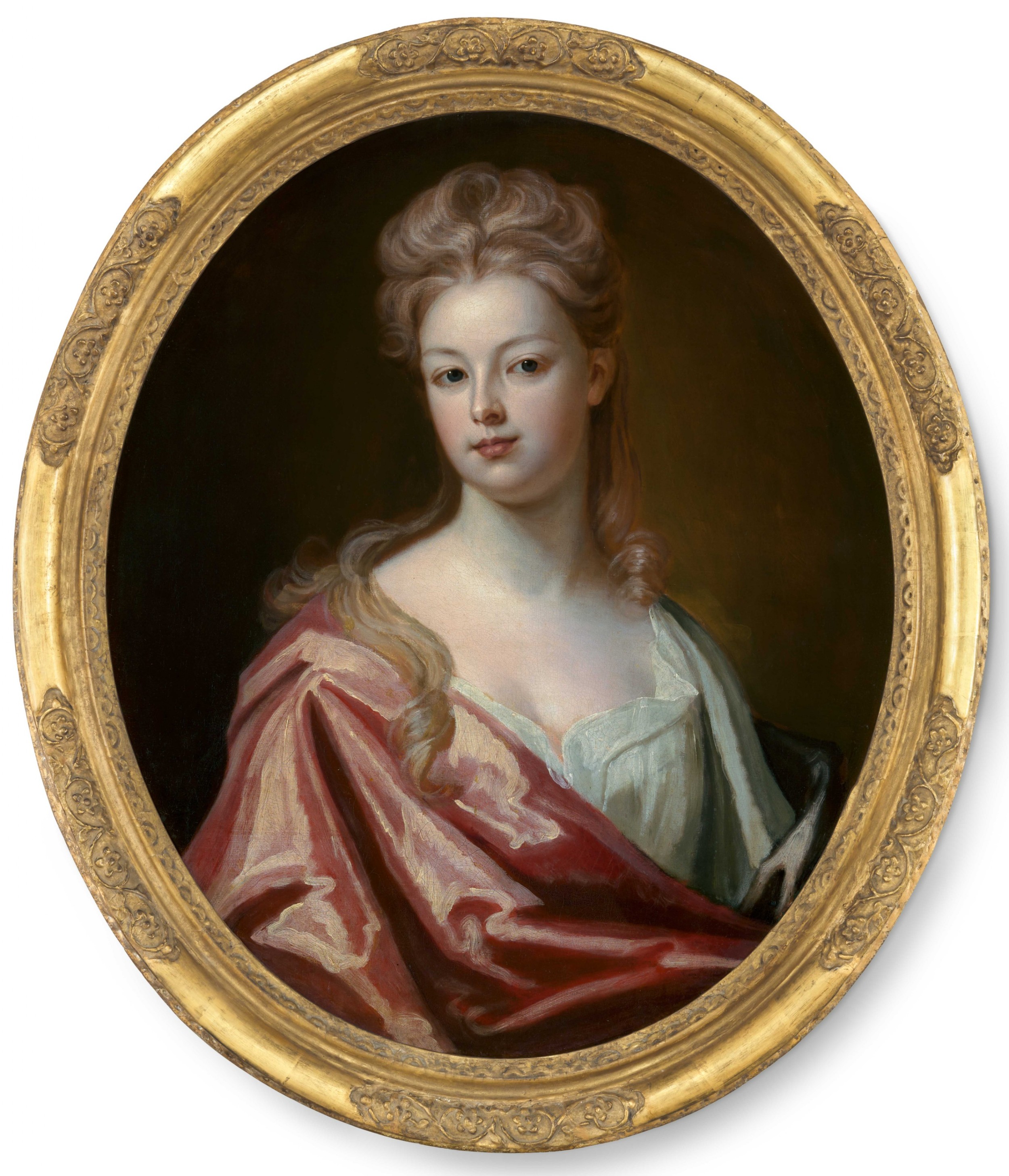
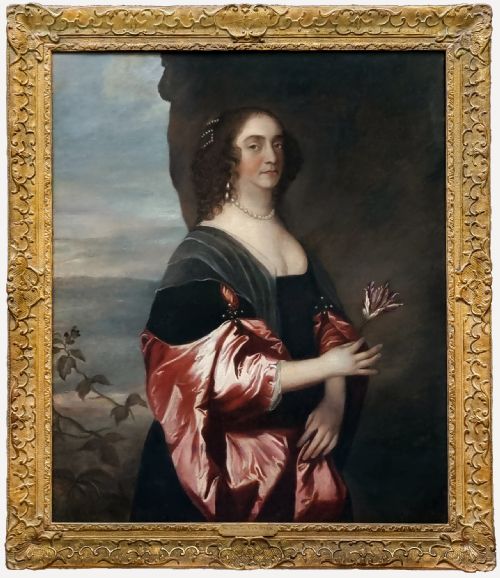
Portrait of a Lady, Elizabeth Wray in a Silk Dress & Pink Wrap C.1698; Circle of Michael Dahl, Oil on Canvas