27,279  PAGES BROWSED TODAY PAGES TODAY • 105 ANTIQUES UPLOADED TODAYNEW ARRIVALS
GIFTS
105 ITEMS ADDED TODAY
Sort Order
Items Per Page
Antiques dealer?
Join as a Seller
Browse Categories
Sort order
Relevant Links
Items per page
sold SA1139724
Sorry, but this item has been sold.
Regent Antiques

Regent Antiques

Sellingantiques Verified Since Sep 2016
Browse dealers 639 items
  • About Us
    We specialise in english and continental furniture, silver, porcelain and decorative items.
  • Trade Associations
    Regent Antiques is a registered member of LAPADA  CINOA
Id #SA1139724
SHARE
SAVE

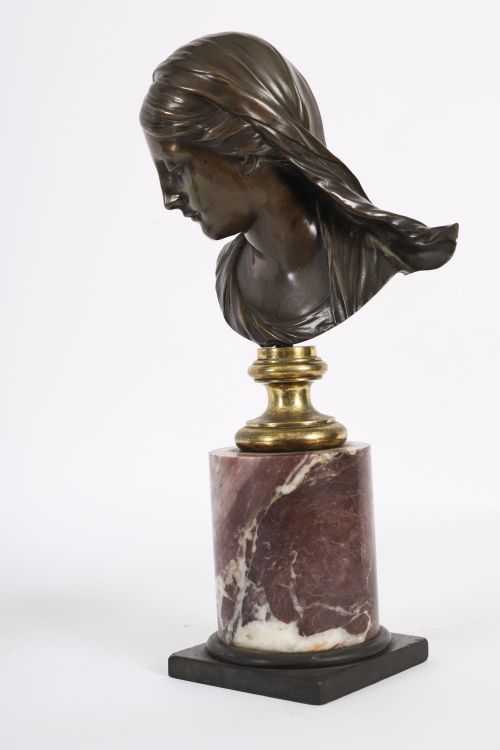
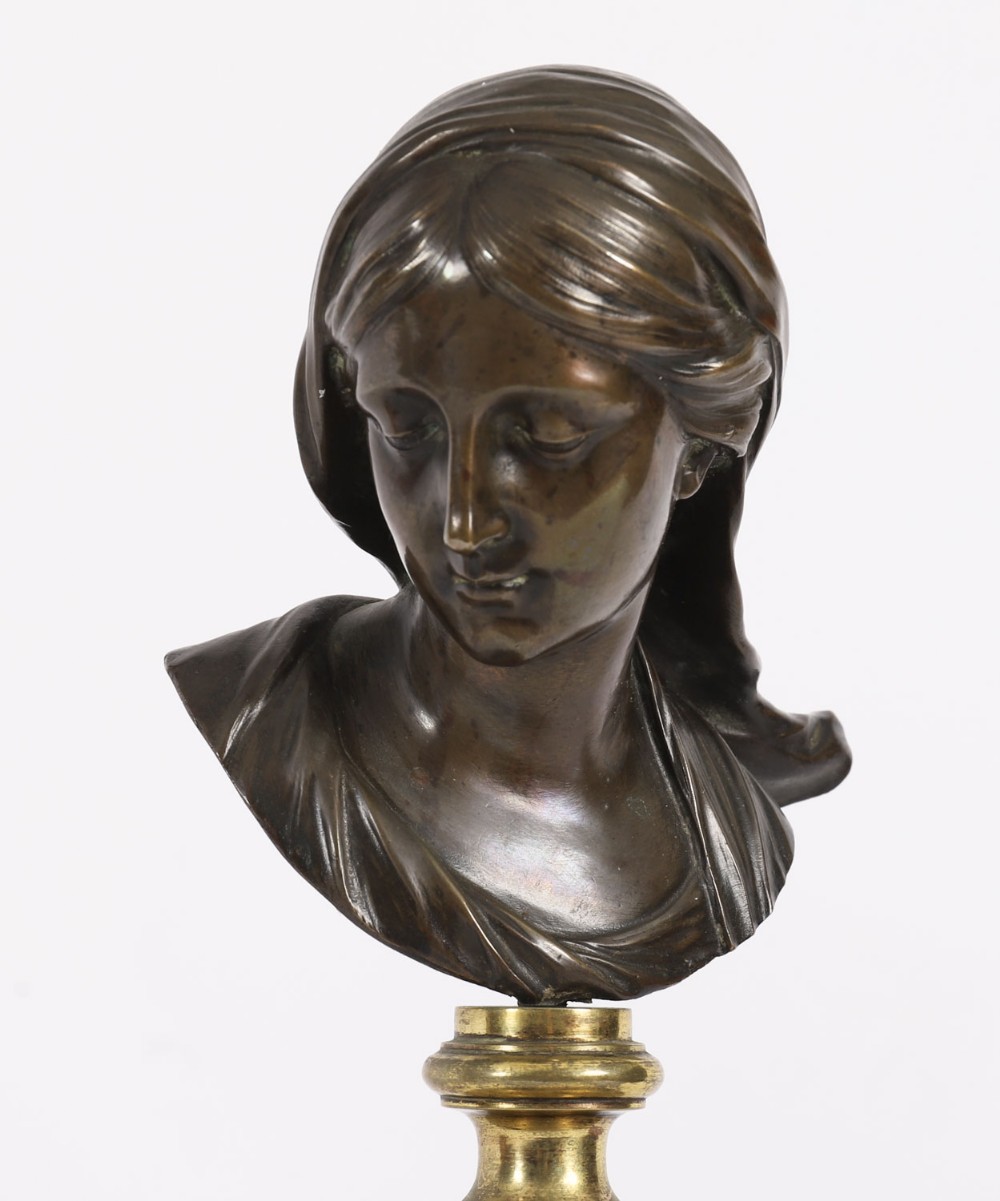
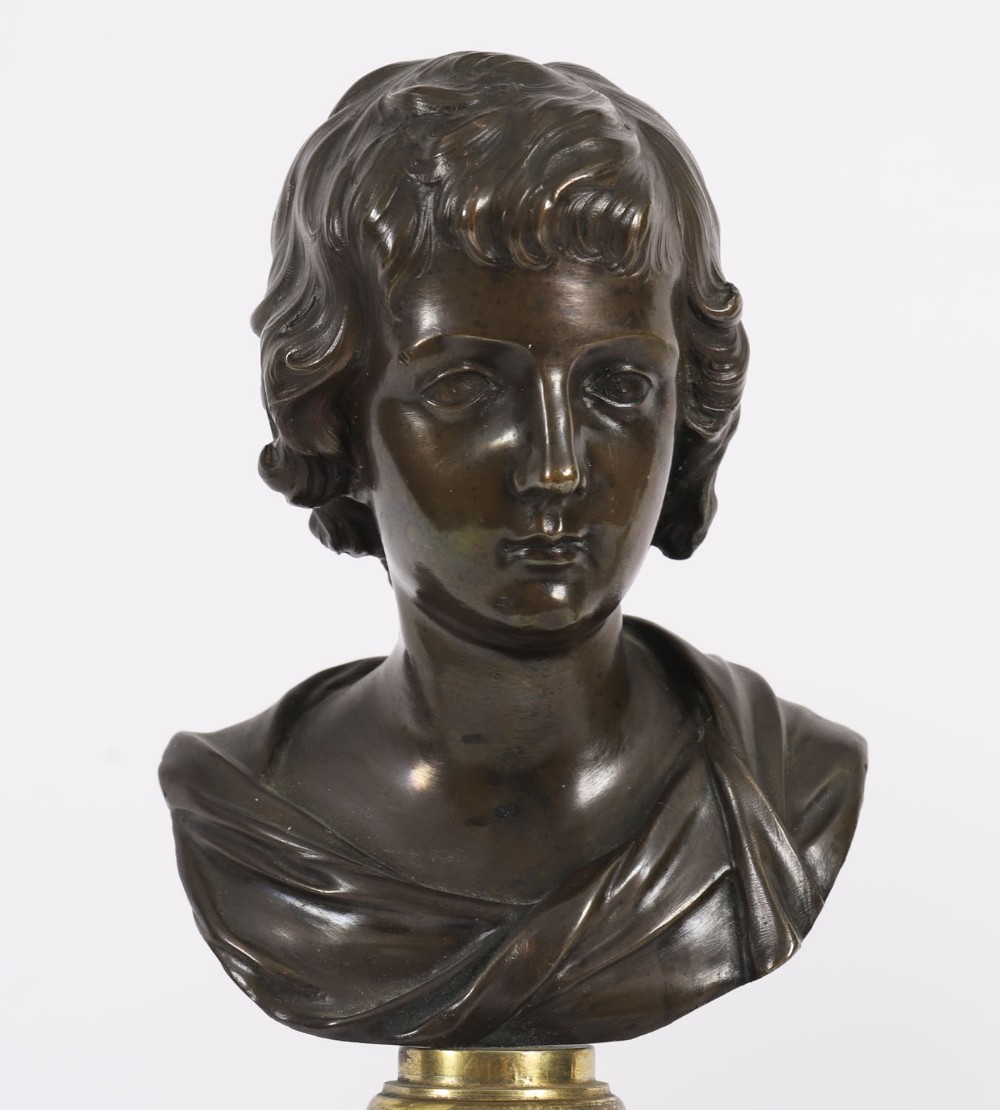
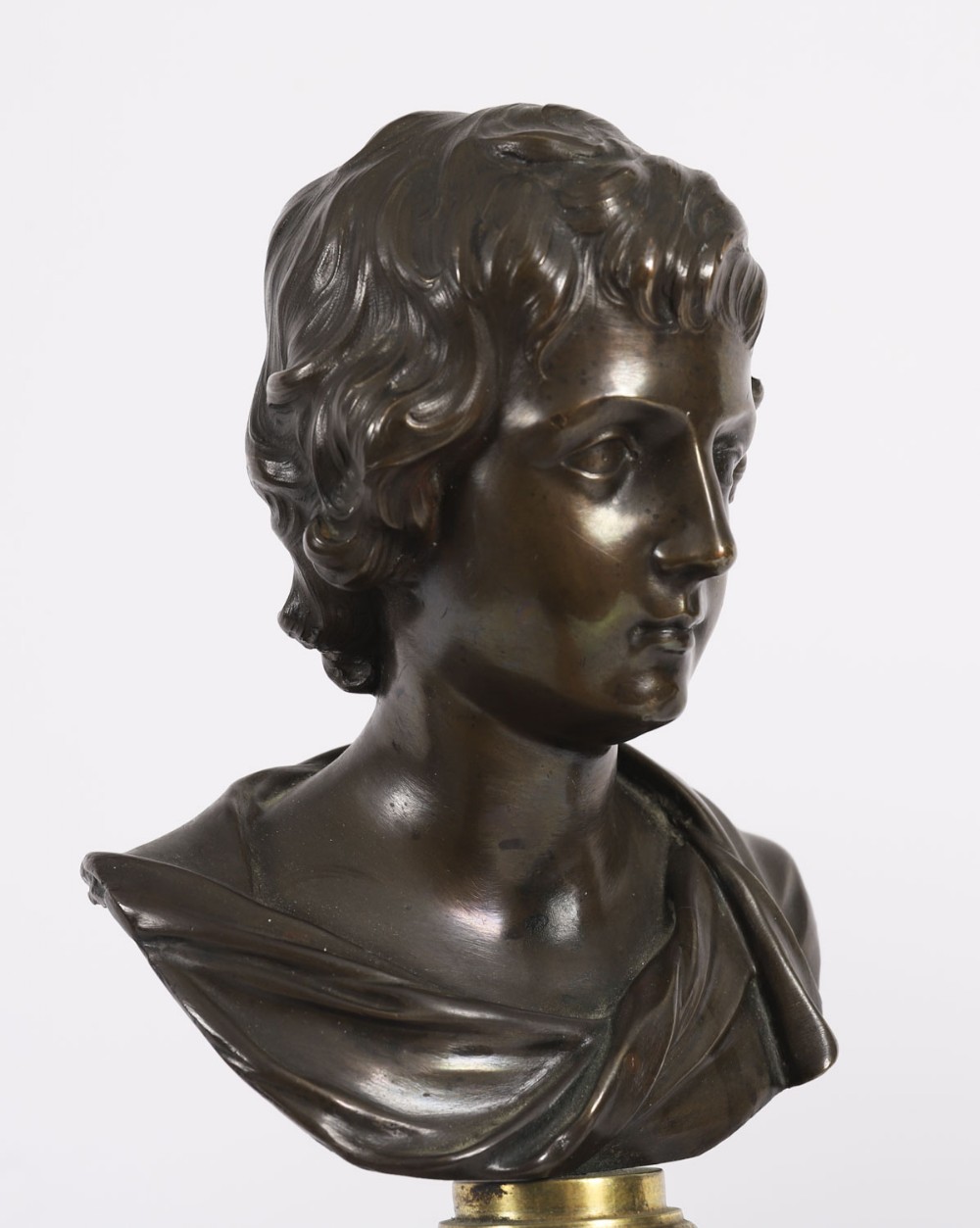
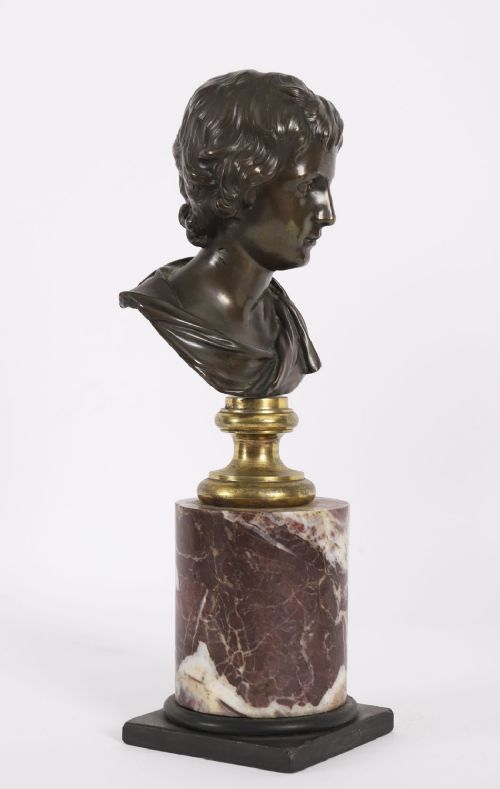
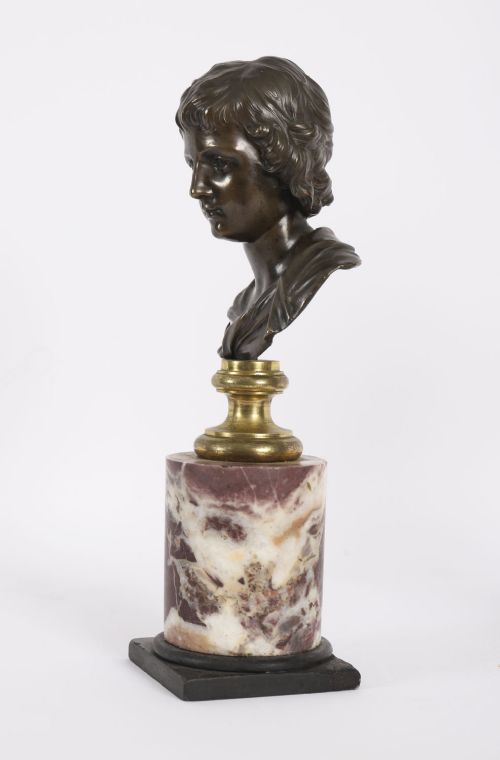
Antique Pair Italian Bronze Busts of Dionysus and Ariadne 19th Century

19th century
Sold 11 November 2025 · Regent Antiques
This “Antique Pair Italian Bronze Busts of Dionysus and Ariadne 19th Century” found a buyer.

It was listed by Regent Antiques. Sold pieces stay on Sellingantiques as a record of what has passed through, and the next one is rarely far away.

Description

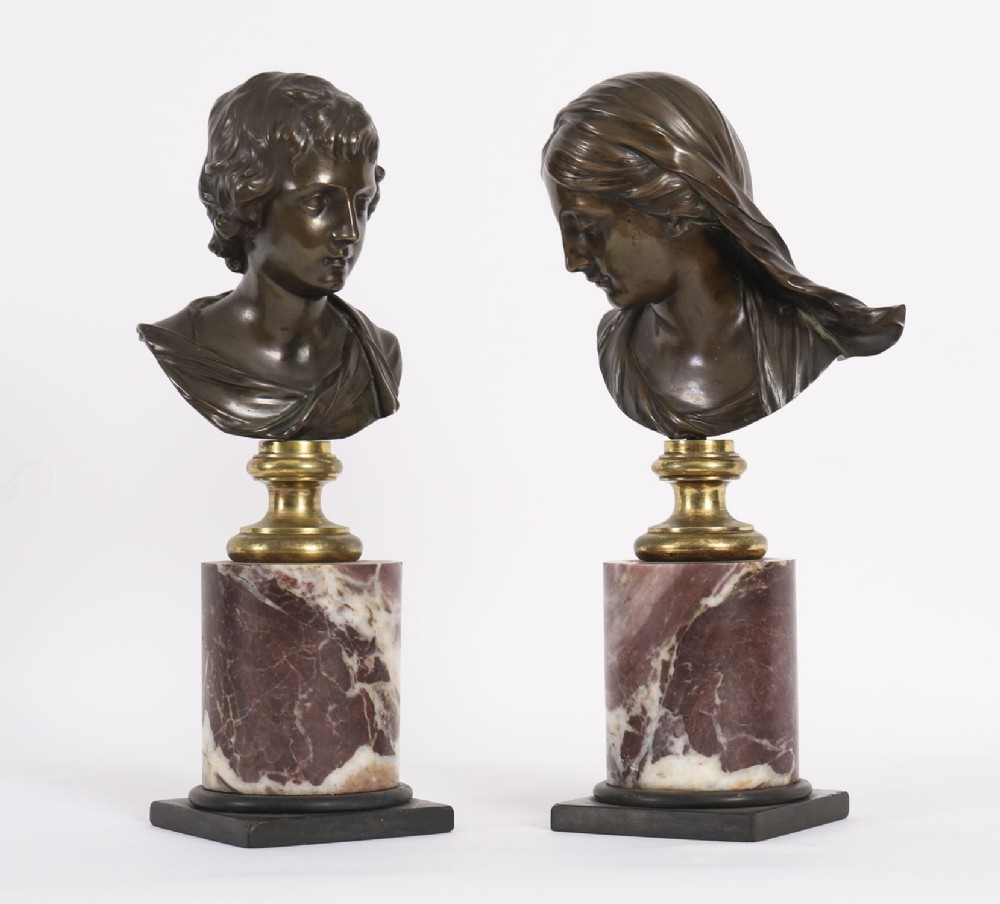
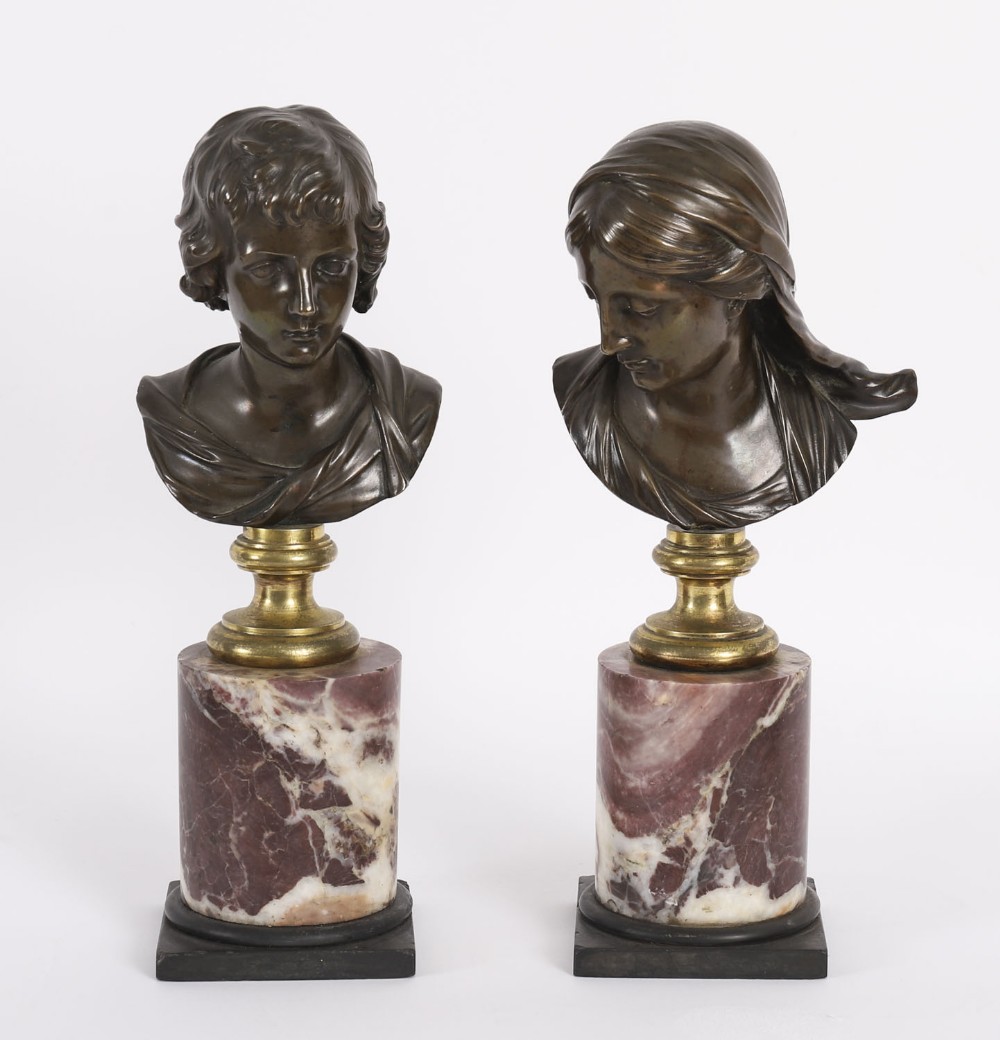
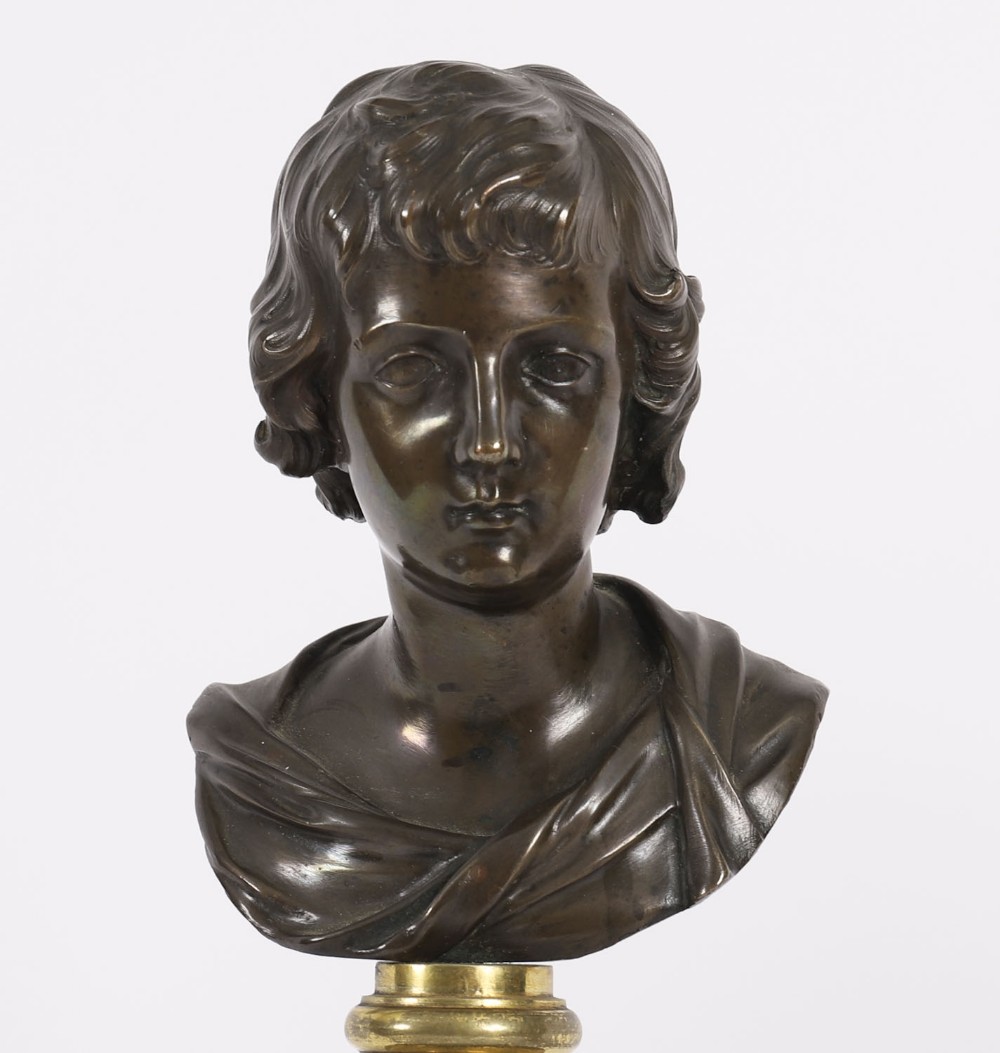
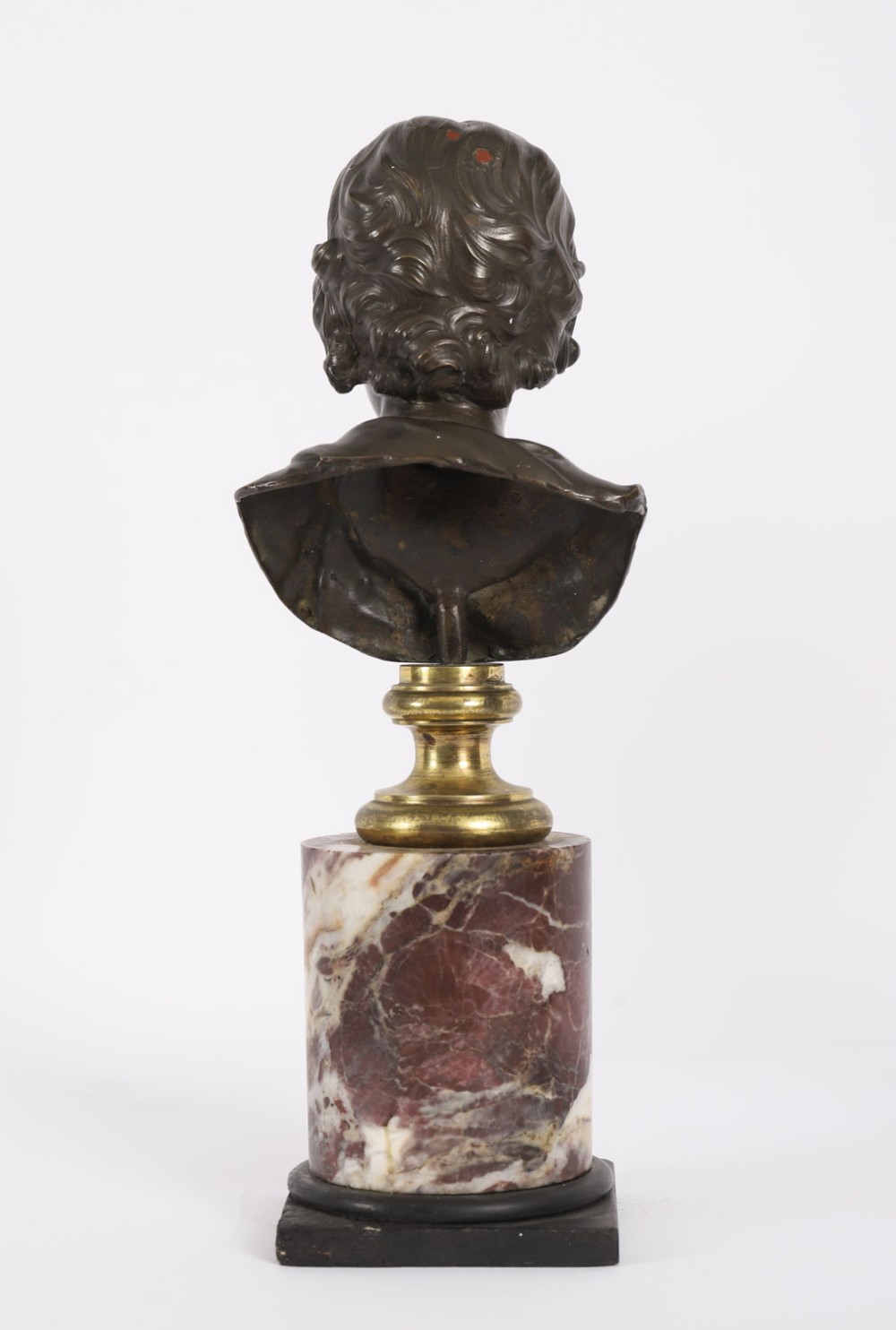
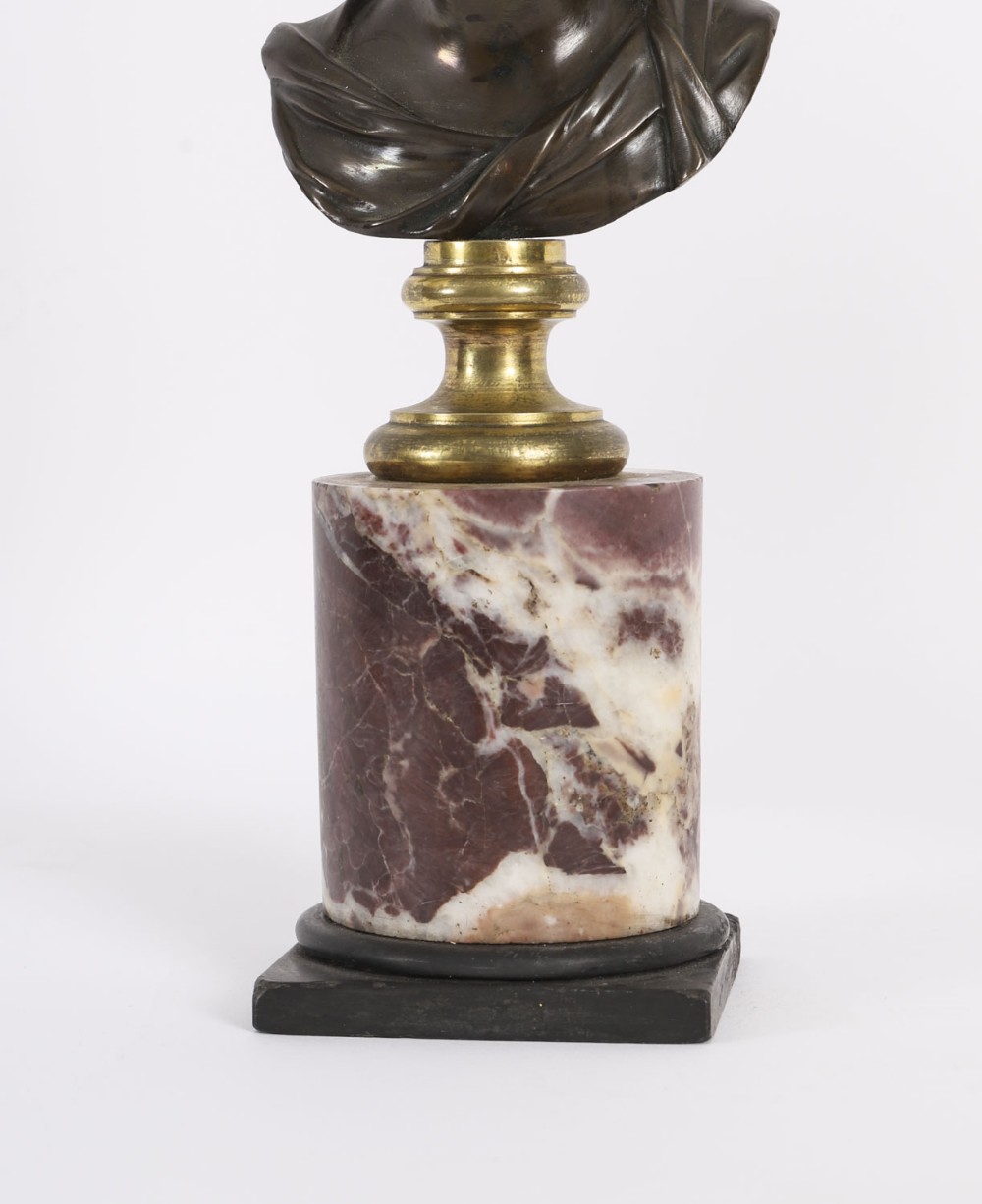
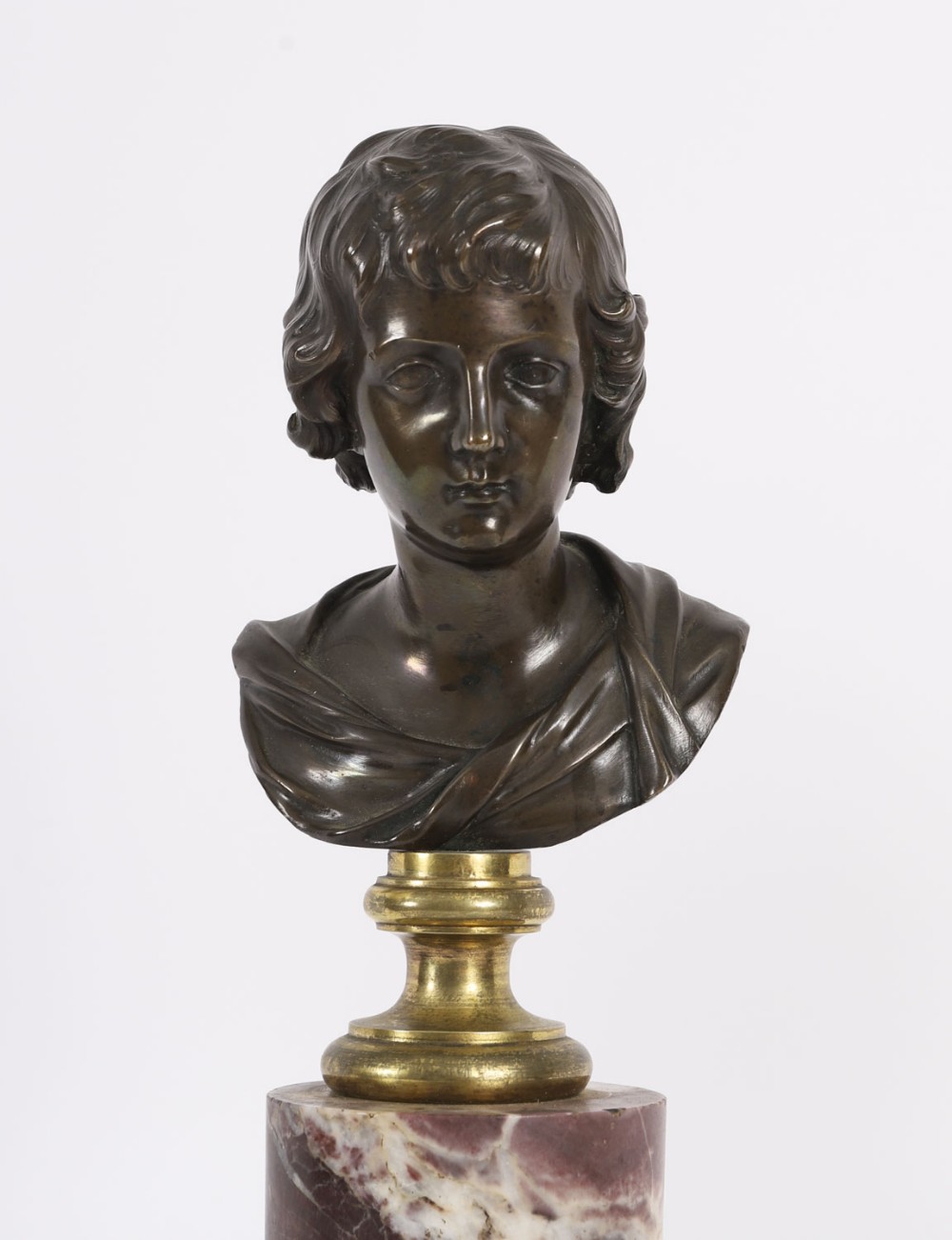
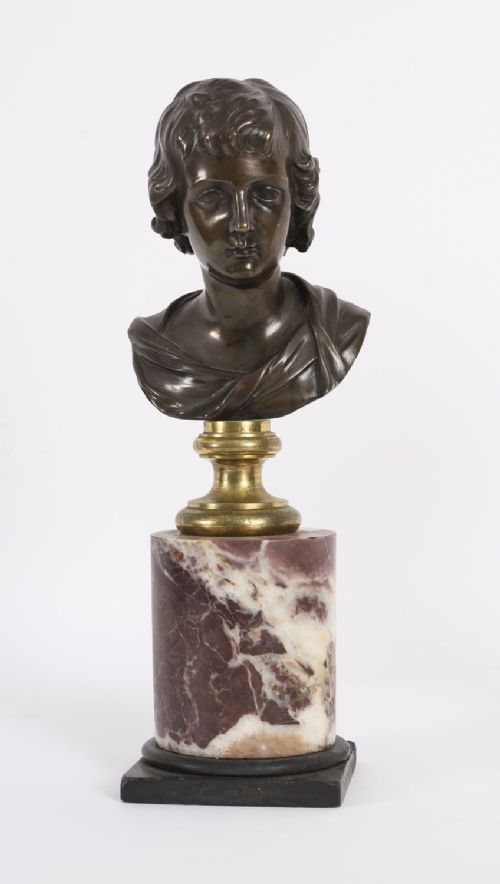
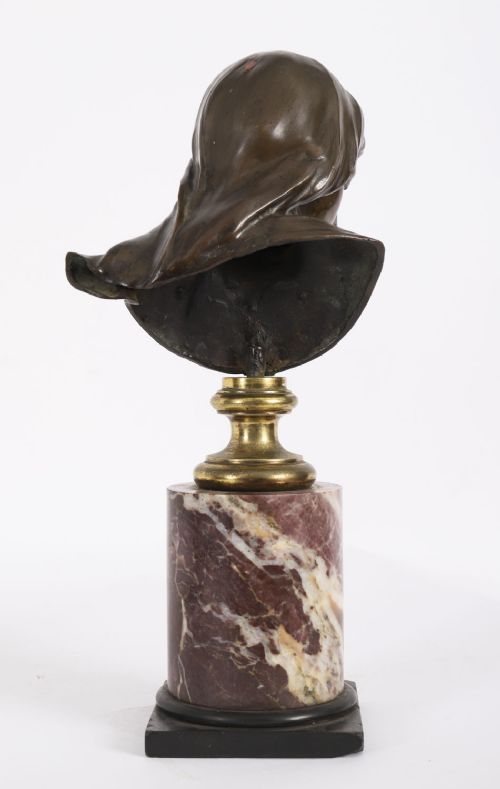
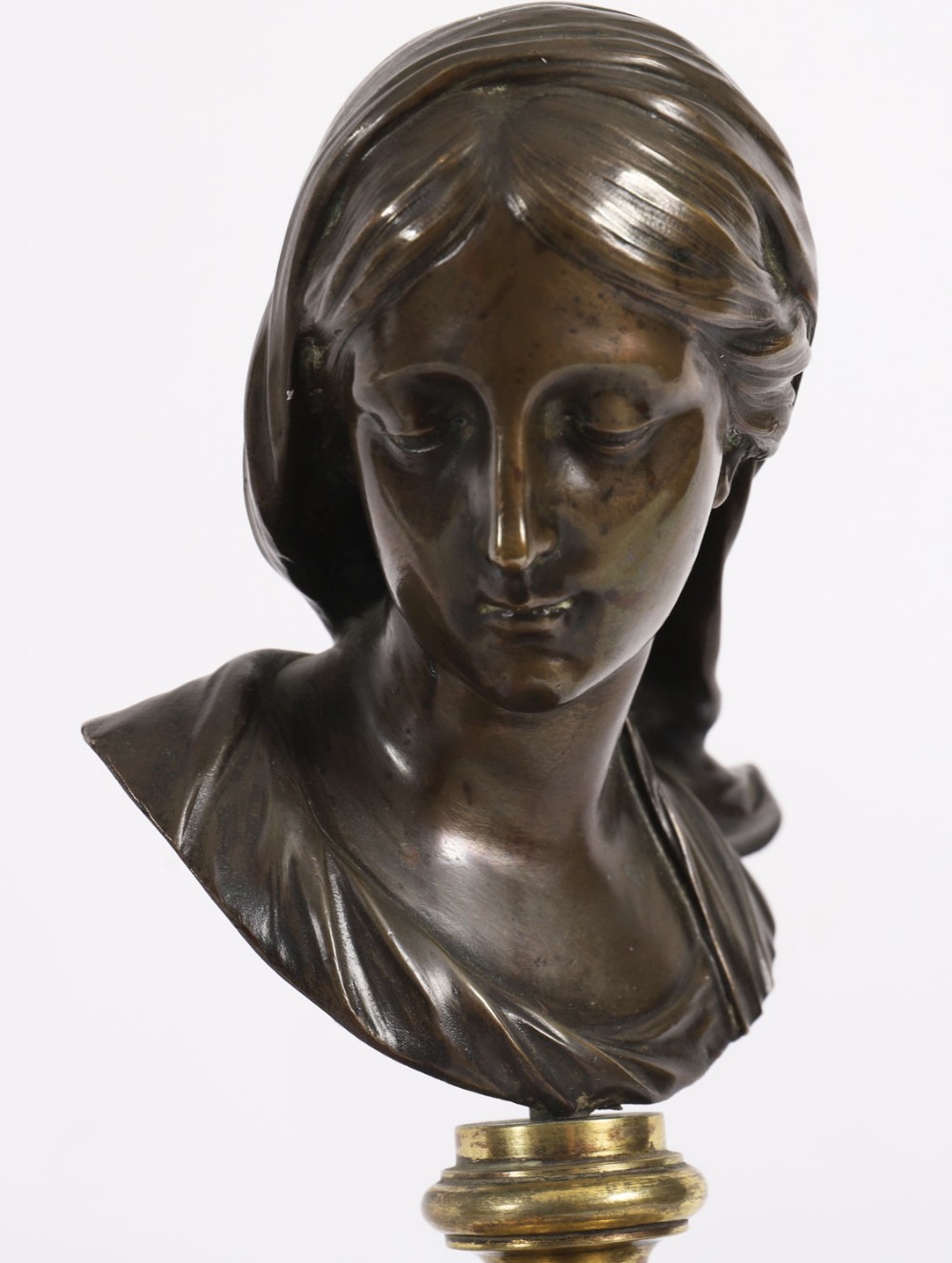
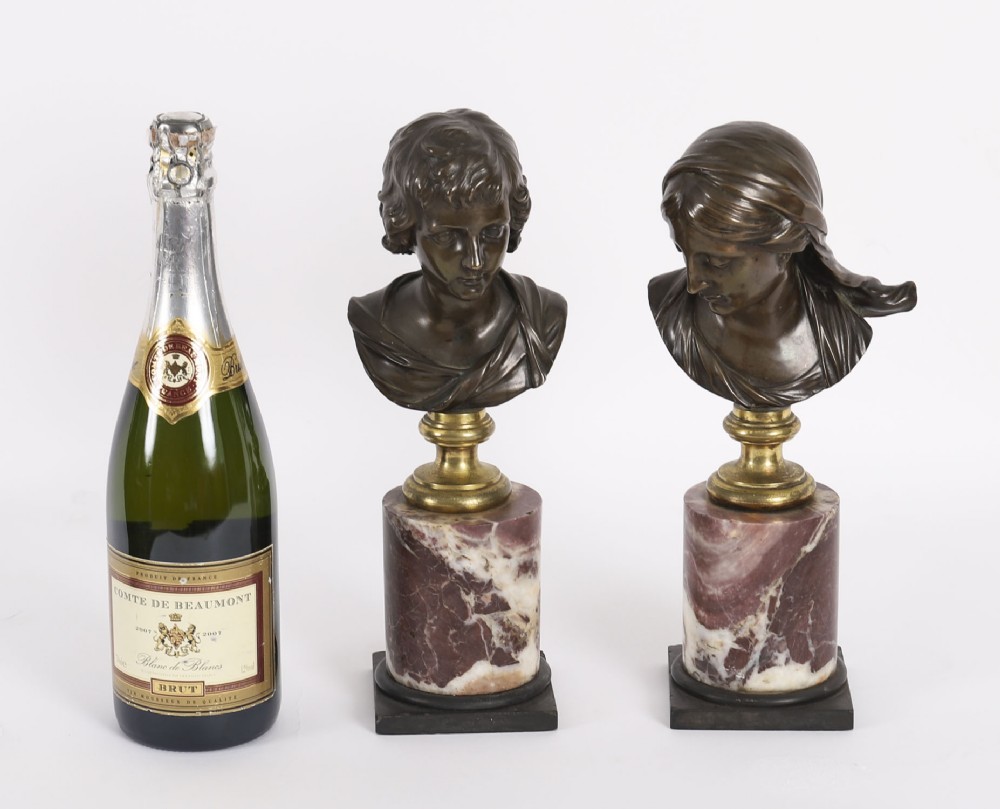
This is a fine antique pair of Italian Grand Tour solid bronze busts of Dionysus  and Ariadne, circa 1860 in date.

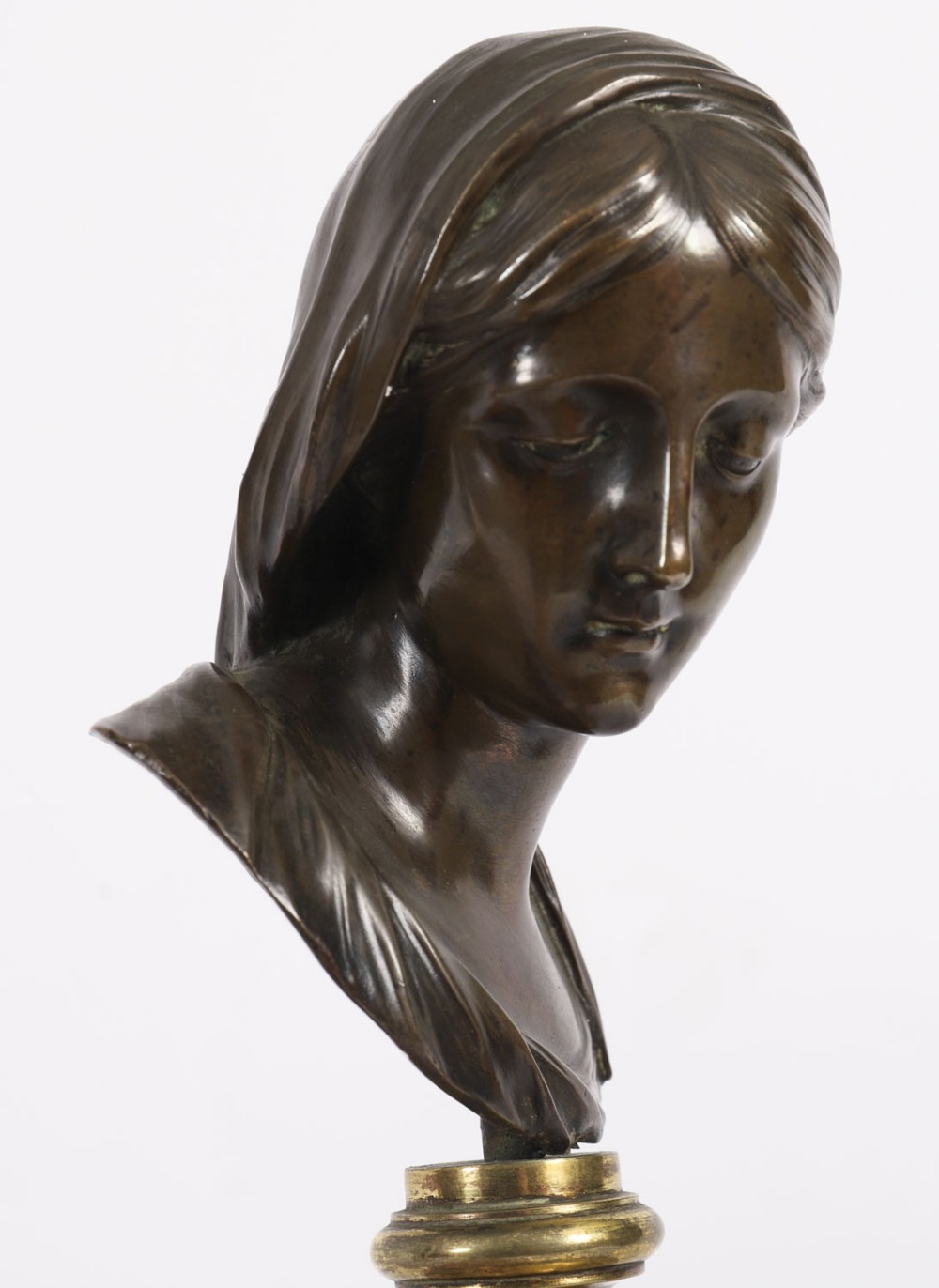
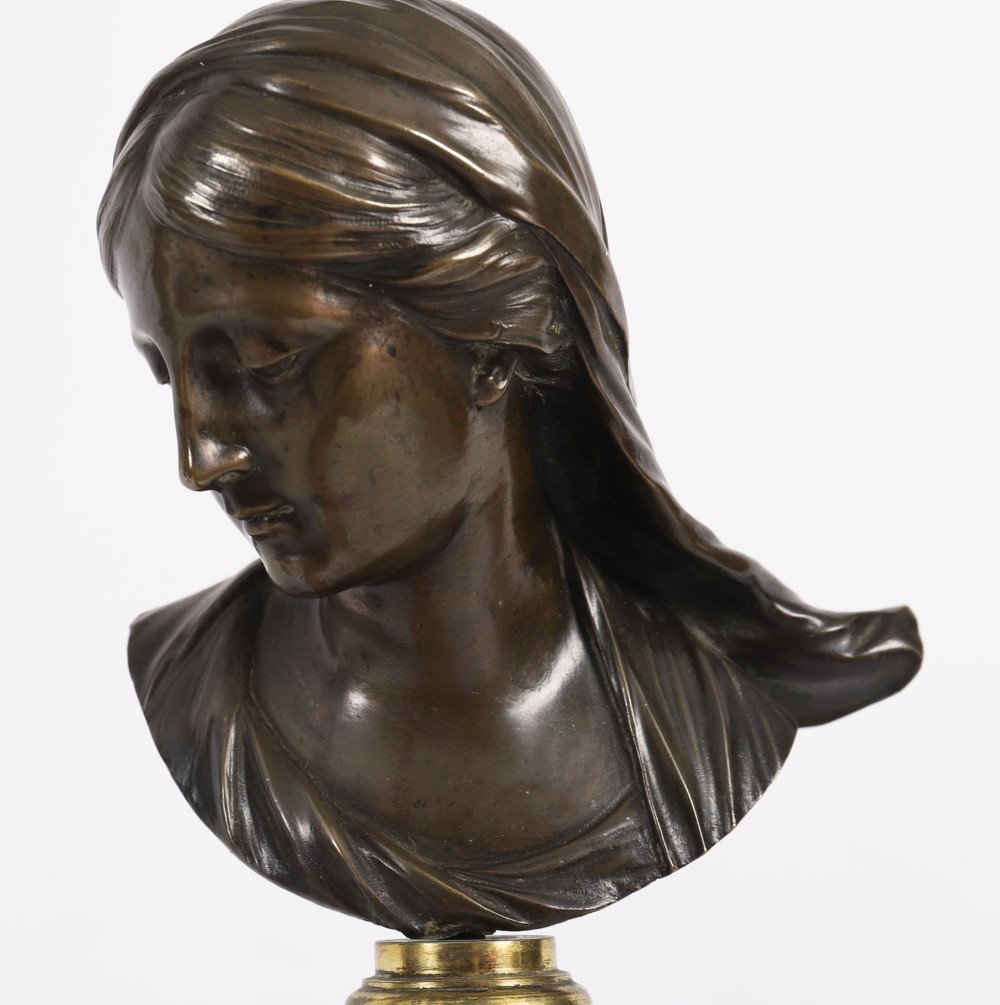
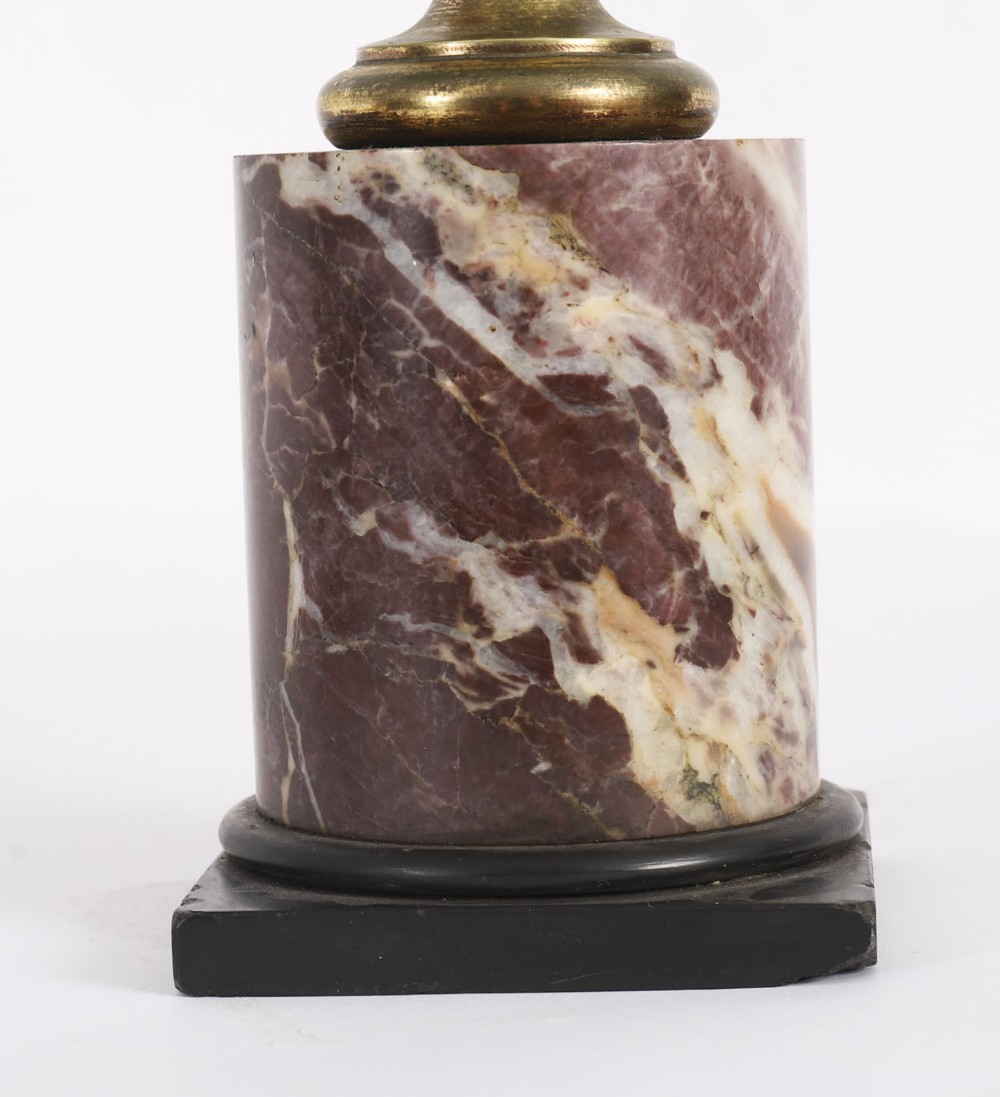
The pair feature black patinated finely cast busts which are mounted on gilt bronze socles raised on cylindrical  Italian Milas Lilac, purple and white, marble plinths on black slate bases.

These high-quality hot cast solid bronze bronzes were produced using the traditional "lost wax" process, otherwise known as the "cire perdue" method.


The attention to detail here is remarkable and this truly beautiful pair of bronze busts are sure to receive the maximum amount of attention wherever  placed.


Condition:

In really excellent condition, please see photos for confirmation.

Dimensions in cm:

Height 31 cm x Width 13 cm x Depth 9 cm  - Dionysus

Height 30 cm x Width 15 cm x Depth 14 cm  - Ariadne

Dimensions in inches:

Height 1 foot x Width 5 inches x Depth 3 inches - Dionysus

Height 1 foot x Width 6 inches x Depth 5 inches - Ariadne

Dionysus (Bacchus)

Along with Demeter, Dionysus was worshipped as a god of the gifts of earth. He was the God of the Vine from which the grapes used to ferment wine were grown. Dionysus granted wine to the people of Greece in his travels, when he taught men how to cultivate grape vines.            

One of the most famous stories featuring Dionysus was during said travels, when Dionysus was spotted by a troop of pirates. He was a handsome, strong youth clad in opulent attire and so was mistaken to be a prince of sorts—the son of a king who would be able to grant a great ransom. The pirates brought Dionysus aboard and attempted to restrain him with ropes, but anyplace the rope touched Dionysus fell apart.

When the crew realized their captive must be a god, a lone helmsman beseeched the captain to free him. The captain and the rest of the crew objected, at which point Dionysus used his divine powers to hold the ship in place with vines. Terrified, the crew leapt overboard to save themselves and where turned into dolphins when they hit the water. Only the helmsman was granted Dionysus’ mercy.            

Although Dionysus is characterized as a benign and beneficent, as any Olympian god this story reveals the cruelty Dionysus was capable of inflicting on mortals.

ARIADNE was the immortal wife of the wine-god Dionysos.

There were several versions of her story. In one, Ariadne, a daughter of King Minos of Krete (Crete), assisted Theseus in his quest to slay the Minotauros (Minotaur) and then fled with the hero aboard his ship. When they landed on the island of Naxos Theseus abandoned her as she slept. It was then that Dionysos discovered her and made her his wife. Some say she was later slain by the goddess Artemis or else ascended to Olympos with her husband as an immortal.

According to others Ariadne's bridal with Dionysos occurred several generations before this when the god was still travelling the earth spreading his cult. During his war against Argives with a band of sea-women, Ariadne was slain or turned to stone by King Perseus. The god descended into the underworld to recover her and brought her back with him to Olympos.

In Greek vase painting Ariadne is often depicted alongside Dionysos--either feasting with the gods of Olympos or in Bacchic scenes surrounded by dancing Satyroi (Satyrs) and Mainades. Dionysos' discovery of the sleeping Ariadne on Naxos was also a popular scene in classical art.

Lost Wax Method

sometimes called by the French name of cire perdue or the Latin, cera perduta is the process by which a bronze or brass is cast from an artists sculpture.

In industrial uses, the modern process is called investment casting. An ancient practice, the process today varies from foundry to foundry, but the steps which are usually used in casting small bronze sculptures in a modern bronze foundry are generally quite standardised.

Date of Manufacture

Regent Antiques has dated this Bronze Busts of Dionysus and Ariadne to the 1860s.

Physical Dimensions
Height
31cm (12.20")
Width
13cm (5.12")
Depth
9cm (3.54")
Reference Numbers
Sellingantiques Reference
SA1139724
Dealers Internal Reference
A4480
A pair of patinated bronze classical busts depicting Dionysus and Ariadne, mounted on cylindrical marble and brass columns.Detail view 1Detail view 2Detail view 3Detail view 4Detail view 5Detail view 6Detail view 7Detail view 8Detail view 9Detail view 10Detail view 11Detail view 12Detail view 13Detail view 14Detail view 15Detail view 16Detail view 17Detail view 18
SOLD6+ MONTHS AGO
1 / 19
1860s · SA1139724
Antique Pair Italian Bronze Busts of Dionysus and Ariadne 19th Century
Sorry, but this item has been sold.
Description
This is a fine antique pair of Italian Grand Tour solid bronze busts of Dionysus  and Ariadne, circa 1860 in date.

The pair feature black patinated finely cast busts which are mounted on gilt bronze socles raised on cylindrical  Italian Milas Lilac, purple and white, marble plinths on black slate bases.

These high-quality hot cast solid bronze bronzes were produced using the traditional "lost wax" process, otherwise known as the "cire perdue" method.


The attention to detail here is remarkable and this truly beautiful pair of bronze busts are sure to receive the maximum amount of attention wherever  placed.


Condition:

In really excellent condition, please see photos for confirmation.

Dimensions in cm:

Height 31 cm x Width 13 cm x Depth 9 cm  - Dionysus

Height 30 cm x Width 15 cm x Depth 14 cm  - Ariadne

Dimensions in inches:

Height 1 foot x Width 5 inches x Depth 3 inches - Dionysus

Height 1 foot x Width 6 inches x Depth 5 inches - Ariadne

Dionysus (Bacchus)

Along with Demeter, Dionysus was worshipped as a god of the gifts of earth. He was the God of the Vine from which the grapes used to ferment wine were grown. Dionysus granted wine to the people of Greece in his travels, when he taught men how to cultivate grape vines.            

One of the most famous stories featuring Dionysus was during said travels, when Dionysus was spotted by a troop of pirates. He was a handsome, strong youth clad in opulent attire and so was mistaken to be a prince of sorts—the son of a king who would be able to grant a great ransom. The pirates brought Dionysus aboard and attempted to restrain him with ropes, but anyplace the rope touched Dionysus fell apart.

When the crew realized their captive must be a god, a lone helmsman beseeched the captain to free him. The captain and the rest of the crew objected, at which point Dionysus used his divine powers to hold the ship in place with vines. Terrified, the crew leapt overboard to save themselves and where turned into dolphins when they hit the water. Only the helmsman was granted Dionysus’ mercy.            

Although Dionysus is characterized as a benign and beneficent, as any Olympian god this story reveals the cruelty Dionysus was capable of inflicting on mortals.

ARIADNE was the immortal wife of the wine-god Dionysos.

There were several versions of her story. In one, Ariadne, a daughter of King Minos of Krete (Crete), assisted Theseus in his quest to slay the Minotauros (Minotaur) and then fled with the hero aboard his ship. When they landed on the island of Naxos Theseus abandoned her as she slept. It was then that Dionysos discovered her and made her his wife. Some say she was later slain by the goddess Artemis or else ascended to Olympos with her husband as an immortal.

According to others Ariadne's bridal with Dionysos occurred several generations before this when the god was still travelling the earth spreading his cult. During his war against Argives with a band of sea-women, Ariadne was slain or turned to stone by King Perseus. The god descended into the underworld to recover her and brought her back with him to Olympos.

In Greek vase painting Ariadne is often depicted alongside Dionysos--either feasting with the gods of Olympos or in Bacchic scenes surrounded by dancing Satyroi (Satyrs) and Mainades. Dionysos' discovery of the sleeping Ariadne on Naxos was also a popular scene in classical art.

Lost Wax Method

sometimes called by the French name of cire perdue or the Latin, cera perduta is the process by which a bronze or brass is cast from an artists sculpture.

In industrial uses, the modern process is called investment casting. An ancient practice, the process today varies from foundry to foundry, but the steps which are usually used in casting small bronze sculptures in a modern bronze foundry are generally quite standardised.
Date1860s
Height31cm (12.20")
Width13cm (5.12")
Depth9cm (3.54")
ReferenceSA1139724
Dealer's referenceA4480
Regent Antiques
Regent AntiquesSellingantiques verified since Sep 2016

We specialise in english and continental furniture, silver, porcelain and decorative items.

Member of LAPADA CINOA

SHARE
SAVE
Archive I A pair of patinated bronze classical busts depicting Dionysus and Ariadne, mounted on cylindrical marble and brass columns. SOLD6+ MONTHS AGO

Antique Pair Italian Bronze Busts of Dionysus and Ariadne 19th Century

Archive II A pair of patinated bronze classical busts depicting Dionysus and Ariadne, mounted on cylindrical marble and brass columns. View II
Archive III A pair of patinated bronze classical busts depicting Dionysus and Ariadne, mounted on cylindrical marble and brass columns. View III
Archive IV A pair of patinated bronze classical busts depicting Dionysus and Ariadne, mounted on cylindrical marble and brass columns. View IV
Archive V A pair of patinated bronze classical busts depicting Dionysus and Ariadne, mounted on cylindrical marble and brass columns. View V
Archive VI A pair of patinated bronze classical busts depicting Dionysus and Ariadne, mounted on cylindrical marble and brass columns. View VI
Archive VII A pair of patinated bronze classical busts depicting Dionysus and Ariadne, mounted on cylindrical marble and brass columns. View VII
Archive VIII A pair of patinated bronze classical busts depicting Dionysus and Ariadne, mounted on cylindrical marble and brass columns. View VIII
Archive IX A pair of patinated bronze classical busts depicting Dionysus and Ariadne, mounted on cylindrical marble and brass columns. View IX
Archive X A pair of patinated bronze classical busts depicting Dionysus and Ariadne, mounted on cylindrical marble and brass columns. View X
Archive XI A pair of patinated bronze classical busts depicting Dionysus and Ariadne, mounted on cylindrical marble and brass columns. View XI
Archive XII A pair of patinated bronze classical busts depicting Dionysus and Ariadne, mounted on cylindrical marble and brass columns. View XII
Archive XIII A pair of patinated bronze classical busts depicting Dionysus and Ariadne, mounted on cylindrical marble and brass columns. View XIII
Archive XIV A pair of patinated bronze classical busts depicting Dionysus and Ariadne, mounted on cylindrical marble and brass columns. View XIV
Archive XV A pair of patinated bronze classical busts depicting Dionysus and Ariadne, mounted on cylindrical marble and brass columns. View XV
Archive XVI A pair of patinated bronze classical busts depicting Dionysus and Ariadne, mounted on cylindrical marble and brass columns. View XVI
Archive XVII A pair of patinated bronze classical busts depicting Dionysus and Ariadne, mounted on cylindrical marble and brass columns. View XVII
Archive XVIII A pair of patinated bronze classical busts depicting Dionysus and Ariadne, mounted on cylindrical marble and brass columns. View XVIII
Archive XIX A pair of patinated bronze classical busts depicting Dionysus and Ariadne, mounted on cylindrical marble and brass columns. View XIX
Enlarged Archival View
Location
Manor Warehouse
318 Green Lanes
London
N4 1BX
United Kingdom
Verified Since Sep 2016
Items For Sale 639
Items Sold 2,756
Regent Antiques
Regent Antiques
Verified Since Sep 2016
View Dealer Info
Location: Manor Warehouse, 318 Green Lanes, London, N4 1BX, United Kingdom
Verified
Sep 2016
For Sale
639
Sold
2,756
A pair of patinated bronze classical busts depicting Dionysus and Ariadne, mounted on cylindrical marble and brass columns.
Antique Pair Italian Bronze Busts of Dionysus and Ariadne 19th Century
Ref: SA1139724
A pair of patinated bronze classical busts depicting Dionysus and Ariadne, mounted on cylindrical marble and brass columns.
Detail View 1
Detail View 2
Detail View 3
Detail View 4
Detail View 5
Detail View 6
Detail View 7
Detail View 8
Detail View 9
Detail View 10
Detail View 11
Detail View 12
Detail View 13
Detail View 14
Detail View 15
Detail View 16
Detail View 17
Detail View 18
Archival Detail
Every single antique dealer on our platform is individually approved by our internal team. We verify their professional trade history, ethical standards, and photographic quality to ensure a secure, high-standard buying environment. Upon joining, every dealer agrees to a strict 9-point code of conduct. While issues can occasionally arise, our dealers typically resolve them swiftly and directly with the buyer. In fact, since our founding in 2002, Sellingantiques has only had to step in to help resolve an issue on roughly five occasions—a true testament to the quality of our dealers and their dedication to your happiness.
Our dealers are highly experienced in packing and shipping fragile, high-value antiques. Because you are in direct contact with the dealer, you will be able to easily go through all available shipping and insurance options together to ensure your item arrives safely.
Antiques are the ultimate green purchase. By choosing historical pieces over newly manufactured goods, you completely eliminate the carbon footprint of modern mass production while preserving exceptional, timeless craftsmanship.
Written by Sellingantiques from the dealer’s photographs and listing
  • ObjectSculptures & Busts
  • Period19th century
  • StyleClassical Revival
  • MaterialBronze, Marble, Brass
  • ColourDark Brown
  • MotifsMythological figures, Draped garments, Cylindrical marble plinths
  • SizeH 31 cm (12 in) x W 13 cm (5 in) x D 9 cm (4 in)

Grand Tour bronzes were produced in Italy during the 18th and 19th centuries as souvenirs for wealthy travellers visiting classical antiquities and Renaissance masterpieces across Europe.

These sculptures are typically cast in bronze using the lost-wax method, often featuring patinated finishes and mounted on turned bases composed of marble or slate.

Authenticity is determined by examining the quality of the casting, the depth and oxidation of the patina, tool marks at the underside, and the mineral composition of the stone base.

They can be placed upon a mantelpiece, bookcase, or console table to add classical gravitas, tactile contrast, and a sense of historical curation to modern spaces.

Bronze should be dusted gently with a soft, dry microfibre cloth and occasionally treated with microcrystalline wax to protect the patina, avoiding all water and chemical cleaning agents.
items
Add keywords to the filter
Price
£100
£250000
Era
Period
Style
Material
Origin
Stock Location
Recently Added
Online Payments
Categories