It was listed by Titan Fine Art. Sold pieces stay on Sellingantiques as a record of what has passed through, and the next one is rarely far away.
Titan Fine Art has dated this 17th Century Oil Painting to the 17th Century.
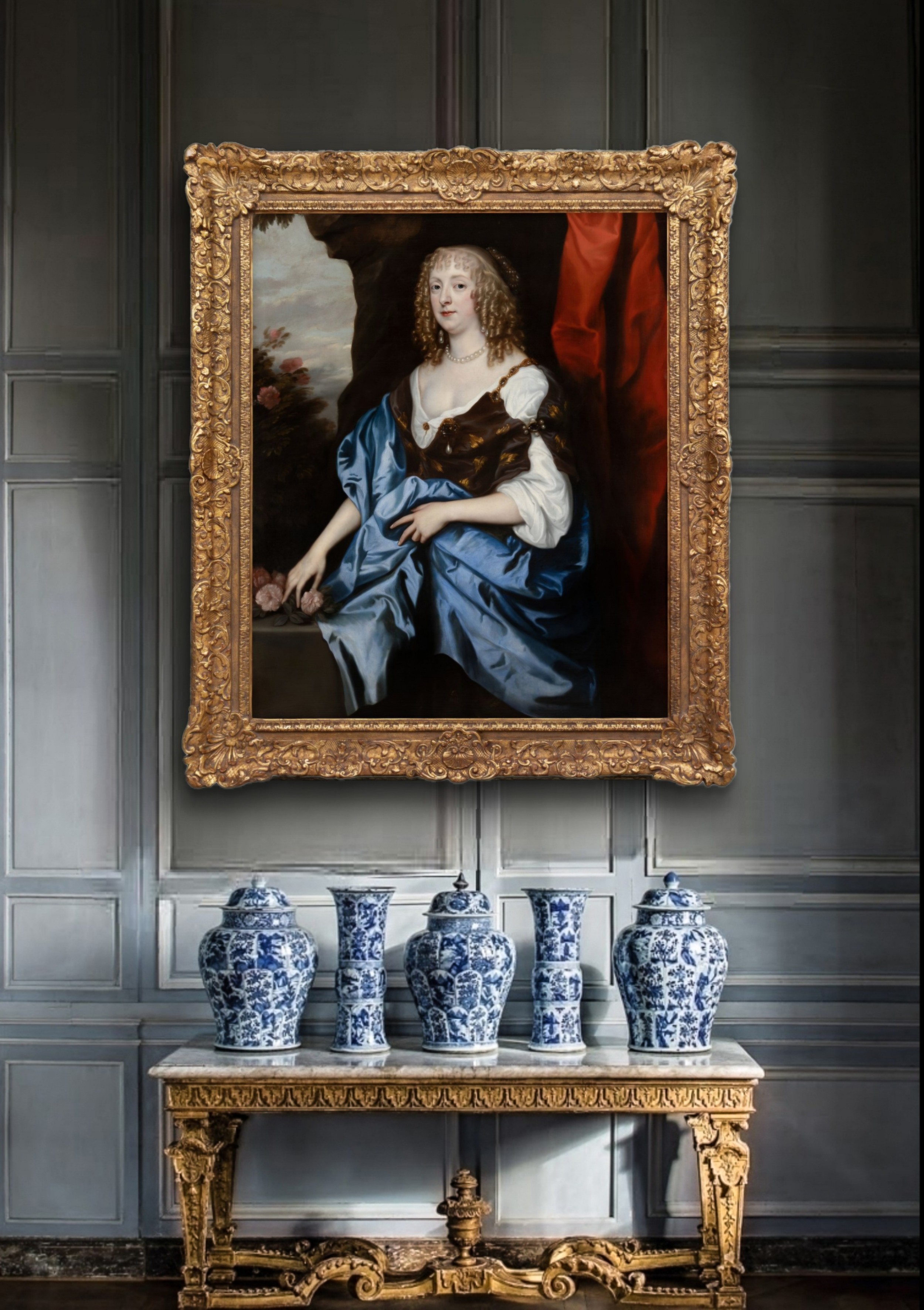
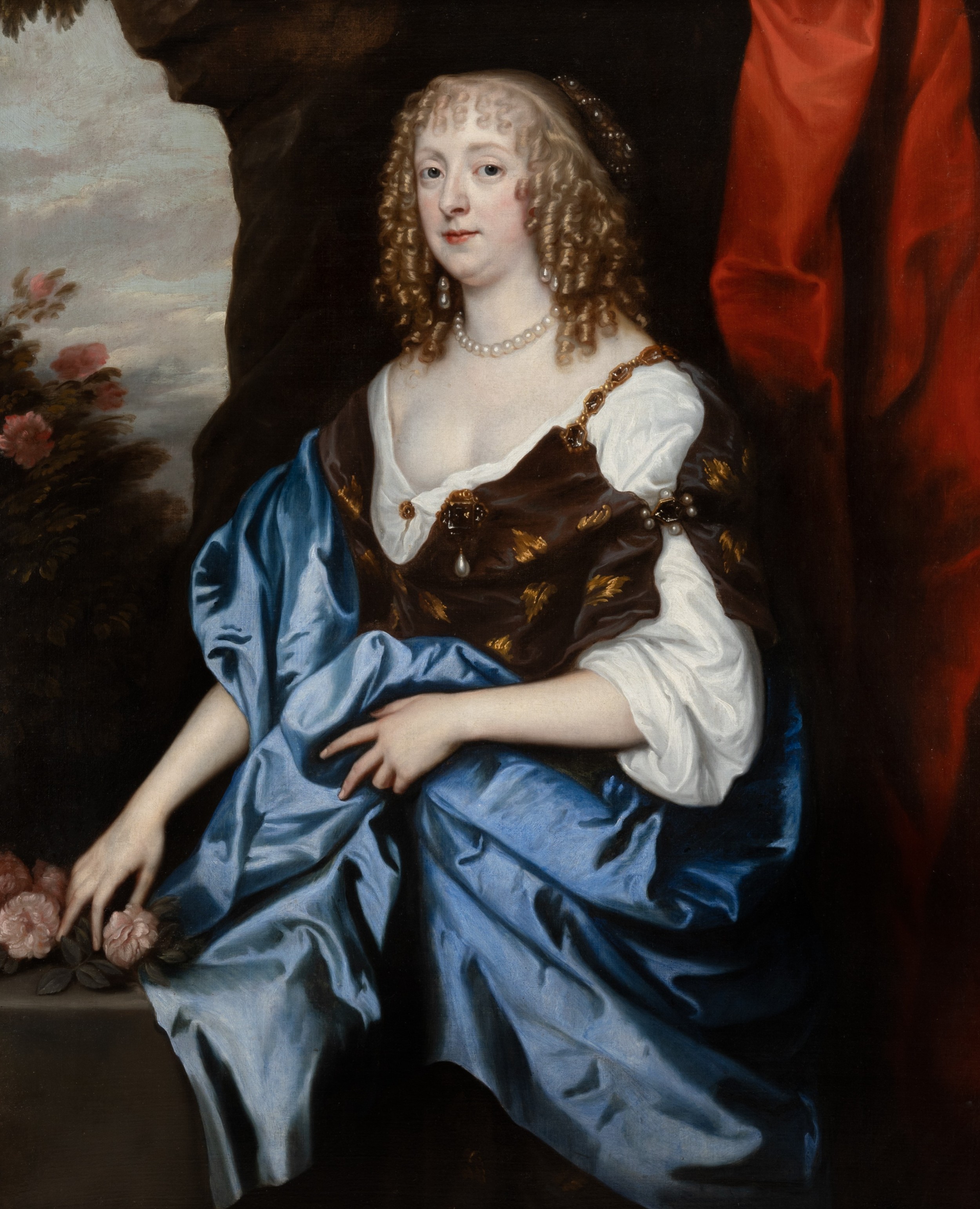
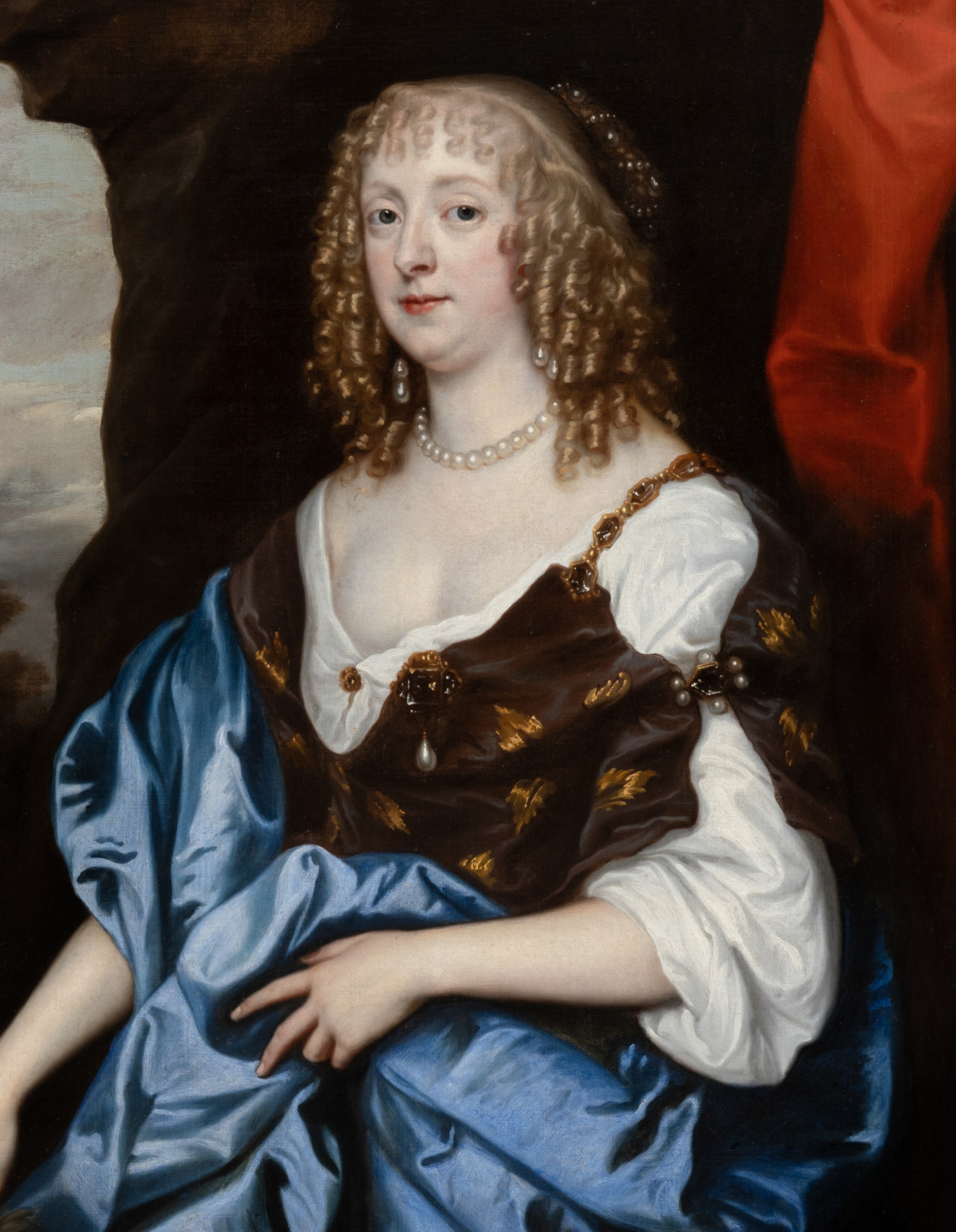
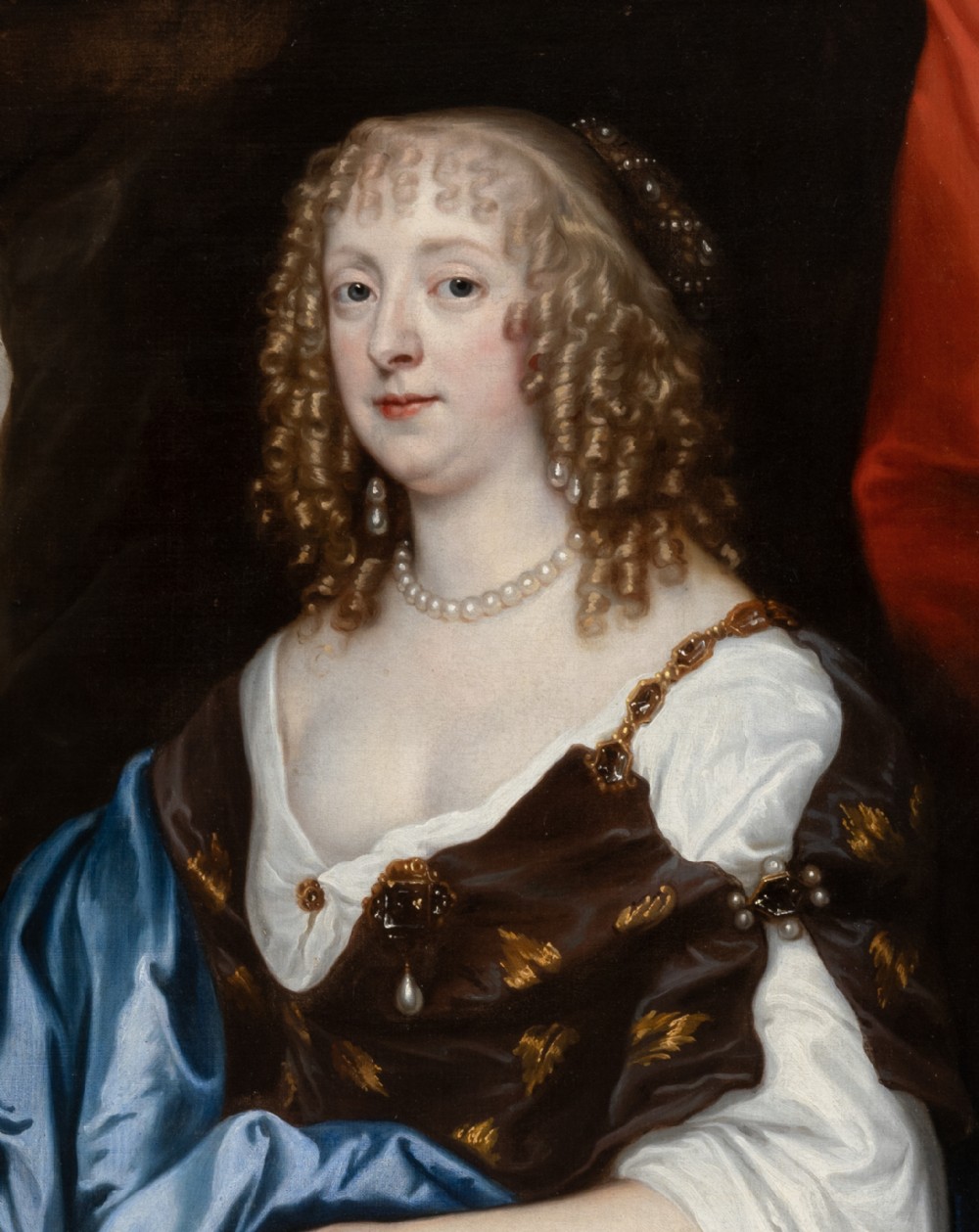
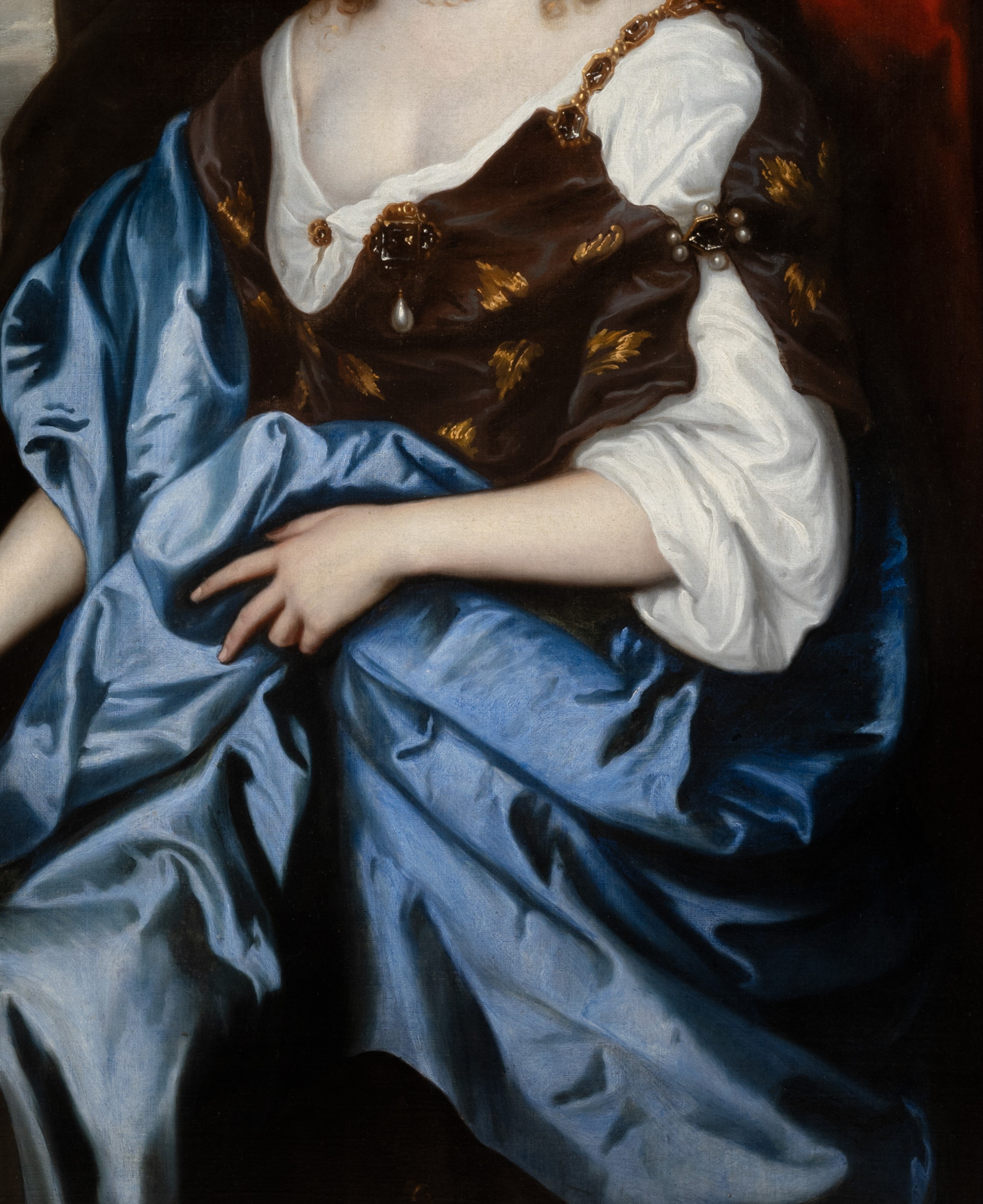
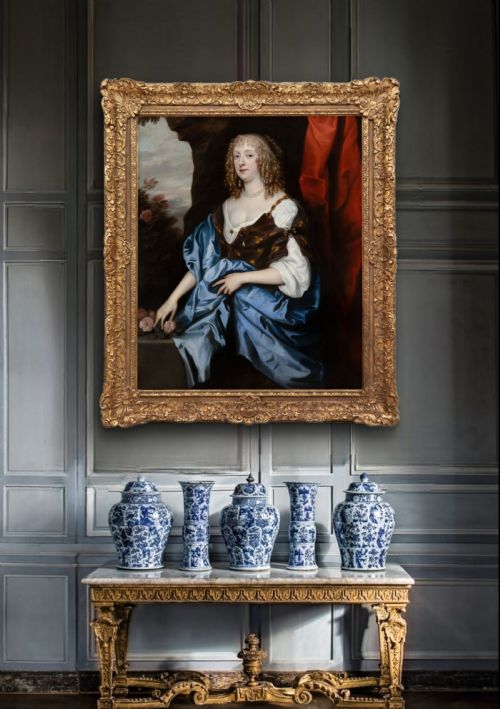
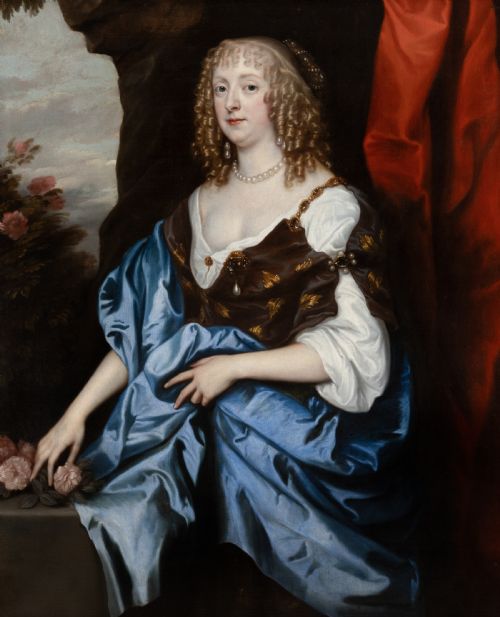
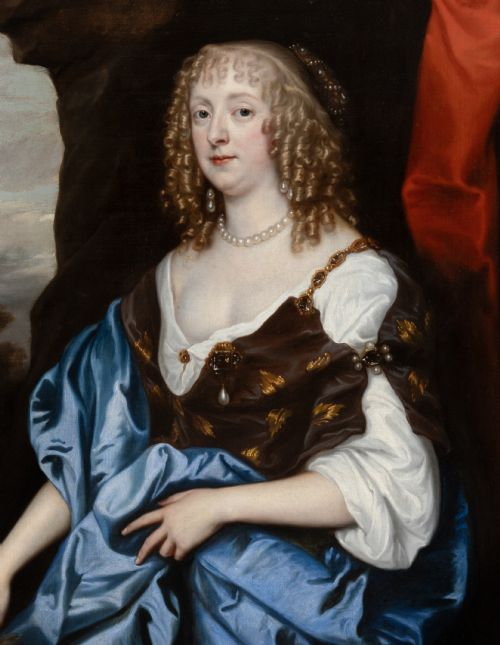
The beautiful colour combination of white, russet, the striking azure cloak, and scarlet draperies imbue the portrait with a sense of luxury; for this lady was a paragon of a wealthy and privileged society that she belonged to. A remarkable care is exercised in rendering the delicate arms and hands, and the treatment of the drapery, with its delicate folds and virtuoso in the art of conveying the texture of the fabrics, is excellent.
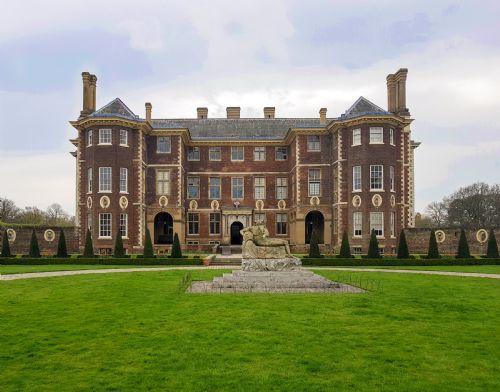
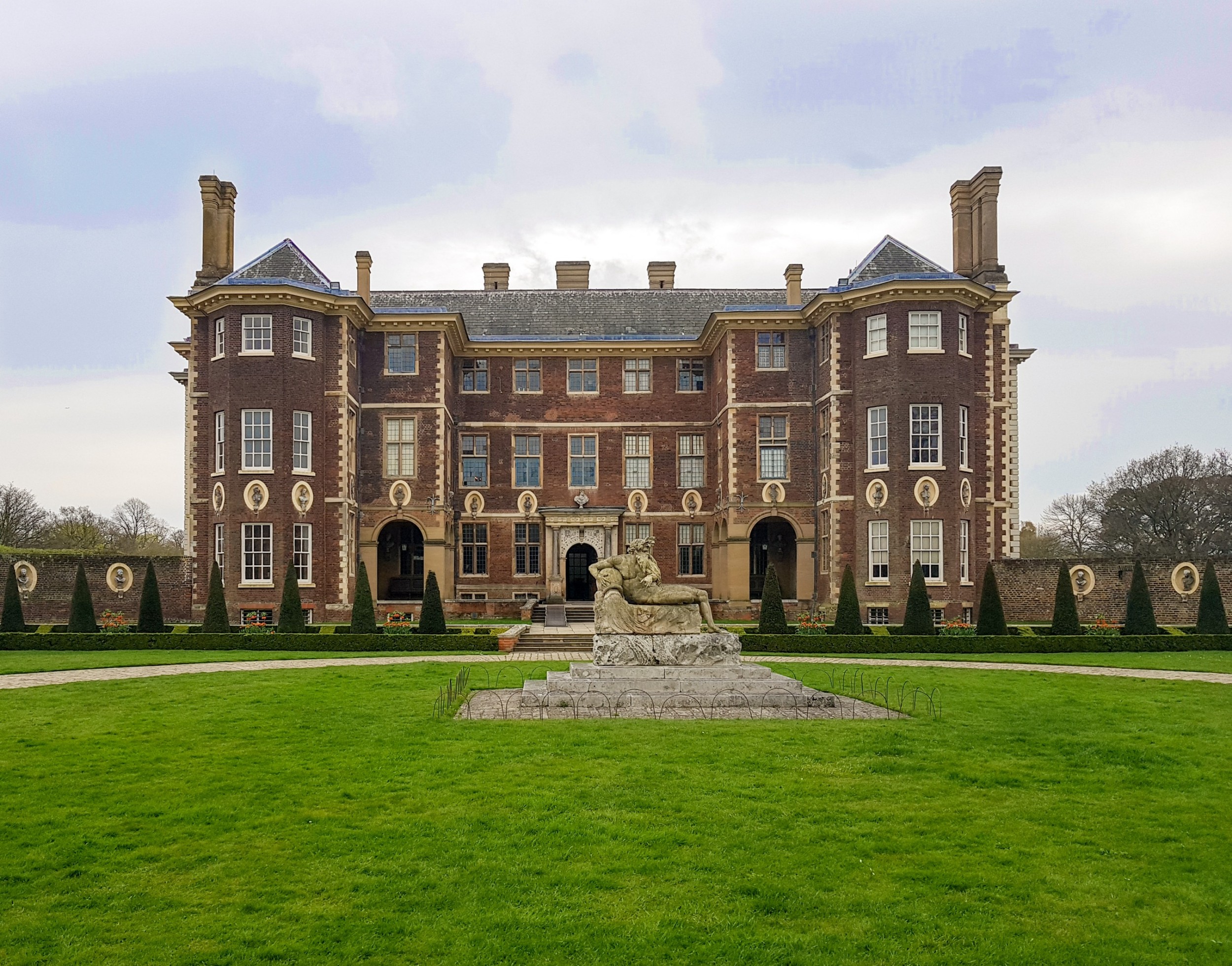
Catherine Murray (née Bruce) was a Scottish noblewoman, and the daughter of Colonel Norman Bruce; she could trace her lineage back to Robert Bruce, the King of Scotland. In the early 1620s, she married a descendant of James II of Scotland, William Murray, the 1st Earl of Dysart, who was a childhood friend of King Charles I and one of his trusted favourites. In 1626, he was made Gentleman of the Bedchamber and the family moved to Ham House near Richmond, and Catherine was made a lady-in-waiting to Queen Henrietta Maria and as such, she participated in the cultural milieu of the Caroline court in the 1630s.
After the outbreak of the Civil War, William became an active royalist messenger during the Civil Wars; a service that took him across the country, to France, the Netherlands, and even Rome. Catherine was often left to protect her four daughters and defend Ham House from sequestration by Parliament. Her narrative serves as a quintessential example of the genuine struggle for political agency that women experienced during the era recognised as the English Revolution. She died on 2 August 1649.
Van Dyck set a new standard for English portraiture and his portraits gave his royal and aristocratic sitters an unprecedented glamour and elegance. Due to his immense skill, his patrons often ordered additional copies of their likeness to adorn the walls of other properties or to give to family members, but due to the renown of the sitters other members of society also commissioned a copy for themselves too. Apart from Van Dyke and his studio to create these works, other artists were commissioned too, some of which were major artists.
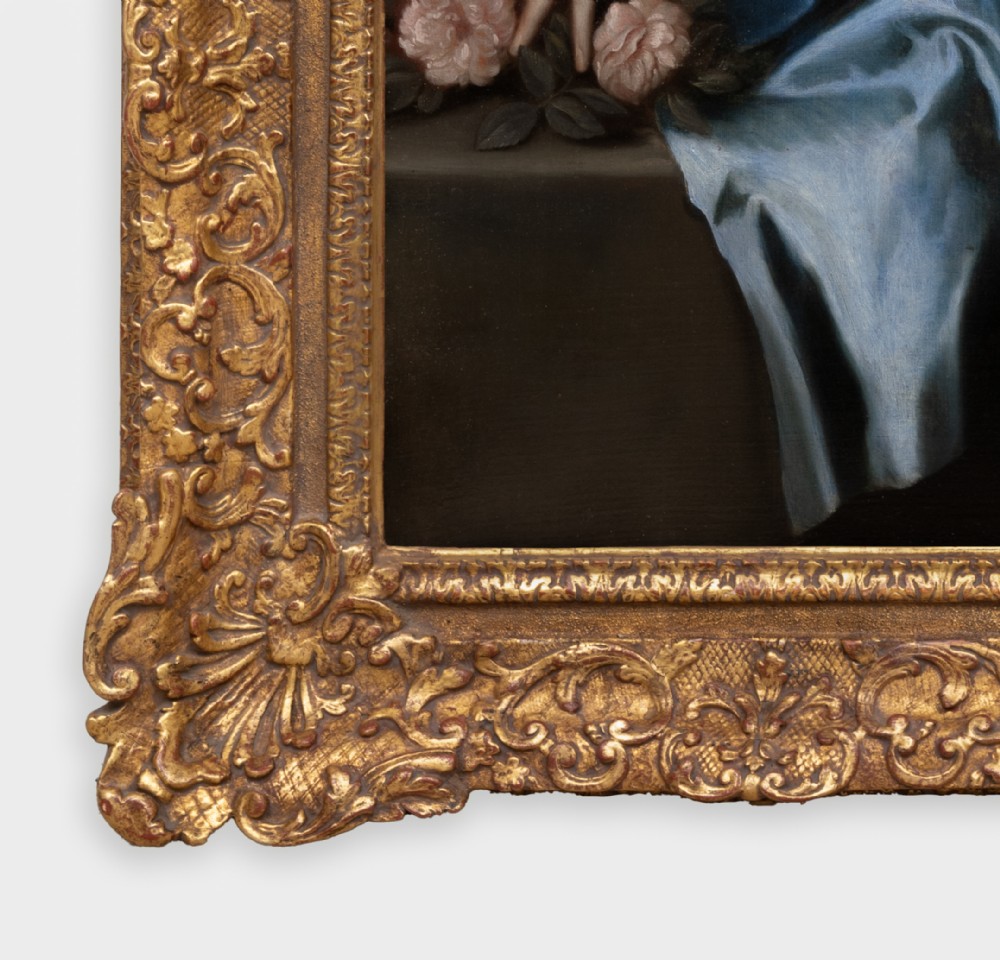
Our portrait is a contemporary version of Van Dyke’s portrait of the sitter in the Egremont Collection at Petworth House, West Sussex (painted 1637). There are five known copies in extant: our portrait, Scottish National Portrait Gallery, at Chatsworth, at Knole, and Christie’s London, 16th June 1967 (lot 24). It is a very fine example and held in the most spectacular good quality and condition gilded frame.
Anthony Van Dyck, a significant Flemish painter of the 17th century, held a position of prominence following Rubens. He began producing independent works around the age of 17, during 1615-16. By 1621, he was serving James I of England, and continued to great acclaim. His detailed and complimentary depictions of Charles I and his family established a new benchmark in English portraiture.
Provenance
Anonymous sale; Christie's, New York, 16 October 1987, lot 129
Literature
E. Larsen, The Paintings of Anthony van Dyck, Freren, 1988, I, pl. 28; II, p. 396, no. 1014a, the sitter erroneously identified as the Countess of Devonshire, as 'Anthony van Dyck';
O. Millar in S.J. Barnes et. al., Van Dyck: A Complete Catalogue of the Paintings, New Haven and London, 2004, p. 560, under no. IV.167, as a 'copy'
Exhibited
Tel Aviv, Museum of Art, Van Dyck and his Age, 29 October 1995-17 January 1996, no. 29 (catalogue entry by D.J. Lurie), the sitter erroneously identified as the Countess of Devonshire, as 'Anthony van Dyck'
Measurements
Height 151cm, Width 130cm 10cm Depth framed (Height 59.5”, Width 51.25”, Depth 4” framed)
Full description at: www.titanfineart.com
Titan Fine Art has dated this 17th Century Oil Painting to the 17th Century.
Specialist in 17th & 18thc portraits. Highly curated selection, museum-level research & pro conservation. Exceptional art, expertly vetted.
You can view the stock and full dealer information on the Titan Fine Art Profile Page
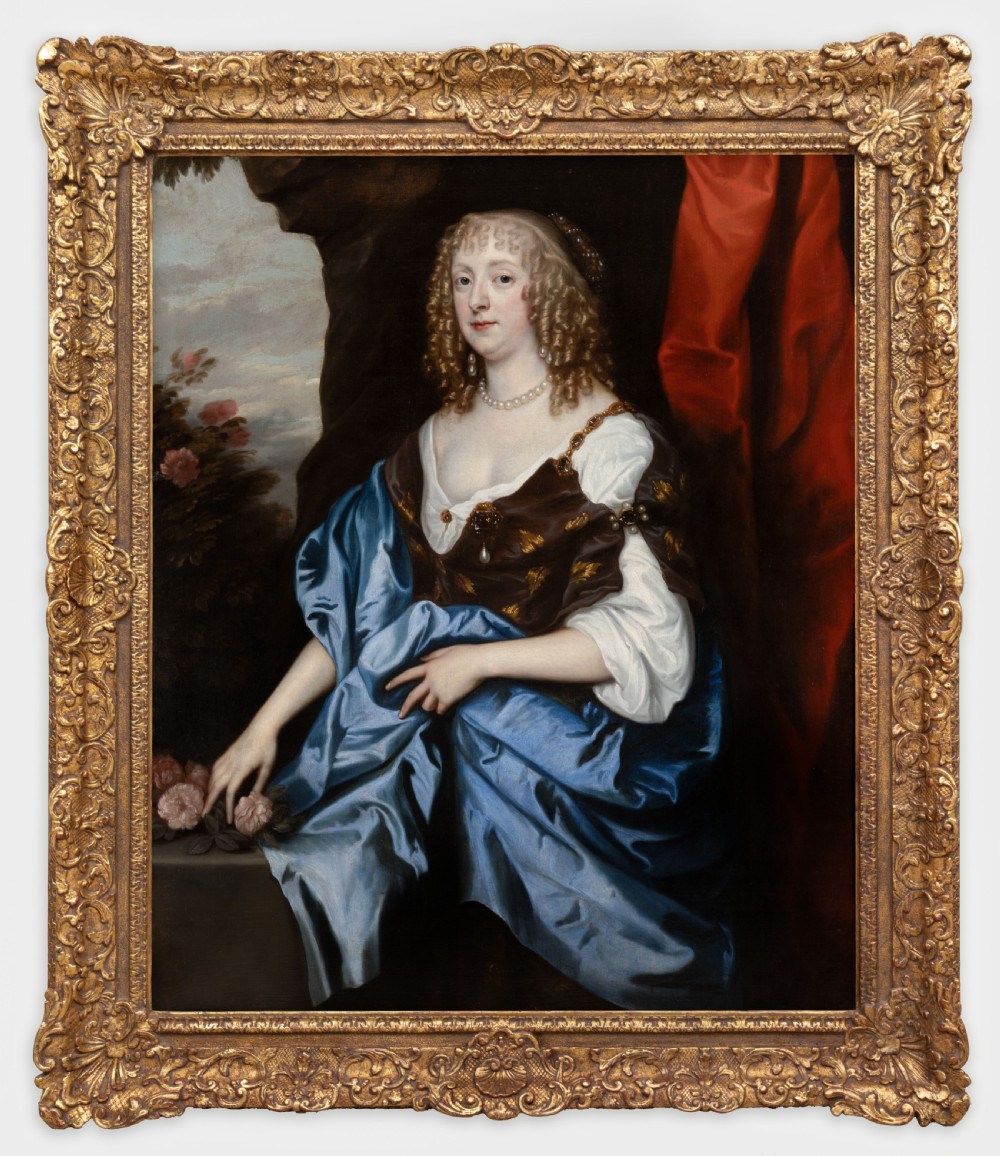
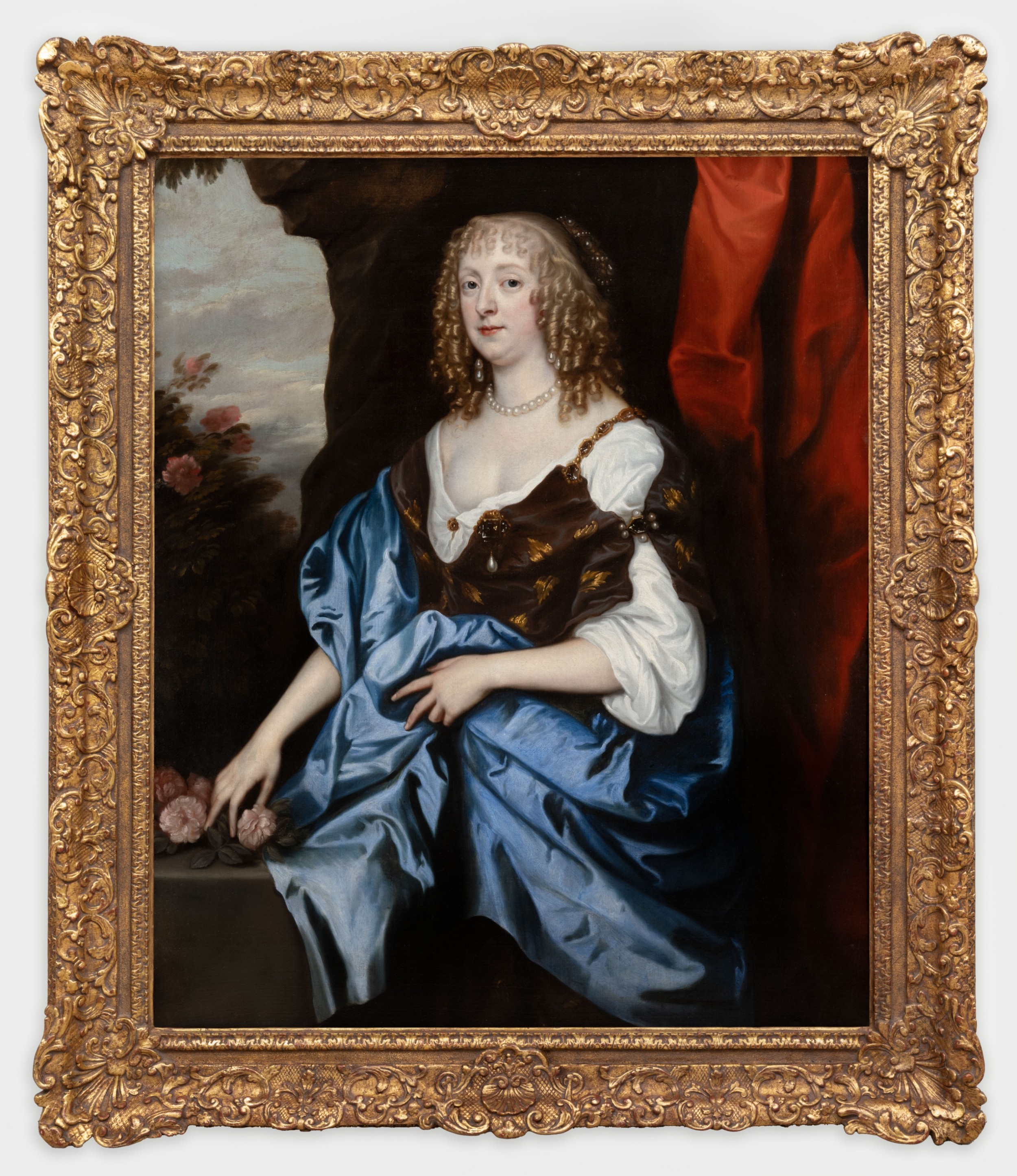
Portrait of Catherine Murray, Later Countess of Dysart, Beside a Plinth with Pink Roses, 17th Century; After Sir Anthony Van Dyck, Oil on Canvas Painting