It was listed by Skippings Fine Arts. Sold pieces stay on Sellingantiques as a record of what has passed through, and the next one is rarely far away.
Skippings Fine Arts has dated this Impressionist Oil Painting to the 1900s.
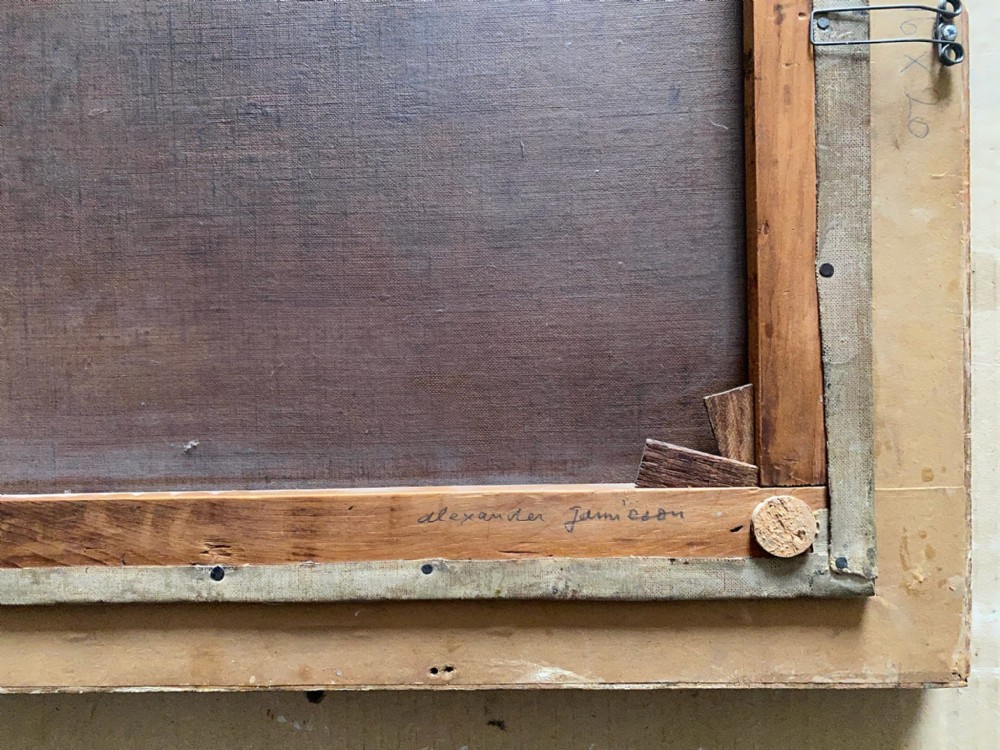
Alexander Jamieson was born in Glasgow in 1873, the son of Elizabeth Reid Jamieson and Alexander Jamieson, who worked for a Blacksmith. Jamieson attended The Glasgow School of Art (then known as The Haldane Academy) from 1886 to 1899. He received the Haldane Bursary for three consecutive years between 1899 and 1891. In 1898 he won a scholarship to spend a year in Paris, which proved a formative experience that would influence his work for the rest of his life and spark an abiding love for France. He met many of the French impressionists and his future wife, the painter Gertrude (Biddy) MacDonald.
Jamieson’s work was characterised by this preference for painting en plein air, working wet-into-wet with bold, bravura brushstrokes to capture the transient nature of light. Concentrating on painting landscapes and townscapes, often of Continental subjects, his reputation grew, and he exhibited at the likes of the Groupil and Carfax galleries in London. However, his life was interrupted by the First World War.
He enlisted in Kitchener's "New Army" as a volunteer, aged 42, in 1914 and in 1915 was commissioned into the 10th Bn York & Lancs Regiment. He served throughout the Great War, taking part in the bloody battles of Loos, the Somme and Arras from 1915-18. The National Army Museum has a painting by Jamieson of Field Marshal Lord Kitchener inspecting the 10th Battalion at their tented training camp in Halton, Buckinghamshire.
The war had unfortunately taken its toll on his health and he died in 1937 aged 63. He is buried in the churchyard of St Mary the Virgin, Weston Turville, a short distance from his home, Burnside. His contemporary Sir John Lavery RA wrote in an obituary ‘Alexander Jamieson, a great landscape painter – perhaps one of the greatest of our time’.
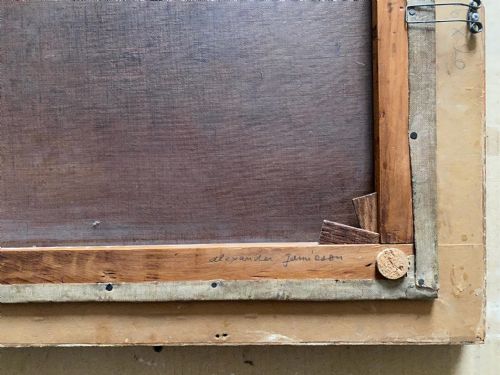
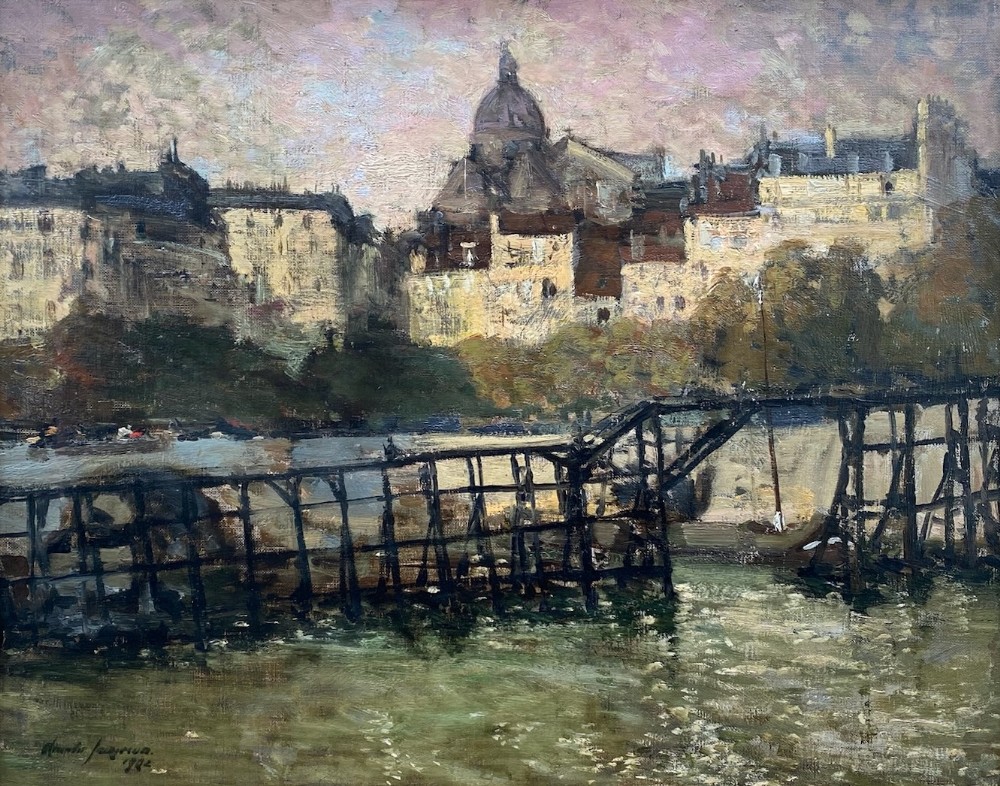
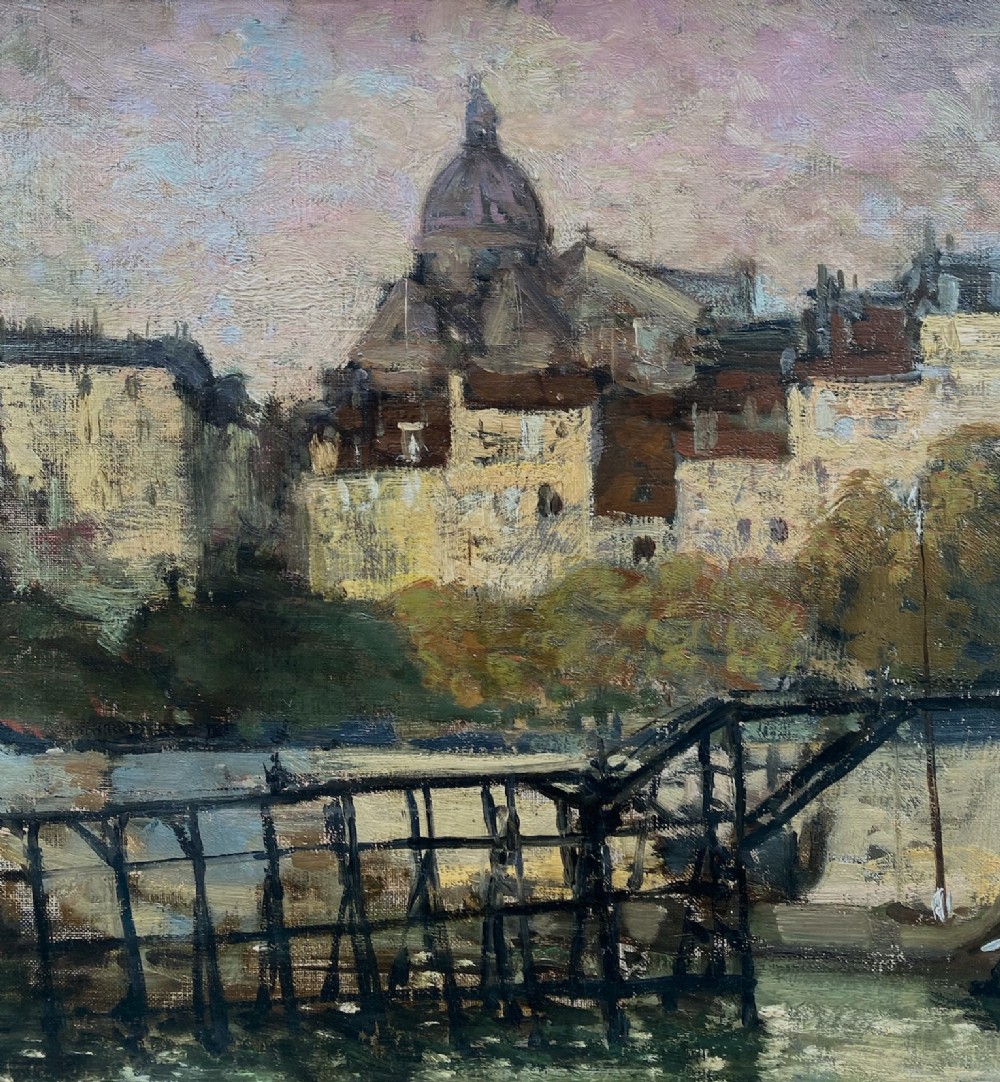
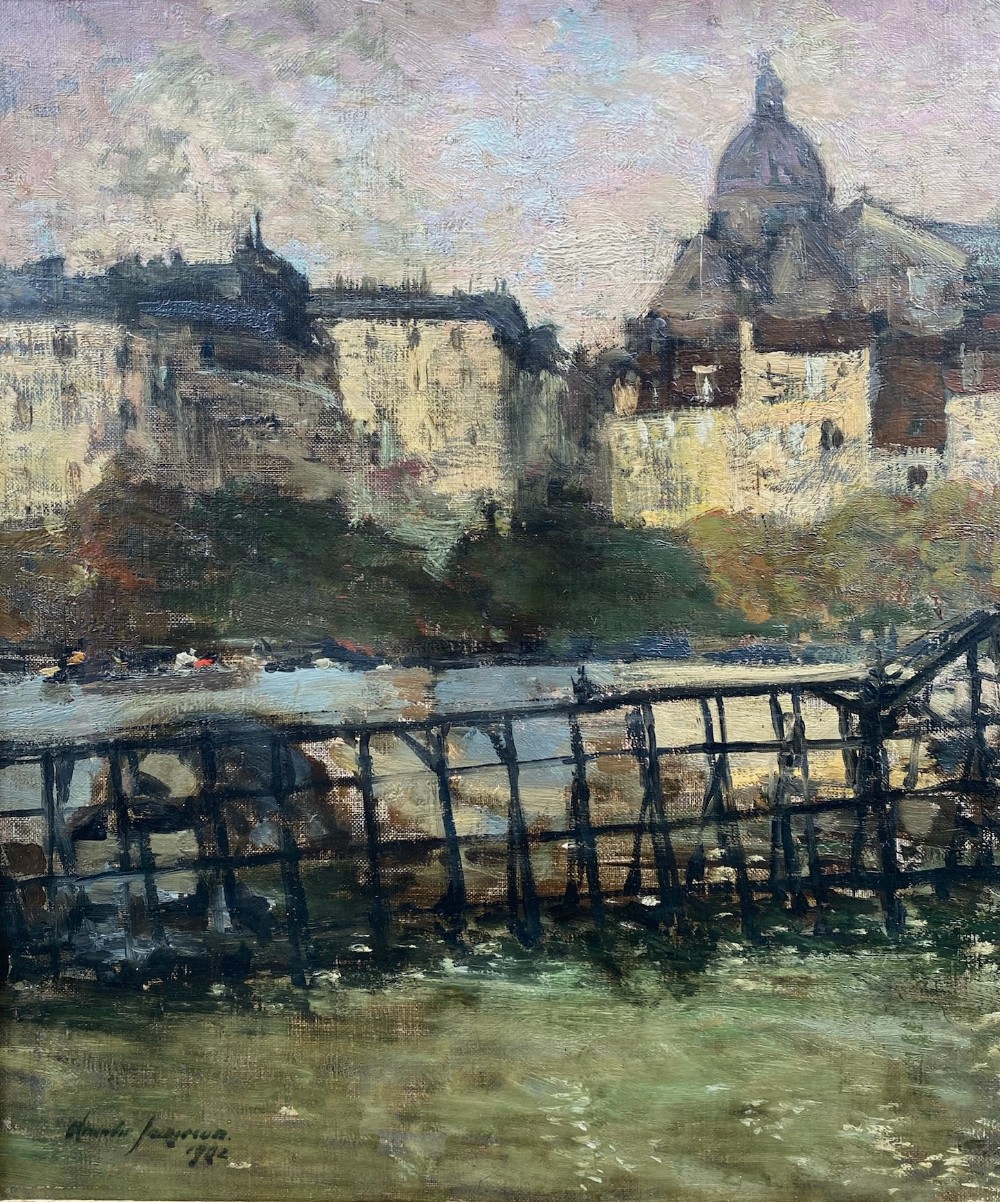
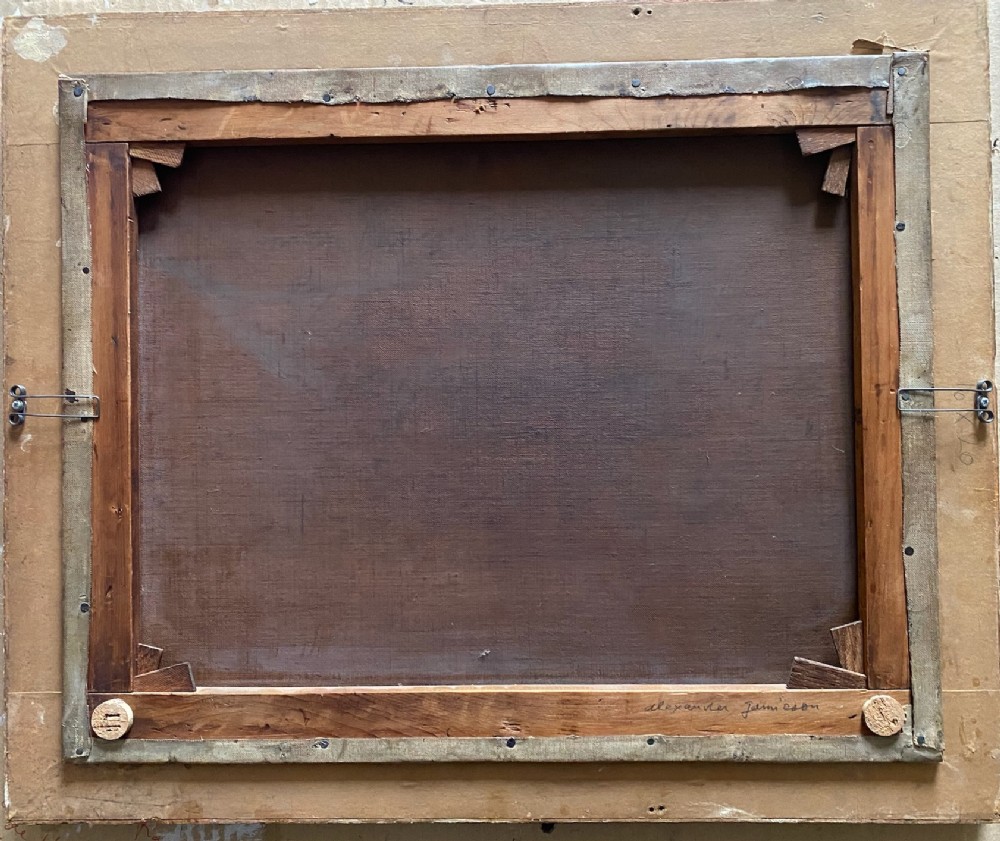
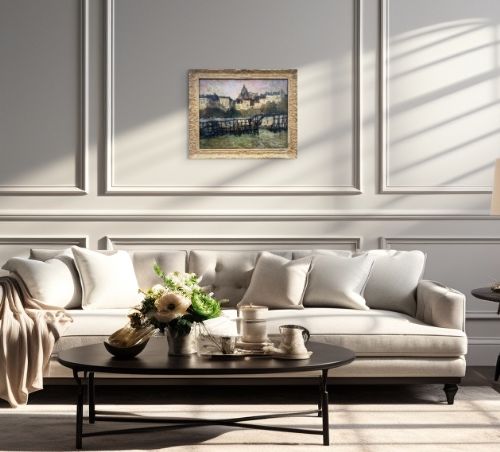
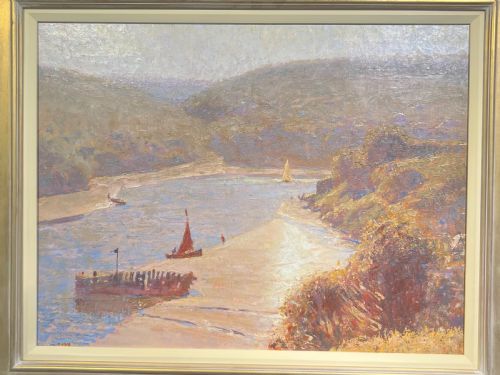
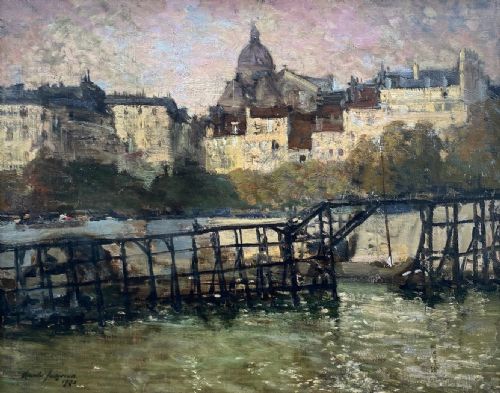
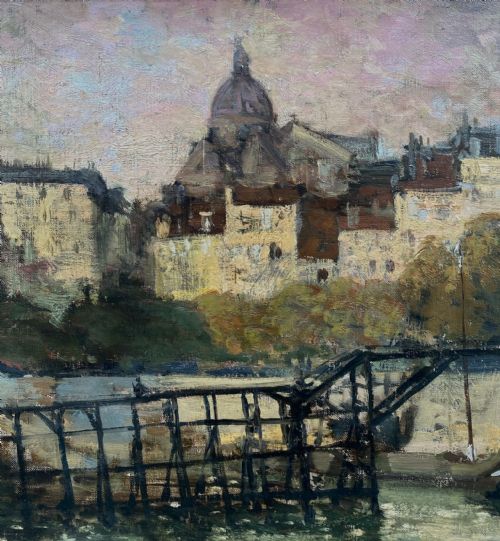
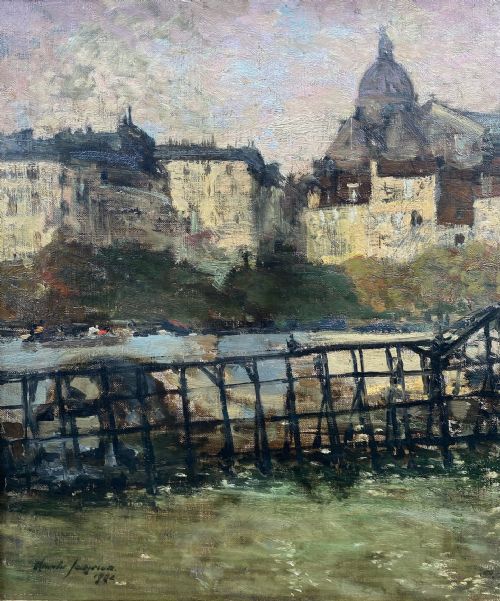
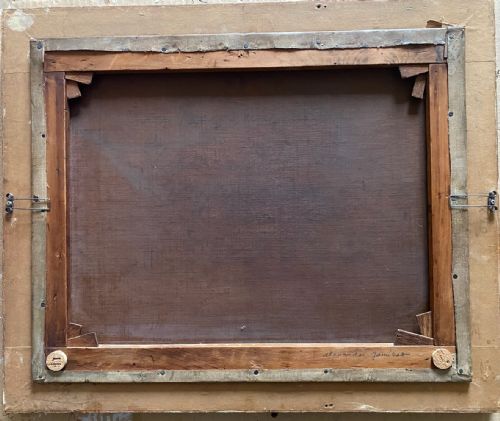
Our oil on canvas is signed and dated 1902 by Jamieson at the lower left. Measuring 41 x 51 cm (16 x 20 inches), the overall framed size is 49 x 60 cm.
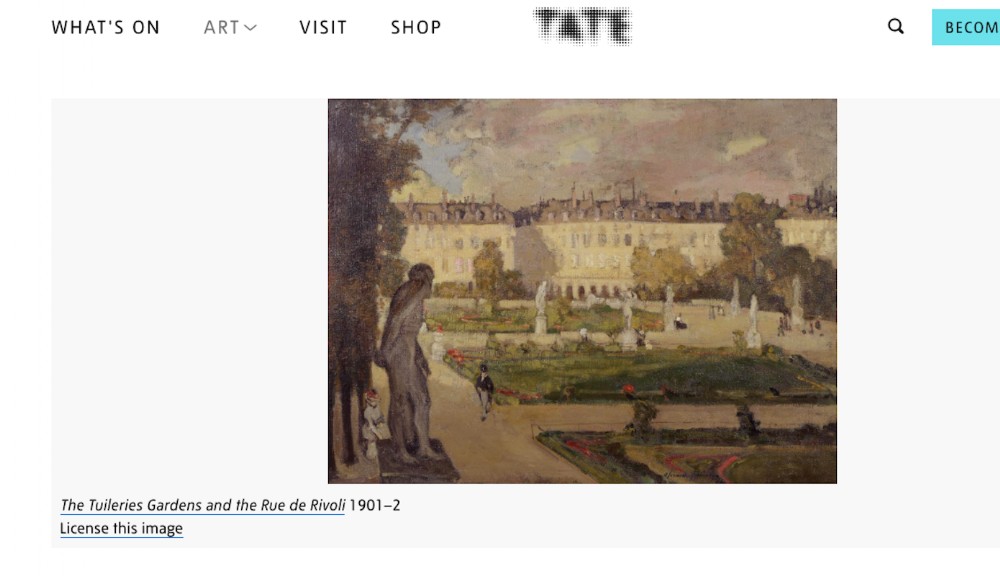
The Tate Gallery has a painting by Jamieson in its collection which is interestingly also a Paris scene from the very same period, 1901-2.
Skippings Fine Arts has dated this Impressionist Oil Painting to the 1900s.
Modern french & continental pictures selected by a former french auction house expert
You can view the stock and full dealer information on the Skippings Fine Arts Profile Page

Masterpiece: A Scotsman in Paris, 1902 Evening Clouds Over the Seine Impressionist Scottish Oil on Canvas