Whites Antiques has dated this piece to the 18th Century.
French 18th Century
Converted from built in 18th Century Buffet de Boiserie/Buffet de Chasse(1)
Typically used in an elegant French home or Hunting Pavilion/Lodge
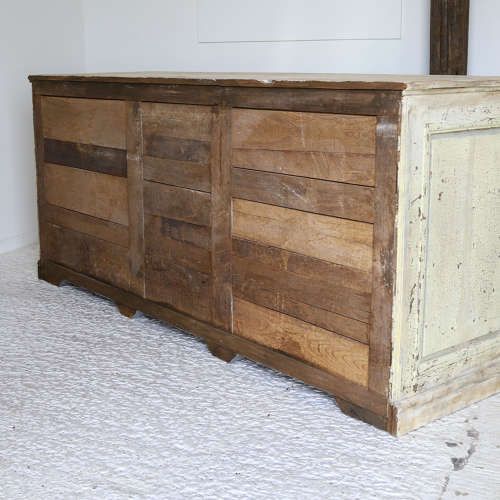
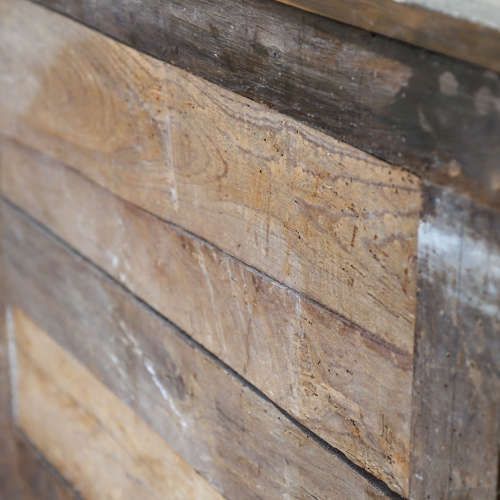
Now converted to an enfilade utilising all the 18th Century French Oak from the original
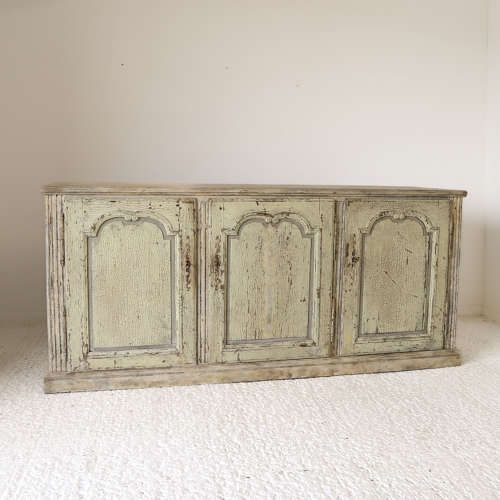
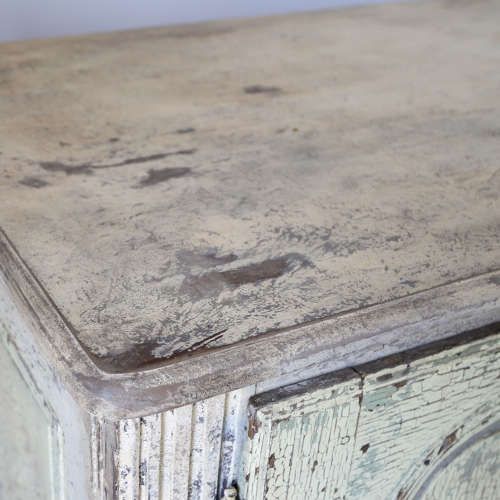
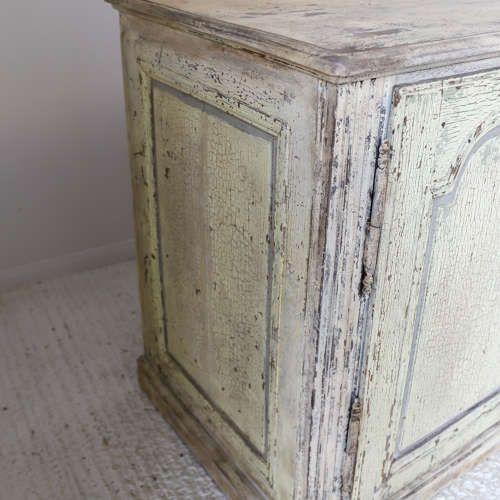
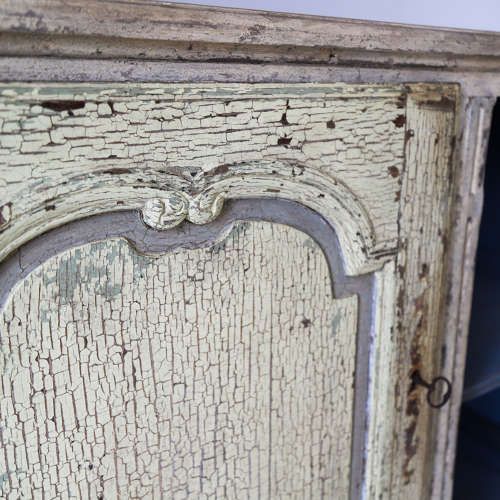
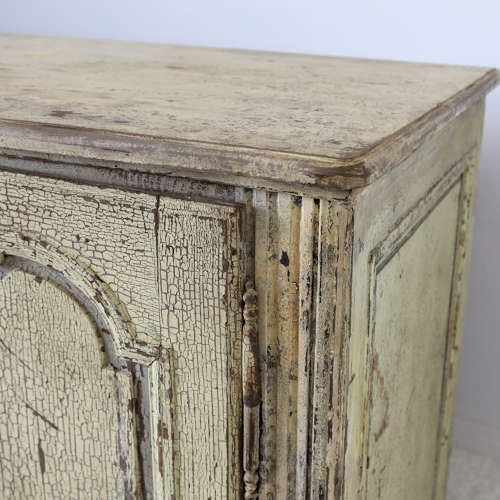
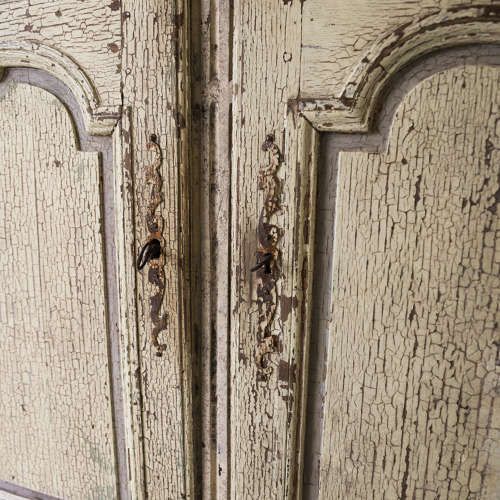
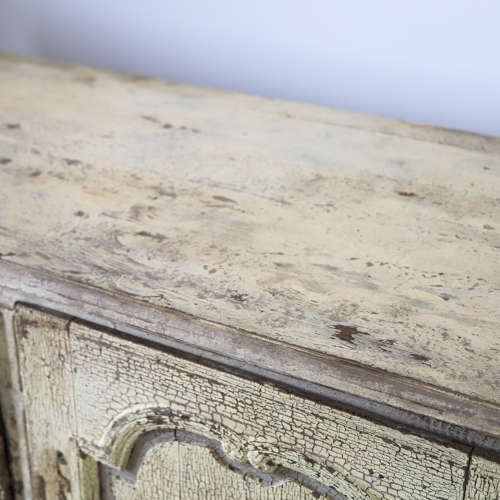
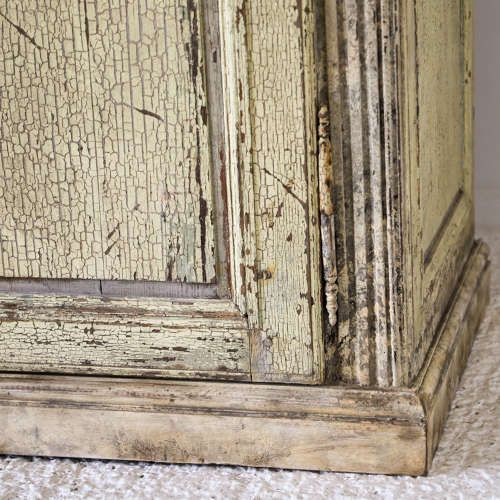
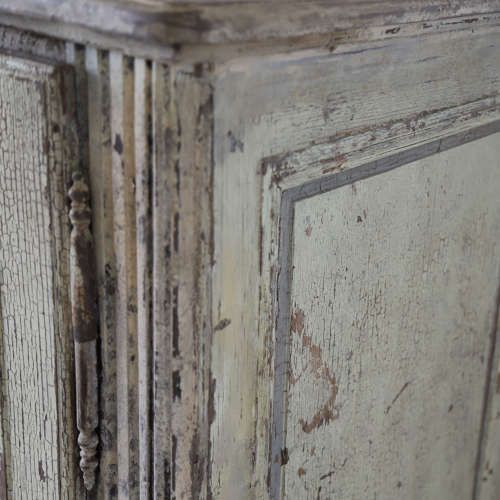
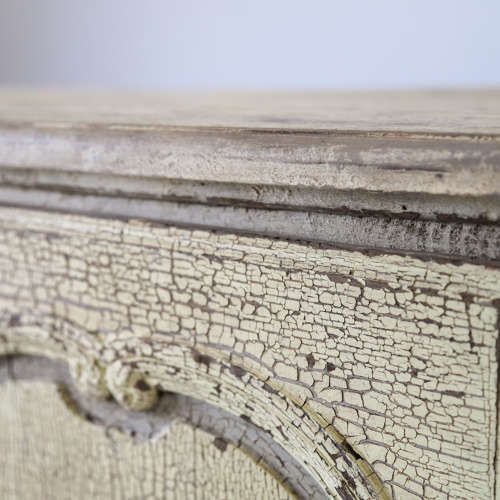
Original crackled paint to doors and end panels from original item
Later painted where necessary to complement the original paint
H: 105cm (41.3") W: 233cm (91.7") D: 72cm (28.3")
You are fortunate enough to encounter one so please appreciate it as a piece of art that encapsulates the elegance and sophistication of French design from a bygone era and enjoy the aesthetic, functionality and testament to opulence and excellent refined taste.
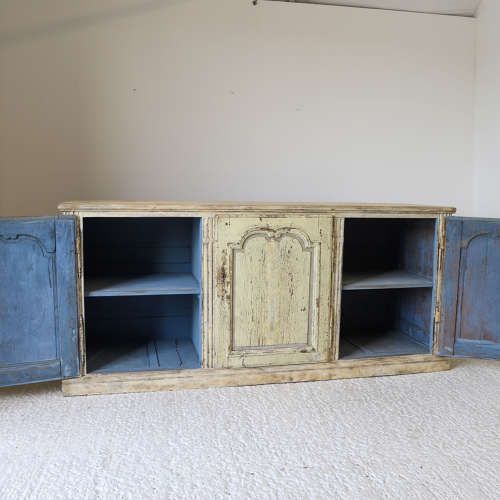
(1) Buffet de Chasse (Hunting Buffet) or Buffet de Boiserie (Wood panelled Buffet) are an exquisite and distinctive type of furniture that originated in France during the 17th and 18th Centuries and reflect the rich history and craftsmanship of their time. They were made from solid wood, including light oak, walnut, or cherry by highly skilled artisans and combined functionality with elegance. The term “boiserie” also refers to the wood panelling often used in interior decoration during the same period.
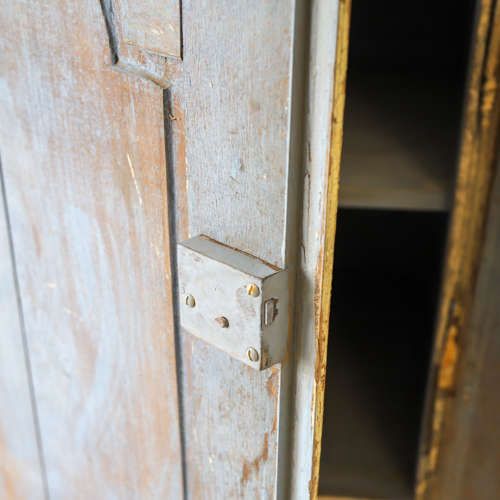
These buffets served both practical and decorative functions and served as testament to the host’s opulence and refined taste; they were found in elegant homes and hunting lodges or hunting pavilions, kitchens, or dining rooms. Their purpose was to display and present game pieces after a hunt or to carve meat and during meals the doors were left open to showcase the host’s wealth through the display of fine dishes, silverware, and faience.
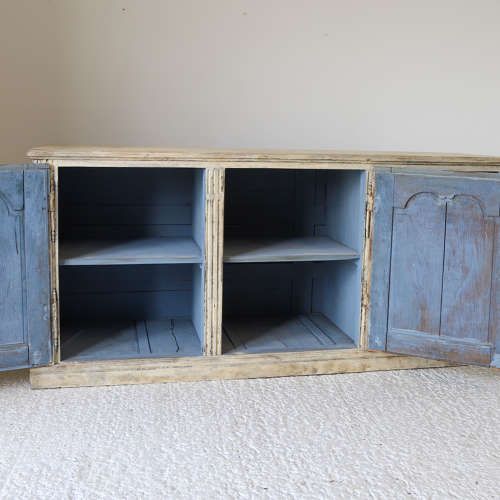
These buffet are characterized by their robust construction and typically feature a façade with two doors (single or double evolution) and drawers (two small lateral drawers for buffets from the Ile-de-France region and two larger drawers hidden behind closed doors for Lyonnais buffets. Buffets de chasse were born in Paris during the 18th century. They are often longer than most other buffets and are crowned with a thick marble or stone top and are usually mounted on a plinth and have simple mouldings.
Whites Antiques has dated this piece to the 18th Century.
White's antiques collective is the perfect resource for both trade and private clients
You can view the stock and full dealer information on the Whites Antiques Profile Page
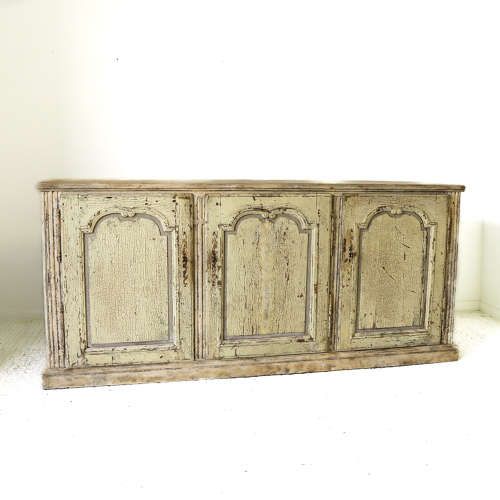
French 3 Door Enfilade from Built in 18th Century Buffet De Chasse