


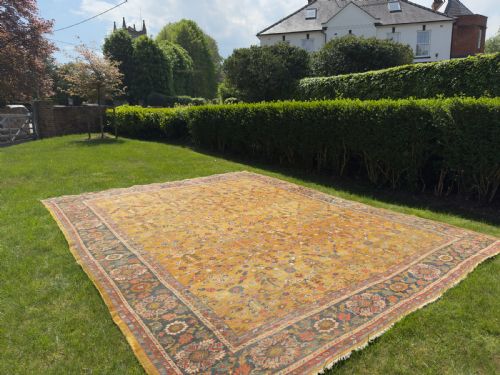

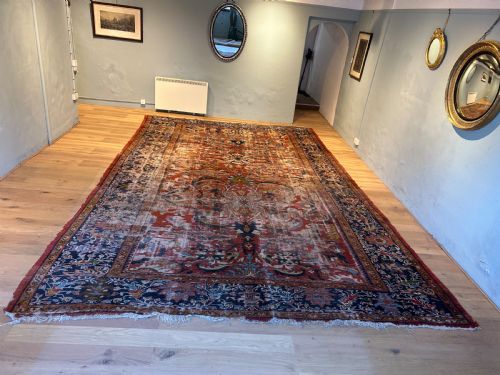


Ziegler Sultanabad Carpet
A ziegler sultanabad carpet brings large-scale Persian floral design and muted palettes into a room, offering durability and grand decorative presence.
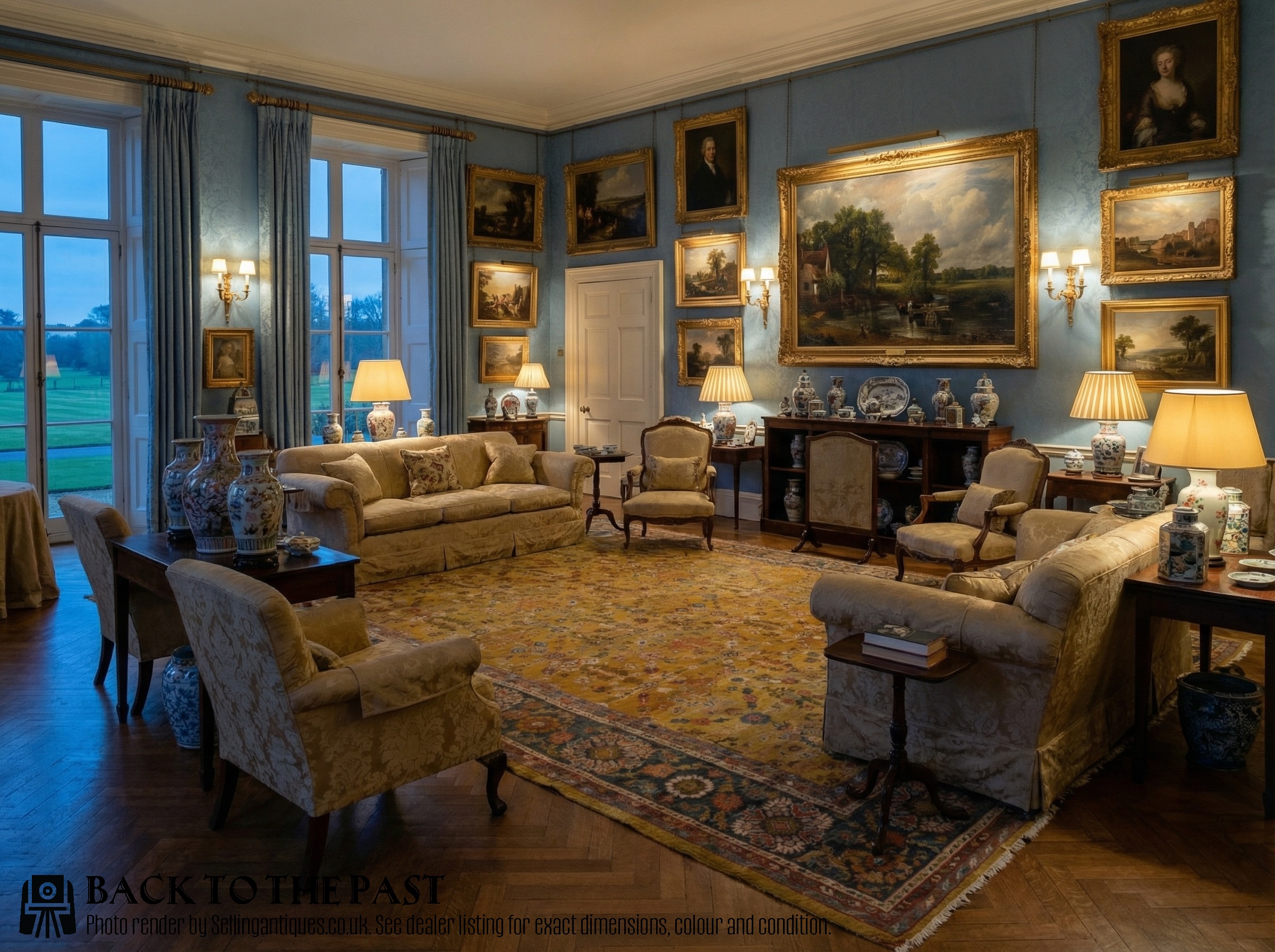
Ziegler Sultanabad Carpet
A ziegler sultanabad carpet represents nineteenth-century Persian weaving developed largely to suit Western tastes for softer, more muted tones. These floor coverings typically span large formats, including palace sizes suitable for substantial rooms.
The pieces appearing on this page belong to the nineteenth century, specifically dating around eighteen hundred and eighty to eighteen hundred and ninety. They combine traditional Persian Sultanabad designs with distinct coloration that distinguishes them from standard village rugs.
Forms seen here include rugs and carpets as well as area rugs designed for significant spatial impact. Buyers seek these floor coverings for their expansive floral motifs and historical room-scale presence.
How They Were Made
These carpets are constructed using wool for the pile and cotton for the foundation structure. The pairing of a wool pile over a firm cotton warp and weft provides the necessary strength for large floor coverings.
Weavers knotted the wool by hand onto the cotton foundations, executing complex floral patterns that define the Persian Sultanabad and Ziegler styles. Natural dyeing methods yielded the characteristic muted and soft palettes seen across these nineteenth-century examples.
Ziegler Sultanabad Carpet Retail Price Guide 2026
Typical asking prices for ziegler sultanabad carpet among the pieces listed under this phrase on Sellingantiques today, from the lower quarter to the upper quarter. They describe what is for sale here now, not the wider market.
Listings on this site exclusively feature nineteenth-century pieces employing wool and cotton materials within Persian Sultanabad and Ziegler styles.
What Varies in Quality
Quality in these carpets rests on the fineness of the knotting and the precision of the large-scale floral drawing across the expansive field. Tighter construction supports better longevity under foot traffic.
The subtlety of the palette and the preservation of the original wool pile determine the visual standing of each piece. Superior examples maintain balanced proportions across palace formats without distortion in the central medallion or border guards.
The Ziegler Sultanabad Carpet Glossary
- Sultanabad carpet
- A nineteenth-century Persian carpet type known for oversized floral patterns and commercial production aimed at Western markets. These pieces often feature muted coloration compared to other Persian districts.
- Ziegler carpet
- A classification often applied to nineteenth-century Persian carpets produced or commissioned under foreign enterprise, particularly the firm Ziegler and Co. They share design affinities with Sultanabad production.
- Pile
- The vertical or slanted soft woolen surface of the carpet formed by the cut ends of knots. This layer absorbs wear and displays the design.
- Warp
- The stationary vertical cotton threads stretched on the loom before weaving begins. The fringe is typically a continuation of these structural threads.
- Weft
- The horizontal threads passed alternately over and under the warp threads to secure the rows of knots. Cotton is standard for this structural element in these carpets.
Ziegler Sultanabad Carpet: Frequently Asked Questions
How do I clean a ziegler sultanabad carpet?
Professional specialist cleaning is essential for nineteenth-century wool and cotton floor coverings. Regular gentle vacuuming without a rotating brush helps remove surface dust.
Avoid household chemical treatments or excessive moisture, which can damage the natural dyes and historical fibres. Specialist conservators understand how to handle the delicate balance of wool pile and cotton foundations.
Where should I place a large carpet?
These nineteenth-century pieces suit principal reception rooms, drawing rooms, or dining spaces where their generous scale can be appreciated. They anchor furniture arrangements effectively when placed with enough surrounding floor space to show the borders.
Keep such floor coverings away from direct, harsh sunlight to protect the soft dyes from fading unevenly. Using a quality underlay provides cushioning and prevents slipping on hard floors.
What defines a palace size carpet?
Palace size refers to exceptionally large floor coverings designed for grand nineteenth-century architectural spaces. These pieces often exceed standard room dimensions to fill vast reception halls.
Their substantial scale requires considerable floor area and robust foundational support in the room. The grand proportions allow complex, oversized floral motifs to display fully.
How do I date a nineteenth-century Persian carpet?
Dating relies on stylistic markers, material analysis, and structural characteristics typical of the period around eighteen eighty to eighteen ninety. The specific handling of botanical motifs and the muted palette offer strong chronological clues.
Comparative study of nineteenth-century weaving centres helps place undated examples within this specific timeframe. Experts examine the handling of the cotton foundation and wool spin to confirm the era.