
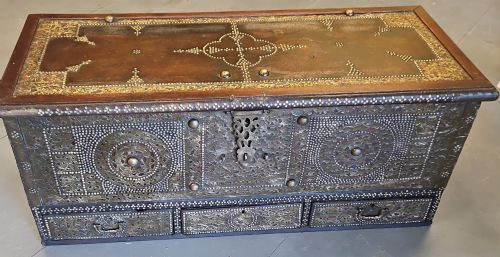


Zanzibar Wooden Coffer
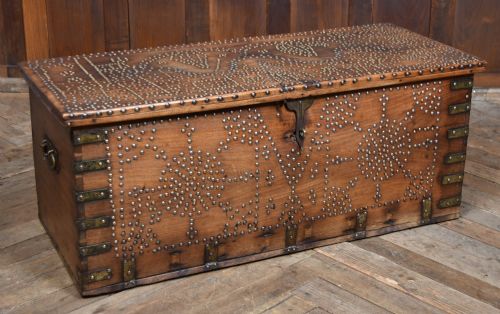
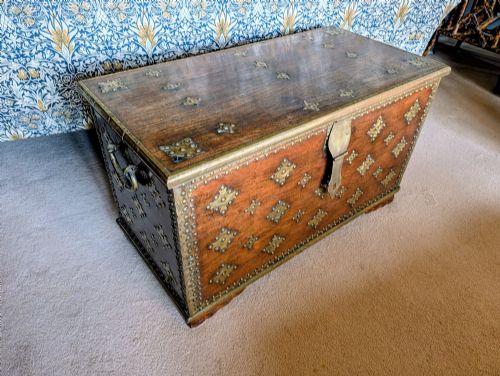
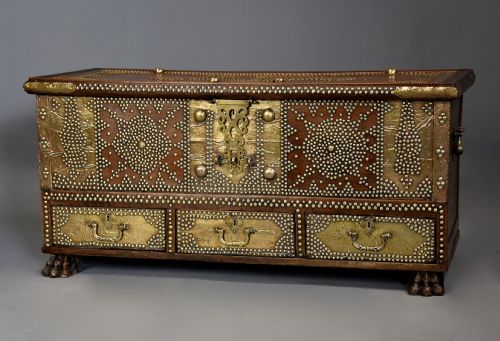
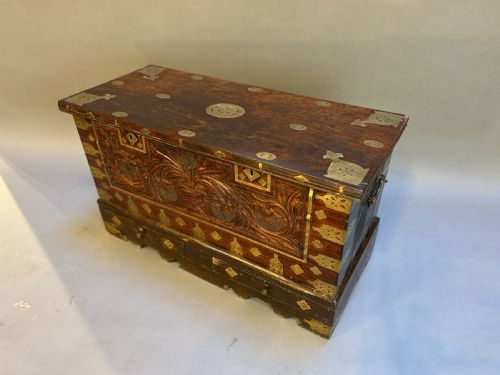
A zanzibar wooden coffer brings heavy hardwood timber, brass studding and intricate metalwork straight from East African trade routes into a modern home.
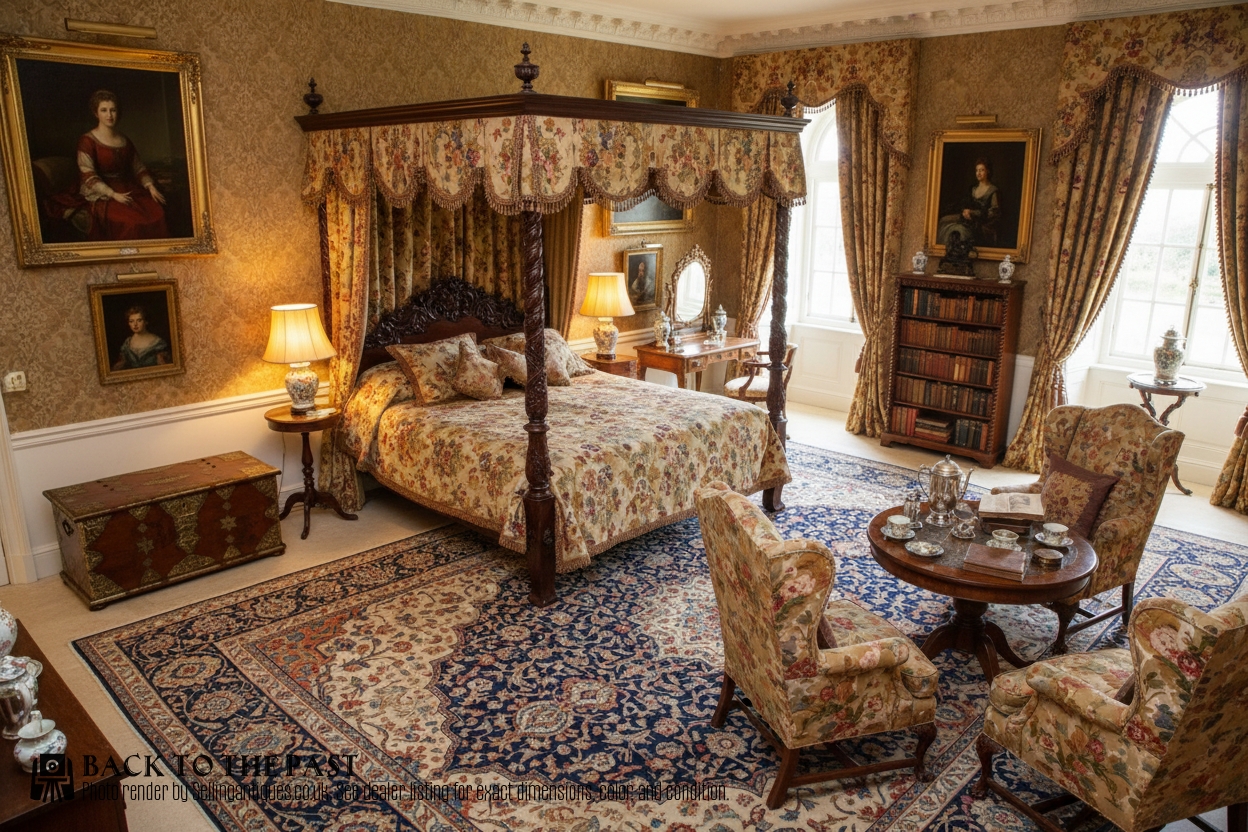
Zanzibar Wooden Coffer
A zanzibar wooden coffer is a substantial storage chest built for maritime trade and domestic use, appearing primarily in nineteenth-century and Victorian iterations. These heavy pieces function effectively as blanket boxes or storage trunks while serving as striking focal points in a room.
The most common form on this page is the rectangular hardwood chest fitted with decorative brass studwork and metal straps. These versatile boxes combine practical capacity with decorative regional craftsmanship.
Originating from East African coastal trade, these chests incorporate colonial Anglo-Indian styles and Middle Eastern design influences. They stand apart from standard European furniture through their dense tropical timbers and elaborate metal mounts.
Materials and construction
Makers built each zanzibar wooden coffer using dense tropical hardwoods such as teak, padouk, and rosewood. These durable timbers withstand heavy use and maritime climates while taking a rich natural polish.
Constructors reinforced the wooden body with iron and brass hardware, adding structural strength alongside decorative impact. Elaborate brass stud decoration and metal strapping protect the corners and edges of the lid and base.
Listings span the nineteenth century and the Victorian era, utilising dense timbers like teak, padouk, and rosewood alongside brass and iron.
Judging quality and craftsmanship
Quality rests in the density of the hardwood timber and the precision of the metalwork. Finely made examples feature tight joinery and meticulously hammered brass studs rather than loose fittings.
The intricacy of the brass and copper decoration distinguishes superior pieces from simpler utility trunks. Heavier gauge metal straps and complex geometric stud patterns indicate a higher tier of regional workshop production.
The Zanzibar Wooden Coffer Glossary
- Padouk
- A dense tropical hardwood prized for its reddish-brown colour and durability. This timber forms the primary structure of many nineteenth-century storage chests.
- Studded
- A decorative technique using rows of brass or iron nails hammered into the wooden surface. These metal points form geometric patterns across the lid and front panels.
- Carriage trunk
- A portable storage box designed for travel and transport across land or sea. These chests feature robust wooden construction to protect contents during transit.
- Anglo-Indian
- A design style blending British furniture forms with traditional Indian craftsmanship. This aesthetic appears frequently in nineteenth-century colonial export pieces.
Zanzibar Wooden Coffer: Frequently Asked Questions
What is a zanzibar wooden coffer used for?
These pieces serve as heavy storage chests, blanket boxes, or decorative trunks within a room. Their deep interiors accommodate household linens, blankets, and bulky items.
Beyond simple storage, their striking brass studding and dark hardwoods allow them to function as coffee tables or statement accent furniture in living spaces.
How do I date a zanzibar wooden coffer?
Dating relies on examining the timber species, the style of the brass hardware, and the construction methods used in the box. Most examples date from the nineteenth century and the Victorian era.
Clues appear in the specific configuration of the metal straps and the presence of regional workshop traits rather than stamped maker marks.
Which woods are used in these chests?
Makers constructed these storage boxes from durable tropical hardwoods including teak, padouk, and rosewood. These heavy timbers resisted humidity and wear during maritime transport.
The natural grain of the wood provides the dark, rich backdrop for the characteristic brass studwork.
Are these chests authentic antiques?
The listings comprise nineteenth-century and Victorian pieces originating from East African and colonial trade routes. Their materials and construction reflect the traditional methods of that era.
Each box carries the patina and wear accumulated through decades of maritime and domestic use.