




Yorkshire Dales Artwork
Yorkshire dales artwork captures northern landscapes through watercolours and oil paintings rooted in early twentieth century British traditions.
Yorkshire Dales Artwork
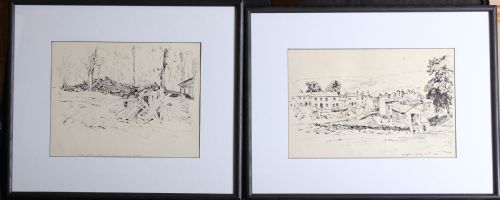
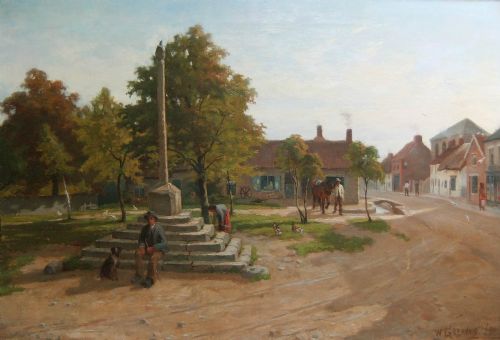
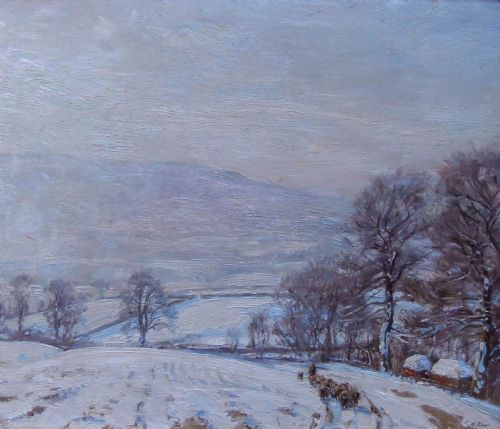
Yorkshire dales artwork encompasses regional landscape paintings and drawings that depict notable northern valleys, rivers, and stone barns. When exploring yorkshire dales artwork, buyers encounter framed scenes of Wensleydale, Swaledale, and Wharfedale created across several decades.
The selection centres on original watercolours and oil paintings produced from the late Victorian era through the mid-century period. Landscapes dominate the subjects, recording specific locations such as Bolton Castle, Aysgarth Falls, and local dales villages.
Most examples originate from British artists working during the first half of the twentieth century. These pieces reflect regional topography through distinct stylistic movements including British Impressionism and modern realism.
How they were made
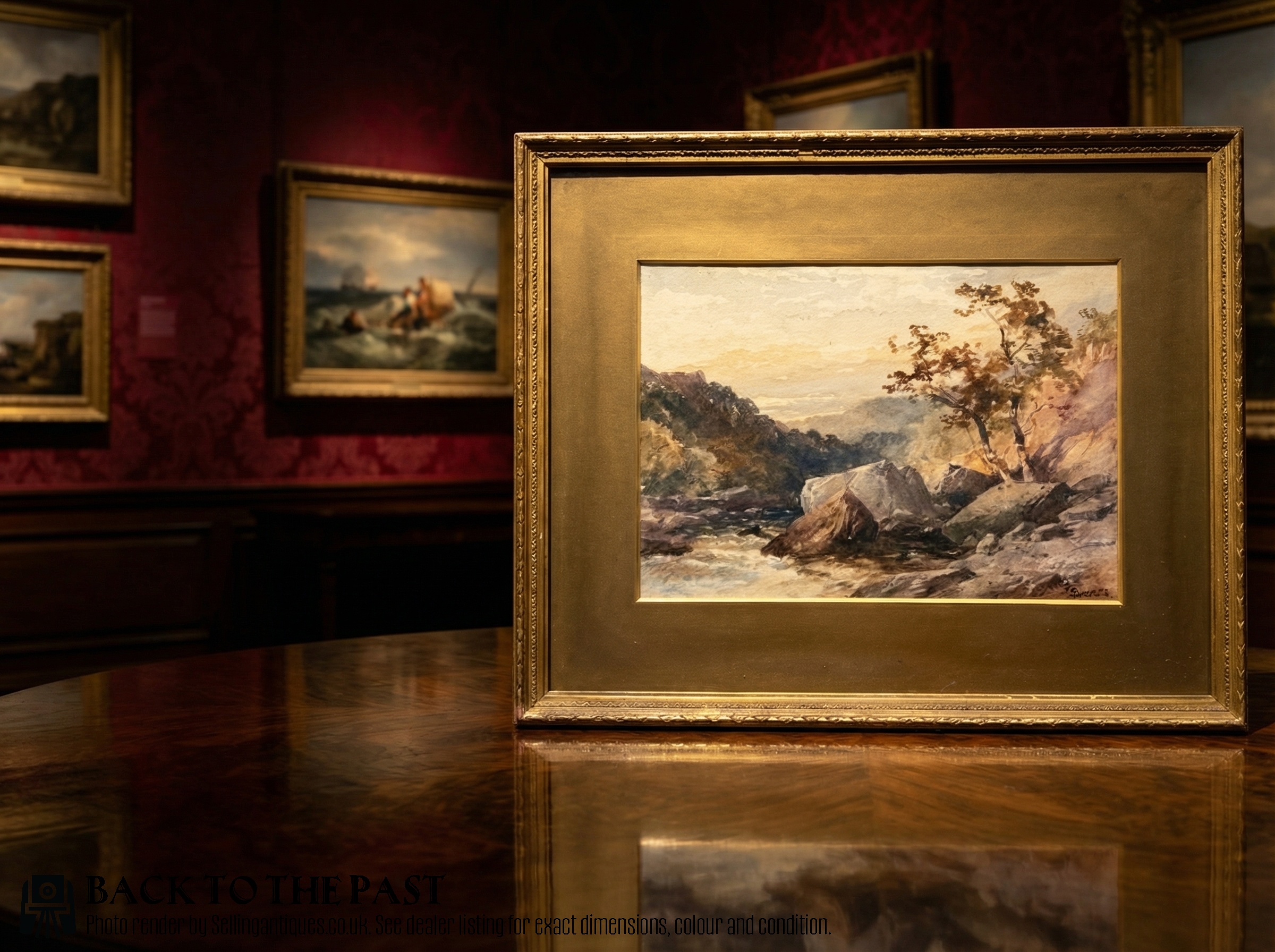
Artists utilise traditional pigment applications, working primarily with oil paint on canvas or board, and ink with watercolour on paper. Oil paintings build rich surface textures through layered brushwork, whilst watercolours rely on fluid washes and ink line work.
Support materials range from stretched canvas and wooden board to heavy watercolour paper. Works are frequently signed by the artist and preserved within period frames that complement the regional subject matter.
Mediums documented in the archive include oil on canvas, watercolour on paper, and combined ink and watercolour drawings.
What varies in quality
Quality rests upon the artist's handling of light, atmosphere, and local topography. Stronger compositions capture the specific weather and seasonal conditions of northern landscapes with confident brushwork or assured ink and wash technique.
The integration of regional architecture and natural terrain distinguishes accomplished works from standard topographical views. Provenance and documentation regarding specific dales locations further establish the standing of individual pieces.
Fred Lawson·William Greaves·Arthur Reginald Smith·Reginald Grange Brundrit·John Frederic Greenwood·Herbert Royle·Ernest Higgins Rigg·Walter H. Allcott
The Yorkshire Dales Artwork Glossary
- Watercolour
- A painting method where fine pigment is suspended in water-soluble binders and applied to paper. This medium allows for luminous washes that suit atmospheric northern skies.
- Oil Paint
- A slow-drying medium composed of pigment particles suspended in a drying oil, typically linseed. It permits deep colour saturation and visible impasto texture on canvas or board.
- British Impressionism
- An artistic approach focusing on natural light and outdoor scenes, prominent in Britain from the late nineteenth century onwards. Practitioners sought to capture transient weather and seasonal daylight.
- Ink
- A liquid containing pigments or dyes used for writing, drawing, or outlining. In these regional works, ink provides precise structural lines beneath watercolour washes.
- Canvas
- Heavy woven fabric stretched across a wooden frame to serve as a support for oil paintings. It provides a flexible yet durable surface for textured brushwork.
Yorkshire Dales Artwork: Frequently Asked Questions
What subjects appear in yorkshire dales artwork?
These works primarily depict northern English landscapes, including rivers, valleys, castles, and rural farm buildings.
Specific locations such as Wensleydale, Swaledale, and Wharfedale recur frequently across the selection.
Which materials do artists utilise for these paintings?
Painters and draughtsmen utilise oil paint on canvas or board, alongside watercolour and ink on paper.
These traditional media capture both the soft light of river valleys and the stark conditions of winter scenes.
From which period do most pieces date?
The majority of pieces originate from the first half of the twentieth century, spanning from the Edwardian era through the mid-century period.
Victorian and late nineteenth-century examples also appear among the selections.
How do I identify different regional locations?
Artists frequently titled their works with exact northern place names, referencing local bridges, falls, and villages directly on the piece or documentation.
Familiarity with Yorkshire geography helps connect depicted structures like Bolton Castle or Crackpot Ghyll to specific dales.