



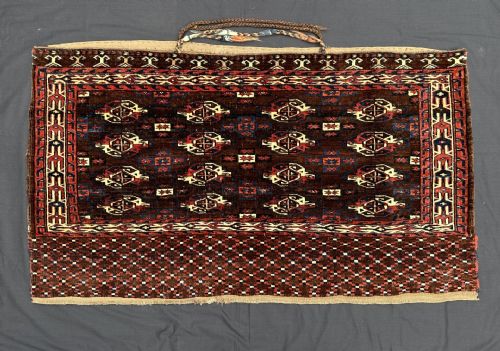

Yomut Turkmen Carpet
A yomut turkmen carpet brings the geometric depth of Central Asian tribal weaving into domestic interiors through rich wool pile and distinctive regional guls.
Yomut Turkmen Carpet
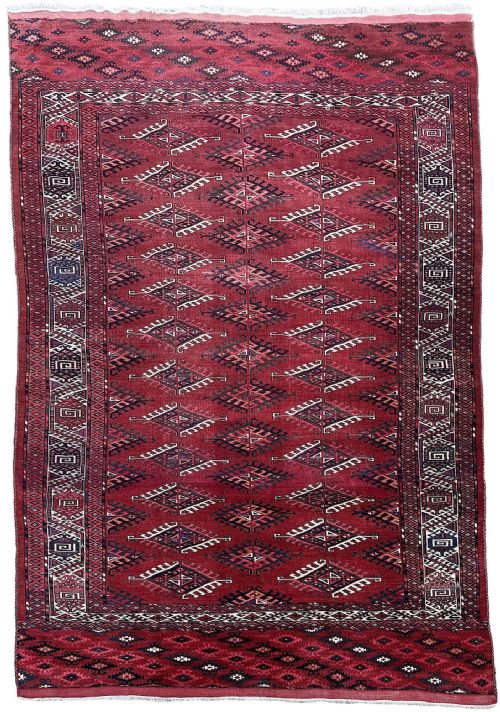
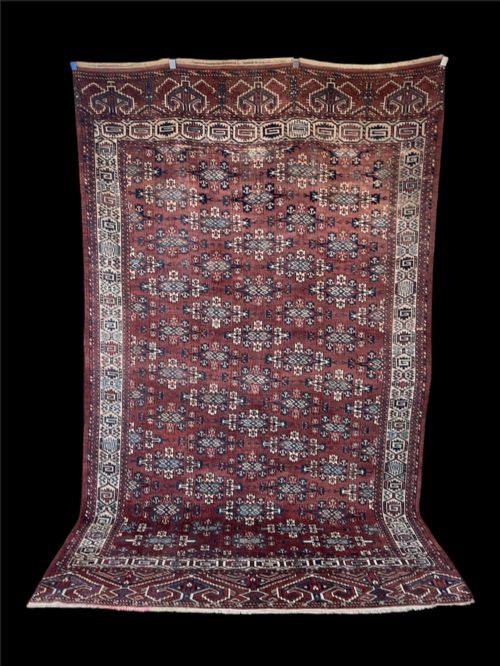
A yomut turkmen carpet forms part of a rich nomadic weaving tradition originating from the Trans-Caspian steppes of Central Asia. These tribal textiles encompass large main carpets, smaller rugs, and functional domestic items created by the Yomut tribe.
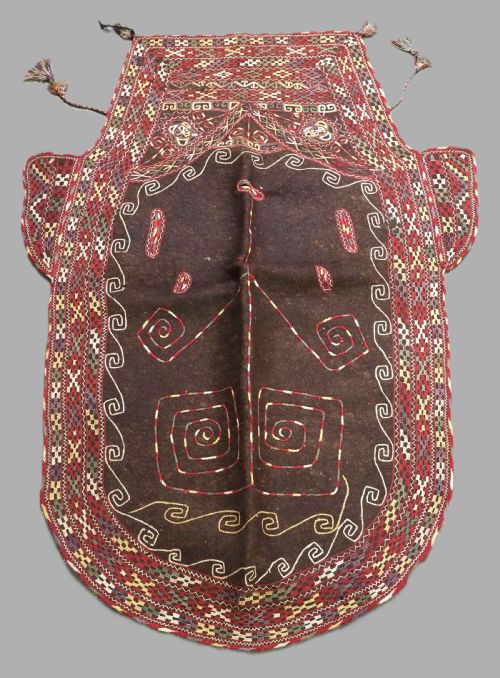
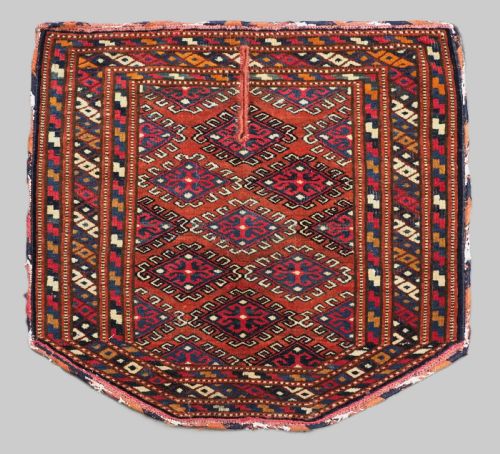
The selections available range from expansive nineteenth-century main carpets featuring repeating motifs to smaller utilitarian formats like storage bags and trapping pieces. Buyers encounter various weaving styles, including piled formats and flatwoven structures.
Makers within this tradition utilised specific tribal iconography, rendering pieces distinct from neighbouring groups through characteristic border arrangements and medallion structures. The historical provenance spans the nineteenth and early twentieth centuries.
How They Were Made
Weavers constructed these textiles predominantly using hand-spun wool for the pile, foundation threads, and supplementary details, often combining natural dyes to achieve deep colour palettes. Certain ceremonial or specialised objects incorporate cotton thread, felted wool, or silk thread elements.
Production techniques varied between dense pile knotting for floor coverings and flatweave methods such as soumak structures for smaller bags and trappings. Long kilim ends and banded flatweave designs frequently terminate the ends of these hand-woven items.
Yomut Turkmen Carpet Retail Price Guide 2026
Typical asking prices for yomut turkmen carpet among the pieces listed under this phrase on Sellingantiques today, from the lower quarter to the upper quarter. They describe what is for sale here now, not the wider market.
Spindle-bags designed for collecting raw yarn remind us that even domestic utility items required meticulous artistic effort on the steppe.
What Varies In Quality
Quality rests upon the precision of the drawing within major tribal motifs like the kepse gul or dyrnak gul, alongside the saturation and harmony of the natural dye palette. Tightly packed knotting and resilient wool handle distinguish superior structural integrity.
The sophistication of secondary ornament, such as curl leaf borders and well-drawn elem panels, elevates specific examples above standard utilitarian items. Intact long kilim ends and sound condition across early textile formats reflect careful preservation.
The Yomut Turkmen Carpet Glossary
- Gul
- A primary repeating octagonal medallion used across tribal carpets to identify specific regional groups. These motifs form the structural anchor of the field design.
- Torba
- A small rectangular storage bag created for domestic utility within the nomadic tent. These pieces frequently display detailed face designs analogous to larger formats.
- Chuval
- A large tent storage bag traditionally employed for household possessions. Collectors prize these items for their concentrated display of tribal iconography.
- Ensi
- A specialised carpet functioning as a tent door-hanging, characterised by a tiered candelabra or cross design dividing the field. Lower panels known as elems complete the composition.
- Asmalyk
- A pentagonal or trapeze-shaped camel trapping utilised during wedding processions. These decorative textiles display elaborate pile work and tassels.
- Soumak
- A wrap-faced flatweaving technique producing a durable surface without cut pile. This method creates textured geometric patterns distinct from standard knotted construction.
Yomut Turkmen Carpet: Frequently Asked Questions
How do I identify a yomut turkmen carpet?
Look for distinct octagonal guls such as the kepse or dyrnak patterns set against deep madder fields, framed by characteristic curl leaf borders. These design markers separate the tribal output from neighbouring regional workshops.
Examination of the structural materials, including hand-spun wool and natural dye variations, further assists in confirming tribal origin and nineteenth-century provenance.
Where were these tribal carpets made?
The pieces originate from the Trans-Caspian steppes of Turkmenistan and surrounding Central Asian regions. Yomut nomads produced these textiles within tribal encampments for personal domestic use and ceremonial purposes.
Survival of these historical weavings reflects a nomadic lifestyle deeply intertwined with skilled animal husbandry and textile production.
How should I care for antique wool rugs?
Protect the hand-spun wool pile from direct sunlight to preserve natural dye integrity over decades of display. Vacuum gently with suction only, avoiding revolving bristle brushes that catch ancient foundation threads.
Rotate the textile periodically to ensure even wear across high-traffic areas if placed on floors, or mount lighter pieces securely for wall display.
What is the difference between a main carpet and a bag face?
Main carpets provide expansive floor coverings with repeating primary guls across large field dimensions. Bag faces represent fragments or complete utilitarian sacks originally designed for storage inside tents.
While carpets prioritise balanced overall field repetition, smaller items concentrate intricate tribal motifs into dense, highly detailed formats.