


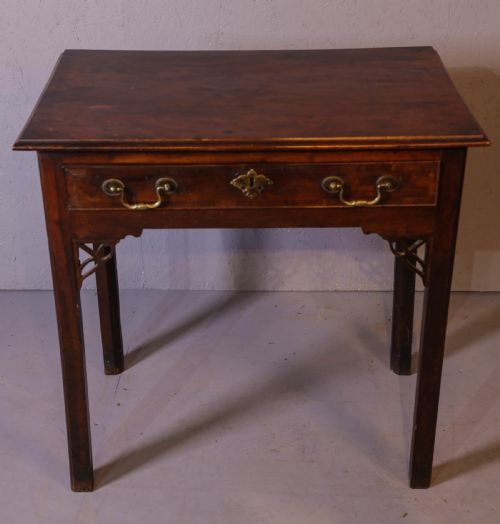


Yew Wood Writing Desk
Yew wood writing desk selections bring warm character and distinctive grain into a study, offering functional workspace rooted in centuries of British and European cabinet-making.
Yew Wood Writing Desk
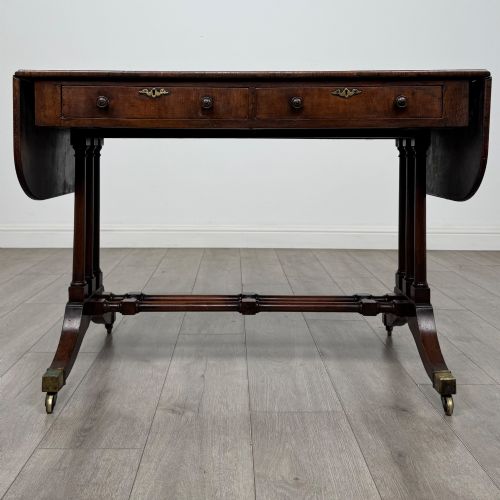
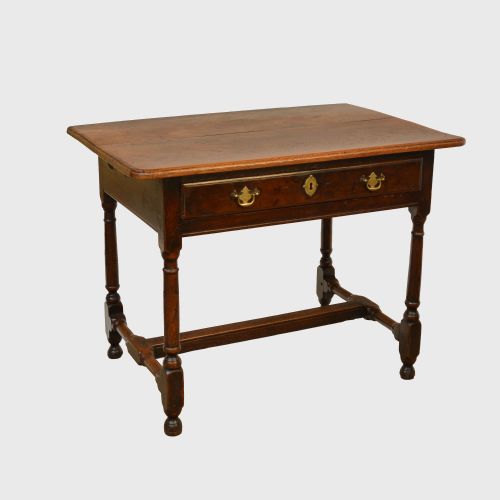
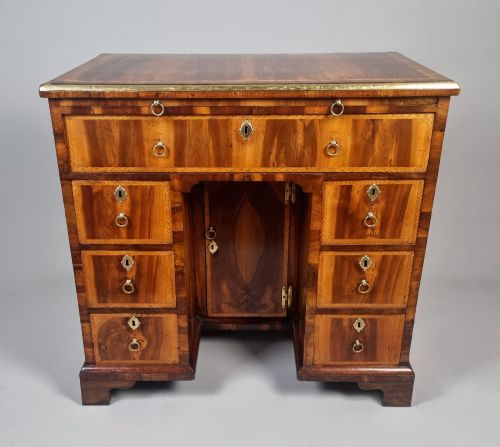
A yew wood writing desk encompasses a diverse range of forms designed for writing, storage, and display, including bureaux, writing tables, and kneehole desks. These pieces span from the 18th century through the Georgian, Regency, and Victorian periods, reflecting shifting domestic habits over generations.
The version most commonly encountered on this page is the compact Georgian or 19th-century writing table or bureau, often incorporating secondary timbers like elm and oak. Makers utilised the rich natural patterning of yew and burr yew to create striking visual surfaces on working furniture.
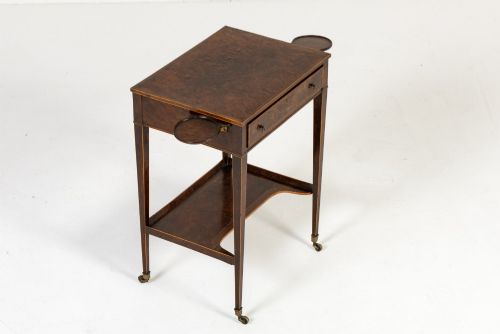
Object types vary widely from side tables and sofa tables to elaborate bureau bookcases and miniature kneehole desks. Each form reveals how earlier craftspeople adapted native yew timber for daily administrative and literary tasks.
Materials and construction methods
Cabinet-makers constructed these desks using solid yew or yew veneers laid over supportive secondary timbers such as elm and oak. The natural timber often featured distinctive figuring, complemented by brass hardware and occasionally glass or leather inserts.
Techniques ranged from straightforward joining of native woods in country workshops to sophisticated veneering and featherbanding seen in formal urban pieces. Structural integrity depended on traditional joinery that accommodated the lively grain and movement of yew.
Yew Wood Writing Desk Retail Price Guide 2026
Typical asking prices for yew wood writing desk among the pieces listed under this phrase on Sellingantiques today, from the lower quarter to the upper quarter. They describe what is for sale here now, not the wider market.
Cabinet-makers occasionally integrated stubborn knots into drawer fronts, turning natural tree imperfections into playful decorative swirls.
Distinctions in quality
Quality in a yew wood writing desk rests upon the selection and matching of the timber figure, particularly the density and warmth of the burr yew or figured yew veneers. Superior examples display thoughtful grain continuity across drawers and surfaces rather than random patching.
The refinement of the internal drawers, the retention of original brasses, and the crispness of any inlaid details separate standard utilitarian pieces from high-status workshop production. Structural proportion and the integration of secondary woods like elm and oak further define the grade of the piece.
The Yew Wood Writing Desk Glossary
- Burr yew
- A growth deformity in the yew tree that yields highly figured, swirling timber grain. Cabinet-makers prized this material for decorative veneering on prominent desk surfaces.
- Bureau
- A sloping-lidded desk that covers a cluster of internal small drawers and pigeonholes. This form provides secure storage for correspondence and writing materials.
- Featherbanding
- A decorative form of inlay using small strips of veneer laid diagonally to form a herringbone pattern around drawer edges. This technique frames the primary timber face.
- Kneehole desk
- A compact desk featuring a central recessed space for the user's legs, flanked by pedestals of small drawers. It maximises storage within a modest footprint.
- Secretaire
- A cabinet or chest containing a fitted pull-down writing drawer that conceals a small compartment. It combines the storage of a case piece with a writing surface.
Yew Wood Writing Desk: Frequently Asked Questions
How do I care for a yew wood desk surface?
Maintain the timber by applying a quality beeswax periodically and avoiding direct sunlight or excessive heat. This preserves the natural lustre of the yew grain without damaging the historic finish.
Keep liquids away from the writing surface and use coasters or blotters. Gentle dusting with a dry cloth prevents dust accumulation in the intricate grain patterns.
How do I identify a Georgian yew desk?
Examine the construction methods, secondary timbers like oak or elm, and the characteristic proportions typical of the 18th century. Georgian pieces often display restrained lines and subtle brass hardware suited to domestic interiors of the period.
Look closely at the drawer linings and backboards for signs of hand-cut joinery and period-appropriate tool marks. The use of native yew was particularly favoured by regional English cabinet-makers during this era.
Can I use a antique yew desk daily?
These desks served as functional furniture for generations and remain well-suited for contemporary writing and laptop use. Careful daily usage ensures the historic timber and joints experience minimal stress.
Ensure that drawers are pulled evenly and avoid overloading delicate interior compartments. Treating the piece with practical respect allows it to continue its working life in a modern study.