




Yew Wood Tripod Stand
A yew wood tripod stand brings warm grain and nimble three-legged form to small spaces, offering a versatile surface for a lamp or a glass.
Yew Wood Tripod Stand
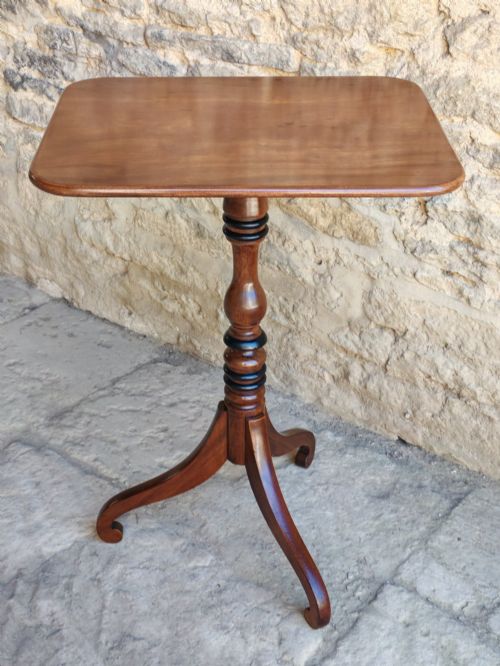
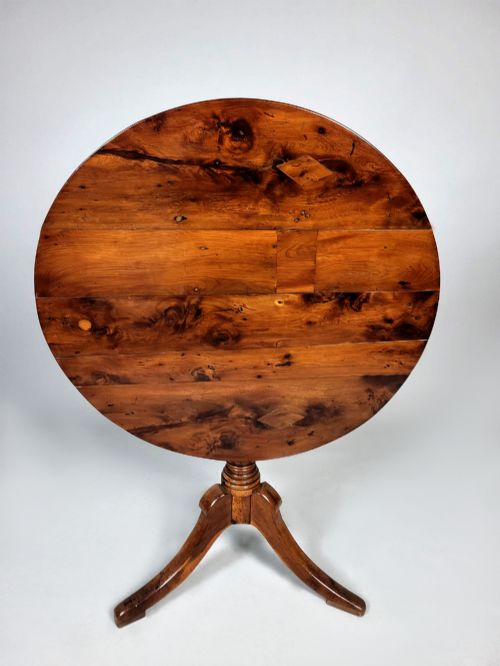
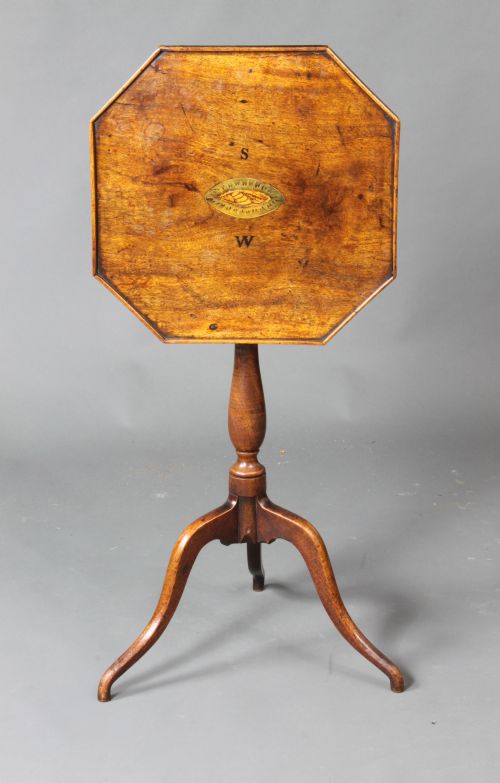
When you search for a yew wood tripod stand, you are looking at small occasional tables designed to balance a single pillar on three splayed legs. The pieces listed on this page span the eighteenth century, the Georgian era, and the Regency period, showcasing forms traditionally used as wine tables, lamp tables, or kettle stands.
How they were made
Cabinetmakers constructed these stands using native timbers like yew, oak, and burr oak, frequently turning the central column on a lathe to create shapely profiles. Tops were often fashioned from single boards or matched veneers to highlight the striking natural grain patterns of the wood.
The three-legged bases were joined to the central pillar using traditional pegging or dovetail construction to ensure stability without the need for a heavy footprint. Ebonising or brass details occasionally appear to accent the primary timber.
Yew Wood Tripod Stand Retail Price Guide 2026
Typical asking prices for yew wood tripod stand among the pieces listed under this phrase on Sellingantiques today, from the lower quarter to the upper quarter. They describe what is for sale here now, not the wider market.
Materials appearing alongside yew wood include oak, burr oak, satinwood, mahogany, ebonised wood, and brass.
What varies in quality
The visual appeal of a yew wood tripod stand rests heavily on the choice and figure of the timber, where rich burr patterns and deep patination elevate the piece far above plain boards. Superior examples display careful selection of secondary woods, such as satinwood or oak, used for contrasting crossbanding or stringing.
Proportion and turning execution separate standard utility items from finer parlor pieces. A well-balanced column and neatly tapered legs ensure the table stands firmly and gracefully, whereas coarser examples lack the same refined symmetry in their joinery and turned details.
Gillows
The Yew Wood Tripod Stand Glossary
- Tripod table
- A small freestanding table supported by a central pillar and three legs. This construction allows the table to stand level on uneven floors.
- Wine table
- A compact occasional table originally designed to hold glasses and bottles during evening entertaining. These typically feature circular tops.
- Kettle stand
- A miniature table created to elevate a hot water urn or kettle near the tea table. They are among the smallest forms of tripod stands.
- Crossbanding
- A strip of veneer laid around the border of a table top with the grain running perpendicular to the centre. This technique frames the primary wood figure.
- Patina
- The deep surface sheen and rich colour developed by aged wood through handling, polishing, and light exposure over centuries.
Yew Wood Tripod Stand: Frequently Asked Questions
What is a yew wood tripod stand?
A yew wood tripod stand is a small antique table supported by a central turned column and three splayed legs. These pieces were built in circular or rectangular formats for flexible placement around a room.
They commonly function as wine tables, lamp tables, or kettle stands. The rich grain of the yew wood provides a decorative surface ideal for displaying small objects.
How were tripod stands used historically?
Historically, these tables served movable domestic functions where surface space was needed briefly and then cleared away. They held tea equipment, wine glasses, or reading materials beside seating.
Their lightweight three-legged design made them easy to shift around eighteenth and nineteenth century parlours as needed.
How do I date an antique yew stand?
Dating relies on observing the turning style of the central column, the method of leg attachment, and the overall proportions. Pieces from the Georgian and Regency periods show distinct shifts from heavier oak-supported structures to more slender, refined silhouettes.
Secondary timbers used in the construction also help narrow the era of manufacture, as makers combined yew with satinwood, mahogany, or burr oak according to prevailing tastes.
Where should I place one at home?
These stands fit well beside an armchair or sofa where a compact surface is useful for a reading lamp or a cup. Their small footprint allows them to occupy awkward corners or tight spaces without crowding a room.
Avoid placing them in direct sunlight or near heat sources to protect the historic wood finish and prevent timber splitting.