





Brown Yew Wine Table
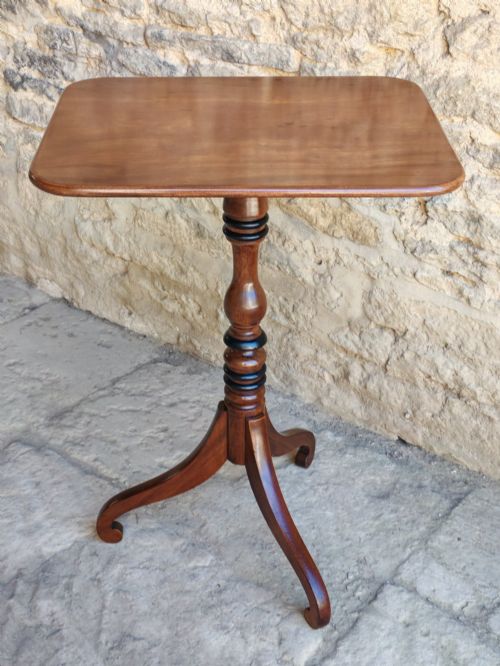
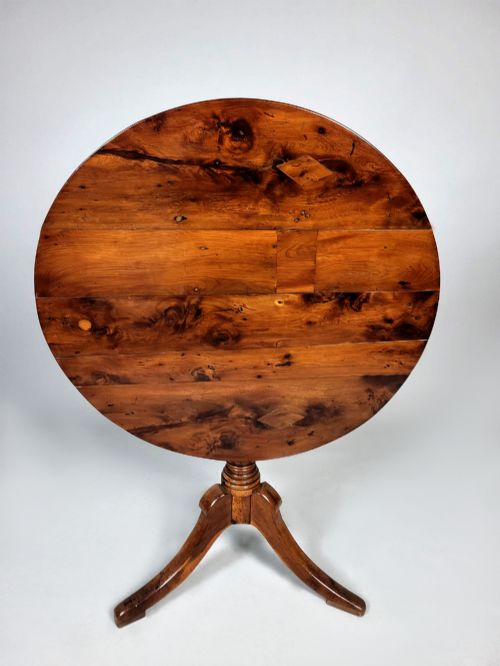
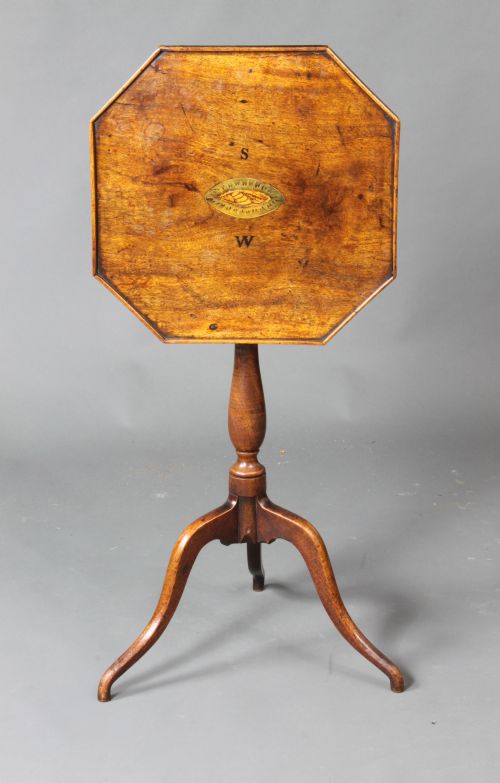
These brown yew wine table examples offer compact occasional surfaces with rich timber grain that elevate any traditional corner.
Brown Yew Wine Table
When you search for a brown yew wine table, you encounter compact occasional furniture designed for small spaces and traditional interiors. The selection spans the eighteenth century through to the twentieth century, encompassing Georgian, Regency, and later revivals.
Most examples take the form of tripod tables with circular or shaped tops supported by a central pillar. These functional pieces served historically for holding drinks or small lamps in principal rooms.
How they were made
Cabinet makers utilised solid yew wood alongside burr yew veneer to achieve striking natural patterns on the top surfaces. Timber preparation required careful seasoning to prevent warping across the circular surfaces.
Supporting structures often incorporate turned central columns and splayed legs, occasionally detailed with ebonised wood or brass elements for contrast.
Brown Yew Wine Table Retail Price Guide 2026
Typical asking prices for brown yew wine table among the pieces listed under this phrase on Sellingantiques today, from the lower quarter to the upper quarter. They describe what is for sale here now, not the wider market.
Some vintage yew tables hide centuries of spilled port beneath their charm.
What varies in quality
The visual appeal of the timber grain dictates the standing of each piece, with burr yew surfaces offering greater decorative depth than plain wood. Construction methods, from solid timber construction to veneer application, define the standard.
Proportion and the balance between the tripod base and the upper surface determine the aesthetic success of the table. Earlier eighteenth century examples display finer turning and joinery compared to later twentieth century interpretations.
Gillows
The Brown Yew Wine Table Glossary
- Tripod table
- A small freestanding table supported by three legs radiating from a central pillar. This form became popular during the Georgian period for flexibility in room layout.
- Burr yew veneer
- Thin slices of timber cut from yew tree growths applied to a secondary wood foundation. This technique displays intricate, swirling grain patterns highly prized by cabinet makers.
- Regency
- A stylistic period spanning the early nineteenth century defined by classical restraint and neoclassical influences. Furniture from this era often incorporates cleaner lines and contrasting dark woods.
- Occasional table
- A small, movable table intended for specific, intermittent use rather than permanent placement. These versatile surfaces appear throughout nineteenth and twentieth century listings.
Brown Yew Wine Table: Frequently Asked Questions
What is a brown yew wine table used for?
These compact tables serve as convenient surfaces for holding drinks, small lamps, or decorative objects in sitting rooms and hallways. Their modest footprint allows them to fit easily beside armchairs or into corners.
Historically, they provided movable tabletop space during evening gatherings before remaining as permanent decorative fixtures in traditional interiors.
How do I date a yew wood table?
Dating relies on observing construction techniques, leg profiles, and timber preparation methods visible across the piece. Earlier eighteenth century examples feature hand-turned pillars and specific joinery traits distinct from later twentieth century items.
Stylistic markers such as Regency or Georgian design idioms further help narrow the period of manufacture when combined with material inspection.
Is burr yew different from solid yew?
Burr yew refers to veneer harvested from distorted tree growths that produce highly figured, swirling grain patterns. Solid yew displays a more uniform, linear grain structure without the dense knot clusters found in burrs.
Both materials appear across the listed periods, with burr veneer typically chosen for decorative tabletops.
How should I care for yew wood furniture?
Maintain yew wood surfaces by keeping them away from direct sunlight and extreme temperature fluctuations that cause timber to dry out. Regular dusting with a soft, dry cloth preserves the polished finish.
Avoid placing damp items directly onto the wood to protect the vintage polish and underlying timber grain.