



Yew Wood Accent Tables
Yew wood accent tables bring distinctive figuring and rich warm tones to interiors through centuries of cabinet-making.
Yew Wood Accent Tables
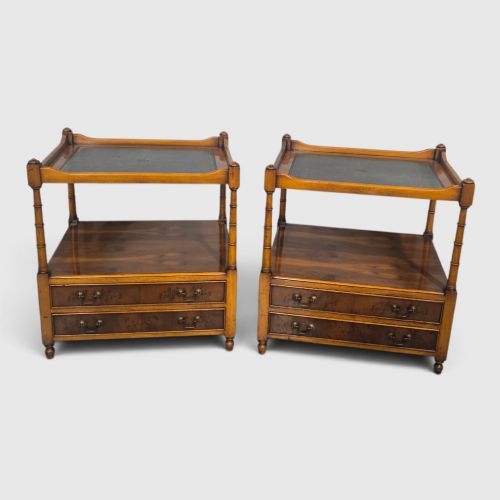
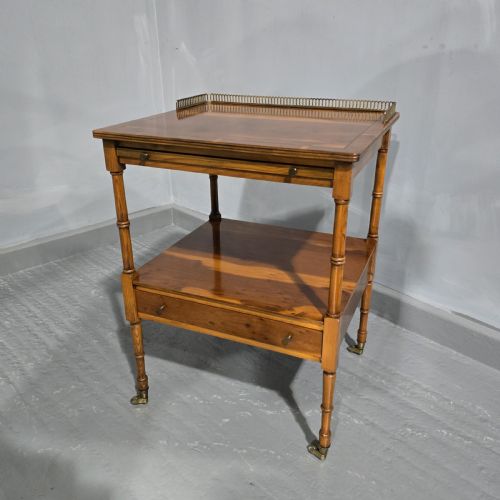
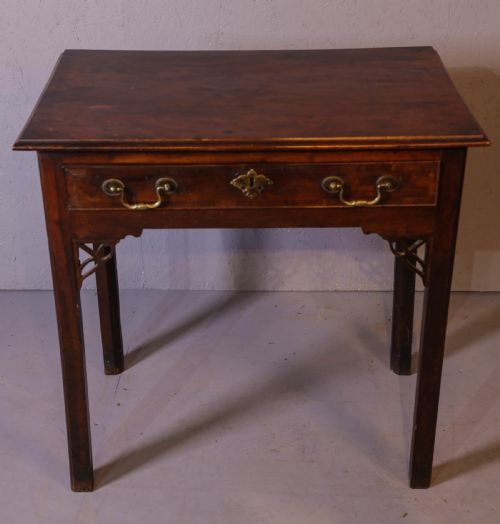
When you search for yew wood accent tables, you are looking at small-scale furniture designed to sit beside seating or in corners to hold lamps, drinks or small objects. The pieces appearing here span from the seventeenth century through the Georgian and Regency periods into the twentieth century, taking forms such as tripod tables, occasional tables, side tables, lamp tables, nests of tables, wine tables and joint stools.
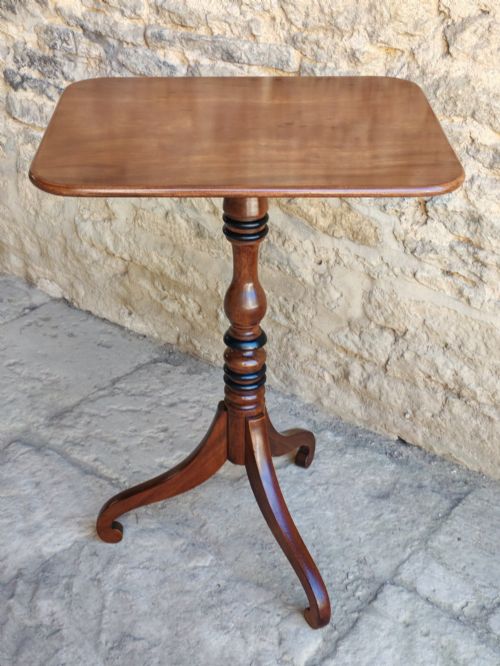
The versions you are most likely to meet on this page include nineteenth-century occasional and lamp tables alongside Georgian tripod examples. These items combine practical surfaces with decorative wood grain, utilising compact proportions that suit modern rooms just as well as traditional settings.
How they were made
Makers constructed yew wood accent tables using solid yew, burr yew veneer, oak and mahogany, often pairing the timber with brass fittings or leather inserts. Cabinet-makers selected figured timbers for table tops to highlight the natural grain patterns of the wood.
Construction methods range from traditional joined frameworks found in seventeenth-century stools to turned tripod pedestals and nesting table configurations. Ebonised wood details and contrasting secondary woods like oak appear within the evidence to support the primary yew structures.
A kettle stand from the Regency era proves that tea obsession required dedicated tiny furniture.
What varies in quality
The quality of yew wood accent tables depends heavily on the choice of timber and the complexity of the figuring on the surface. Tables featuring striking burr yew veneer or selected solid yew grain stand apart from simpler pieces built with plain timber or mixed secondary woods.
Execution of period details such as tripod pillar turnings, joinery integrity, and the integration of secondary materials like brass or leather also define the finer examples. The distinction lies in the harmony between decorative timber selection and the structural form.
Gillows
The Yew Wood Accent Tables Glossary
- Burr yew veneer
- A thin slice of wood cut from the knotted growth of a yew tree, prized for its swirling grain patterns.
- Tripod table
- A small freestanding table supported by a central pillar resting on three legs.
- Occasional table
- A small, movable table intended for use as needed rather than for a permanent specific purpose.
- Joint stool
- A sturdy wooden stool built with pegged mortise and tenon joints, originating in the sixteenth and seventeenth centuries.
- Ebonised wood
- Timber treated with a finish to imitate expensive ebony.
Yew Wood Accent Tables: Frequently Asked Questions
What periods do these yew tables come from?
The pieces seen in the listings span multiple eras, beginning in the seventeenth century and moving through the Georgian and Regency periods. Later examples date from the nineteenth and early twentieth centuries.
Maker styles also range across these centuries, incorporating traditional country designs alongside revival movements.
How were yew accent tables used originally?
These small tables served practical functions close to seating areas, holding lighting, beverages or reading materials in polite rooms. Tripod and wine tables were easily moved around a chamber as needed.
Stools and nest tables provided flexible seating and surface space that could be tucked away when not required.
What materials are combined with yew?
While yew and burr yew veneer dominate the surfaces, makers frequently used oak and mahogany for structural stability or secondary framing. Brass fittings and leather table tops also appear on specific forms.
Ebonised wood details are sometimes used to provide contrast against the warm tone of the yew.
How do I tell a tripod table from an occasional table?
A tripod table relies on a central pedestal column branching into three distinct feet, a popular format during the Georgian and Regency eras. Occasional tables encompass a broader range of four-legged or varied support structures.
Both types share a compact footprint suited for side placement in a room.