
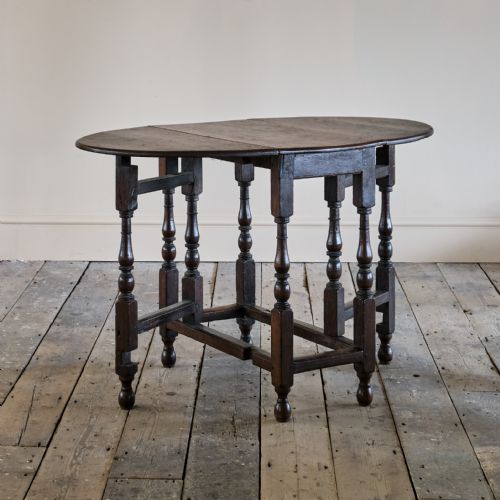
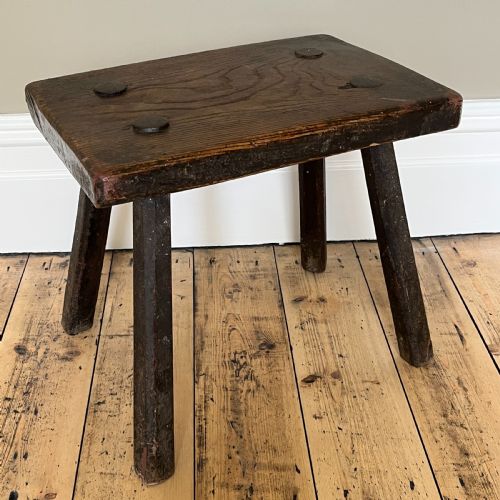
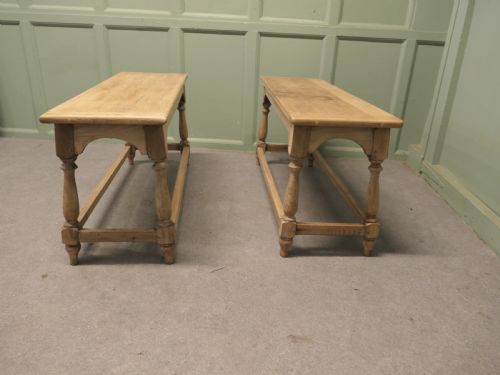


Traditional Joint Stools
Traditional joint stools are sturdy timber seats built with pegged joints, offering solid construction and historic character for modern interiors.
Traditional Joint Stools
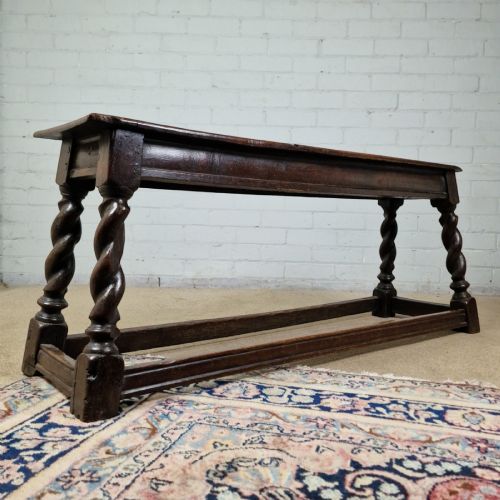
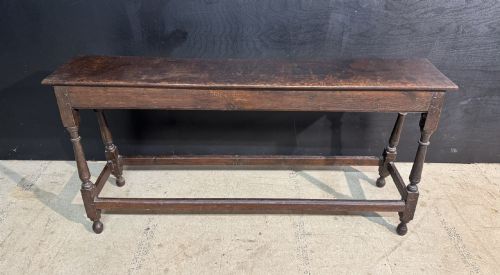
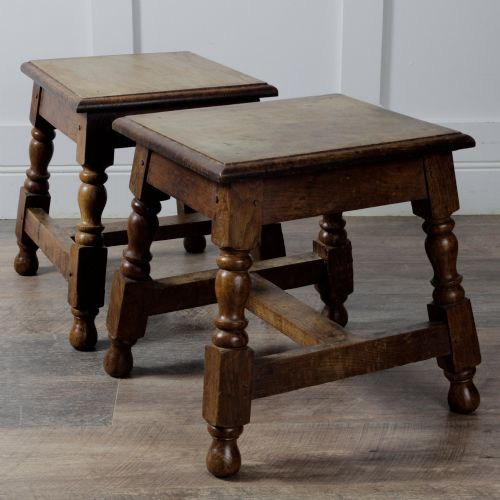
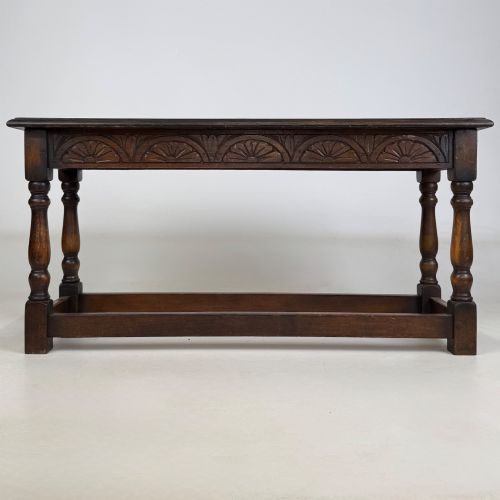
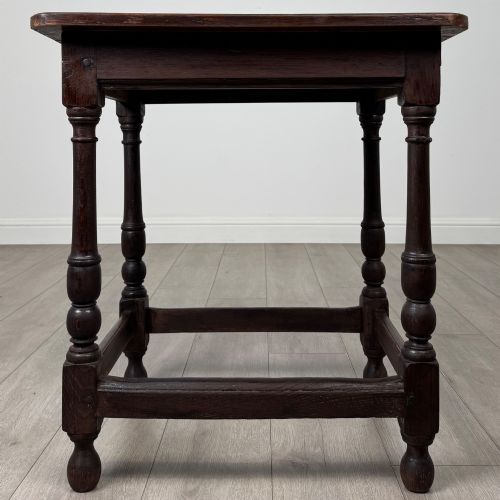
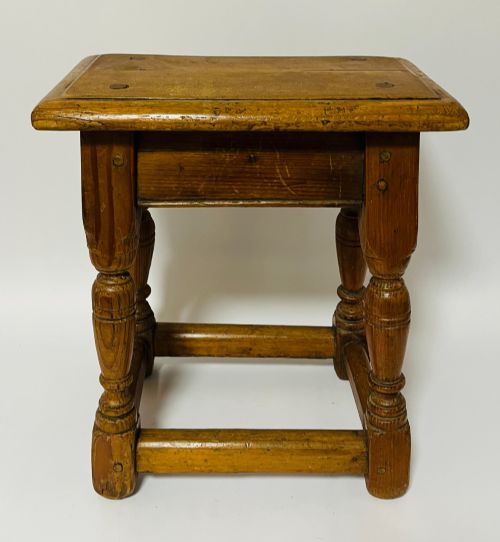
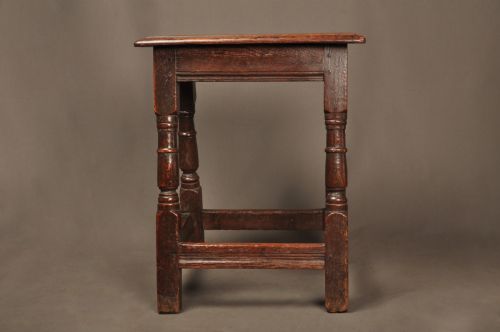
Traditional joint stools are rigid wooden seats constructed by joiners rather than carpenters, relying on pegged mortise and tenon joints to hold the frame together firmly. When you examine these pieces, you encounter forms ranging from low square seats to long benches and box stools equipped with storage compartments.
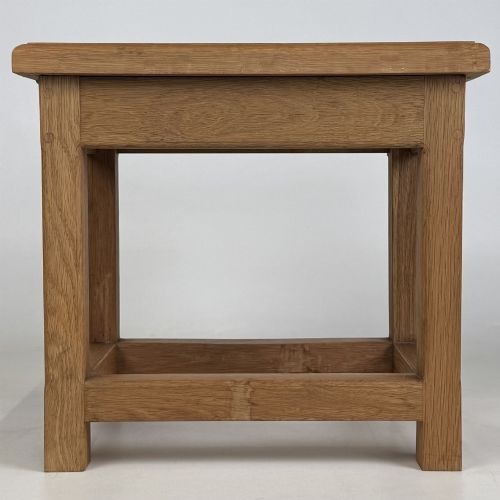
The selections span centuries of cabinetmaking, with examples stretching from the seventeenth century through the eighteenth and nineteenth centuries into twentieth-century revivals. Oak dominates the selection, appearing alongside yew wood, pine, and bleached oak surfaces.
Makers produced these functional items for domestic seating, and modern buyers frequently utilise them as side tables, low coffee surfaces, or flexible perches. The prevailing formats on this page reflect both authentic period pieces and later Jacobean revival interpretations.
Assessing quality in construction
Quality rests on the integrity of the timber and the tightness of the pegged joints holding the underframe. Heavy, solid construction distinguishes superior examples from lighter revival pieces produced in subsequent eras.
The presence of crisp hand-carving and well-proportioned stretchers separates finer workshop production from plain utilitarian variants. Retention of original timber surfaces without excessive modern intervention preserves the historical integrity of the piece.
One industrious maker signed their work with an oakleaf motif.
David Oakleafman Langstaff
The Traditional Joint Stools Glossary
- Joint stool
- A wooden seat constructed by a joiner using pegged mortise and tenon joints rather than simple nailed or glued assembly. These pieces form the core of this category.
- Pegged construction
- A method of joining timber where wooden pins secure intersecting members through pre-bored holes. This technique provides long-term stability without relying on metal fixings.
- Jacobean revival
- A nineteenth and twentieth century style imitating the heavy, carved oak furniture of the early seventeenth century. Makers utilised this aesthetic to satisfy demand for historic domestic furnishings.
- Box stool
- A variant form incorporating an enclosed compartment beneath the seat for storage. These items combine seating with functional utility.
Traditional Joint Stools: Frequently Asked Questions
What is a joint stool?
A joint stool is a sturdy wooden seat built by joiners using pegged mortise and tenon joinery. The term derives from the jointed timber construction rather than any pivoting mechanism.
These pieces served everyday domestic purposes in historic households, functioning as seating at dining tables or as portable perches around the room.
How do I use them at home?
Traditional joint stools adapt easily to modern rooms as compact side tables, occasional stands, or low display surfaces. Their flat wooden tops accommodate books, lamps, or decorative objects.
Positioning them beside sofas or chairs introduces historic timber texture and provides flexible seating when guests visit.
How old are these stools?
The listings span multiple centuries, ranging from authentic seventeenth and eighteenth-century examples to nineteenth-century interpretations and twentieth-century revival pieces. Each era brings distinct characteristics in timber finishing and structural wear.
Examining the tool marks, timber shrinkage, and peg placement helps determine the approximate period of manufacture.
Are they made of solid oak?
Most pieces in this category utilise solid oak or English oak as the primary timber. Regional variations also feature yew wood and pine.
Solid construction ensures durability across generations, allowing the timber to develop a rich patina through centuries of handling and polishing.