
Yellow Sapphire Dress Ring
A yellow sapphire dress ring brings warmth and lively brilliance to the hand, combining durable gemstones with periods spanning from the Victorian era through the mid-twentieth century.
Yellow Sapphire Dress Ring
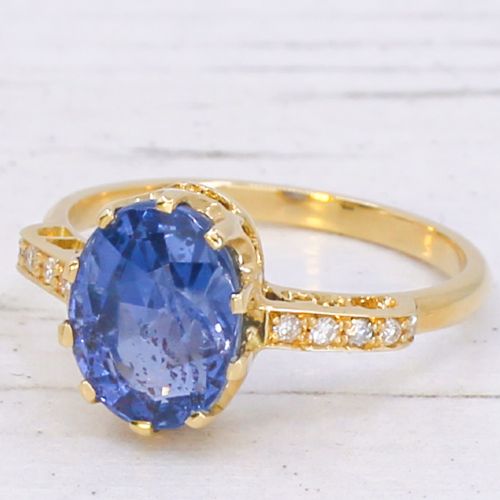
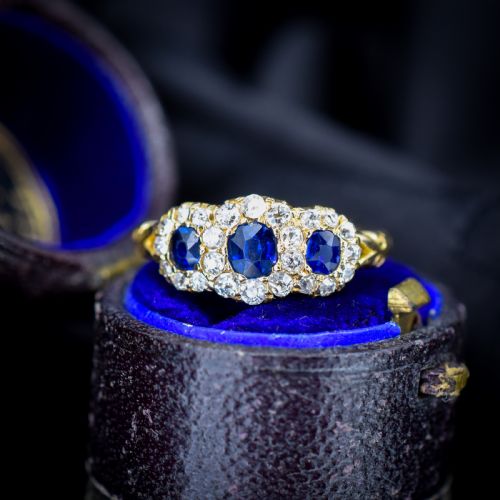
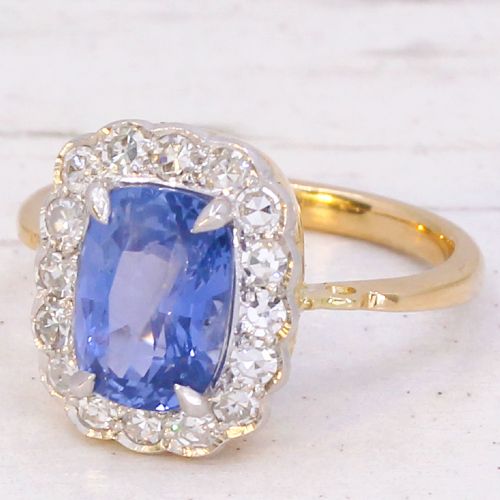
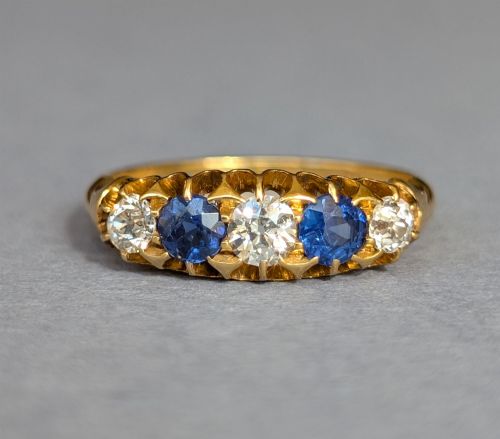
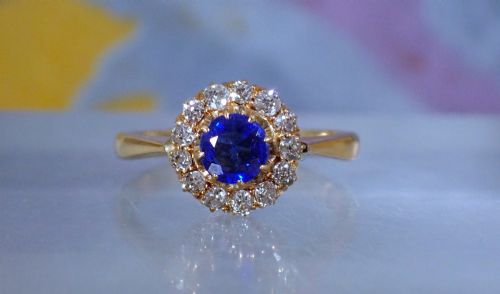
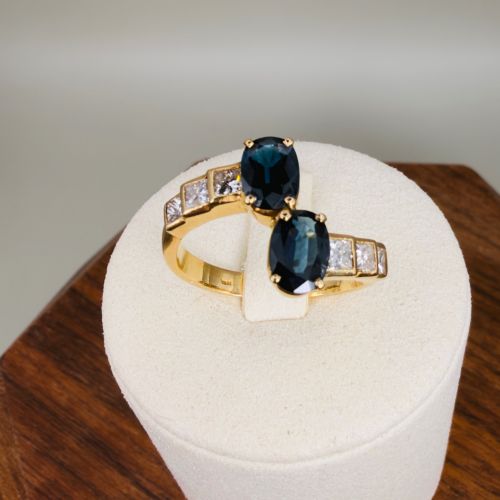
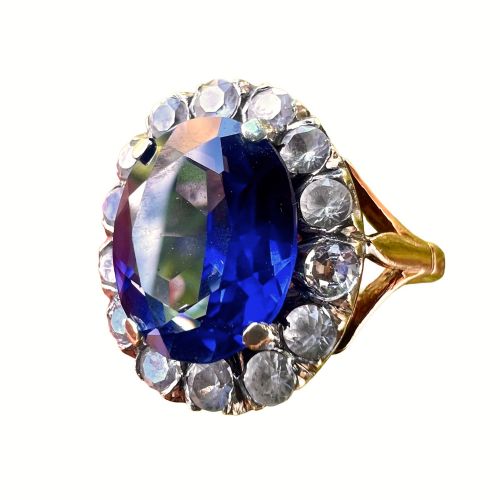
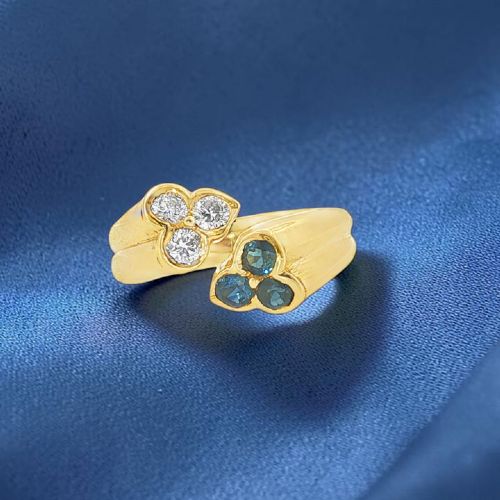
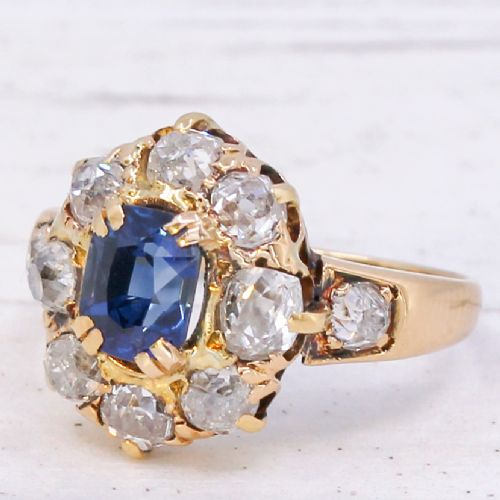
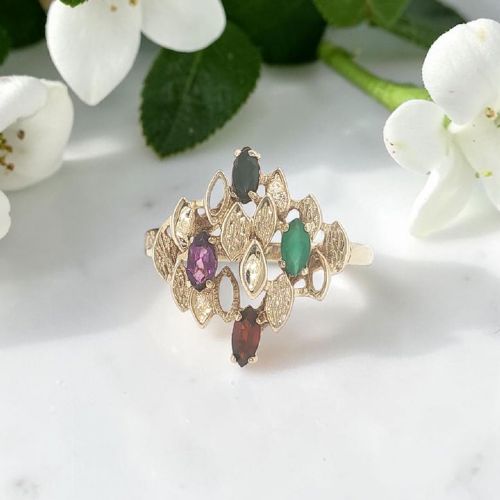
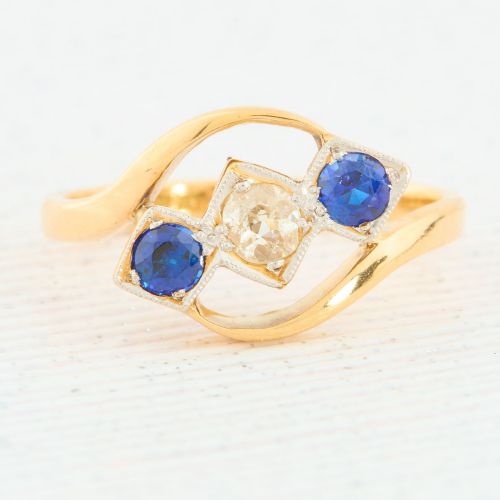
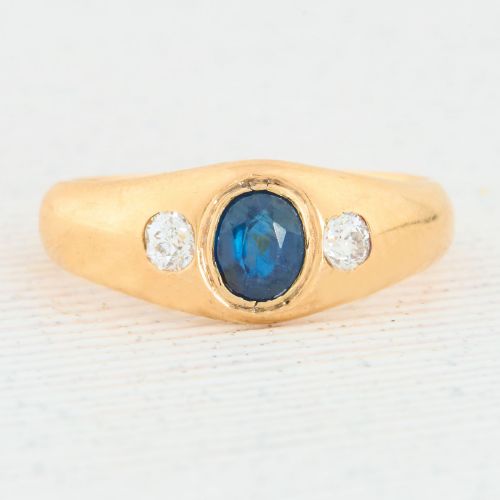
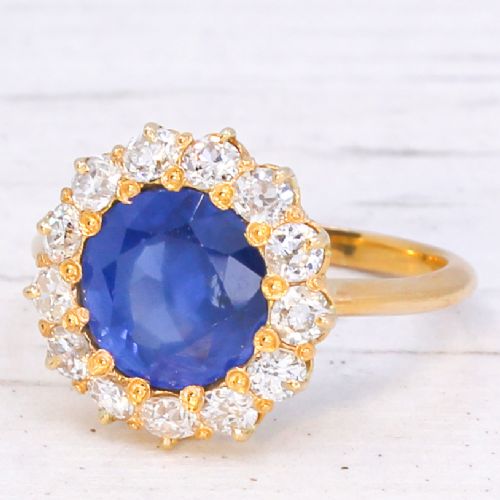
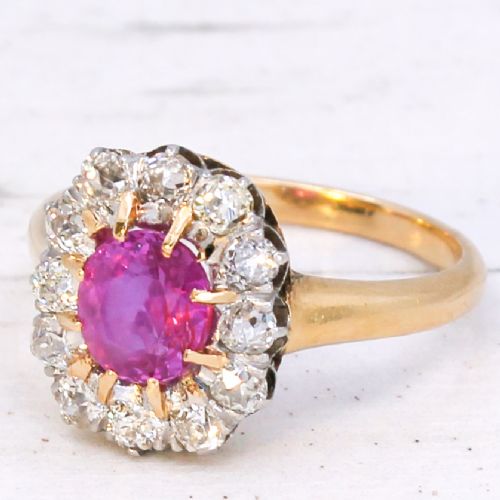
A yellow sapphire dress ring is a statement piece of jewellery designed primarily for adornment, frequently encountered in cluster, halo, daisy, and trilogy configurations from the Victorian, Edwardian, Art Deco, and mid-century periods. These rings place the vibrant yellow corundum centre stage, often flanked or framed by diamonds in mountings of 18ct yellow gold, white gold, or platinum.
The selection ranges from early twentieth-century unheated Ceylon and Burmese stones to later vintage pieces from the nineteen-fifties and seventies. Buyers will find both delicate floral motifs typical of the Edwardian era and geometric lines characteristic of Art Deco design.
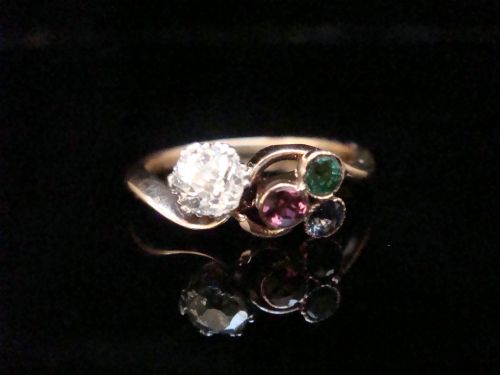
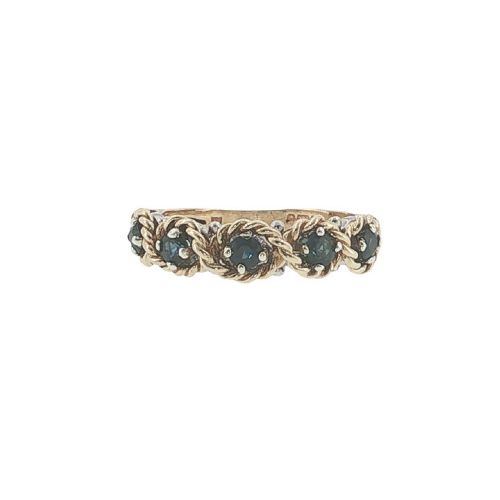
Formations vary from traditional five-stone band formats to gypsy settings and elaborate starbursts. The overarching characteristic is the integration of bright yellow sapphire alongside contrasting diamond accents.
Materials and Construction
The foundation of these pieces relies heavily on 18ct yellow gold and platinum, occasionally incorporating 9ct gold or silver-topped gold for early stone settings. Goldsmiths utilised these robust metals to securely house central yellow sapphires alongside old-cut, brilliant, or princess-cut diamonds.
Gemstones are predominantly natural corundum, encompassing unheated varieties from origins such as Ceylon, alongside carefully assembled cluster and halo frameworks. Techniques involve claw settings, bezel mounts, and intricate pierced galleries that allow light to pass through the coloured stones.
Listings incorporate gold purities ranging from 9ct to 18ct, alongside platinum mountings across Edwardian, Art Deco, and mid-century styles.
Distinctions in Quality
Quality rests upon the saturation and clarity of the central sapphire, alongside the cut and match of surrounding diamonds. Unheated stones with vivid natural colour command attention, whereas secondary treatments or inclusions alter the optical depth.
The integrity of the metalwork also defines the tier of a piece, observable in the crispness of millegrain edges, the weight of the gold shank, and the symmetry of cluster or daisy arrangements.
Kutchinsky
The Yellow Sapphire Dress Ring Glossary
- Cluster ring
- A jewellery design featuring a central gemstone surrounded by a grouping of smaller stones, typically diamonds, to create a larger visual impact on the finger.
- Millegrain
- A decorative technique involving a line of tiny, raised metal beads along the edges of a setting, common in Edwardian and Art Deco jewellery.
- Gypsy ring
- A style where stones are flush-set directly into a heavy tapered gold band, popular during the late Victorian and Edwardian eras.
- Unheated sapphire
- A natural gemstone that has undergone no thermal enhancement to improve its colour or clarity.
- Trilogy ring
- A three-stone ring symbolising the past, present, and future, usually set with graduated diamonds or coloured gemstones.
Yellow Sapphire Dress Ring: Frequently Asked Questions
What periods do these rings come from?
The selection spans the Victorian and Edwardian eras, progressing through Art Deco designs of the nineteen-twenties and thirties, up to mid-century and nineteen-seventies vintage pieces.
Each era brings distinct mounting styles and gold purities, reflecting the prevailing fashion of the decade in which the ring was manufactured.
How should I care for an antique yellow sapphire ring?
These rings require gentle cleaning with warm soapy water and a soft brush, avoiding harsh chemical ultrasonic cleaners that might damage older settings or softer gold.
Routine checks by a jeweller ensure the claws holding the sapphire and diamonds remain secure during regular wear.
Are the yellow sapphires natural?
Many examples feature natural corundum, with specific listings noting unheated stones originating from regions such as Ceylon or Burma.
Some vintage pieces may incorporate treated stones or alternate gem reports detailing the exact geological provenance.
What metal is most common in these settings?
Eighteen-carat yellow gold is predominant, frequently paired with white gold or platinum for the top settings to enhance the whiteness of accompanying diamonds.
Some later or alternative pieces also utilise nine-carat gold and silver-topped gold constructions.