

Yellow Gemstone Engagement Ring
A yellow gemstone engagement ring brings together coloured stones and precious metal in enduring configurations from Victorian, Edwardian, and mid-century periods.
Yellow Gemstone Engagement Ring
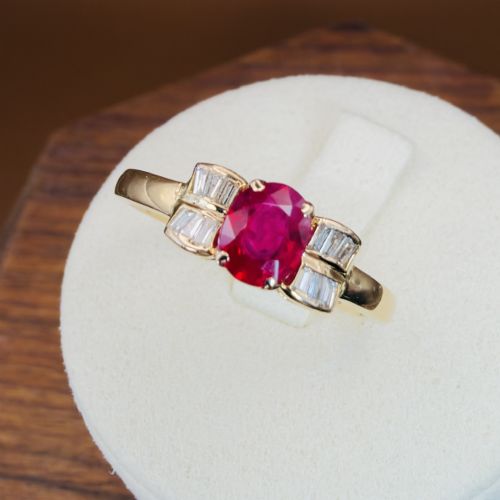
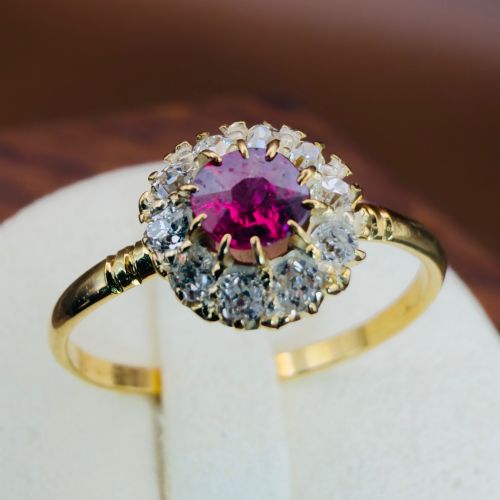
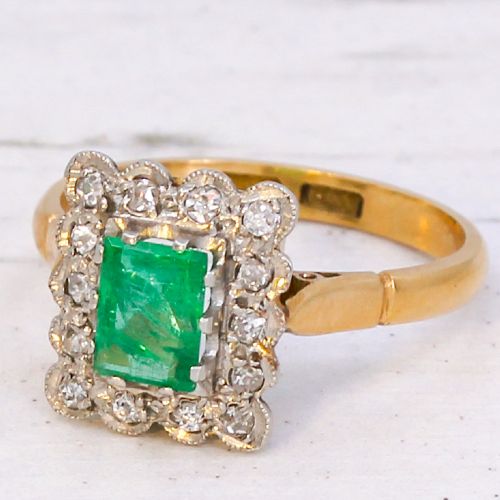
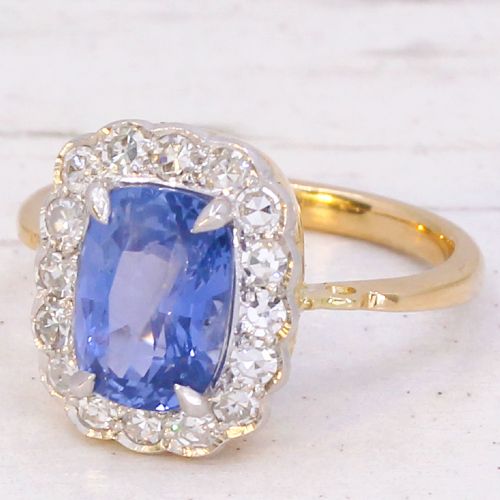
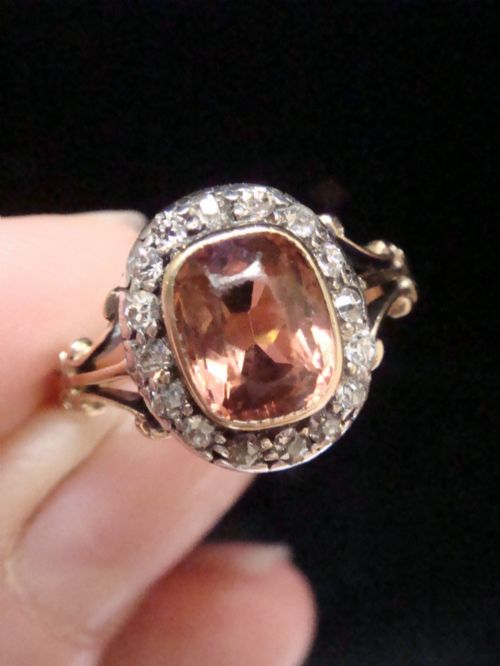
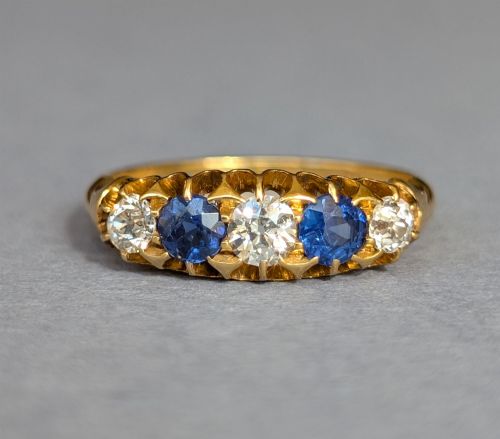
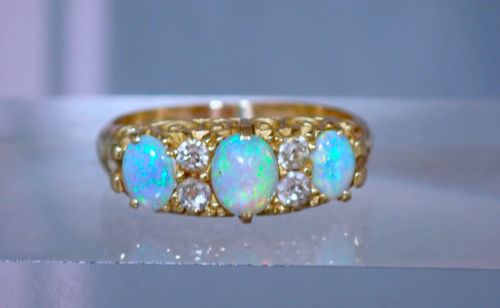
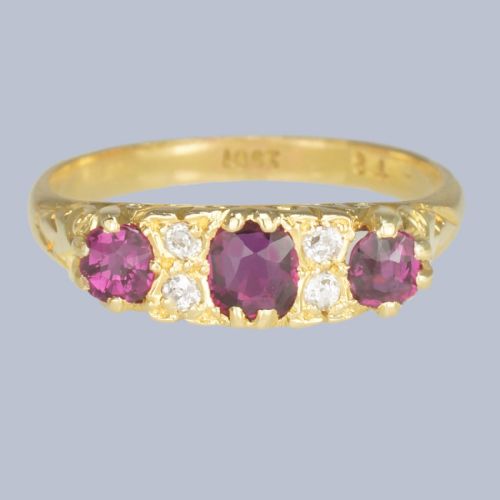
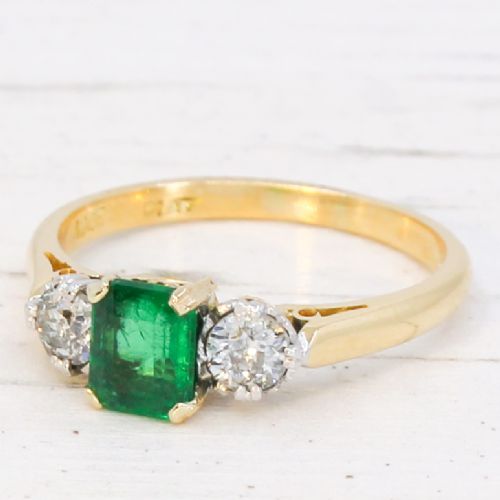
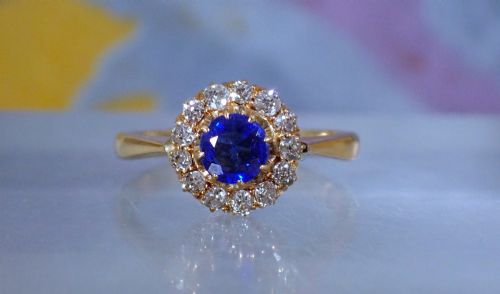
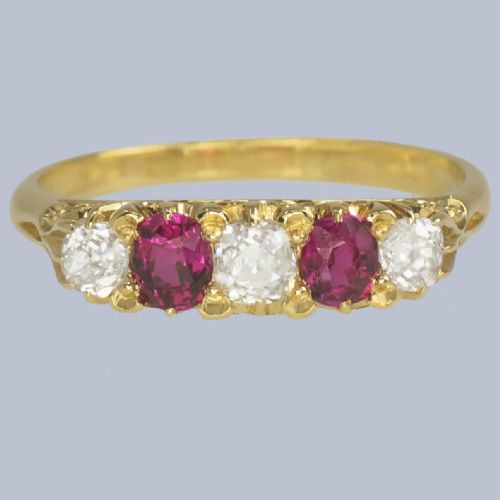
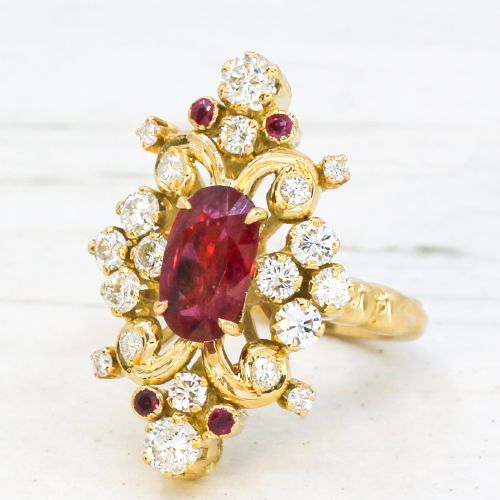
A yellow gemstone engagement ring spans multiple historic periods, including Victorian, Edwardian, Art Deco, and vintage mid-century eras. The phrase encompasses cluster rings, floral arrangements, starbursts, and traditional multi-stone settings.
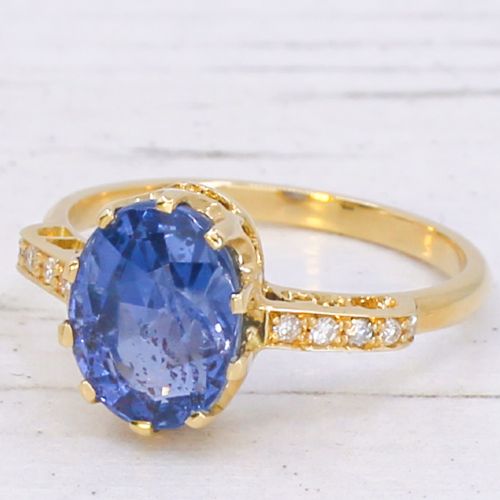
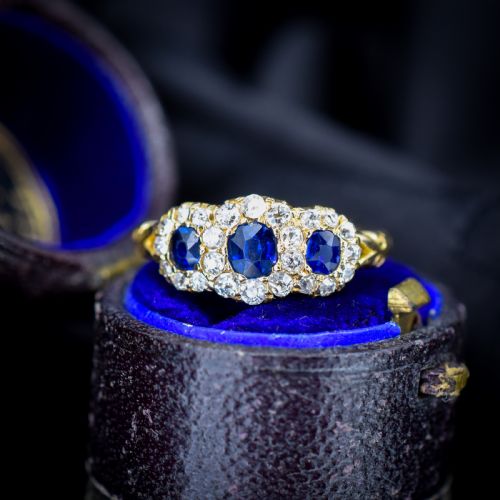
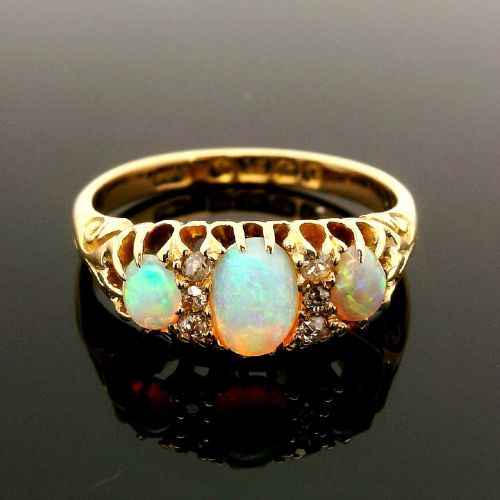
Most examples found in these listings pair central coloured gems with supporting diamonds in 18ct gold bands. Buyers encounter various forms such as boat rings, trilogy designs, and daisy clusters originating from the late nineteenth through to the mid-twentieth century.
What varies in quality
The standard of a piece depends on the provenance and natural characteristics of the central gemstone, particularly unheated stones with documented origins. Finer examples display precise stone-cutting and well-balanced proportions within complex cluster or floral formations.
Construction methods and the preservation of original settings distinguish exceptional pieces. Heavier 18ct gold mounts and intact historic metalwork indicate superior craftsmanship from periods such as the Edwardian era or Victorian decades.
The inventory spans Victorian, Edwardian, Art Deco, and mid-century periods, showcasing forms from simple solitaire and three-stone bands to elaborate double clusters.
The Yellow Gemstone Engagement Ring Glossary
- Cluster ring
- A setting style featuring a central gemstone surrounded by a ring of smaller stones, typically diamonds. This arrangement maximises visual impact and light reflection.
- Old cut diamond
- A precursor to the modern brilliant cut, hand-faceted with a smaller table and a higher crown. These stones are characteristic of antique and vintage jewellery.
- Trilogy ring
- A ring featuring three prominent gemstones set in a row, often interpreted symbolically as representing the past, present, and future. They appear frequently in Edwardian and Victorian designs.
- Unheated sapphire
- A natural sapphire that has undergone no thermal enhancement to improve its colour or clarity. Such stones command significant interest from collectors.
Yellow Gemstone Engagement Ring: Frequently Asked Questions
What periods do these rings come from?
The listings span several distinct eras, beginning with the Victorian and Edwardian periods in the late nineteenth and early twentieth centuries. Pieces also date from subsequent decades including Art Deco, the 1950s, and the 1960s.
Each period imparts characteristic design elements to the jewellery, from intricate floral and starburst motifs to cleaner mid-century lines. The prevailing materials across these eras remain 18ct gold combined with diamonds and coloured gems.
How should I care for an antique ring?
Antique and vintage rings require gentle handling due to their age and delicate settings. Regular inspection by a specialist helps ensure that claws holding the central gemstones and surrounding diamonds remain secure.
Owners should remove such rings during strenuous activities, swimming, or housework to protect the soft gold bands and vulnerable stones like opals or emeralds from damage.
Are the gemstones natural and untreated?
Many listings specify whether stones such as rubies and sapphires are unheated, indicating they possess natural colour without artificial enhancement. Gemmological reports sometimes accompany vintage pieces to confirm these origins.
Buyers can review individual descriptions to determine if a stone has specific documentation regarding its geographic source and treatment history.
What metal types are used in these settings?
The primary metal found across these pieces is 18ct gold, often appearing as yellow gold in both traditional and vintage designs. Some Edwardian examples incorporate platinum or silver alongside gold to create contrasting mounting surfaces for diamonds.
This selection of durable precious metals supports secure gemstone settings while maintaining the distinct aesthetic of each historical period.